For decades, the promise of extended lifespan through dietary intervention has hovered between scientific breakthrough and biological myth. While rigorous studies in fruit flies, rhesus monkeys, and rodents have consistently demonstrated that slashing calorie intake can dramatically extend longevity, the human application has remained fraught with danger. Severe calorie restriction—often defined as a reduction of 40% or more—carries a high price tag: increased vulnerability to infectious disease, suppressed reproductive health, and stunted growth.
However, a groundbreaking study published in Nature Aging suggests that we may have been looking at the problem through the wrong lens. Researchers at the Yale School of Medicine have identified a specific immune protein, complement component 3 (C3), that acts as a key mediator in the aging process. By moderating caloric intake, scientists may be able to suppress this protein’s harmful effects without the physiological trade-offs of extreme dieting. This discovery shifts the paradigm of aging from an inevitable decline to a malleable biological process.
The CALERIE Trial: A New Standard for Human Longevity Research
The foundation for this discovery lies in the Comprehensive Assessment of Long-Term Effects of Reducing Intake of Energy (CALERIE) trial, a landmark study funded by the National Institutes of Health. Unlike previous anecdotal or short-term dietary interventions, CALERIE provided a highly controlled, rigorous framework to study human physiology under caloric stress.
In this trial, participants reduced their daily caloric intake by 11% to 14% over a two-year period. Crucially, the participants did not report feelings of deprivation or the side effects typically associated with starvation diets. For scientists, this provided a rare, high-fidelity window into how the human body adapts to sustained, moderate energy restriction.
"This is the only trial of its kind that has been done with such rigor and control and demonstrates relevance to human physiology," explains Vishwa Deep Dixit, PhD, the senior author of the study and director of the Yale Center for Research on Aging (Y-Age). By examining plasma samples from 42 participants, the Yale team set out to map the proteomic landscape of these individuals, searching for the molecular markers that might explain why they appeared to be aging more slowly.
Mapping the Proteome: The Discovery of C3
To identify the biological culprits behind aging, the researchers utilized high-throughput proteomics, measuring more than 7,000 proteins in the plasma of CALERIE participants over the two-year duration of the study. Amidst this vast sea of data, one protein emerged as a statistically significant outlier: complement component 3 (C3).
The complement system is a vital branch of our innate immune system, designed to assist antibodies and phagocytic cells in clearing pathogens and damaged cells. However, persistent activation of this system has long been associated with chronic, low-grade inflammation—a phenomenon now commonly referred to as "inflammaging."
"The causal effects of C3 in aging and chronic inflammation have not been identified," notes Hee-Hoon Kim, PhD, a postdoctoral associate in the Dixit lab and co-first author of the paper. "So, we were very excited to find that in our study."
The data revealed that after two years of moderate calorie restriction, levels of C3 in the participants’ blood dropped significantly. This reduction suggested that the body was shifting away from a pro-inflammatory state, effectively "cooling down" the immune system’s constant, low-level chatter that characterizes the aging process.
The Unexpected Role of Adipose Tissue
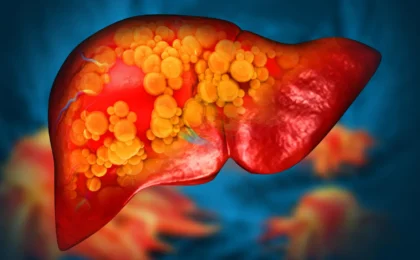
One of the most surprising findings of the study was the source of this C3 production. Traditionally, the liver is considered the primary factory for circulating complement proteins. However, the Yale team found that in the context of aging, the primary driver of excess C3 was actually white adipose tissue—our body fat.
Through single-cell RNA sequencing, the researchers identified that age-associated macrophages (specialized immune cells) residing within the fat tissue were the culprits behind the C3 spike.
"We were not expecting that because these proteins are mainly synthesized in the liver," says Manish Mishra, PhD, another co-first author of the study. The identification of specific macrophage subtypes producing these proteins was a "challenging" feat of biological detective work, but one that yielded a clear picture: as we age, our fat cells become inflammatory engines, pumping out C3 and contributing to systemic degradation.
Disconnecting Longevity from Weight Loss
A common assumption in nutritional science is that the benefits of calorie restriction are merely a byproduct of weight loss. If you weigh less, your metabolism is more efficient and your organs are less stressed. However, the Yale study challenges this causal link.
When the researchers cross-referenced changes in the participants’ body mass index (BMI) with the decline in C3 levels, they found no correlation. Whether a participant lost a significant amount of weight or remained relatively stable, the reduction in C3 protein levels persisted.
"This suggests that calorie restriction has a beneficial effect that is unique to adipose tissues and is likely independent of weight loss," Kim explains. This finding is revolutionary because it implies that we may not need to starve ourselves to reach a "skinny" target to reap the longevity benefits. Instead, it may be possible to target the inflammatory pathways in fat tissue directly, potentially mimicking the benefits of a long-term diet through pharmacological or metabolic interventions.
Antagonistic Pleiotropy: Why We Age
To contextualize these findings, the researchers turned to the concept of "antagonistic pleiotropy," a theory first proposed by evolutionary biologist Peter Medawar in 1952. The theory suggests that genes or biological processes that are highly beneficial during youth—such as the immune system’s rapid response to pathogens—can become deleterious as we age.
In our ancestors’ environments, a highly active immune system was a matter of survival, protecting against rampant infection. In our modern world, where we live significantly longer and face fewer acute infectious threats, that same "hyper-alert" immune system becomes a source of chronic, age-related disease.
C3, once an evolutionary guardian, becomes a contributor to chronic inflammation later in life. Dixit likens this to the role of growth hormones: essential for development in childhood, but potentially oncogenic and harmful in older adults. The Yale study highlights that the goal of modern anti-aging medicine should not be to dismantle our defenses, but to "restore the balance."
Implications for Future Medicine
The implications of the Yale study are profound. By demonstrating that C3 levels can be modulated through lifestyle intervention, the researchers have identified a viable target for drug discovery.
The team is currently investigating whether existing, FDA-approved inhibitors—drugs that block C3 activation—could be repurposed to slow the aging process in humans. The objective is not to eliminate the complement system, which remains critical for fighting off infections, but to temper the excess production triggered by age-associated macrophages in adipose tissue.
Key Takeaways and Future Research
- Targeting Inflammation: The study confirms that reducing C3 can lead to less age-related inflammation, as observed in animal models treated with C3 inhibitors.
- Precision Medicine: The focus is moving away from "blanket" calorie restriction toward targeted therapies that specifically inhibit inflammatory protein expression.
- The "Healthspan" Goal: The ultimate aim is not just a longer life, but a longer "healthspan"—the number of years an individual lives in good health, free from chronic disease.
"This concept demonstrates that aging is actually malleable and a process that can be targeted," says Dixit. As the medical community digests these findings, the focus will likely shift to clinical trials testing C3-targeted therapies.
If these treatments prove successful, we may one day be able to capture the health benefits of a caloric-restricted lifestyle—improved immunity, lower systemic inflammation, and slower cellular aging—without the need to restrict our intake of the calories that fuel our daily lives. The future of longevity, it seems, lies not in what we take off our plates, but in how we regulate the complex, internal machinery of our immune systems.