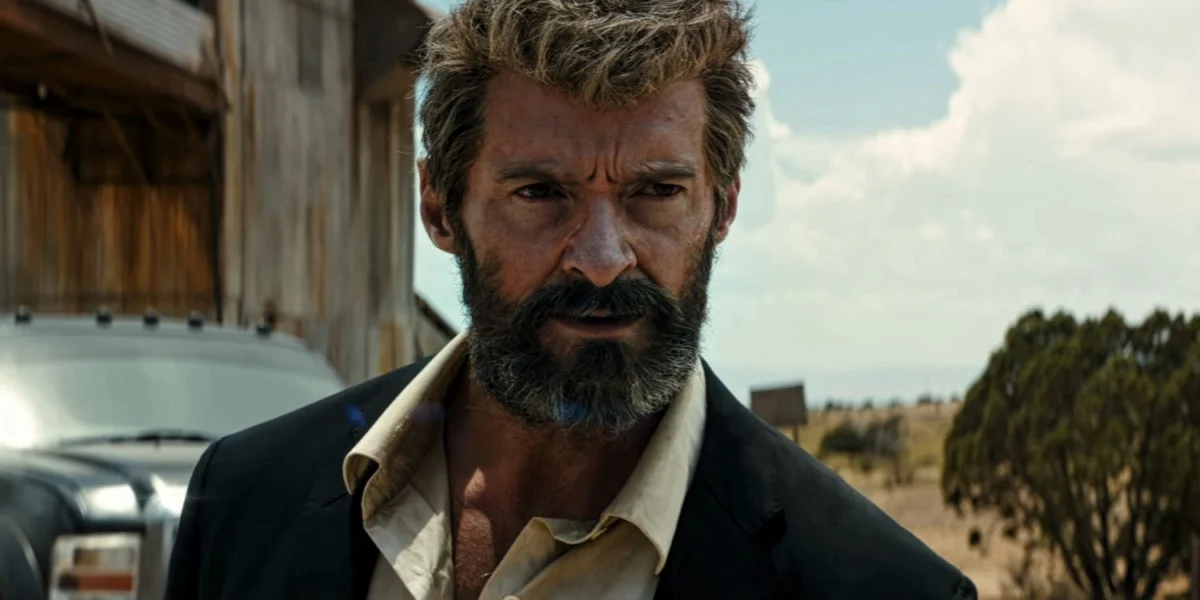
For decades, Marvel’s Wolverine has stood as the quintessential archetype of the "reluctant hero"—a lethal, metal-clawed enigma whose path is paved with trauma, loss, and an unending cycle of violence. Yet, beneath the grimace and the adamantium-laced skeleton lies a surprisingly complex character study. As we reflect on the recent conclusion of the Krakoan era of X-Men comics, it becomes clear that Wolverine is not merely a singular entity, but a character defined by a persistent, often jarring duality.
The Two Faces of Logan: A Dichotomy of Character
One of the primary secrets to Wolverine’s enduring, multi-generational popularity is that there are essentially two distinct versions of the character existing concurrently in the Marvel Universe. Writers often toggle between these two archetypes, sometimes flipping them within the span of a single issue, which can be both a source of narrative frustration and deep character richness.
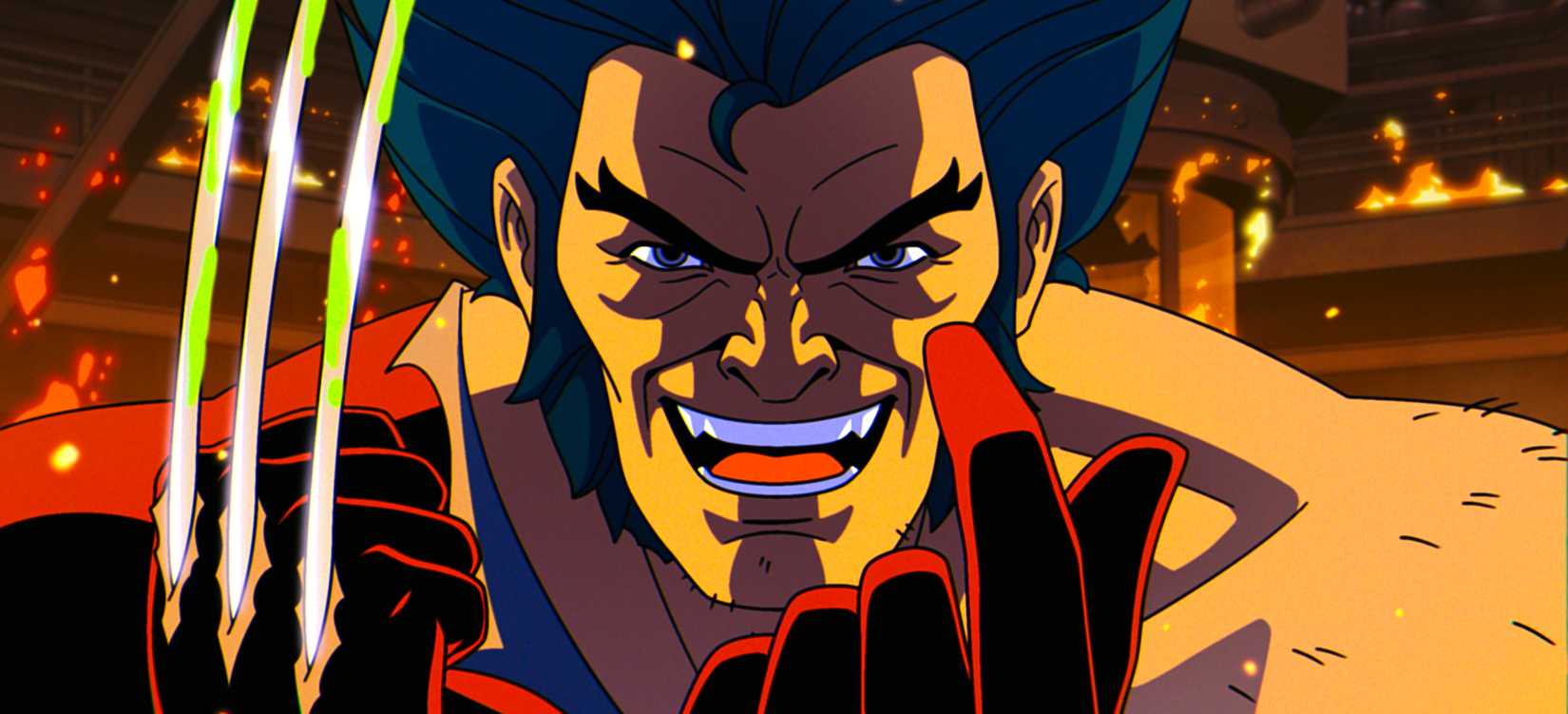
The first Wolverine is the "Feral Berserker." This is the version most casual fans recognize: a short, hairy ball of imminent violence who views anger management as a foreign concept. This iteration of Logan is as dangerous to his teammates as he is to his adversaries. He is the man who lunges first and asks questions never. Historically, this version of the character serves as the "guest star" archetype—the unpredictable force of nature that descends upon an unsuspecting book to stir the pot and incite a fight.
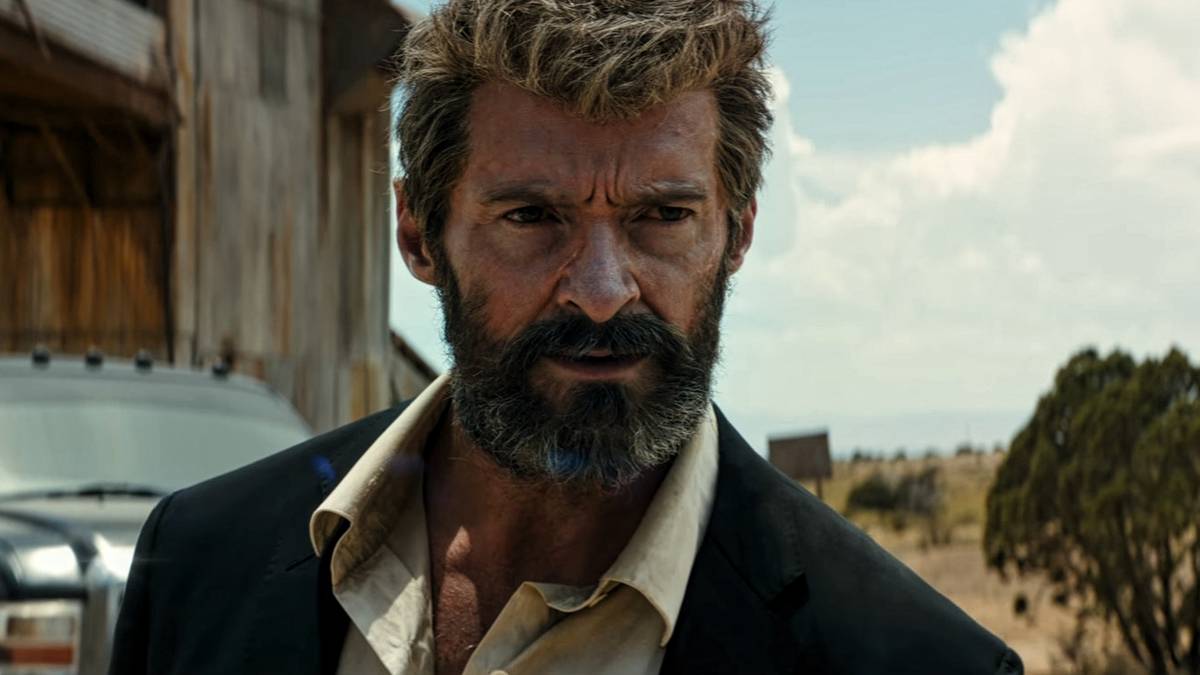
The second Wolverine, however, is the "Centenarian Sage." This is the Logan who possesses genuine, hard-won wisdom. Having lived for over a century, this version of the character carries the weight of history in his scarred psyche. He is the mentor, the teacher, and the unlikely father figure who consistently finds himself adopting teenage sidekicks. This Logan understands the value of the quiet moments between the bloodshed, offering a third dimension to a character who might otherwise remain a one-note killing machine.
Chronology of a Berserker: From Weapon X to Krakoan Pillar
To understand how Wolverine reached his current state of philosophical reflection, one must look at the trajectory of his publishing history.
- The Origin Years: Originally introduced in The Incredible Hulk #180-181 (1974), Logan was little more than a government-sanctioned weapon.
- The Claremont Era: Throughout the 1980s, Chris Claremont fleshed out the "Ronin" aspect of the character, adding layers of honor and self-loathing that grounded the "berserker" persona.
- The Modern Era: Post-2000s, Logan transitioned into a central leader figure, most notably as the head of the Jean Grey School for Higher Learning.
- The Krakoan Era (2020–2024): This recent period marked a radical shift. As mutantkind established itself on the living island of Krakoa, Wolverine served as the nation’s primary black-ops operative. Written by Benjamin Percy, this volume (Vol. 7) pushed the character into darker territory than ever before, forcing him to confront the moral cost of his role as the "nation’s blade."
Supporting Data: The Anatomy of a Dark Run
Benjamin Percy’s four-year run on Wolverine (2020–2024) serves as a critical case study in the evolution of the character. Unlike many mainstream superhero comics that rely on status-quo maintenance, Percy’s tenure was explicitly brutal. It was a war-torn narrative that culminated in the "Sabertooth War" arc—a high-stakes, high-fatality struggle that saw Logan face his arch-nemesis, Victor Creed, in what was intended to be their final, definitive showdown.

The body count was staggering, even by Logan’s standards. The emotional toll was underscored by the temporary loss of his son, Daken. While resurrection protocols on Krakoa eventually nullified the permanence of these deaths, the psychological scars remained etched into the narrative. This era provided the necessary crucible for the character to move past his usual platitudes about being "the best there is at what he does."
Official Insights: The Philosophical Shift
The conclusion of Wolverine Vol. 7, specifically in issue #50, offered a rare, introspective look at the character’s internal life. As the dust settled on the Krakoan experiment, Logan provided a monologue that defied his standard portrayal as a cynical loner.
The text states: "Here’s the thing I’ve learned about happiness. I can be feeling good… but that feeling never goes far. Because I’m remembering all the pain going on in the world. I used to think that made happiness impossible. But Krakoa taught me the reverse is true too."
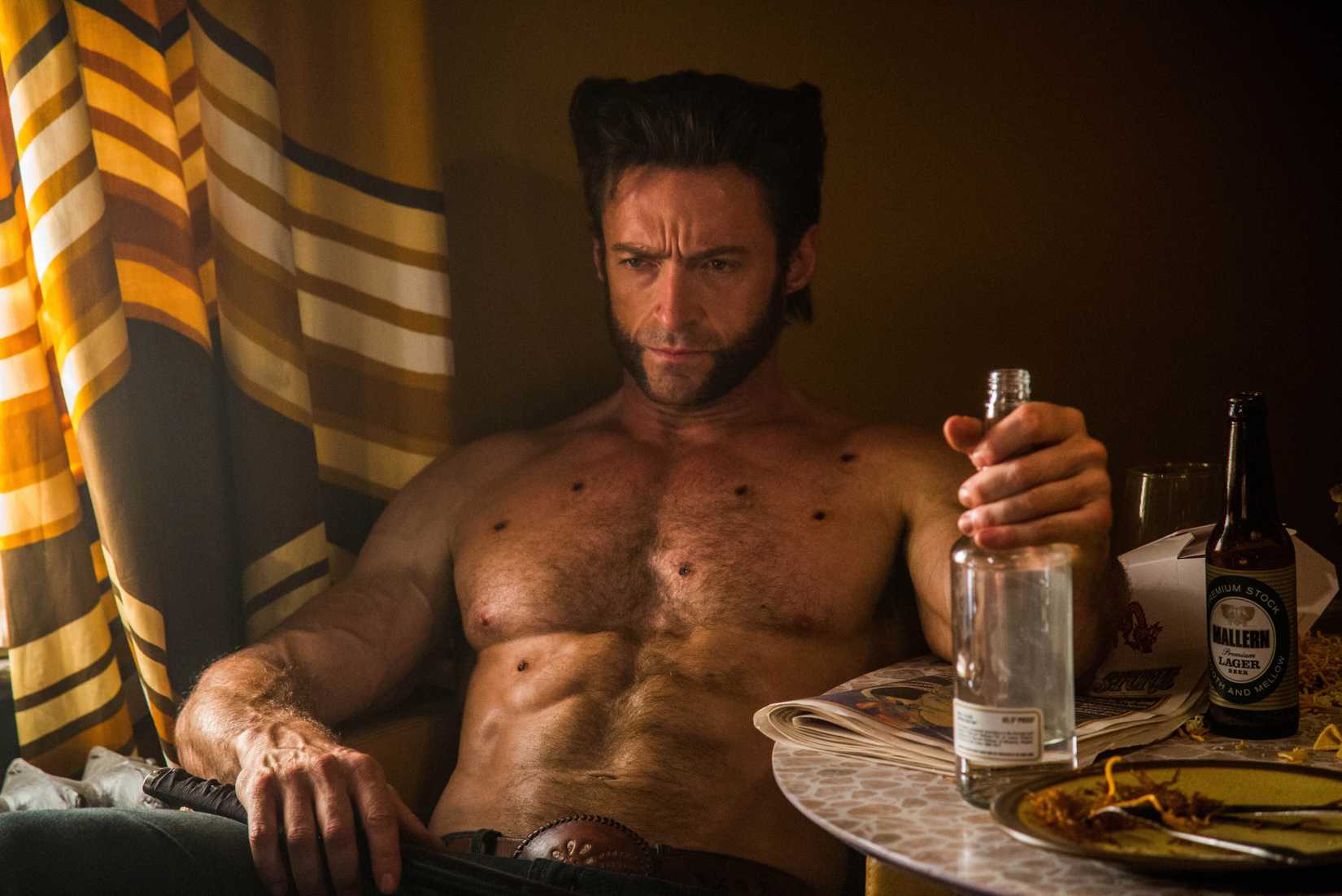
This reflection acts as a capstone to decades of character growth. It is a nuanced observation on the nature of suffering and joy—one that rejects the binary of "angst vs. stoicism." By acknowledging that the presence of pain does not negate the validity of happiness, Logan moves from a character defined by his wounds to one defined by his endurance.
Implications: What This Means for the Future
The implications of this shift are significant for future writers handling the character. By grounding Logan’s philosophy in a tangible, albeit painful, life lesson, Marvel has elevated him beyond the "catchphrase machine" he risked becoming in the early 2010s.
1. The End of the "One-Dimensional Berserker": While the feral rage will always be a part of Wolverine’s kit, writers now have a narrative precedent for the "Zen Sage" to emerge more naturally.
2. Emotional Complexity as a Weapon: The "Sabertooth War" proved that Logan’s greatest strength is no longer his healing factor or his claws, but his ability to process grief without being destroyed by it.
3. The Legacy of the Krakoan Era: Even as the Marvel Universe moves past the Krakoan era, the lessons Logan learned regarding community and the duality of emotion serve as a permanent evolution of his character arc.
Conclusion: The Angriest Canadian’s Wisdom
There is a profound irony in looking for life advice from a man whose primary contribution to social interaction is a grunt and a pair of serrated blades. Yet, the wisdom found in his final reflections of the Krakoan era is arguably some of the most profound writing the character has received in his fifty-year history.
Wolverine remains a mirror for the reader. When we see him in his feral state, we see our own capacity for destructive rage; when we see him in his reflective state, we see our own capacity for resilience. As the character moves into his next era, he does so with the knowledge that happiness is not the absence of the world’s pain, but the ability to coexist with it. It is, perhaps, the most important bit of "maintenance" Logan has ever performed on himself.