For the modern digital nomad, the constant rhythm of travel is often punctuated by a recurring, frustrating logistical chore: the hunt for connectivity. Upon landing in a new country, the traditional ritual involves finding a local SIM card kiosk, haggling over data packages, or fumbling with QR codes to install a temporary eSIM. However, the landscape of mobile roaming is undergoing a radical shift.
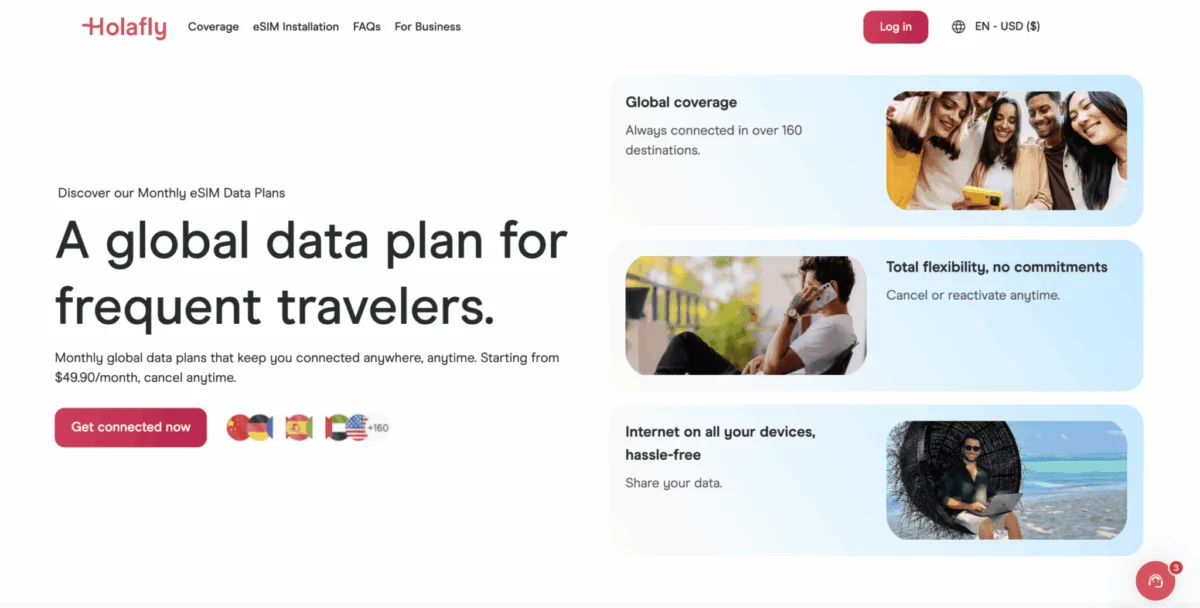
Holafly, a long-standing leader in the eSIM market, has recently introduced "Holafly Plans"—a subscription-based model that promises to replace the fragmented, country-by-country approach to mobile data with a single, seamless, global solution.
The Evolution of Mobile Connectivity: From Physical SIMs to Global Subscriptions
To understand the significance of Holafly’s new offering, one must first look at the trajectory of mobile technology. For decades, international travelers were tethered to their home carrier’s exorbitant roaming fees or the inconvenient necessity of swapping out physical plastic SIM cards.
The arrival of the eSIM (embedded SIM) changed the game. Because the SIM is built directly into the phone’s hardware, users could download profiles via an app, bypassing the need for physical cards. While this was a massive improvement, it still required a transactional approach: one eSIM per trip, per destination.
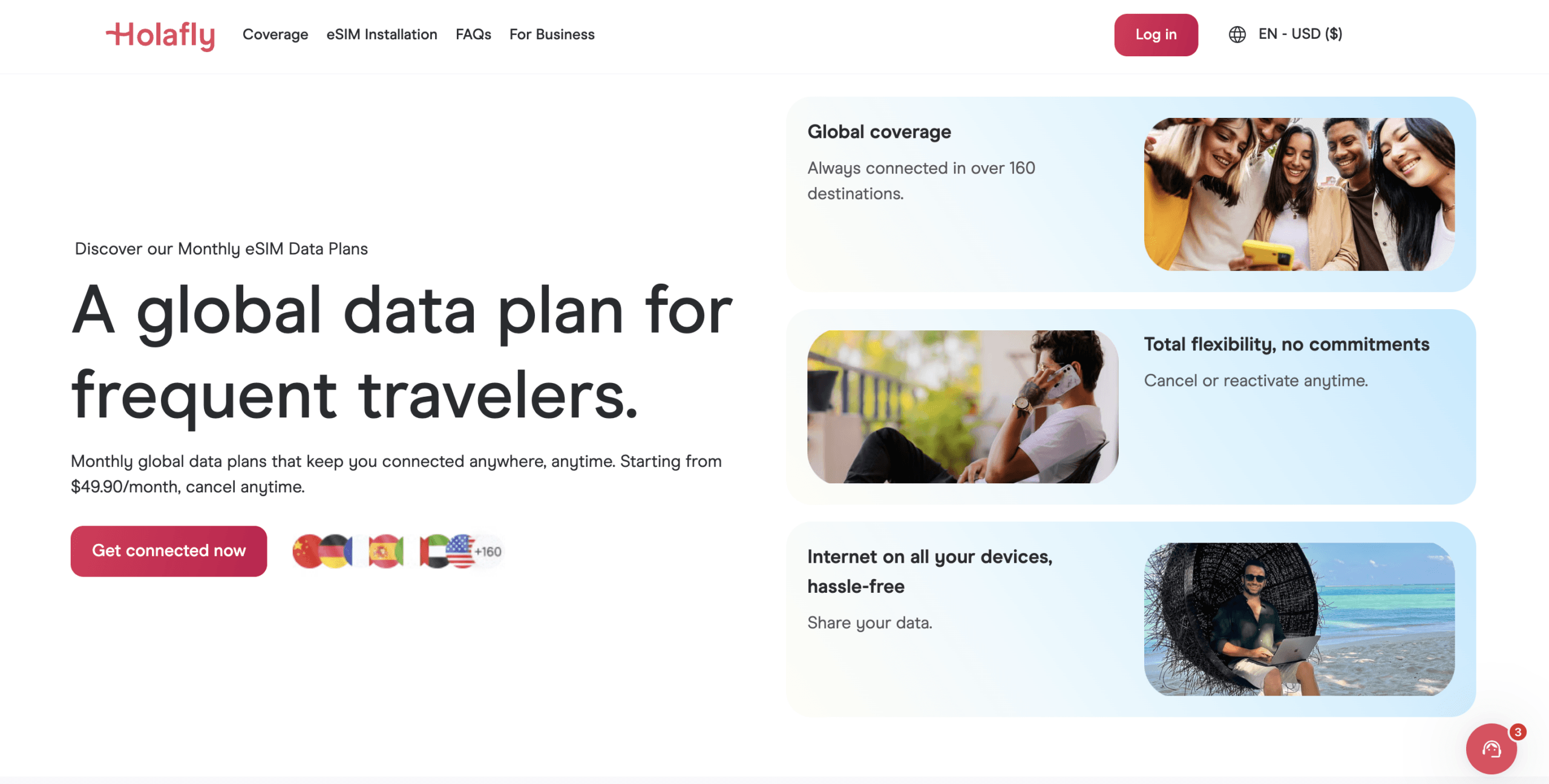
Holafly’s new subscription plans represent the "Version 2.0" of this technology. By moving from a pay-per-trip model to an ongoing, monthly or annual subscription, the company is effectively functioning as a global mobile carrier that doesn’t care about borders. You install the eSIM once, and it remains active across 160+ countries. There is no manual switching, no re-downloading of profiles, and no "dead zones" at international borders.
Chronology of a Disruption
The shift toward these "evergreen" plans didn’t happen overnight. It is the culmination of years of data collection and user feedback.

- Phase 1: The Single-Destination Era: Initially, Holafly and its competitors focused on solving the "airport kiosk" problem by offering country-specific eSIMs. This solved the issue of high roaming costs but remained administratively burdensome for frequent travelers.
- Phase 2: Regional Consolidation: Recognizing that travelers often visit multiple countries in a single trip (e.g., a tour of Southeast Asia or Europe), companies began offering regional passes.
- Phase 3: The Global Subscription Model: Today, we are witnessing the final phase. With the launch of Holafly Plans, the service is now agnostic to the traveler’s itinerary. Whether a user is moving from the UK to Madagascar or from Thailand to Brazil, the connection remains constant. This model treats the globe as a single, unified network.
Supporting Data: Why the Subscription Model Wins
The argument for a subscription-based global eSIM is grounded in both economics and user experience. When compared to the traditional methods of staying connected abroad, the benefits become starkly visible.
The Cost-Benefit Analysis
| Feature / Cost | Holafly Plans (Unlimited) | US Major Carrier Roaming Pass | Traditional Single-Trip eSIMs |
|---|---|---|---|
| Monthly Cost | ~$55–$65 (varies by term) | $100–$300 ($10/day) | $60–$120 (per trip) |
| Data Allowance | Unlimited | Capped/Throttled | Usually 5GB–10GB |
| Hassle Factor | Near Zero | Moderate (Costly) | High (Repetitive) |
| Hotspotting | Included (Unrestricted) | Often restricted | Varies |
For a digital nomad, the "Unlimited" tier is not merely a convenience—it is an operational necessity. The ability to tether a laptop without worrying about data caps or throttling is a game-changer for those who rely on high-bandwidth tasks like video conferencing, cloud computing, and uploading media.
Furthermore, the "Always On" feature provides a safety net: 1GB of backup data per month, provided in perpetuity, even if the user cancels their primary subscription. This ensures that a traveler is never truly stranded without a way to access maps, rideshare apps, or emergency services.
Official Perspectives: The Philosophy Behind the Product
The shift toward a subscription model is a direct response to the "always-on" nature of modern work. According to the team at Holafly, the goal was to eliminate the friction that keeps travelers from being truly nomadic.
"The traditional eSIM model was built for the tourist," notes a spokesperson for the platform. "Holafly Plans were built for the professional. We wanted to create a system where the traveler stops thinking about the phone and starts focusing on the destination. Whether you are in Tokyo or Toronto, your phone should just work."
By offering a US, UK, or Canadian phone number as part of the Unlimited plan, Holafly is also addressing a common pain point: the inability to receive two-factor authentication (2FA) SMS codes while abroad. This inclusion bridges the gap between a "travel data plan" and a "permanent phone service," making it a viable replacement for many users’ primary home plans.
The Implications for the Digital Nomad Lifestyle
The implications of this technology are profound for the future of work and travel.
1. The Death of Border Anxiety
One of the most stressful aspects of traveling is the "arrival period"—the 30 minutes after landing when you are without internet, trying to navigate a new city. With a persistent, global eSIM, the phone connects to a local network automatically. This eliminates the frantic search for public Wi-Fi in an unfamiliar airport.
2. Operational Stability
For those who earn their income online, reliability is the most valuable commodity. By providing an unlimited data tier with hot-spotting capabilities, Holafly is effectively democratizing high-speed internet access globally. No longer does a freelancer need to scout for cafes with "good Wi-Fi"; they can bring their own reliable connection wherever they go.
3. Financial Efficiency
The savings are not insignificant. As shown in the data above, the cost of a high-end roaming pass from a major US carrier can reach $300 a month. By contrast, a $55 monthly subscription to Holafly, especially when utilizing a discount code (such as NOMADICMATT for 10% off), represents a massive reduction in fixed travel expenses. Over the course of a year, this can save a remote worker thousands of dollars.
Who Should Consider This Transition?
While the subscription model is revolutionary, it is not necessarily for the "once-a-year" vacationer.
- The Case for the Casual Traveler: If you take one two-week vacation to Italy per year, the "classic" one-off, destination-specific eSIM is likely still the most economical choice. It is a simple, pay-as-you-go product that fits the needs of a short-term visitor.
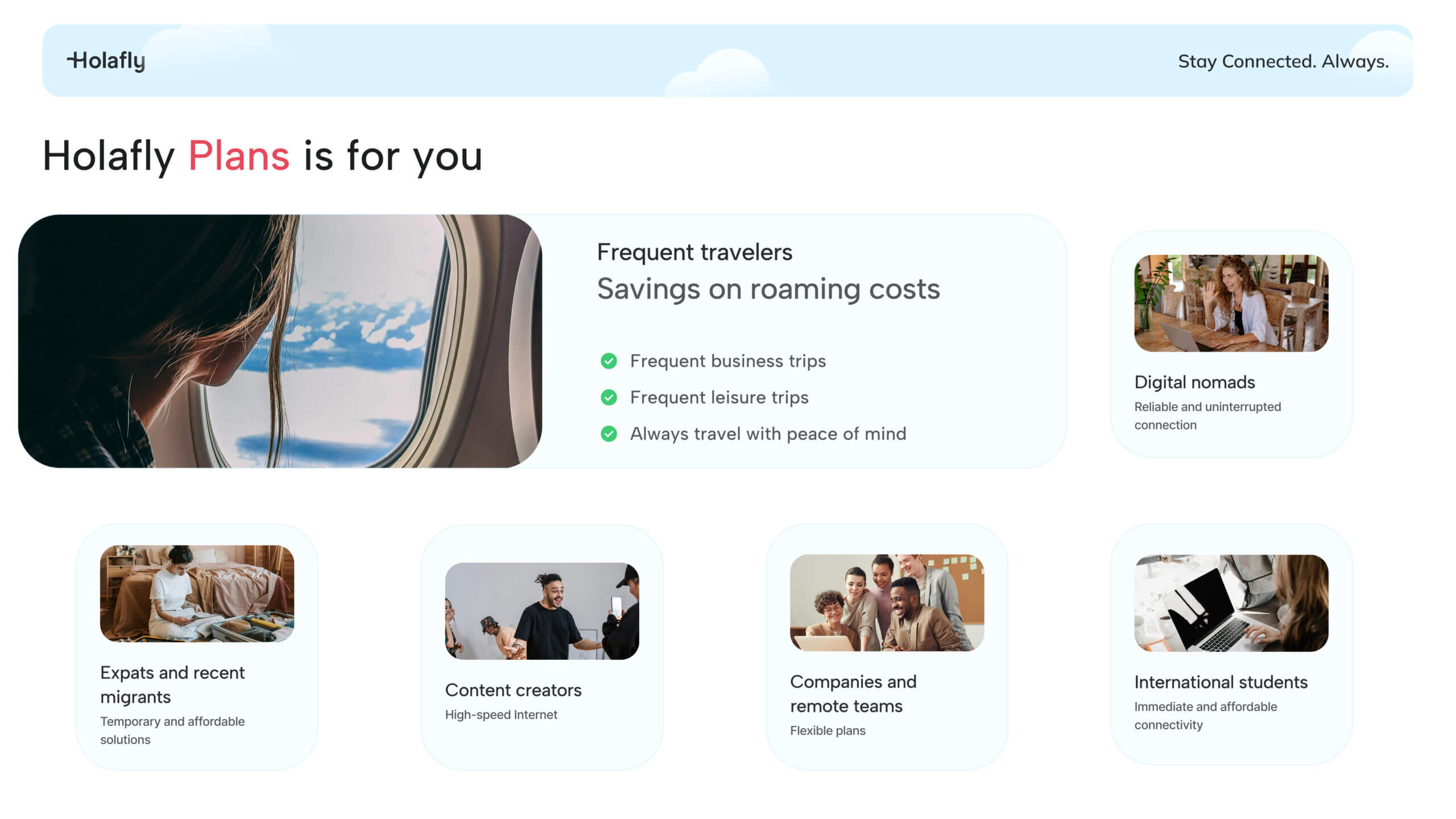
- The Case for the Frequent Traveler/Nomad: If you are moving between borders more than twice a quarter, or if you are living in a foreign country for months at a time, the subscription model is vastly superior. It consolidates your billing, provides a consistent experience, and ensures you aren’t paying for "data buckets" that you might accidentally exhaust.
Navigating the Setup and Support
One of the primary fears regarding new tech is the complexity of setup. Holafly has streamlined this into a process that takes mere minutes. Upon purchasing a plan, users receive a QR code. Once scanned, the eSIM is installed. Because it is software-based, the phone can hold multiple eSIMs simultaneously, allowing users to keep their home SIM active for calls while using the Holafly eSIM exclusively for data.
Furthermore, the company maintains 24/7 customer support. In an era where many tech companies hide behind automated chatbots, the availability of real-time human assistance is a differentiator, especially when a user is in a time zone 12 hours away from home.
Final Thoughts: The New Standard of Roaming
The introduction of Holafly Plans signals the end of an era where "traveling" meant "being disconnected." By turning mobile data into a utility—like water or electricity—that is available globally for a flat fee, the barrier to entry for the nomadic lifestyle is lowered.
For those who are tired of managing a collection of plastic SIM cards, or those who are fed up with the punitive pricing of domestic carriers, this is the logical next step. It is a product that understands the nature of the modern world: borderless, fast-paced, and entirely dependent on the ability to stay connected.
As we move toward a future where remote work is a permanent fixture of the global economy, tools like this will no longer be considered "travel hacks"—they will be the foundational infrastructure of our daily lives. Whether you are uploading a vlog from the mountains of Madagascar or attending a board meeting from a cafe in Lisbon, the technology now exists to ensure your connection is as mobile as you are.
Ready to streamline your connectivity? Use the promo code NOMADICMATT at checkout to receive 10% off your Holafly Plans subscription or 5% off any standard Holafly eSIM.