With a population of 3.5 million, Madrid is not merely the capital of Spain—it is its beating, nocturnal heart. While coastal cities often command the international spotlight, Madrid’s inland majesty offers a deeper, more profound connection to Spanish culture. It is a sprawling metropolis that balances imperial grandeur with a rebellious, artistic spirit, and a culinary scene that dictates the pace of daily life. For the traveler who seeks authenticity over checklists, Madrid is the ultimate European destination.
The Essence of Madrid: A City That Never Sleeps
To visit Madrid is to surrender to a different temporal rhythm. Like much of the Iberian Peninsula, Madrid is a city for night owls. The locals do not rush; they savor. Dinner frequently begins long after the sun has dipped below the horizon, and the social energy of the city reaches its crescendo well after midnight.
For the uninitiated, this shift in pace can be disorienting. However, once you embrace the late-night culture, the languid afternoon meals, and the intentional slow-burn of the evening, you uncover the city’s true character. Madrid is, quite simply, cool—a blend of 17th-century architectural discipline and 21st-century artistic innovation.
Chronology: A Five-Day Deep Dive
Day 1: Immersion in the Art Walk
Your journey begins in a UNESCO World Heritage-designated area known for its density of cultural significance. With over 40 monuments and historic buildings, this is the intellectual center of the city.
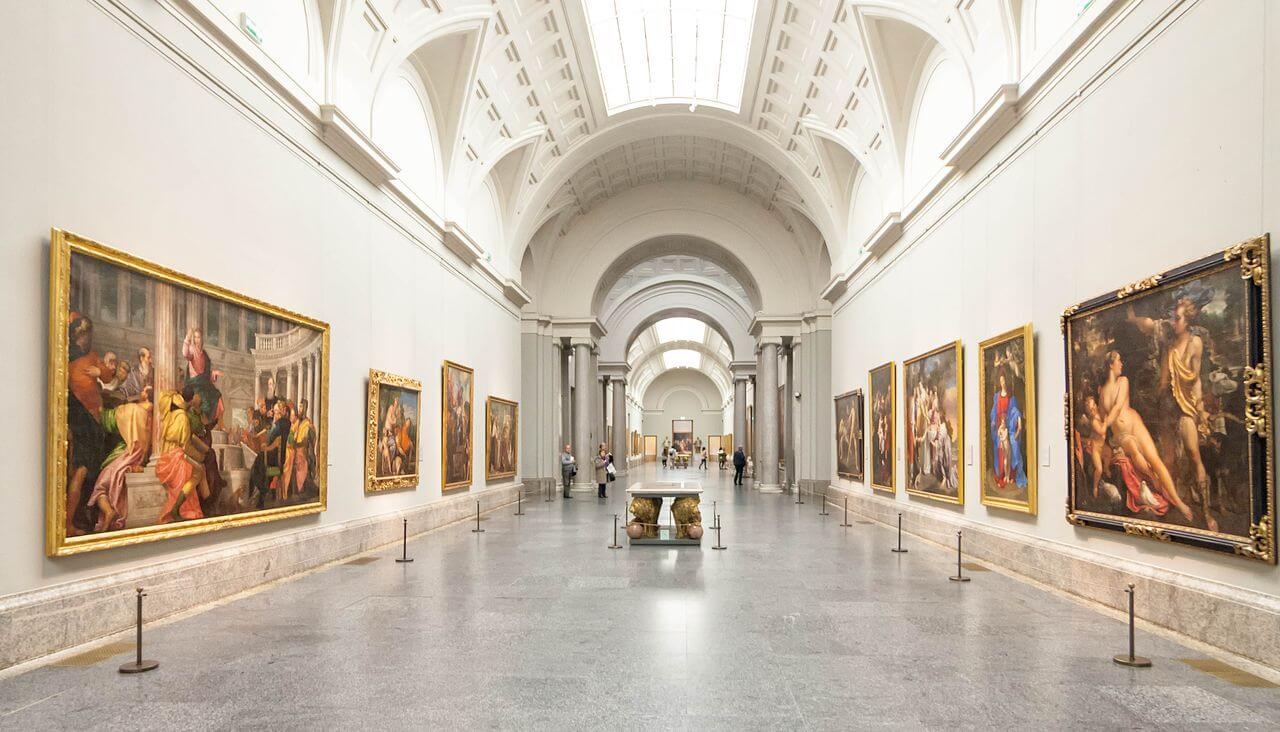
The pilgrimage starts at the Prado Museum. As one of the premier art institutions globally, it houses an unparalleled collection of works by El Greco, Velázquez, and Goya. It is not a place to be rushed; reserve at least a half-day to navigate its expansive halls.
A short stroll down the Paseo del Prado leads you to the Thyssen-Bornemisza Museum, which provides a bridge between the Renaissance and modern eras. Finally, complete the "Golden Triangle of Art" at the Reina Sofía, home to Picasso’s Guernica. Even for the modern-art skeptic, the raw emotional power of this anti-war masterpiece is undeniable.
Day 2: The Grandeur of the Habsburg Era
On day two, step back into the 16th and 17th centuries in the Madrid de los Austrias. Begin at Puerta del Sol, the geographic heart of Spain. Here, you will find the "Kilometer Zero" plaque and the iconic El Oso y el Madroño (The Bear and the Strawberry Tree) statue.
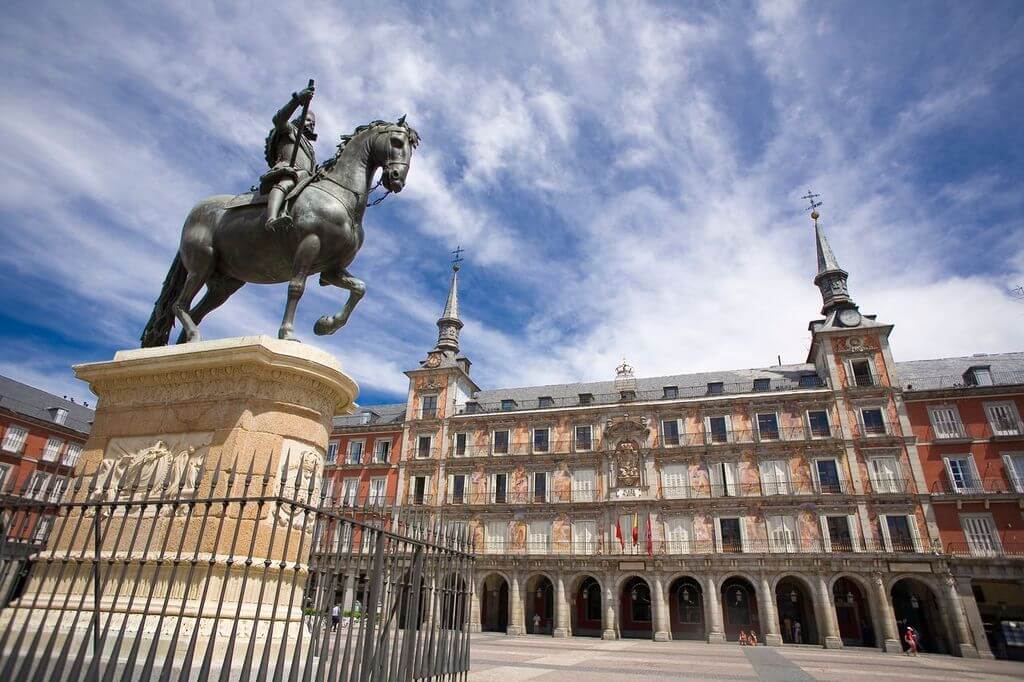
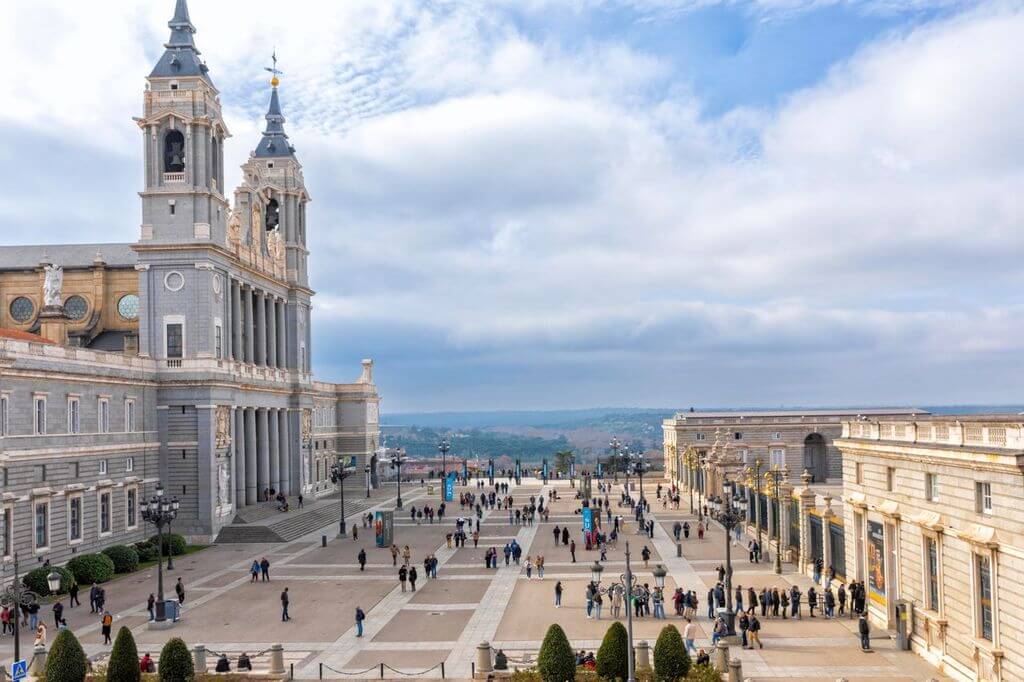
Continue to the Plaza Mayor, a monumental square that has served as the stage for everything from royal coronations to public executions. Today, it remains a bustling hub for social interaction. After a quintessential calamari sandwich in the nearby alleys, proceed to the Royal Palace. Boasting 3,400 rooms, this Baroque masterpiece offers a glimpse into the opulent history of the Spanish monarchy. End your day at the Almudena Cathedral, where the contrast between the Neo-Classical exterior and the atmospheric Neo-Romanesque crypt creates a hauntingly beautiful experience.
Day 3: A Culinary Pilgrimage
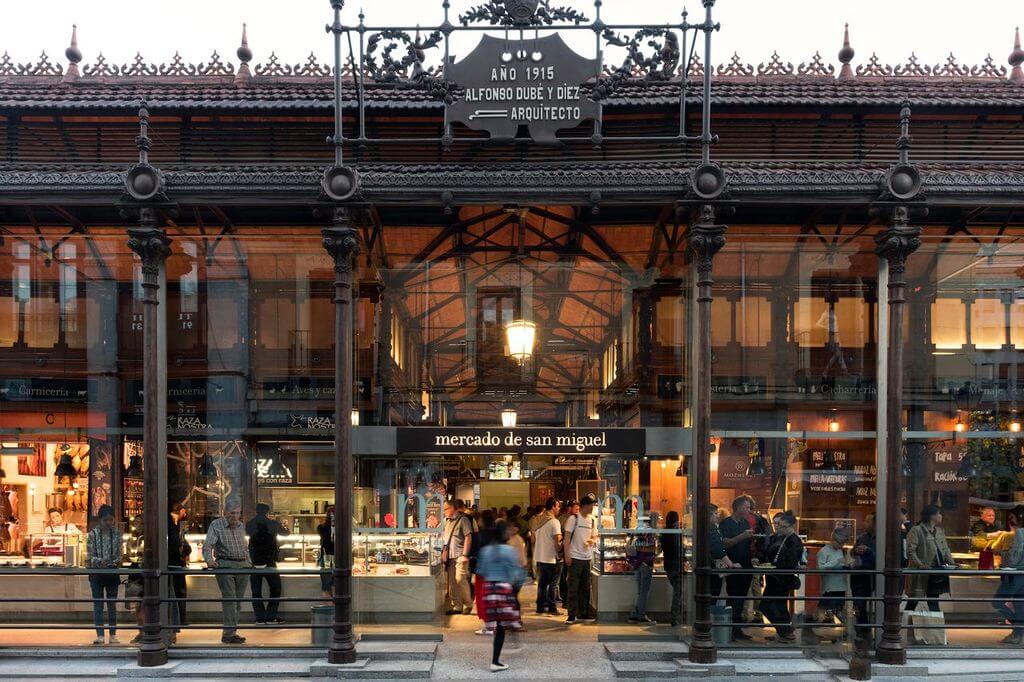
Madrid is a paradise for the epicurean. While food tours are popular, the city rewards the independent explorer. Start your morning at the Mercado de San Miguel, a glass-walled temple of gastronomy near Plaza Mayor. For a more local, gritty experience, the Mercado de San Antón in the Chueca neighborhood offers a deep dive into regional flavors.
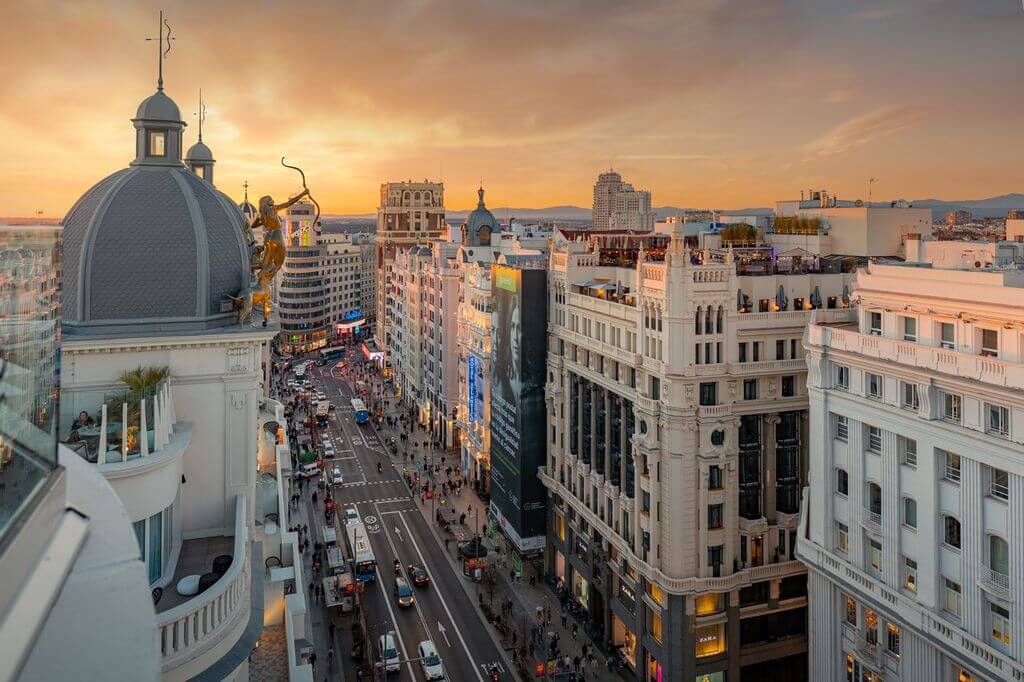
For dinner, you have two distinct choices: the historic Sobrino de Botín, recognized as the oldest restaurant in the world, or a "tapas crawl" through the historic streets of La Latina. As evening turns to night, ascend to the rooftop bars along the Gran Vía. Venues like the RIU 360º sky bar provide the perfect vantage point to watch the city lights flicker to life.
Day 4: UNESCO Wonders Beyond the Walls
Madrid’s influence extends far beyond its city limits. On your fourth day, venture into the surrounding province to witness the imperial legacy of Spain. The Monastery of San Lorenzo de El Escorial offers a somber, majestic look at the seat of power during the reign of Philip II. Alternatively, the Royal Palace and Gardens of Aranjuez provide a lush, Versailles-like experience, while the medieval university town of Alcalá de Henares offers an intimate look at the birthplace of Miguel de Cervantes.
Day 5: Hidden Treasures and Local Rhythms
Conclude your trip by exploring the city’s lesser-known monastic treasures, such as the Monastery of Las Descalzas Reales and the Royal Monastery of La Encarnación. These sites, once the refuge of noblewomen and the monarchy, now house breathtaking private art collections.
Finally, retreat to the Casa de Campo. Once a royal hunting ground, it is now the city’s largest public park. A sunset dinner on a lakeside terrace here, looking back at the silhouette of the Royal Palace, is the ultimate way to bid farewell to this historic capital.
Supporting Data: Why Madrid Dominates
The numbers support the anecdotal evidence of Madrid’s popularity. With over 10 million annual visitors, the city infrastructure has evolved to manage high volumes while maintaining its authentic charm. The "Landscape of Light" (Paisaje de la Luz) designation by UNESCO in 2021 was a turning point, signaling to the world that Madrid is not just a commercial hub, but a protected treasure of human heritage.
Furthermore, the city has successfully pivoted to become a leader in the plant-based movement. Neighborhoods like Malasaña now host an array of high-end vegetarian and vegan establishments, proving that traditional Spanish cuisine is capable of evolving without losing its cultural identity.
Official Perspectives and Implications
The local government of Madrid (Comunidad de Madrid) has prioritized the restoration of "House Museums" to diversify the tourism experience. By renovating sites like the Sorolla Museum—scheduled for a major reopening in 2026—the city aims to distribute visitor foot traffic away from the high-density museum districts and into the quieter, more intimate residential areas.
The implications for the traveler are clear: Madrid is no longer a "transit city" to be crossed on the way to the beach. It is a destination that demands multi-day engagement. By focusing on the city’s UNESCO status, its culinary evolution, and its commitment to preserving 17th-century architecture, visitors are helping sustain a unique ecosystem that balances hyper-modern nightlife with deep-rooted tradition.
Final Thoughts: Navigating the Capital
Planning a trip to Madrid requires a balance of logistical preparation and spontaneity. Utilize digital tools like Skyscanner for flight optimization and platforms like Hostelworld or Booking.com for accommodation that suits your budget. However, once you arrive, put the phone away. The beauty of Madrid lies in the paseo—the aimless, leisurely walk through history. Whether you are standing in the shadow of the Royal Palace or tucked away in a 17th-century wine cave, Madrid promises an experience that is as enduring as the city itself.