Pancreatic cancer has long been considered one of the most formidable adversaries in oncology. Characterized by its aggressive nature and a uniquely hostile tumor microenvironment, it has remained largely impervious to the revolutionary breakthroughs that have transformed treatments for cancers like melanoma and lung cancer. However, a landmark study conducted by researchers at the University of Chicago suggests that the solution to this "unmet medical need" may lie in an unexpected place: the microscopic world of probiotic bacteria.
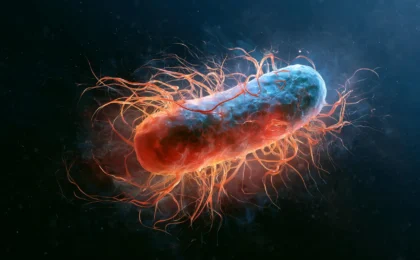
In a study published in Science Advances, a multi-disciplinary team of scientists unveiled "BifidoSumIL-2," an engineered strain of Bifidobacterium longum. By repurposing this common gut bacterium to act as a precision delivery vehicle, researchers have successfully navigated the "cold" tumor microenvironment of pancreatic cancer, delivering potent, immune-stimulating therapy directly to the heart of the malignancy.
The Challenge of the "Cold" Tumor
To understand the significance of this development, one must first understand the biological fortress that is a pancreatic tumor. Unlike "hot" tumors, which are heavily infiltrated by immune cells, pancreatic tumors often create a "cold" microenvironment. This environment acts as a physical and chemical barrier, effectively blinding the immune system to the presence of cancer cells.
Conventional immunotherapy, such as checkpoint inhibitors, often fails in these patients because the immune system simply cannot penetrate the tumor’s defenses. Even when powerful systemic drugs like Interleukin-2 (IL-2) are used to "wake up" the immune system, they often fail to concentrate at the tumor site. Instead, they circulate throughout the body, causing toxic side effects and inadvertently stimulating regulatory T cells—cells that, counterproductively, dampen the immune response.
The University of Chicago team sought to circumvent these systemic failures by engineering a biological "Trojan Horse" capable of finding the tumor, infiltrating its low-oxygen core, and manufacturing the therapeutic agent on-site.
Chronology: From Concept to Breakthrough
The journey to creating BifidoSumIL-2 was a multi-year effort that required the convergence of synthetic biology, immunology, and oncology.
- Phase 1: Identifying the Vector. The team selected Bifidobacterium longum due to its innate preference for anaerobic (low-oxygen) environments. Because solid tumors are notoriously oxygen-deprived, the bacteria naturally migrate toward them while being rapidly cleared from oxygen-rich healthy tissues.
- Phase 2: Molecular Engineering. The researchers modified the bacteria to produce "SumIL-2," a custom-engineered version of the immune-signaling molecule IL-2. SumIL-2 was designed to prioritize the activation of cancer-killing CD8+ T cells while avoiding the stimulation of regulatory T cells that often undermine traditional therapies.
- Phase 3: Optimization. Engineering Bifidobacterium presented a significant hurdle. Unlike E. coli, which is a well-understood model organism, Bifidobacterium is slow-growing and genetically recalcitrant. The team spent considerable time refining the genetic tools required to reliably edit the bacterium without compromising its viability.
- Phase 4: Preclinical Validation. Once the system was perfected, the team tested BifidoSumIL-2 in animal models. The results showed that the engineered bacteria preferentially gathered in the tumor, stimulated a robust immune response, and successfully slowed tumor growth.
Supporting Data: Synergy and Efficacy
The study’s most compelling findings relate to the synergy between BifidoSumIL-2 and existing standard-of-care treatments. In preclinical trials, the researchers observed that the bacterial therapy did not merely act as a standalone agent; it acted as a catalyst.
When BifidoSumIL-2 was administered in conjunction with chemotherapy, radiation therapy, or anti-PD-L1 immunotherapy, the results were significantly better than any single treatment modality. The bacterial therapy effectively "primed" the tumor microenvironment, making it more susceptible to these traditional treatments. Specifically, the data showed:
- Enhanced T-cell Infiltration: The treatment increased the density of CD8+ T cells—the "soldiers" of the immune system—within the tumor core.
- Increased Tumor Control: Combination therapy led to superior tumor regression and significantly longer survival rates compared to monotherapy.
- Safety Profile: Because the bacteria are naturally cleared by the immune system in healthy tissues where oxygen is abundant, the treatment demonstrated a favorable safety profile in initial models, avoiding the systemic toxicity typically associated with high-dose IL-2.
Official Perspectives: A Call for Interdisciplinary Innovation
The success of this study is being hailed as a triumph of collaborative science. Ralph Weichselbaum, MD, the Daniel K. Ludwig Distinguished Service Professor and Chair of Radiation and Cellular Oncology at the University of Chicago, emphasized the difficulty of the task.
"A big unmet medical need has been pancreatic cancer, and so that was going to be our mountain to climb," Dr. Weichselbaum stated. He highlighted the versatility of the findings, noting, "This combination potential is one of the study’s most important findings; BifidoSumIL-2 not only works by itself—it works with radiotherapy, chemotherapy, and immunotherapy."
Mark Mimee, PhD, Assistant Professor of Microbiology at the University of Chicago, echoed the importance of the team’s interdisciplinary nature. "This was a highly interdisciplinary effort," Mimee noted. "We had to bring together people who understand bacteria, people who understand tumors, and people who understand the immune system to make something like this possible."
The researchers acknowledge that the path forward is complex. The work has moved from the laboratory to animal models, but human clinical trials remain the ultimate benchmark for success. Future studies will need to address several critical questions:
- Long-term Safety: Ensuring the stability of the engineered bacteria in the human body.
- Delivery Mechanisms: Exploring whether the bacteria can be administered orally rather than through injection.
- Broadening Scope: Investigating whether this platform can be combined with newer, targeted therapies such as KRAS inhibitors.
Implications: The Rise of "Bugs as Drugs"
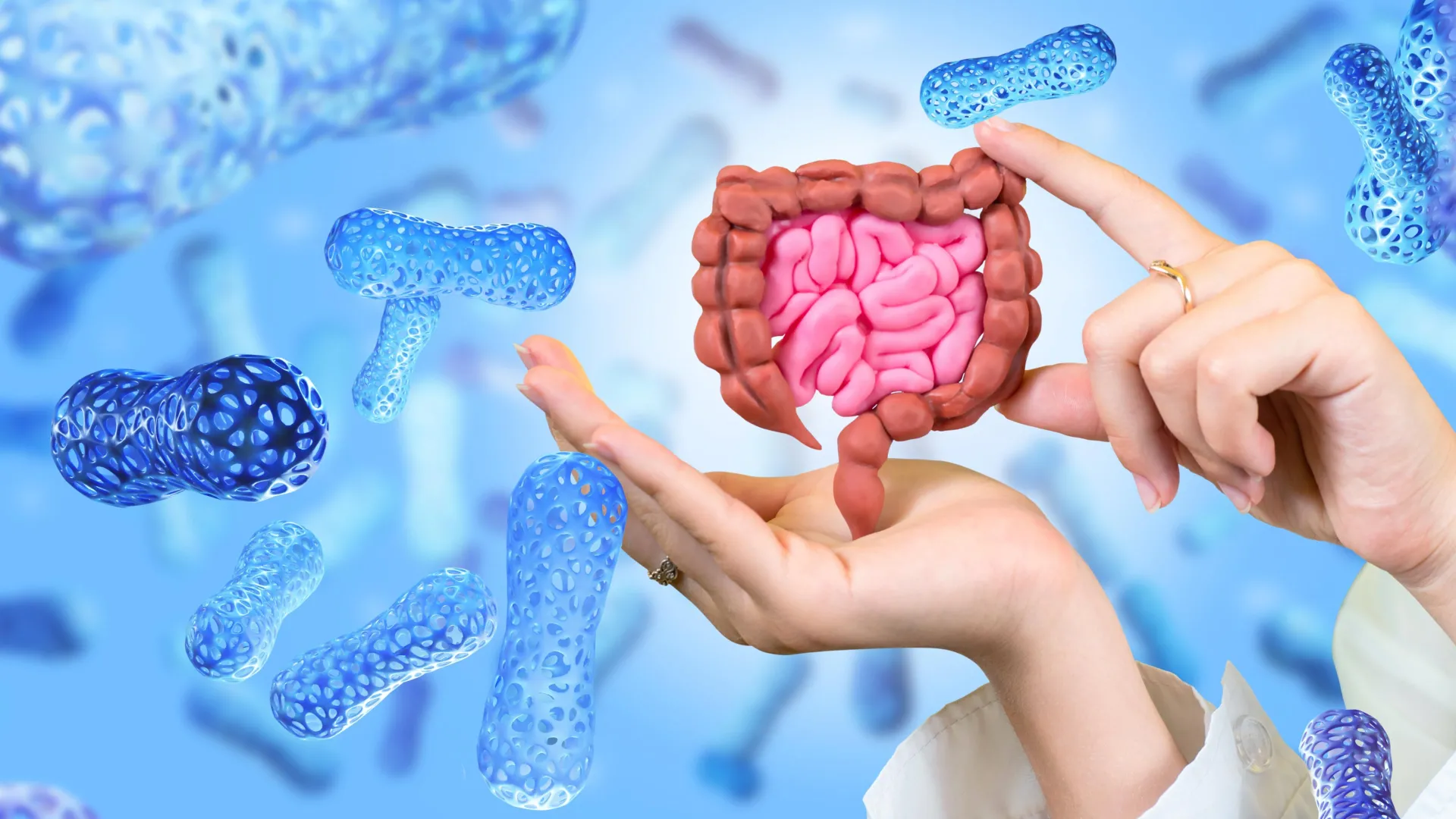
The BifidoSumIL-2 project is part of a broader, rapidly expanding field known as "bugs as drugs." This strategy leverages the ancient relationship between humans and bacteria, re-engineering the latter to function as living, intelligent drug-delivery systems.
By producing therapeutic molecules in situ—right where they are needed—scientists can effectively decouple the efficacy of a drug from its systemic toxicity. This is a paradigm shift. Instead of flooding the entire patient’s body with a powerful, often toxic, immune stimulant, the treatment is "manufactured" exclusively within the tumor.
The implications for oncology are vast. If this approach can be successfully translated to human trials, it could change the management of not just pancreatic cancer, but other solid tumors that have similarly resisted current immunotherapies.
A Future of Integrated Care
As research moves forward, institutions like UChicago Medicine are preparing for the next generation of cancer care. With the upcoming opening of the AbbVie Foundation Cancer Pavilion in 2027, the focus remains on bridging the gap between translational discoveries and clinical reality. The pavilion is designed specifically to integrate advanced diagnostics and innovative treatments, providing a centralized hub for the kind of "big-picture" science that made the BifidoSumIL-2 study possible.
While the "mountain" of pancreatic cancer has not yet been fully conquered, the integration of microbiology and oncology has provided the field with a new, sophisticated tool. The prospect of using our own gut bacteria to fight our most deadly diseases represents one of the most promising frontiers in modern medicine, turning a humble probiotic into a high-tech weapon in the fight for life.
Study Reference: Lee, J., Yang, K., Nowicki, C., et al. "Engineered probiotic Bifidobacterium for tumor-targeted pancreatic cancer therapy." Science Advances.
Funding: Supported by the Ludwig Foundation and the National Institutes of Health.