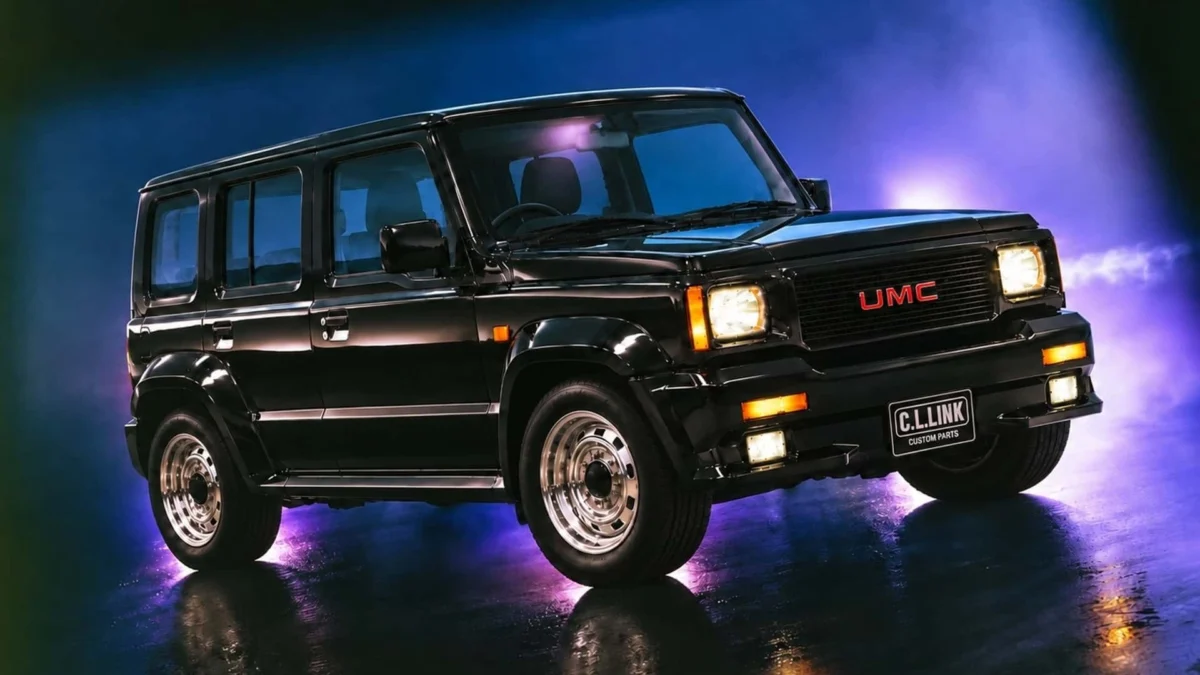
The automotive aftermarket world is no stranger to bold reimaginations, but few projects manage to bridge the gap between distinct cultural aesthetics as effectively as the latest endeavor from Hiroshima-based tuner C.L.Link. In a move that has sent ripples of nostalgia through the enthusiast community, C.L.Link has partnered with automotive personality Ryo Ishikawa to unveil a comprehensive transformation of the Suzuki Jimny Nomade. By abandoning the vehicle’s contemporary, rounded features in favor of a sharp, boxy aesthetic, the build intentionally channels the raw, utilitarian spirit of 1990s American SUVs—specifically the legendary GMC Typhoon.
While Suzuki has remained characteristically silent regarding this unofficial aftermarket modification, the project has already garnered significant attention as a masterclass in restomod design. Scheduled for a full public unveiling at the Tokyo Auto Salon 2027, the project represents a bold departure from traditional Japanese kei-car styling, instead opting for an homage to the "sport-truck" era of American automotive history.
A Chronology of the Build: From Concept to Tokyo Auto Salon
The project’s genesis was announced on October 6, 2026, marking the start of a multi-month development phase leading up to the Tokyo Auto Salon. C.L.Link, a name synonymous with high-quality components for the Suzuki Jimny and Toyota Land Cruiser, aimed to move beyond simple bolt-on accessories to create a cohesive design language.
The development process was centered on the "Nomade" variant of the Jimny, a platform chosen for its inherent geometry. By late 2026, the team had finalized the fabrication of the custom front-end assembly, which serves as the primary visual anchor for the build. As the project moved into the final stages of fitment and testing in the winter of 2026, the team synchronized their marketing efforts to align with the January 2027 debut at Makuhari Messe. The Tokyo Auto Salon—the pinnacle of the Japanese tuner scene—provides the ideal stage for such a niche, visually striking project to meet the public.
Design Philosophy: The GMC Typhoon Influence
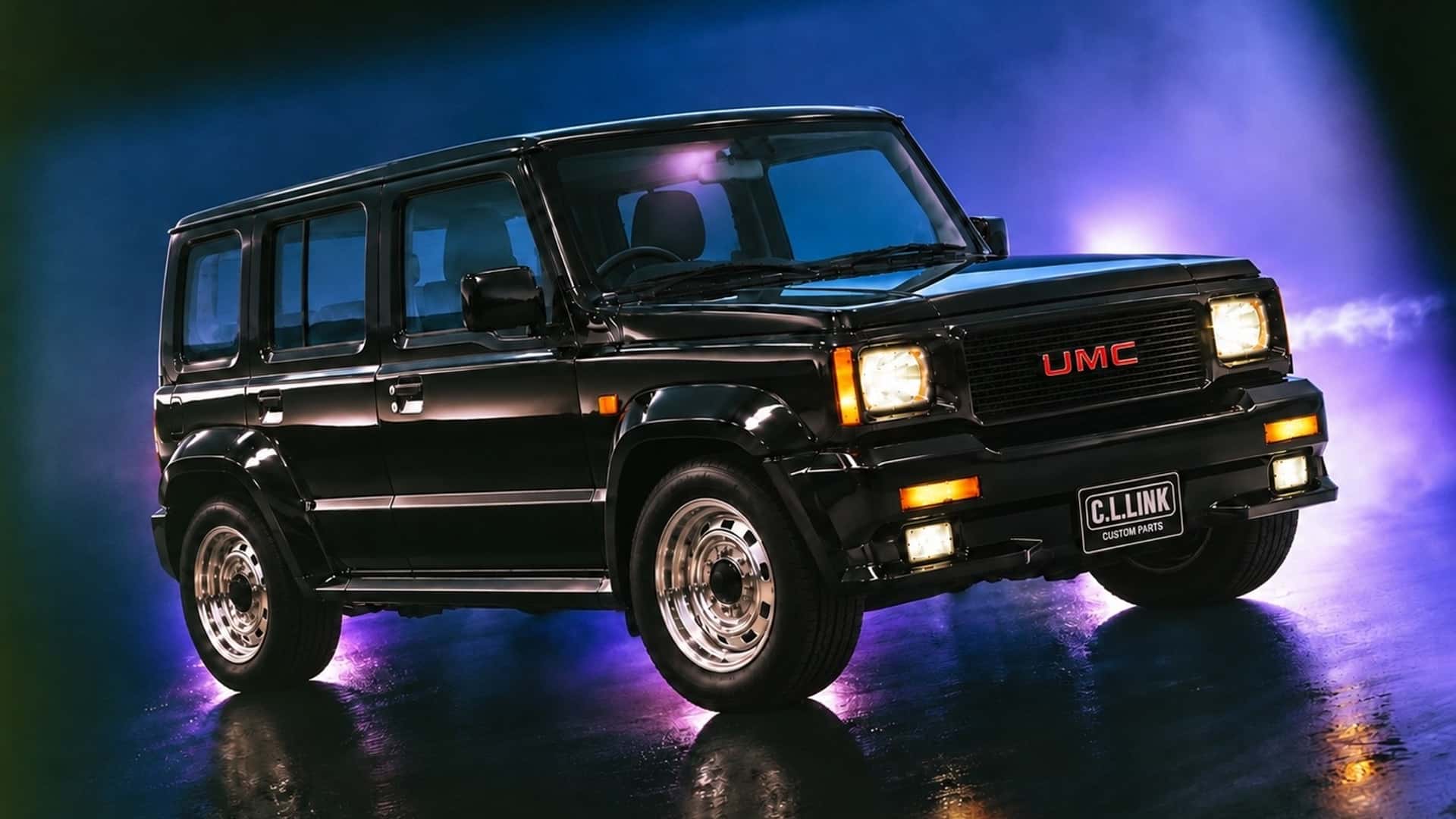
The centerpiece of this transformation is undeniably the front fascia. The stock Suzuki Jimny Nomade is defined by its approachable, round-headlight aesthetic, which aligns with modern safety and styling trends. C.L.Link’s intervention replaces these with a rectangular headlight configuration housed within a bespoke grille and bumper assembly.
The visual parallel to the 1992-93 GMC Typhoon is not accidental; it is a meticulously curated design choice. The GMC Typhoon, a high-performance variant of the GMC Jimmy, was an anomaly of the early 90s—an all-wheel-drive, turbocharged SUV that offered sports-car-killing acceleration in a boxy, muscular package. By adopting the Typhoon’s square-jawed, monochromatic look, the Jimny Nomade sheds its "cute" reputation for a more aggressive, performance-oriented stance.
C.L.Link went as far as to mirror the lighting and background of original GMC press photography in their own promotional imagery, signaling to enthusiasts that this project is intended to be a love letter to that specific era of American automotive engineering.
Mechanical Enhancements and Supporting Data
While the exterior is the immediate draw, the build is not merely cosmetic. C.L.Link has focused on enhancing the driving dynamics to match the new, purposeful aesthetic.
Suspension and Handling
To achieve the "performance SUV" look, the suspension has been lowered by approximately one inch. This was accomplished using Eibach coil springs paired with specialized Bilstein dampers. This selection is critical; it provides the lowered center of gravity required for a more planted, aggressive look while maintaining the Jimny’s legendary suspension articulation and off-road capability. The goal was a "firm but forgiving" ride, balancing the requirements of daily commuting with the occasional trail excursion.
Wheel and Tire Selection
The rolling stock has been upgraded to C.L.Link’s proprietary Union Rim TX 16-inch wheels. These wheels provide a period-correct, industrial aesthetic that complements the square front end. They are wrapped in Toyo Open Country H/T II tires, sized 215/70R16. This choice of tire is significant: it offers an all-terrain capability that maintains the Jimny’s off-road heritage while providing a quiet, composed on-road experience that mirrors the performance aspirations of the original GMC Typhoon.
Rear-End Styling
The rear of the vehicle has undergone a "smoothing" process. A body-color panel replaces the standard trim, cleaning up the lines significantly. The addition of smoked taillights, custom red reflector lenses, and a dedicated C.L.Link emblem provides a cohesive, premium finish. Finally, the installation of a C.L.Link Type 1 rear muffler ensures that the exhaust note provides a subtle, deeper tone, rounding out the sensory experience of the vehicle.
Official Responses and Manufacturer Stance
As is standard practice for major automotive manufacturers, Suzuki has not issued an official statement regarding the C.L.Link project. The Jimny Nomade remains a highly popular platform for third-party modification, and manufacturers generally maintain a policy of "non-interference" with aftermarket shops unless intellectual property rights or safety standards are explicitly violated.
For the enthusiast, this silence is an endorsement of sorts. It allows the aftermarket community to flourish without the constraints of corporate oversight, enabling designers like Ryo Ishikawa to push the boundaries of what is possible with a factory-produced platform.
Broader Implications for the Tuning Industry
The C.L.Link Nomade project signals a shift in the Japanese tuning landscape. For years, the focus has been on extreme off-road modifications—think oversized tires, lift kits, and exoskeleton roll cages. However, this project suggests a return to "street-style" builds, where aesthetic refinement, period-correct influences, and balanced handling take center stage.
The "Retro-Modern" Trend
This build is a prime example of the "Retro-Modern" trend, where designers take a modern vehicle and apply a historical lens. By successfully blending the reliable, compact architecture of the modern Jimny with the aggressive, boxy silhouette of a 1990s American icon, C.L.Link has created a vehicle that appeals to two distinct demographics: the modern Suzuki enthusiast and the aging gearhead who misses the golden era of the 90s SUV.
Market Potential
The commercial implications of this build are significant. By leveraging their existing catalog of parts and focusing on a high-visibility debut at the Tokyo Auto Salon, C.L.Link is positioning itself to capture a significant portion of the Jimny customization market. The question of whether these kits will be sold as a complete, "turn-key" package or as individual components remains to be seen. Given the level of coordination required to install the new front bumper and grille, a comprehensive kit seems the most likely path to ensuring the high level of fit and finish that the shop is known for.
Looking Toward 2027: The Future of the Jimny
As the calendar turns toward the January 2027 opening of the Tokyo Auto Salon, the automotive world waits with bated breath to see the Nomade in the metal. The project serves as a testament to the versatility of the Jimny platform. Whether it is being transformed into a rugged, mud-crawling overlander or a sleek, 90s-inspired street machine, the Jimny remains a blank canvas for the world’s most creative builders.
This project also highlights the importance of partnerships. The collaboration between C.L.Link’s engineering prowess and Ryo Ishikawa’s eye for design has resulted in a vehicle that is more than the sum of its parts. It is a coherent, thoughtful, and daring departure from the norm.
As the industry moves toward electrification and autonomous driving, projects like this remind us of the enduring appeal of the internal combustion engine and the joy of mechanical modification. The square-headlight conversion is more than just a cosmetic change; it is a statement about the power of design to evoke emotion and the ability of the aftermarket to keep the spirit of automotive enthusiasm alive, one bolt at a time.
For those planning to attend the Tokyo Auto Salon, the C.L.Link booth will undoubtedly be one of the most frequented displays. It will serve as the ultimate proving ground for a project that has managed to look back at the past while simultaneously pushing the future of Suzuki tuning into new and exciting territory.