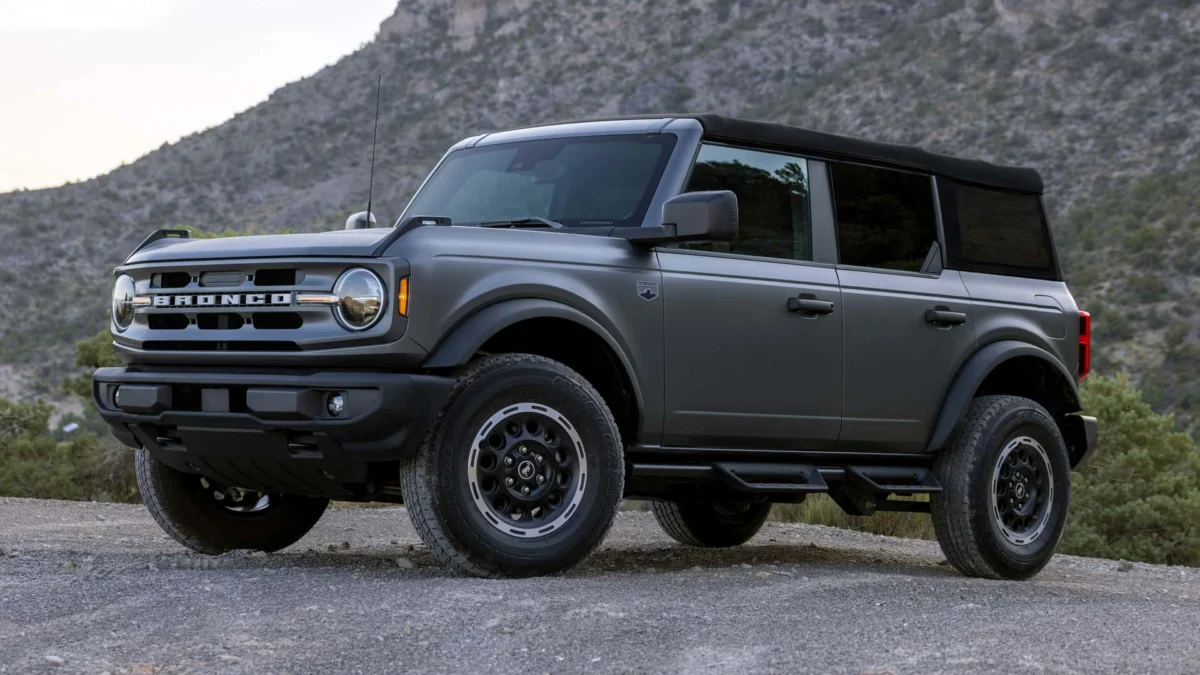
In a significant move highlighting ongoing quality control challenges within the automotive industry, Ford Motor Company has announced two separate recall campaigns impacting approximately 770,000 vehicles. The recalls, which span a diverse range of trucks and SUVs, address two distinct mechanical safety issues: potential transmission failures that could lead to unintended vehicle rollaway and defective fender flares on the Bronco that pose a risk of detachment.
These safety actions represent the latest chapter in a difficult year for the Dearborn-based automaker, which continues to lead the industry in total recall volume. With these latest announcements, Ford has now issued 53 recalls in the current calendar year, affecting more than 11 million vehicles.
The Transmission Recall: A Risk of Unintended Rollaway
The more critical of the two campaigns involves 741,195 vehicles, including some of Ford’s most popular models. The recall affects the 2021 Ford F-150, the 2020-2021 Lincoln Aviator, the 2020-2021 Ford Explorer, the 2018-2021 Lincoln Navigator, and the 2018-2021 Ford Expedition.
Technical Root Cause
The core of the issue lies in the vehicle’s transmission valve body separator plate. Engineering analysis has determined that this component can limit hydraulic flow to the park valve under specific shifting conditions. Consequently, the vehicle’s transmission may inadvertently attempt to engage the parking pawl while the vehicle is still in motion.
If this happens, the mechanical stress can severely damage the parking components. Once these internal parts are compromised, the transmission may be unable to effectively secure the vehicle when the driver shifts into "Park." As a result, the vehicle could roll away unexpectedly, even if the driver believes the transmission has safely locked the wheels.
Human and Property Impact
The severity of this defect is underscored by reports of actual incidents. Ford has disclosed that it is currently aware of 24 reports of property damage, seven reports of physical injuries, and two reports of emotional distress that may be linked to this transmission fault. These figures serve as a sobering reminder of why the National Highway Traffic Safety Administration (NHTSA) prioritizes rollaway risks, which can occur in residential driveways or public parking lots with little warning.
The Remediation Plan
Ford’s corrective action for this issue is a two-pronged approach. First, dealers will install updated Powertrain Control Module (PCM) software. This software patch is designed to prevent the transmission from executing the specific shift commands that could trigger the engagement of the parking pawl while the vehicle is moving. Second, service technicians will perform a physical inspection of the transmission and, if damage is detected, replace the affected parking components at no cost to the vehicle owner.
The Bronco Fender Flare Recall: Quality Control Failures
While the transmission recall addresses mechanical safety, the second recall focuses on a structural issue involving the 2022-2026 Ford Bronco. This campaign, which impacts 36,046 units, centers on the fender flares, which may be prone to detaching from the vehicle body.
Supplier Tooling and Production Defects
The root cause of the Bronco issue has been traced back to the supplier level. According to internal reports, the tooling used to manufacture the fenders was not properly maintained. This lapse resulted in attachment holes that were incorrectly sized, often containing burrs or stray fibers. Because the holes were not manufactured to specifications, the fender flares cannot fully seat or lock into place during the assembly process.
Symptoms and Safety Implications
Owners of affected Broncos may notice visual indicators before a total detachment occurs. Common symptoms include visible gaps between the fender flare and the vehicle body, sagging components, or general misalignment. Furthermore, as the clips lose their retention capability, drivers may hear audible warnings such as rattling, clicking, or a flapping sound originating from the wheel wells.

If a fender flare detaches while the vehicle is in motion, it creates a road hazard for other drivers and pedestrians. Ford has acknowledged the severity of the issue, noting that it has already received 370 warranty claims, 36 field reports, and two direct customer reports regarding the loose or missing components.
Corrective Measures
Ford will address the Bronco recall by replacing the existing, compromised fasteners with new, properly functioning push pins. In instances where the fender flare has already detached or is otherwise damaged, the dealership will provide a full replacement of the part to ensure a secure fit.
Chronology of the Recalls
The timeline for these recalls underscores the lag between initial manufacturing and the discovery of fleet-wide defects.
- Manufacturing Window: The affected vehicles span several production years, with the transmission issues dating back to 2018 models and the Bronco issues encompassing the 2022-2026 production run.
- Discovery Phase: As reports of property damage and warranty claims trickled into the automaker’s database, safety engineers began internal investigations to determine if these were isolated incidents or systemic manufacturing flaws.
- Notification Phase: Once the defect was confirmed, Ford worked in conjunction with federal regulators to file the official recall reports, initiating the formal process of notifying owners.
Implications for Ford and the Industry
The sheer volume of these recalls highlights a broader challenge for Ford. Despite significant investment in advanced manufacturing and "over-the-air" update capabilities, the company continues to grapple with hardware-related quality issues.
The Cost of Quality
For Ford, the financial implications are twofold. First, there is the direct cost of the recall campaigns—parts, labor, and administrative overhead. Second, there is the reputational cost. When a company issues 53 recalls in a single year, it risks eroding consumer trust. For a brand that relies heavily on the loyalty of truck and SUV owners, maintaining the perception of reliability is paramount.
Industry-Wide Trends
Ford is not alone in its struggles. The automotive industry is currently facing a period of intense scrutiny from regulators regarding vehicle safety. From Hyundai’s instrument display issues to Land Rover’s airbag recalls, automakers are finding that as vehicles become more complex—integrating sophisticated software with legacy mechanical systems—the potential for "cascading failures" increases.
What Consumers Should Do
For owners affected by these recalls, the process is straightforward but requires action.
- Check Your VIN: Owners should visit the NHTSA website (nhtsa.gov/recalls) or Ford’s owner portal to enter their Vehicle Identification Number (VIN) and confirm if their specific vehicle is included.
- Schedule Service: Once notified, owners should contact their local dealership as soon as possible to schedule the necessary repairs.
- Monitor Symptoms: For Bronco owners, pay close attention to any noise or visible misalignment around the fenders. For those affected by the transmission recall, utilize the parking brake every time the vehicle is placed in "Park" as a redundant safety measure until the software update is applied.
Conclusion
The dual recall of 770,000 Ford vehicles serves as a critical reminder of the importance of rigorous quality control in the automotive supply chain. Whether it is the microscopic burrs in a plastic fender hole or the logic flow in a transmission controller, small defects can lead to significant safety hazards.
As Ford moves forward with these repairs, the focus will likely shift toward improving supplier oversight and internal testing procedures. For the millions of Ford owners across the country, the message remains clear: when a recall notice arrives, it is not just a bureaucratic notification, but a vital step in ensuring the safety of the driver, passengers, and the public at large.