For generations, the debate surrounding coffee consumption has been binary: can you fall asleep after a late-afternoon espresso, or are you doomed to spend the night staring at the ceiling? It is a question of latency—the time it takes to drift off. However, a growing body of neuroscientific research suggests that focusing solely on sleep onset is a fundamental misunderstanding of how caffeine interacts with the human brain.
As researchers peer deeper into the architecture of sleep, they are discovering that caffeine’s most profound effects occur not when we are trying to fall asleep, but during the hours we believe we are resting most soundly. The implications of these findings are significant, suggesting that millions of people may be trapped in a physiological "debt cycle," where caffeine provides the illusion of alertness while silently sabotaging the biological recovery essential for long-term health.
The EEG Revolution: Looking Beyond the Clock
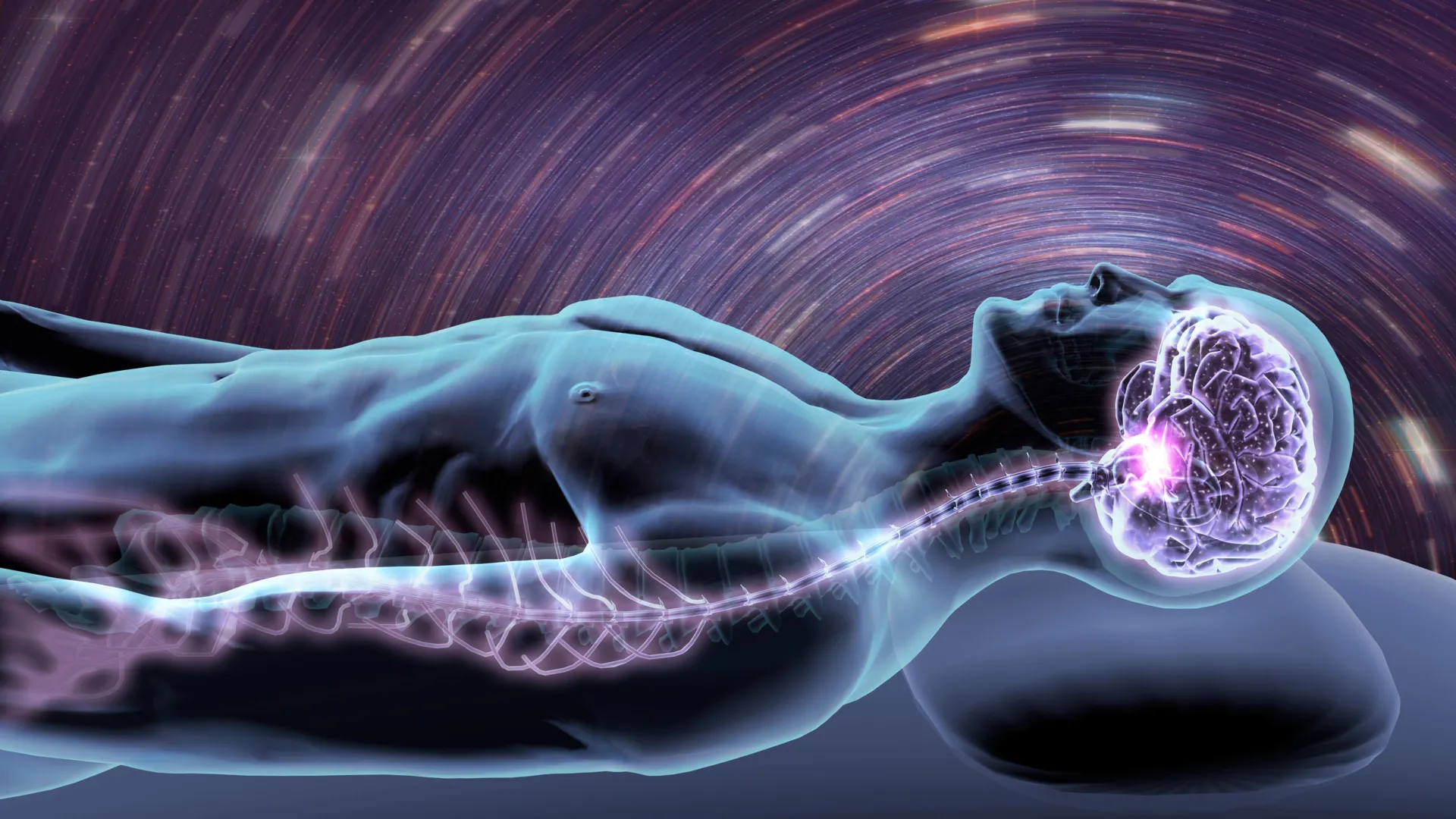
To understand how caffeine alters the landscape of our rest, scientists have moved beyond simple sleep logs and wearable trackers. The gold standard in this research is electroencephalography (EEG), a sophisticated method of recording electrical activity in the brain.
While traditional sleep tracking—often found in consumer smartwatches—measures duration and gross movement, it remains blind to the "micro-architecture" of sleep. It can tell you that you were in bed for eight hours, but it cannot tell you what the brain was actually doing during that time.
"EEG allows us to see not only whether a person is sleeping, but also how the brain is sleeping," explains Prof. Donata Kurpas of the Department of Nursing at Wroclaw Medical University. "Classical sleep assessment looks at duration and broad stages, whereas quantitative EEG analysis reveals subtle, high-resolution changes, such as reduced slow-wave activity, which is a vital marker of sleep depth and restorative character."
The Science of Slow-Wave Sleep
Slow-wave sleep (SWS), often referred to as deep sleep or "Stage N3," is the heavy lifting of the human sleep cycle. It is during this phase that the body undergoes essential physical repairs, clears metabolic waste from the brain, replenishes neurotransmitter stores, and consolidates memory.
When an EEG records a healthy brain in deep sleep, it displays high-amplitude, slow-frequency waves. These waves are the signature of a brain that is successfully offloading the stress of the day. However, caffeine acts as an adenosine receptor antagonist. By blocking the molecules that signal to the brain that it is time to sleep, caffeine creates a neurochemical environment that pushes the brain toward a state of heightened excitability—even while the person remains unconscious.
The "Invisible" Disruption: Why You Feel Fine But Aren’t
One of the most concerning aspects of caffeine’s impact is its deceptive nature. A regular coffee drinker might successfully fall asleep within minutes of hitting the pillow and may not wake up until their alarm rings seven or eight hours later. Subjectively, they feel they have had a "full night’s sleep."
Yet, the EEG tell a different story. "Even when sleep duration appears normal, caffeine may reduce slow-wave activity and shift the EEG pattern toward a more ‘wakeful’ brain," says Prof. Kurpas.
In practical terms, this means that while the body is physically immobile, the brain is failing to enter the deepest, most restorative stages of sleep. The individual has spent eight hours in bed, but they have not achieved eight hours of neurological recovery. Because this disruption does not necessarily trigger an awakening—the person doesn’t "toss and turn" or remember waking up—they are often entirely unaware that their sleep quality has been compromised. The "feeling" of having slept well, the experts note, is not a reliable metric for the physiological quality of that sleep.
The Biological Lottery: Why Responses Vary
If caffeine is a potent stimulant, why does a double espresso leave one person jittery and anxious while another can drink a latte at 9:00 PM and sleep like a log?
The answer lies in the complex interplay of genetics, metabolism, and lifestyle. Caffeine metabolism is primarily handled by the CYP1A2 enzyme in the liver. Genetic variations determine how quickly or slowly an individual breaks down caffeine. "Slow metabolizers" may find that a cup of coffee at breakfast is still circulating in their bloodstream twelve hours later, actively interfering with the onset of deep sleep cycles that night.
Furthermore, the "caffeine threshold" is dynamic. Factors such as age (as we age, our ability to metabolize stimulants changes), chronic stress, and baseline fatigue levels all play a role. Prof. Kurpas emphasizes that the focus should not be on the single cup of coffee at 4:00 PM, but on the cumulative total. "It is not only about coffee consumed just before bedtime," she says. "For some people, the total amount of caffeine consumed during the day and whether the body has enough time to clear it before nightfall is what truly dictates the impact on sleep."
The Vicious Cycle: Borrowing Energy
For professionals in high-stress fields—athletes, surgeons, software engineers, and shift workers—caffeine is often viewed as a "performance tool." It is a means to bypass the natural limits of human stamina. However, this is where the danger of the "vicious cycle" begins.
When caffeine prevents deep, restorative sleep, the individual wakes up feeling unrefreshed, groggy, or "brain-fogged." To compensate for this lack of natural recovery, they reach for another dose of caffeine early in the morning. This provides the chemical kick necessary to function, but it further suppresses the body’s natural homeostatic drive for sleep.
Over time, this becomes a form of "borrowing energy." The person is effectively living on credit, tapping into energy reserves that their body has not had the chance to replenish because the "recharging" phase of the sleep cycle is being chronically disrupted.
"If caffeine helps a person function during the day while simultaneously worsening the quality of nighttime recovery, a vicious circle develops: greater fatigue, greater need for stimulation, and poorer sleep," Prof. Kurpas warns.
Shifting the Paradigm: From Duration to Depth
The medical community is currently undergoing a shift in how it views sleep disorders and health. For decades, the public health narrative was dominated by the "8-hour rule"—the idea that if you sleep for eight hours, you are healthy.
Modern sleep science is now pivoting away from duration as the primary metric. Instead, researchers are focusing on "sleep architecture." The question is no longer "How long did you sleep?" but rather "Did your brain achieve the necessary stages of sleep to perform its biological maintenance?"
This change in perspective has profound implications for how we view caffeine. It removes the moral judgment from the substance; caffeine is not "evil," and it is not inherently "bad." It is a powerful, biologically active pharmacological agent. Like any medication, its effects are entirely dependent on the individual: their dose, their timing, their personal physiology, and their current stress levels.
Moving Toward a Balanced Future
As we continue to navigate a world that demands high performance and constant alertness, the temptation to rely on stimulants will only grow. However, the emerging science suggests that we need to become more "caffeine-literate."
For the average consumer, this means observing the signs of poor sleep quality that go beyond simple insomnia. If you are sleeping for seven to eight hours but still waking up feeling unrefreshed, or if you find yourself dependent on caffeine to reach a baseline level of alertness, it may be time to reconsider the timing and volume of your daily consumption.
The objective of sleep science is not to eliminate coffee from the human experience, but to allow for an informed relationship with it. By understanding that our nighttime recovery is the foundation upon which our daytime performance is built, we can make choices that support—rather than hinder—the brain’s essential restorative work.
In the final analysis, the most effective "performance enhancer" remains a night of uninterrupted, deep sleep. When we trade that for a quick boost of caffeine, we aren’t getting more energy; we are simply moving the bill to a later date. And eventually, the body always collects.