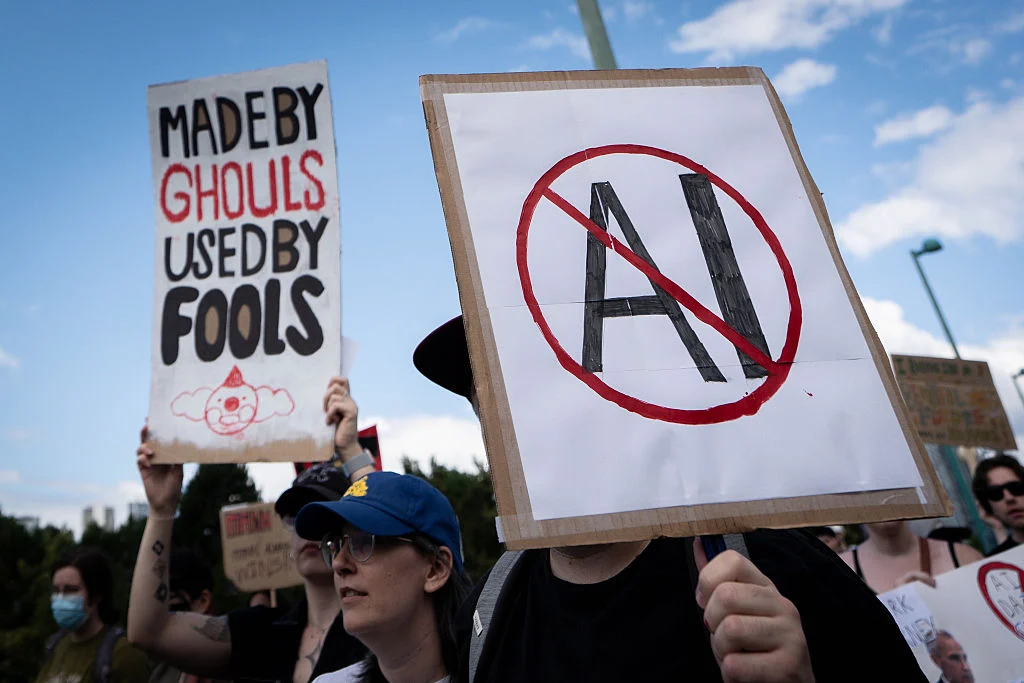
As the digital infrastructure of the 21st century expands at an unprecedented rate, the physical manifestation of the cloud—the massive, power-hungry data center—has become a flashpoint for local communities, environmentalists, and regulators alike. In a significant bid to stem a rising tide of public resentment, Amazon Web Services (AWS) CEO Matt Garman has announced that the cloud giant will cease the use of nondisclosure agreements (NDAs) when negotiating with government agencies for new data center projects.
This shift in corporate policy represents a rare, public-facing concession from one of the world’s largest tech companies. It comes at a moment when the industry is facing more than 100 legislative or regulatory moratoriums across the United States, signaling a widespread, grassroots-driven backlash against the rapid proliferation of artificial intelligence infrastructure.
The Architecture of Secrecy: Why NDAs Became a Target
For years, the standard playbook for data center development followed a predictable, often opaque pattern. Tech developers would secure permits, land deals, and tax incentives behind closed doors, often with local officials bound by strict confidentiality agreements. By the time community members learned of a project, the administrative wheels were already fully in motion.
This lack of transparency has drawn sharp rebukes from high-profile activists, most notably Erin Brockovich. In recent public statements, Brockovich highlighted that the primary grievance she encounters regarding data centers is a perceived lack of democratic process. She notes that projects are frequently unveiled as faits accomplis, with local residents feeling alienated by developers who refuse to engage and public officials who have signed away their right to disclose the details of the negotiations.
This "secrecy-first" approach has backfired. In New York, the public outcry reached a fever pitch, resulting in a one-year moratorium on all permits for large-scale data centers. For Amazon and its competitors, the threat is no longer just local annoyance; it is a structural barrier to growth.
Chronology: From Silent Growth to Regulatory Friction
The trajectory of the data center industry has moved from being a welcome source of tax revenue to a contested land-use issue in a remarkably short window of time.
- 2020–2023: The Silent Expansion: As AI demand surged, tech giants accelerated data center construction. Local governments, eager for investment, signed NDAs to keep projects confidential to prevent land price spikes and competitive interference.
- 2025: The Tipping Point: As power grid strain became evident and water consumption figures were scrutinized, local communities began to organize. Independent reports started linking data center energy loads to significant spikes in electricity rates.
- May 2026: The Transparency Call: Activists like Erin Brockovich brought national attention to the secrecy of these deals, turning "data center transparency" into a localized political issue across the U.S.
- July 2026: The New York Moratorium: New York state set a legal precedent by halting new large-scale data center permits for one year, providing a blueprint for other states facing similar pressures.
- August 2026: The Pivot: In an attempt to reset the narrative, Amazon CEO Matt Garman publishes a blog post addressing the "four big myths" of data centers and officially bans the use of NDAs in government dealings.
Data Center Myths: Amazon’s Case for Infrastructure
Garman’s recent blog post was not merely a policy update; it was a comprehensive defense of the industry. He explicitly addressed four pillars of the anti-data center movement: water usage, electricity costs, pollution, and community benefit.
Water Usage and the Sustainability Debate
Critics argue that the cooling requirements for AI servers place an unsustainable burden on local water tables. Garman countered this by citing internal Amazon reports, claiming that direct data center water consumption represents a mere 0.5% of total U.S. industrial water usage—a figure he characterized as negligible compared to sectors like agriculture or recreational facilities like golf courses.
However, independent scientists warn that this metric is misleading. Critics argue that Amazon’s "direct usage" count ignores the massive, indirect water footprint involved in the electricity generation needed to power those facilities and the intensive water requirements of the chip-manufacturing process. Without federal or state mandates for standardized reporting, the true "water cost" of AI remains a subject of intense scientific debate.
The Electricity Price Controversy
The economic argument for data centers is often centered on job creation and tax revenue. However, the cost of power has become a major sticking point. While Garman argued that electricity rates in many areas are rising due to aging infrastructure rather than data center demand, independent watchdogs tell a different story. Reports have recently identified data centers as the primary driver behind a 76% year-over-year price surge on one of America’s largest electrical grids.
The Pollution Question
Perhaps the most sensitive issue involves the diesel backup generators that ensure data centers remain online during power outages. Critics, including the NAACP in its ongoing litigation against SpaceX/xAI, argue that these generators pose a significant health risk to surrounding communities.
Amazon’s position is that these generators are essentially "idle assets," running for only about 10 hours per year for mandatory maintenance. Yet, the sheer scale of modern projects remains a point of contention. For instance, a planned Amazon site in Texas is permitted to emit 33 million tons of carbon dioxide annually—a volume that would surpass the emissions of any single power plant currently operating in the United States.
The Crisis of Trust: Implications for the Future
The core of the issue may extend beyond technical specifications and into the realm of social psychology. Anthropic CEO Dario Amodei recently characterized the current AI backlash as a "fundamentally a crisis of trust." When the public suspects that corporations and governments are acting in tandem to withhold information, they lose faith in the premise that these technologies are inherently beneficial.
Jasmine Sun, a writer and analyst on tech policy, notes that for many community members, the damage to trust is already done. Even when tech companies present data—as Garman has done—the immediate, reflexive response from opponents is often a flat, "I don’t believe them."
The Economic Stakes
Garman warned that if the trend of moratoriums continues, the U.S. risks losing its competitive edge in the global race for AI leadership. He emphasized that the consequences of stalling this infrastructure could last for generations. "As a country, we can’t afford to find ourselves in that position," he wrote.
However, the industry’s path forward likely requires more than just the end of NDAs. It will likely necessitate:
- Independent Oversight: Moving toward government-mandated, third-party reporting on energy and water consumption.
- Genuine Public Consultation: Engaging communities before project planning, rather than after.
- Grid Modernization: Shifting the burden of infrastructure upgrades from local ratepayers to the developers driving the demand.
Conclusion: A New Era for Big Tech?
Amazon’s decision to drop NDAs is a tacit admission that the old way of doing business is no longer tenable in a political climate defined by intense scrutiny. While the move is a victory for transparency advocates, it remains to be seen whether it will be enough to quell the widespread opposition.
The tech industry is currently learning a difficult lesson: that technological progress cannot be decoupled from social license. As these companies continue to build the digital backbone of the future, they will find that the speed of their development is now constrained not by the availability of capital or silicon, but by the strength of their social contract with the communities they occupy. Whether this latest pivot by Amazon is a genuine shift toward partnership or a temporary PR measure will be determined by the actions that follow in the coming months.