Executive Summary: A Controversial Crackdown at Sea
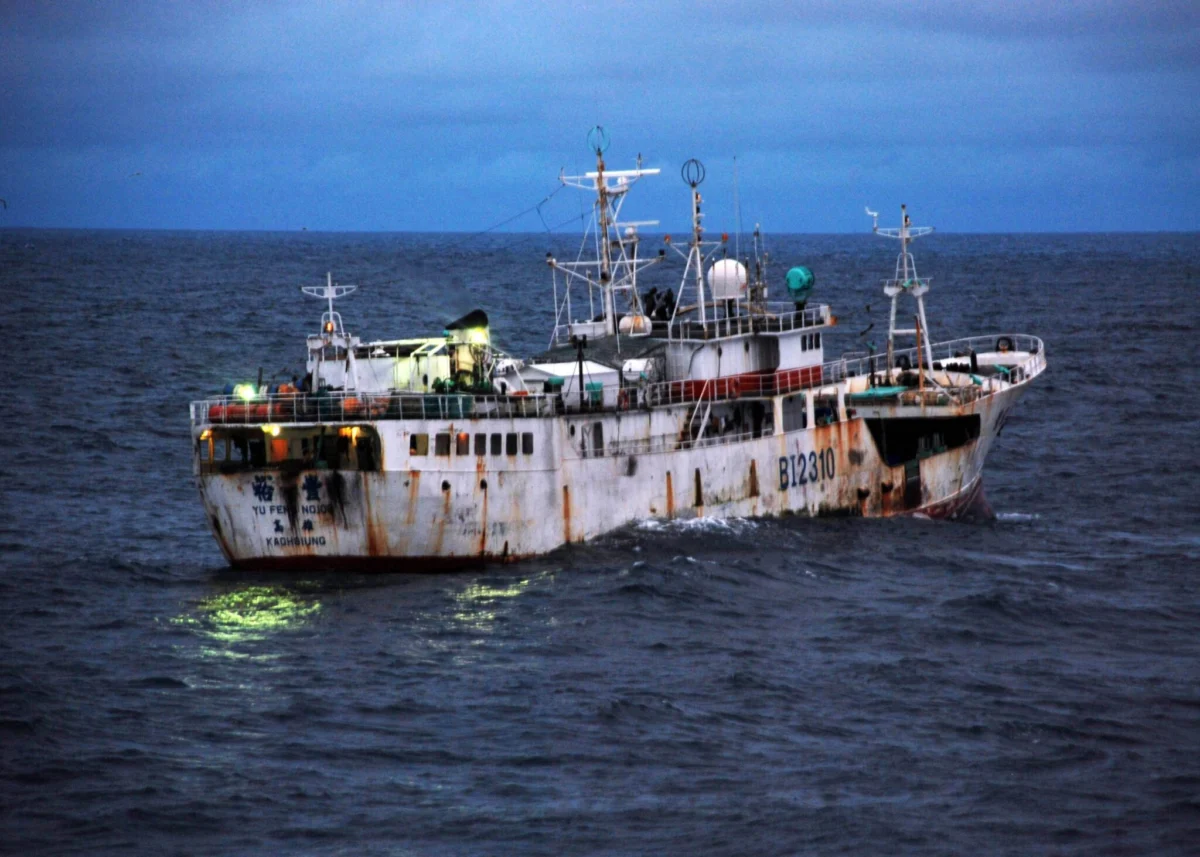
A series of high-stakes maritime operations conducted by United States forces in collaboration with the Ecuadorian government has ignited a firestorm of controversy. Between August 28 and September 16, 2026, US military units intercepted and subsequently destroyed eight Ecuadorian fishing vessels, detaining more than 140 of the 160 crew members on board.
The operations, ostensibly aimed at disrupting the supply chains of Los Choneros—a notorious Ecuadorian criminal organization accused of drug trafficking—have drawn sharp condemnation from Human Rights Watch (HRW). The advocacy group alleges that the operations, characterized by the destruction of evidence and the reported abuse of detainees, represent a significant departure from international legal standards. As the geopolitical landscape in the Pacific becomes increasingly militarized, the intersection of counter-narcotics policy and human rights is facing its most significant scrutiny in years.
Chronology of the Interdictions
The pattern of these operations became clear following the initial interception of the fishing vessel Los Tres Hermanos on August 28, 2026. According to testimony gathered by HRW, the engagement followed a consistent, aggressive protocol:
- August 28: The Los Tres Hermanos is intercepted. Crew members report being ordered to lie face down at gunpoint, restrained with zip ties, and transferred to the USS San Antonio.
- Late August – Mid-September: Seven additional vessels are intercepted. In each instance, the US forces reportedly utilized biometric data collection, metal handcuffs, and sensory deprivation (covering eyes and ears) for the detainees.
- September 28: A court in Manta, Ecuador, conducts trial testimony for 34 of the detained individuals.
- October 2: HRW publishes its formal findings, calling for an immediate investigation into the conduct of US and Ecuadorian forces.
- October 7 (Anticipated): A judicial ruling is expected regarding the 34 individuals currently undergoing trial in Manta.
Allegations of Abuse and Procedural Irregularities
The testimonies provided by 27 individuals—including captains, crew members, legal counsel, and family members—paint a harrowing picture of the boarding and detention process.
Physical and Psychological Treatment
Detainees from at least four vessels reported being kicked or struck by boarding parties. Many were held for extended periods without access to food, potable water, or sanitation facilities. A significant language barrier exacerbated the situation; crew members reported being barked at in English—a language few understood—and were allegedly subjected to psychological coercion. Several detainees claimed that interpreters relayed explicit threats, warning that their families would face severe repercussions if they did not confess to participating in fuel trafficking.
The Destruction of Evidence
A central point of contention in the HRW report is the immediate destruction of the fishing vessels by US forces. By sinking the boats, the military effectively liquidated the primary evidence that could have been used to determine whether the vessels were indeed "floating gas stations" for traffickers or legitimate commercial fishing operations.
Juanita Goebertus, HRW’s Americas director, emphasized the gravity of this tactical choice: "Intercepting fuel trafficking at sea may be an important step to stop criminal groups, but that doesn’t allow security forces to arrest people without evidence, destroy their vessels, or abuse them."
Official Responses and the Legal Battle
The legal standing of these operations is currently being litigated in real-time within the Ecuadorian judicial system, where courts have displayed a notable lack of consensus.
The US Stance
The US military, via United States Southern Command (SOUTHCOM), maintains that the vessels were active participants in a narco-terrorist logistics network. They have publicly categorized the missions as "interdictions of narco-terrorist refueling vessels." However, the US government has notably failed to produce public, verifiable evidence linking specific individuals to criminal activities.
The operations are part of a broader, controversial campaign of lethal strikes and interdictions across the Caribbean and eastern Pacific. The Biden administration has justified these actions under Title 10 military authority. This reliance on executive military power, rather than explicit congressional authorization, has triggered skepticism from lawmakers on both sides of the aisle, who question the constitutional basis for such aggressive, long-term maritime engagements.
The Ecuadorian Perspective
President Daniel Noboa has stood firm in his support for the joint operations, framing them as essential to his government’s "war" against domestic criminal syndicates. Despite this executive backing, the Ecuadorian judiciary has acted as a check on the military’s enthusiasm.
Ecuadorian judges in Manta and the Galápagos Islands have ruled that 56 of the arrests were entirely unlawful due to a total lack of evidence presented by the state. Furthermore, it was discovered that 14 individuals were held in custody without ever being brought before a judge, a direct violation of both Ecuadorian constitutional law and international human rights treaties. Currently, 90 of the detainees remain charged with "unlawful association" and are restricted from leaving the country while the legal proceedings grind on.
Implications: The Future of Maritime Security
The crisis involving the Ecuadorian fishermen highlights a systemic tension between national security objectives and the rule of law.
Erosion of Due Process
The use of biometric data collection without judicial oversight, combined with the destruction of property (vessels), creates an environment where the "guilty until proven innocent" paradigm becomes the operational default. When military forces bypass standard evidentiary requirements, the legitimacy of the entire anti-trafficking campaign is weakened, potentially turning local communities against security forces.
The "Security Over Human Rights" Dilemma
By prioritizing the rapid neutralization of suspected logistical hubs, the US and Ecuador have inadvertently created a vacuum of accountability. If the goal is to dismantle Los Choneros, the current strategy appears to be hitting the low-level operators—many of whom may be simple laborers—while the legal ambiguity surrounding their arrest undermines the moral high ground required for sustainable counter-narcotics success.
Call to Action
Human Rights Watch has issued a tripartite demand for the involved governments:
- Transparency: Disclose the specific legal basis and the criteria used to identify and target vessels for destruction.
- Accountability: Launch independent investigations into the allegations of physical abuse and threats directed at the detainees.
- Reform: Establish robust, third-party oversight safeguards to ensure that future maritime operations comply with international human rights law.
As the October 7 ruling in Manta approaches, the eyes of international observers will be on the Ecuadorian judiciary. Whether this case sets a precedent for curbing unchecked military power at sea or serves as a quiet endorsement of the "new normal" in maritime security remains to be seen. What is clear, however, is that the current approach is not merely a tactical maneuver against drug cartels; it is a profound test of the democratic values that the United States and its regional allies claim to uphold in the fight against transnational crime.