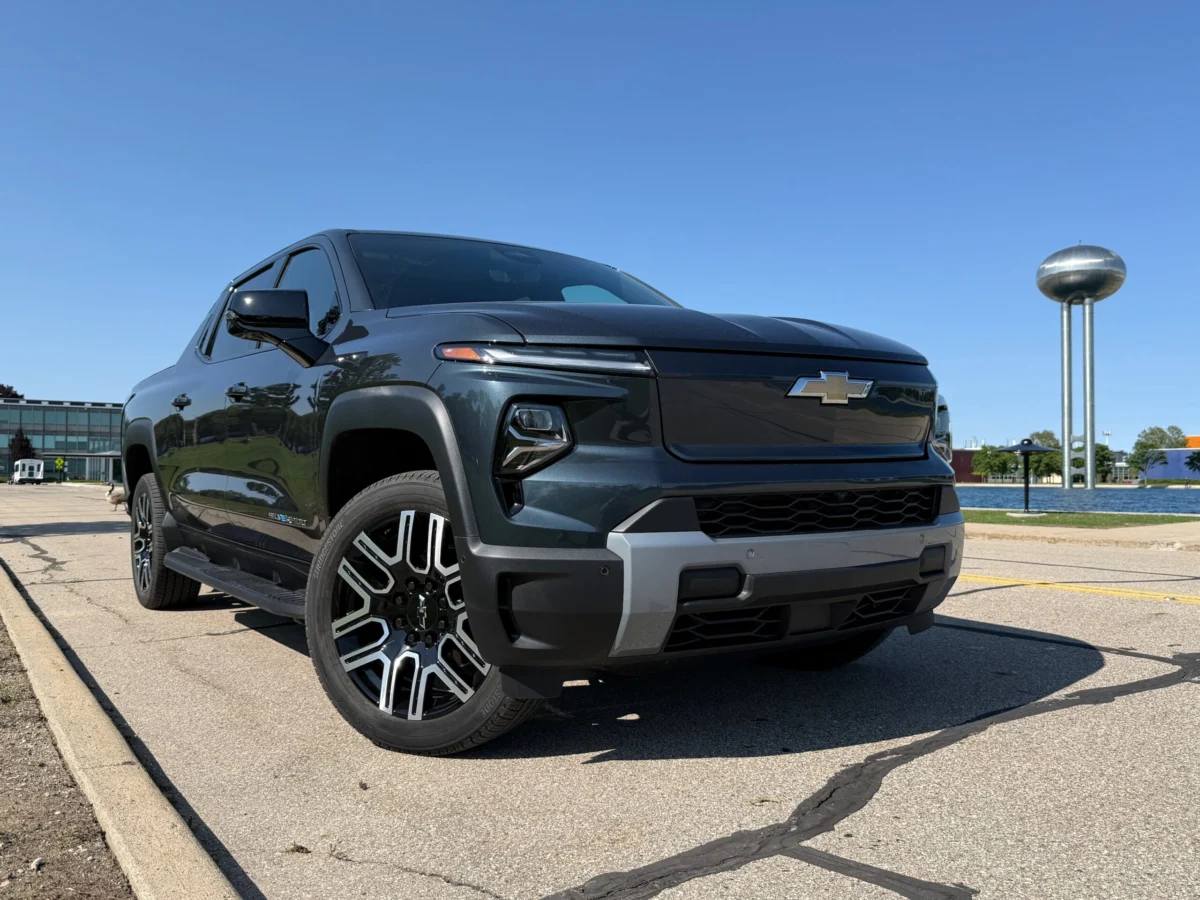
Introduction: A Shift in Perspective
I grew up in the passenger seat of my father’s Chevrolet S-10, a compact pickup that defined the utility-first aesthetic of its era. As a dedicated hatchback enthusiast who prioritizes city maneuverability over cargo beds, I have never considered myself part of the target demographic for full-size American trucks. However, after spending a full day navigating the bustling streets of Detroit in the new Chevrolet Silverado EV, I have been forced to confront a startling realization: General Motors might have finally created a truck capable of converting even the most stubborn urbanite.
The Silverado EV is an engineering triumph. It manages to deliver a ride quality that feels more like a luxury sedan than a workhorse, all while maintaining a massive bed, a cavernous "frunk," and a cabin spacious enough to accommodate the longest legs in complete comfort. It is whisper-quiet, capable of powering an entire home during a power outage, and features an advanced suite of driver-assistance technology that allows for hands-free highway travel. With a range exceeding 400 miles, it represents a dream combination of capability and innovation. Yet, despite these credentials, the marketplace has remained stubbornly cold.
The Disconnect: Sales vs. Capability
While the Silverado EV appears to be the perfect electric successor to the American pickup, the sales figures tell a different story. In the previous year, General Motors sold approximately 14,000 units across the U.S. and Canadian markets. To put that into perspective, the traditional, internal-combustion engine (ICE) Silverado moves nearly ten times that volume in a single quarter.

This disparity creates a jarring, paradoxical reality for the automaker. GM has invested billions in its Ultium battery architecture and the development of the Silverado EV, yet the vehicle is not flying off showroom floors. As I pulled the truck into a charging station, I found myself genuinely stumped. If the product is this good, why is the adoption rate failing to match the hype?
Chronology of the Silverado EV
The journey to this point has been a long one for GM. The concept of an electric Silverado was first teased to the public amid a flurry of excitement as the automaker pivoted toward an all-electric future.
- Initial Reveal: The Silverado EV was positioned as the flagship for GM’s electric truck strategy, promising a blend of the classic Chevy utility and next-generation battery technology.
- The Design Phase: Drawing inspiration from the polarizing yet iconic Chevrolet Avalanche, engineers opted for a "mid-gate" design. This allows the rear partition of the cabin to fold down, extending the bed into the interior space—a feature designed to satisfy both family haulers and contractors.
- Production Ramp-Up: Following the initial launch, the rollout was hampered by the industry-wide supply chain bottlenecks that defined the mid-2020s.
- Market Entry: By the time the vehicle reached mass availability, the initial "early adopter" wave had crested, leaving the brand to face the much tougher challenge of convincing traditional truck buyers to make the switch to electric.
Design and Utility: A Modern Evolution
At a glance, the Silverado EV’s silhouette evokes the nostalgic shape of the Chevrolet Avalanche. Whether this is an aesthetic victory or a step backward remains a point of contention among enthusiasts, but from a purely functional standpoint, it is brilliant. The "sail" panels between the cabin and the bed are not just stylistic flourishes; they are essential for minimizing drag, a critical factor in optimizing electric range.

Inside, the cabin is a masterclass in modern ergonomics. Getting in requires a significant step up, but once settled, the driver is greeted by a massive, crisp infotainment array that dominates the lower dash. The interface, powered by Google, is impressively responsive—approaching the fluidity of a premium smartphone. Perhaps most importantly for the traditionalist, GM has resisted the urge to bury every control in a digital sub-menu. Physical knobs for volume and temperature, along with tactile HVAC buttons, remain present, ensuring that the driver can make adjustments without taking their eyes off the road.
The Tech Edge: Super Cruise and Infotainment
The crown jewel of the Silverado’s tech suite is Super Cruise, GM’s Level 2 advanced driver-assistance system. Having previously tested the system in the Chevy Bolt, I was curious to see how it handled the sheer mass of a 4.5-ton full-size truck. During a commute through peak-hour Detroit traffic, the system performed admirably, reducing the mental fatigue associated with heavy traffic.
The navigation system goes a step further, offering "Super Cruise-maximized" routing. When you input a destination, the software doesn’t just look for the fastest route; it prioritizes roads where the hands-free system can be engaged, turning the grueling task of highway driving into a significantly more relaxing experience.

However, the technology is not without its flaws. During my test, the system struggled with a "dirty" trailer—a paint-splattered, low-visibility unit that the sensors failed to track with the precision I would have hoped for. It was a sobering reminder that while software is improving, it is not a replacement for human vigilance.
Supporting Data: Debunking the Myths
There are two prevailing theories for the slow sales: the high price tag and the "towing anxiety" that plagues EV skeptics. Neither argument holds up under scrutiny.
- Price Parity: The average transaction price for a full-size ICE pickup in the U.S. currently hovers around $66,000. The Silverado EV LT Extended Range, which offers a 410-mile range, is priced competitively within that same range. The "Max Range" version commands a $20,000 premium, but the entry point is far more accessible than the media narrative suggests.
- The Towing Fallacy: Critics often point to the loss of range while towing as the primary deterrent. However, industry data from Strategic Vision suggests that roughly 75% of full-size truck owners tow fewer than once per year. The vast majority of buyers are using these vehicles as daily drivers. The "range anxiety" is a psychological barrier, not a functional one for the average consumer.
The Path Forward: Battery Chemistry and Beyond
The future of the Silverado EV likely hinges on cost reduction. General Motors has hinted at the implementation of Lithium-Manganese-Rich (LMR) battery chemistry, which could slash production costs by approximately $6,000 per vehicle. If these savings are passed on to the consumer, the Silverado EV could reach true price parity—or even undercut—its fossil-fuel counterparts.

Furthermore, there is a clear opportunity for weight reduction. The current vehicle relies on a massive 205 kWh battery pack, which acts as a heavy, if smooth-riding, ballast. Advances in energy density will eventually allow for smaller, lighter packs, which will in turn improve payload and towing capacity.
Implications: The Industry at a Crossroads
The struggle of the Silverado EV is an indictment of the broader automotive industry’s failure to read the market’s inertia. The truck market is notoriously resistant to change, governed by a blend of tradition, brand loyalty, and a deep-seated suspicion of "new" technology.
GM has built a solid "first draft" of an electric pickup. It is a vehicle that, once owned, makes the transition away from gas engines feel inevitable. But until the automaker can overcome the cultural friction—the idea that a truck must rumble to be effective—the sales figures will likely continue to lag.

Conclusion: A Dream for the Future
After returning the keys to the Silverado EV, I was left with a strange desire to own one. It is a technological marvel that feels substantial, capable, and genuinely fun to drive. My only real hurdle? It is far too large for my 1950s-era two-car garage. I would need to buy a bigger house just to fit the truck.
Perhaps that, in the end, is the most quintessentially American paradox of all: we have created a perfect electric vehicle, but we are still living in a world built for the past. As battery costs drop and the charging infrastructure matures, the Silverado EV will likely find its audience. For now, it remains a brilliant, albeit lonely, pioneer on the American highway.