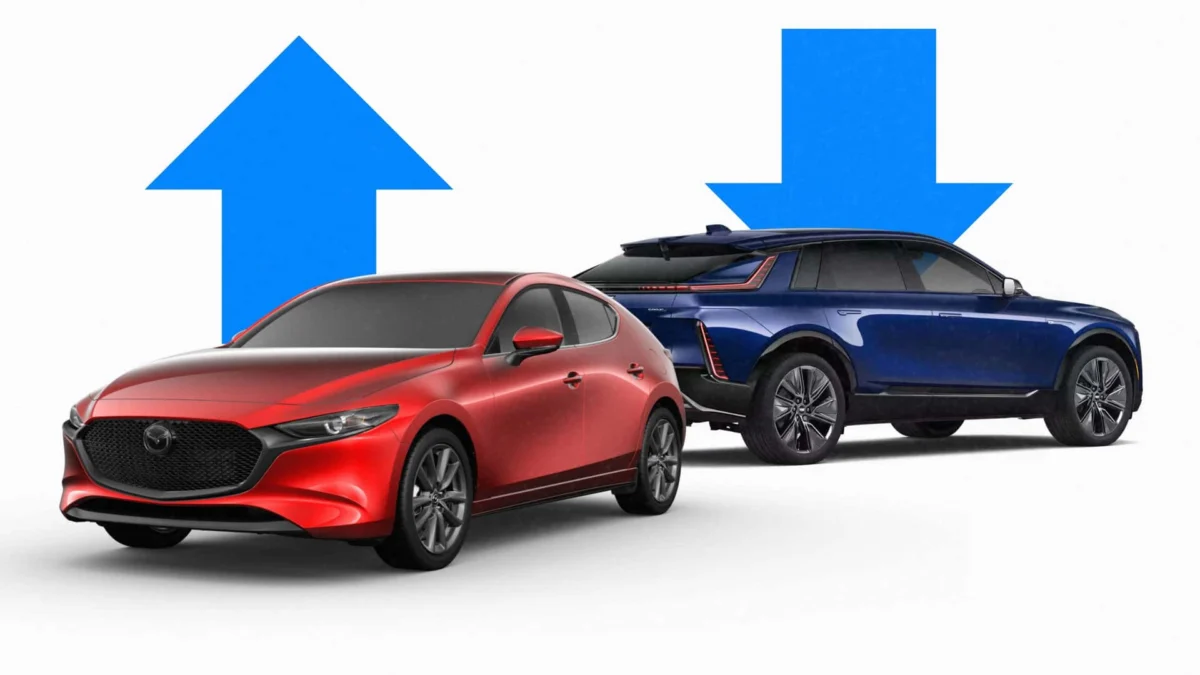
As the automotive industry pivots into the final quarter of 2026, the latest sales data offers a compelling, if somewhat contradictory, snapshot of the American car market. While the industry continues its long-term, high-stakes transition toward electrification, the third-quarter results reveal a market that remains deeply tethered to the familiar efficiency of internal combustion engines (ICE) and the proven reliability of established models.
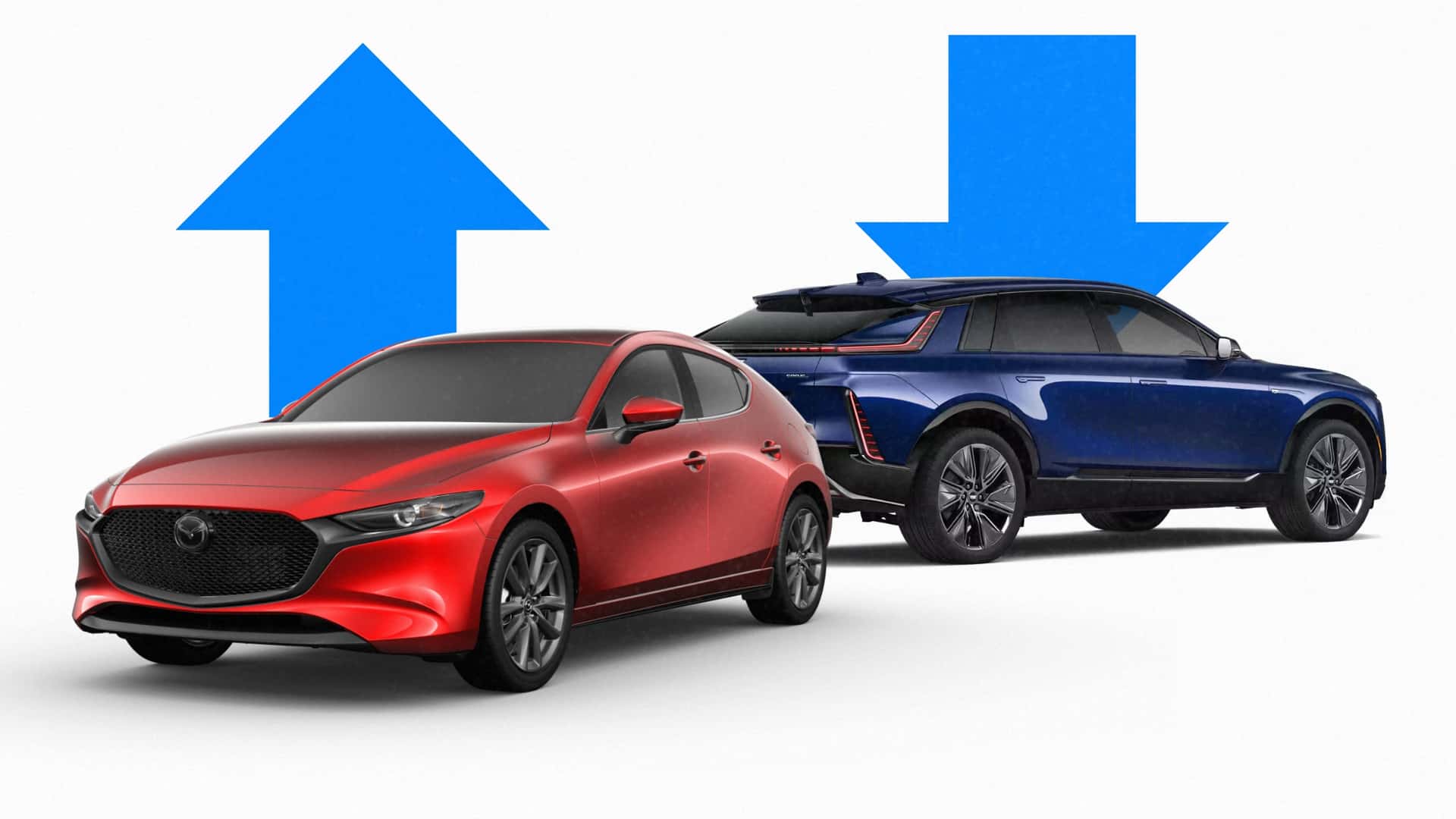
Automakers have now released their quarterly and monthly performance figures, painting a landscape where legacy nameplates are enjoying a surprise renaissance while high-profile EV initiatives struggle to find their footing. From the unexpected surge in Mazda’s classic lineup to the difficult adjustments facing luxury EV pioneers like Cadillac, the data suggests that consumer sentiment is being driven as much by economic pragmatism as it is by brand loyalty.
A Chronology of Market Shifts in 2026
The trajectory of the 2026 fiscal year has been marked by a series of fluctuations. In the early months, optimism regarding EV adoption remained high, bolstered by aggressive manufacturing goals and tax incentives. However, as the third quarter concluded, the reality of high interest rates and fluctuating gas prices began to weigh heavily on the premium EV sector.
By July, the market began to signal a distinct "wait-and-see" approach from buyers. August saw a stabilization in traditional segments, and by September, it became clear that the third quarter would be defined by a shift back toward value-oriented and proven performance vehicles. Manufacturers who banked heavily on rapid EV-only transitions faced a challenging July-to-September window, while those who maintained a diverse portfolio—offering both hybrids and traditional gas-powered stalwarts—appeared to weather the economic volatility with greater success.
The Mazda Phenomenon: The Longevity of "Old" Tech
Perhaps the most surprising takeaway from the Q3 data is the resurgence of Mazda’s aging portfolio. While many manufacturers are hyper-focused on software-defined vehicles and futuristic design languages, Mazda has demonstrated that core engineering excellence and driver-focused ergonomics remain highly marketable.
The Mazda3, often considered a mature platform, saw a staggering 146.9 percent increase in sales last month, moving 3,704 units. This performance is not an outlier; year-to-date, Mazda3 sales have climbed by 42.3 percent, totaling 32,486 vehicles. The hatchback variant specifically saw a 99.1 percent jump, signaling that consumers are actively seeking out compact, practical vehicles that don’t compromise on driving dynamics.
Even more striking is the performance of the Mazda MX-5 Miata. In an era where sports cars are increasingly rare, the "old" roadster posted a 31.5 percent increase in monthly sales. This suggests that as the market becomes saturated with heavy, tech-laden electric SUVs, there is a growing, vocal segment of the enthusiast population rediscovering the charm of lightweight, analog performance.
The Cadillac Challenge: Navigating the Electric "Dip"
On the other side of the ledger, Cadillac’s recent performance highlights the risks of a rapid, top-down transition to electrification. The luxury brand experienced a 30 percent sales decline in the third quarter, with year-over-year figures down by 25 percent.
The data indicates that the "EV-heavy" strategy has hit a speed bump. High-profile electric models, including the Escalade IQ, Lyriq, Optiq, and Vistiq, all saw sales volume pull back. The Lyriq, which was once the standard-bearer for Cadillac’s EV transition, saw the most significant decline at 50.5 percent. Industry analysts suggest that while these vehicles offer cutting-edge technology, they may be struggling to maintain momentum against a backdrop of high MSRPs and a consumer base that remains cautious about charging infrastructure.
However, Cadillac’s portfolio is not without its victories. The brand found solace in its performance and traditional luxury segments. The CT5 sedan saw a 4.1 percent increase in sales over the last three months, and the CT5 Blackwing is currently tracking toward its best year in history. This confirms that Cadillac’s legacy reputation for performance and luxury is still the brand’s strongest asset, even as it struggles to find the same level of resonance with its all-electric lineup.
Ford Mustang: A Rebound Toward the 50,000 Milestone
Ford’s iconic pony car is officially in the midst of a turnaround. After two years of declining sales, the Mustang has clawed back its market share with a 7.5 percent increase in the third quarter, totaling 9,960 units. With 38,685 units sold through the first nine months of 2026, the Mustang is once again on a trajectory to break the 50,000-unit annual sales barrier—a feat it last accomplished in 2023.
The success of the Mustang serves as a reminder of the power of brand heritage. By keeping the V8 alive and leaning into the "EcoBoost" performance variants, Ford has successfully courted both traditionalists and new buyers who want a vehicle with a clear, recognizable identity in a sea of homogenized crossovers.
The Struggle of Boutique Brands: Fiat and Alfa Romeo
The challenges for Stellantis-owned brands, specifically Fiat and Alfa Romeo, remain acute in the North American market. Fiat, in particular, is navigating a near-existential crisis in the U.S., with just 54 vehicles sold last quarter. Of those, 52 were the 500e, while the remaining two were lingering 500X units—a model that was discontinued at the end of 2023.
The introduction of the Topolino, an ultra-compact EV, has arrived in American dealerships, yet the market reception remains unclear. With a top speed of just 19 mph and 8 horsepower, the Topolino is being marketed as an urban mobility solution rather than a traditional car. Whether it can gain traction as a "golf cart for the city" remains to be seen, but current sales volume suggests that the brand has a long road ahead to regain relevance.
Alfa Romeo is similarly struggling, reporting a 65 percent drop in sales last quarter, with just 569 units sold. With year-to-date sales down 52 percent, the brand is pinning its hopes on the upcoming 2027 "buzz" models of the Stelvio and Giulia, set to be unveiled at the Paris Motor Show. The challenge for Alfa remains consistent: how to balance its Italian heritage and performance-focused identity with the practical demands of the American crossover-dominated market.
The Ram 1500 and the Enduring V8
While many manufacturers are downshifting cylinder counts, Ram has doubled down on the Hemi V8, and the market is responding with enthusiasm. The Ram 1500 saw a massive 73 percent sales jump in the third quarter, with 76,650 units sold.
This isn’t just a quarterly blip; year-to-date, Ram has moved over 200,000 1500s, an increase of 41 percent. The rapid sell-out of the limited-edition Rumble Bee—which cleared out its allocation in just 90 minutes—proves that for the truck segment, displacement and "soul" are still key drivers of purchase intent. Ram’s strategy suggests that the transition to electrification in the truck sector may be slower than some analysts predicted, as buyers remain deeply attached to the towing capacity and auditory experience of the V8 engine.
Supporting Data: A Market in Transition
| Make/Model | Q3 Trend | YTD Performance | Key Insight |
|---|---|---|---|
| Mazda3 | +146.9% | +42.3% | Mature model finding new growth. |
| Cadillac (Total) | -30% | -25% | EV transition facing significant friction. |
| Ford Mustang | +7.5% | +17.9% | Aiming for >50k units in 2026. |
| Ram 1500 | +73% | +41% | V8 power remains a massive draw. |
| Alfa Romeo | -65% | -52% | Urgent need for new product lineup. |
Official Perspectives and Industry Implications
The divergence between the success of the Ram 1500 and the struggles of the Cadillac EV lineup highlights a fundamental tension in the current automotive landscape: the "Electrification Gap."
Industry observers note that while federal regulations are pushing for a cleaner fleet, the consumer market is governed by a different set of priorities. High fuel costs are indeed pushing some buyers toward hybrids and EVs, but they are also driving many toward efficient, reliable combustion-engine vehicles like the Mazda3.
Manufacturers are increasingly finding that the "one-size-fits-all" approach to electrification is problematic. Cadillac’s attempt to pivot entirely to a new EV platform has alienated some of its core luxury buyers who were not yet ready to make the switch. Conversely, brands that have taken a more balanced approach—offering hybrids alongside traditional gas engines—are seeing more stability in their quarterly results.
Looking Ahead: The Final Stretch of 2026
As we look toward the final quarter of 2026, the industry is entering a critical period. Automakers will likely shift their marketing focus toward inventory clearance and year-end incentives. For brands like Cadillac and Alfa Romeo, the focus will be on damage control and the teasing of upcoming models to maintain customer interest. For companies like Ford and Mazda, the goal will be to capitalize on current momentum and push for strong year-end closes.
The overarching lesson from Q3 2026 is that the automotive market is not a monolith. It is a complex ecosystem where nostalgia, performance, economic necessity, and technological aspiration collide. The brands that succeed in the coming months will be those that can successfully manage this collision—offering the future that regulators demand while delivering the products that consumers are actually prepared to buy today.
As the calendar turns toward 2027, the industry must grapple with a clear reality: the shift to electric mobility is not a sprint, but a marathon, and the runners who paced themselves by keeping one foot in the world of combustion are currently winning the race.