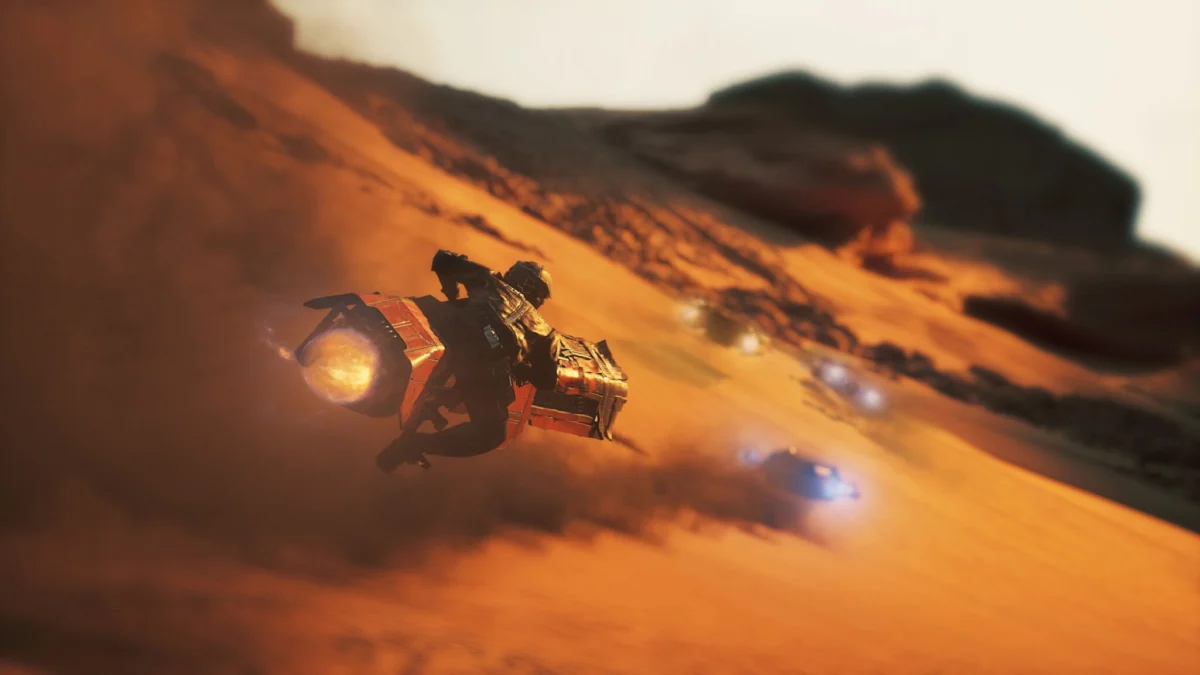
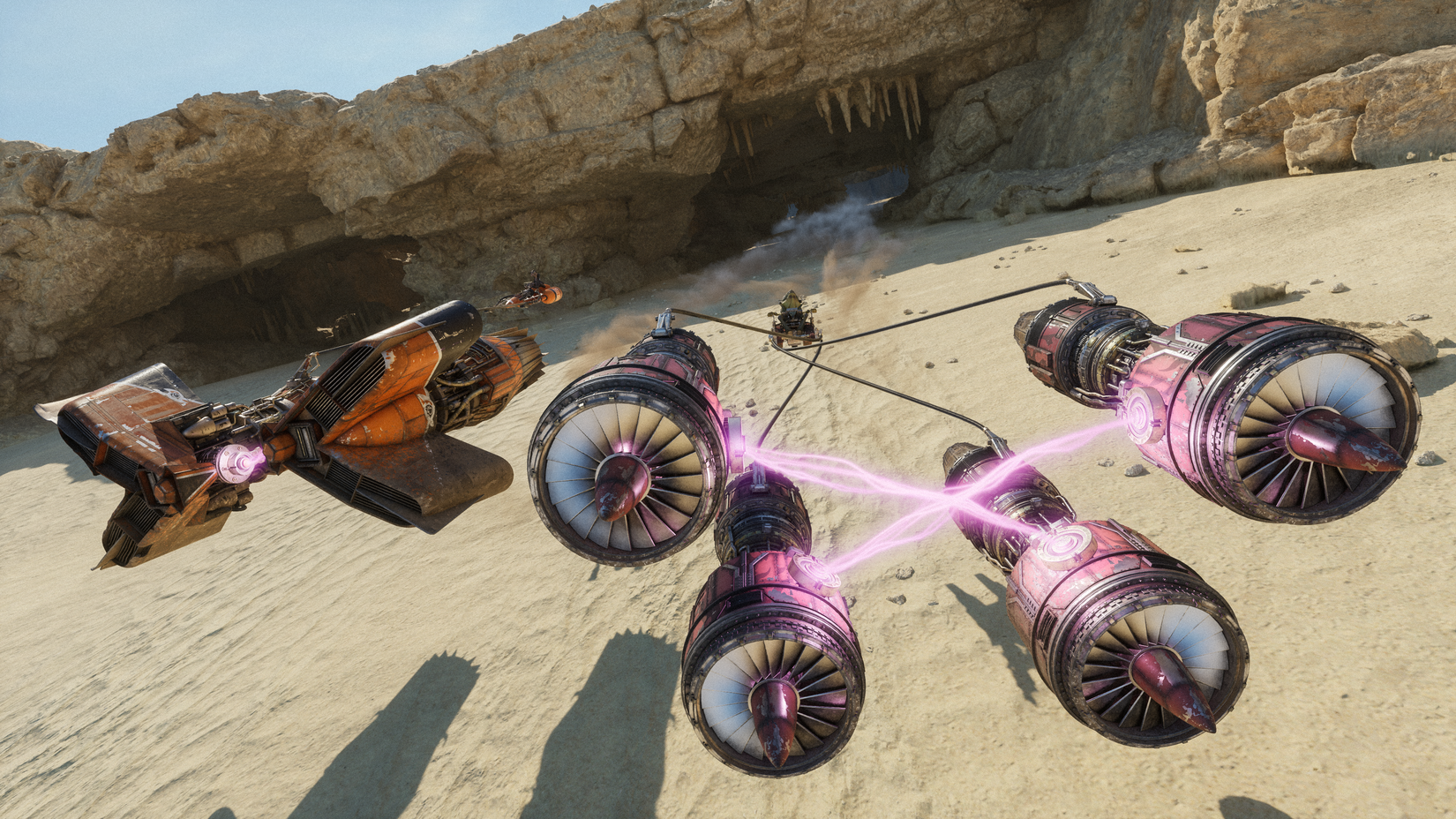
It has been nearly a quarter-century since a Star Wars racing game truly captured the imagination of the public. For years, the genre—once a staple of the arcade era—has languished in the shadow of open-world driving sims and ubiquitous kart racers. That silence has finally been broken. Star Wars: Galactic Racer, developed by Fuse Games and published by Secret Mode, is not merely a nostalgia-fueled trip to the podracing circuits of Tatooine; it is a structural revolution for the arcade racing genre.
Led by veterans from Criterion Games—the masterminds behind the iconic Burnout and Need for Speed franchises—Fuse Games has delivered a title that is as punishing as it is exhilarating. By blending the high-octane physics of F-Zero with the aggressive, collision-heavy gameplay of Burnout, Galactic Racer manages to feel both comfortingly familiar and shockingly new.
The Resurrection of the Arcade Racer
For the uninitiated, the distinction between a "driving game" and an "arcade racer" is fundamental. While titles like Forza Horizon or The Crew prioritize simulation, authentic handling, and open-world exploration, Galactic Racer is an unabashed return to the era of pure, distilled velocity. Here, the brake pedal is a suggestion, not a requirement. Success is measured not in how well you corner, but in how effectively you manage your boost systems while weaving through lethal environments at breakneck speeds.

The game’s pedigree is evident from the first race. The audio design—the signature "roar" of engines, the screech of anti-grav repulsors, and the haunting, orchestral swells reminiscent of John Williams’ original scores—creates an immersive atmosphere that makes speed feel tangible. However, beneath the polished Star Wars veneer lies a game that demands mastery, patience, and a willingness to fail.
A Roguelite Architecture: High Stakes and Hard Lessons
Perhaps the most jarring innovation in Galactic Racer is its embrace of the roguelite structure. In an industry where racing games typically provide a steady progression of unlocks and forgiving checkpoint systems, Galactic Racer opts for a "Tour" system.
In this campaign mode, players undertake randomized, branching events. A single fatal crash or a failure to podium in a high-stakes Eliminator race can reset your entire progress. This creates a psychological tension rarely found in the genre. Every boost you expend and every corner you challenge is a gamble.

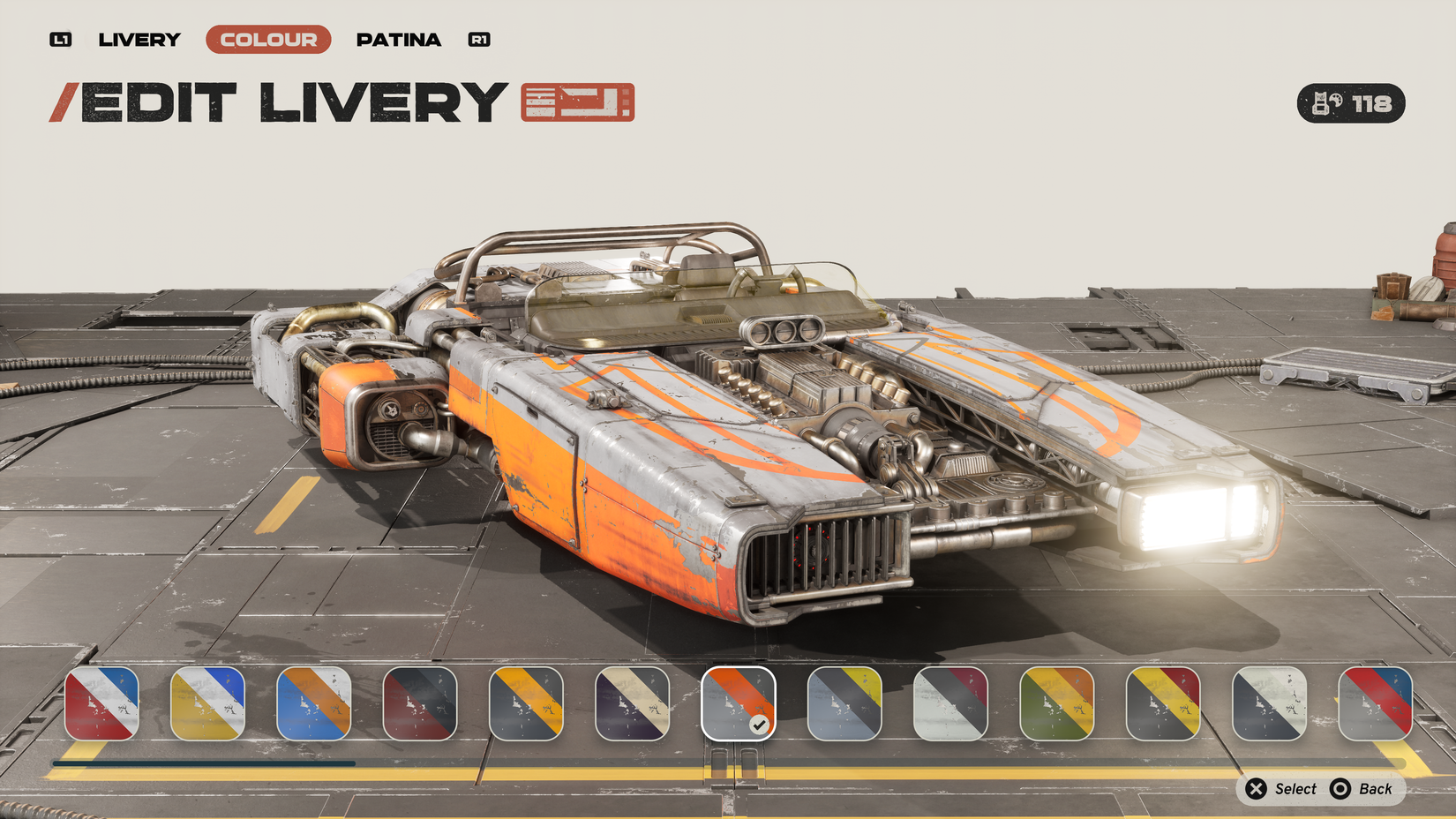
The complexity is compounded by a deep, quasi-RPG layer. Players must manage their vehicle’s "build," choosing from an array of racing styles, stat-altering parts, and environmental "Favors." Whether you are modifying your ship for shield durability, cooling efficiency for your Ramjet, or raw offensive capability, the meta-game is as important as the race itself. The absence of a traditional, hand-holding tutorial is a bold—if divisive—design choice that forces players to learn the game’s intricate systems through trial, error, and eventual discovery.
Chronology of a Development Powerhouse
The development of Star Wars: Galactic Racer began as a passion project for the team at Fuse Games. Founded by former Criterion developers who felt that the industry had moved too far toward simulation, the studio sought to bring back the "pure" arcade experience.
- Initial Concept (2024): Fuse Games begins prototyping a high-speed engine designed to handle extreme velocity without the traditional constraints of gravity-based physics.
- Licensing Phase (Early 2025): The partnership with Lucasfilm Games is finalized, allowing the team to integrate iconic locations, characters, and the legendary podracing aesthetic.
- Alpha Testing (Mid 2026): Early feedback from internal playtests highlights a "steep learning curve," prompting the team to refine the visual cues that help players navigate tracks at high speeds.
- Public Release (October 6, 2026): The game launches on PlayStation 5, Xbox Series X, and PC, receiving immediate critical attention for its blend of accessibility and roguelite depth.
Data-Driven Depth: Managing the Engine
At the heart of the gameplay loop is the dual-boost mechanic. Players must navigate between two distinct modes of acceleration:
- The Afterburner: A stable, reliable, and safe boost that allows for consistent speed.
- The Ramjet: A high-risk, high-reward mechanic. While significantly faster, it generates extreme heat. If the player fails to manage this heat through precise air-braking or environmental cooling, the craft will suffer a critical failure—often resulting in a catastrophic wreck.
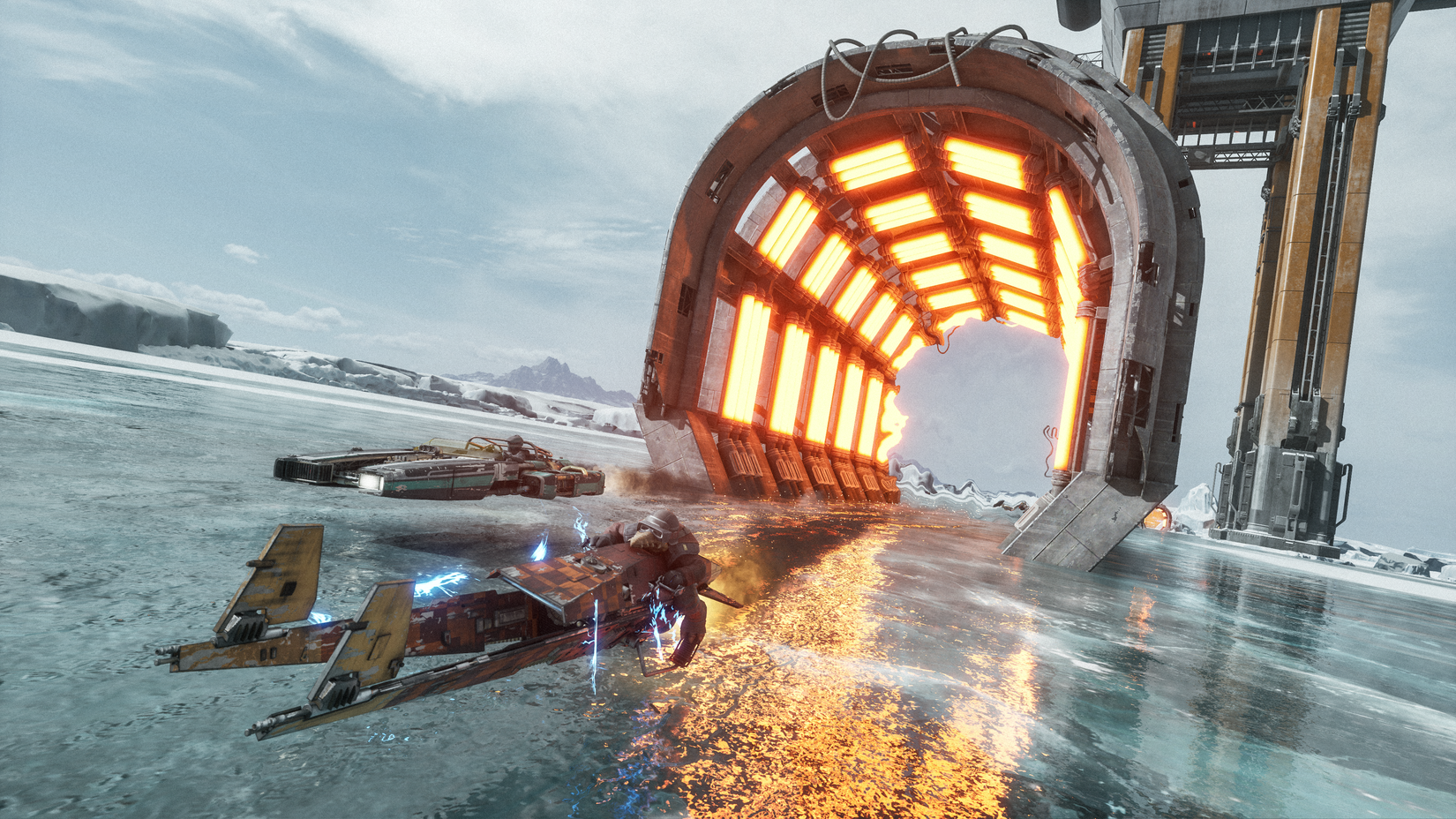
The "environmental vectors" add further layers of difficulty. Racing on ice planets requires different cooling strategies compared to racing through industrial heat tunnels. Acid rivers can disable electrical systems if shields are not properly optimized. This interplay between vehicle build and track conditions means that no two runs are ever the same, forcing players to adapt their strategy on the fly.
Official Responses and Studio Vision
In recent press statements, the developers at Fuse Games addressed the polarizing difficulty of the title. "We didn’t want to make a game that was ‘easy to pick up and play,’" said a lead designer. "We wanted to make a game that respects the player’s intelligence and reflexes. We wanted the Star Wars galaxy to feel as dangerous as it looks. The roguelite structure ensures that every victory feels earned, and every loss feels like a lesson."
The studio also defended their decision to limit the number of tutorials. "Racing is intuitive," they argued. "The joy of this game comes from the moment of realization—when a player finally understands how to stack their build to counter a specific planetary hazard. We trust our players to figure it out."
Multiplayer: A New Competitive Standard
While the single-player campaign is the core experience, the "Multiplayer Tour" has emerged as a standout feature. By condensing the roguelite campaign into a five-race championship, Fuse Games has successfully translated the high-stakes pressure of single-player into a multiplayer environment.
The inclusion of a betting system—where players wager on their own performance—adds a layer of social strategy to the races. Whether you are betting on your own podium finish or predicting the overall winner of the championship, the multiplayer mode turns every event into a high-drama affair. It is a refreshing departure from the standard "finish first" lobby-based racing that has dominated online play for over a decade.
Implications for the Future of Racing Games
Star Wars: Galactic Racer arrives at a pivotal moment. The genre has been criticized for becoming stagnant, relying on annual iterations of the same formula. By incorporating elements of roguelite design and deep RPG customization into a high-speed arcade framework, Fuse Games has provided a blueprint for how to evolve the genre.
If Galactic Racer succeeds commercially, it could trigger a "new wave" of arcade racers that value mechanical complexity and run-based progression over simple visual fidelity. It challenges the industry to stop treating players as passive consumers of content and instead invites them to become masters of a complex, unforgiving, and deeply rewarding system.
For fans of the Star Wars franchise, this is the definitive racing experience—a love letter to the podracing scenes that defined a generation of cinema. But for fans of the racing genre at large, Galactic Racer is something much more important: a reminder of what happens when developers take risks, ignore the status quo, and lean into the pure, unadulterated thrill of going fast.
Star Wars: Galactic Racer is available now on PlayStation 5, Xbox Series X, and Windows PC. It is, without hyperbole, the most original and exciting racing game in a generation. It is time to step into the cockpit, manage your heat, and test your reflexes against the best in the galaxy.