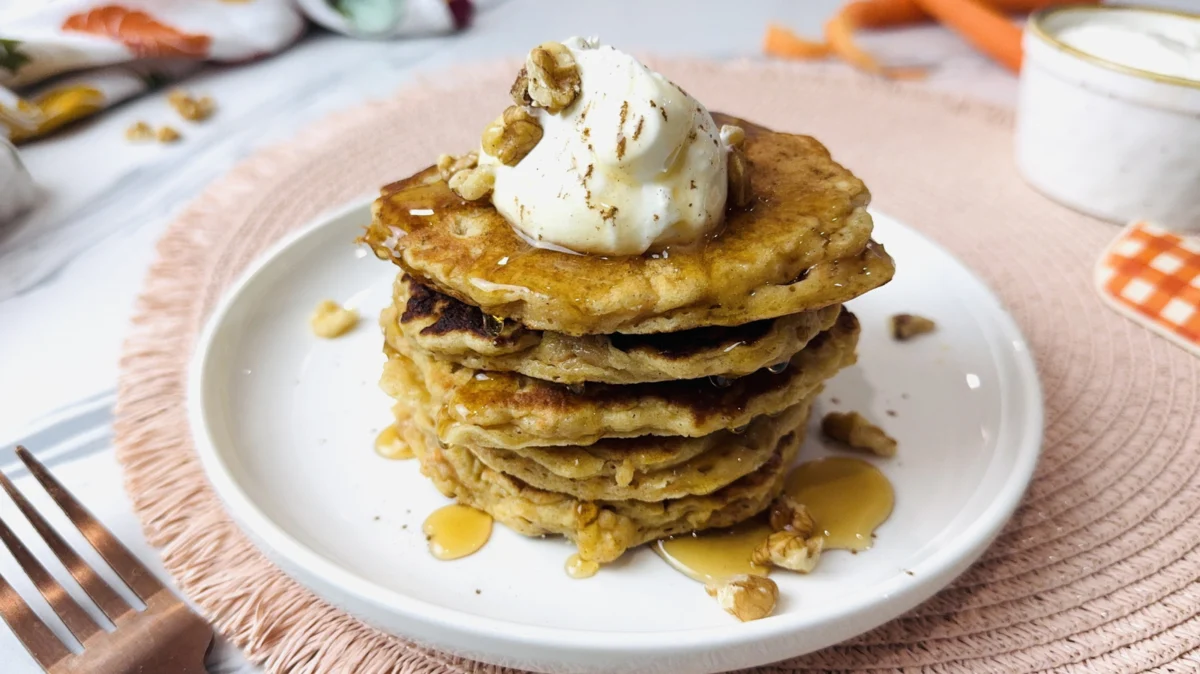
Pancakes are the undisputed royalty of the weekend breakfast table. While the classic buttermilk stack holds a special place in the hearts of home cooks everywhere, the culinary landscape is constantly evolving, pushing the boundaries of what a morning meal can be. Enter the carrot cake pancake: a sophisticated, spiced, and decadently topped creation that bridges the gap between a wholesome brunch and a decadent dessert. By marrying the earthy sweetness of fresh carrots with the tangy, velvety allure of cream cheese frosting, this recipe transforms a vintage baking favorite into a modern morning masterpiece.
Main Facts: A Convergence of Dessert and Breakfast
The concept of "dessert for breakfast" has never felt more refined. This recipe draws its inspiration from the traditional American carrot cake—a staple of mid-century home baking characterized by its complex spice profile and signature moist texture.
At its core, the recipe relies on a harmonious blend of wet and dry ingredients. The base utilizes buttermilk, which provides the necessary acidity to react with the leavening agents, ensuring a lift that is both light and structured. The secret weapon, however, lies in the inclusion of crushed pineapple and grated carrots. The pineapple adds a subtle tropical brightness that cuts through the richness of the batter, while the carrots contribute natural sugars and a moisture level that keeps the pancakes tender long after they have left the skillet.
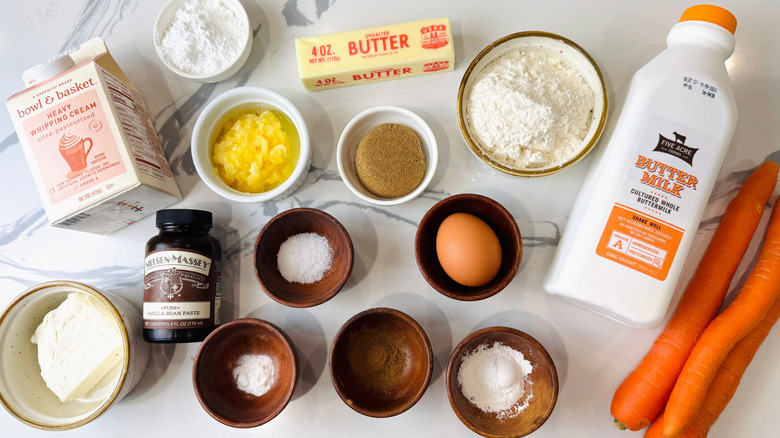
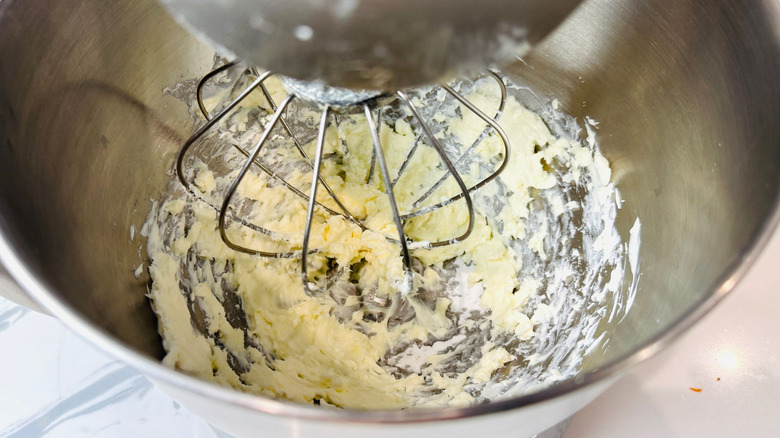
The crowning achievement of this dish is the homemade cream cheese whipped cream. By folding softened cream cheese into a light, airy whipped cream infused with vanilla bean paste and a hint of kosher salt, the dish achieves the signature tang of a traditional carrot cake frosting without the heavy, cloying sugar content of a standard buttercream.
Chronology: The Evolution of a Morning Classic
The journey to the perfect carrot cake pancake is rooted in personal history and culinary experimentation. Many home cooks recall family recipes passed down through generations—recipes that were often labor-intensive, requiring multiple steps and long bake times.
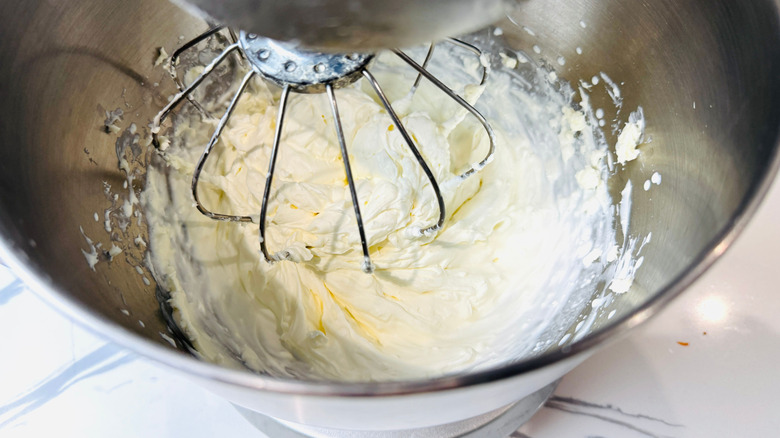
- Preparation Phase: The process begins with the cream cheese topping. By whipping cream cheese with confectioners’ sugar, vanilla, and heavy cream, one creates a luxurious topping that mirrors the profile of a classic layer cake.
- The Batter Foundations: The dry ingredients—flour, baking powder, baking soda, and warm spices like cinnamon—are whisked together to ensure even distribution.
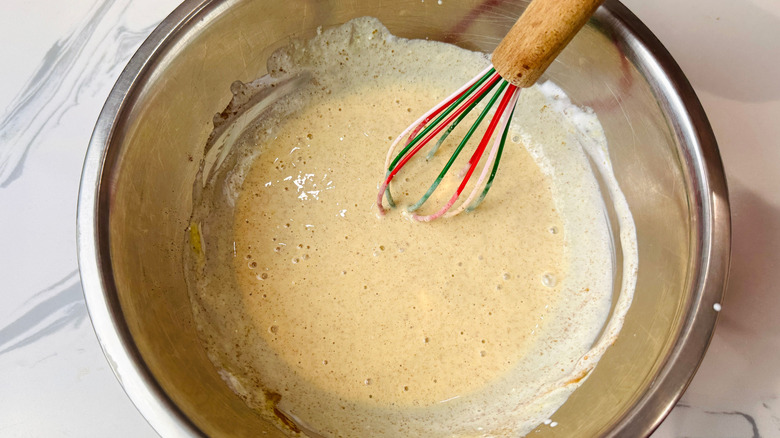
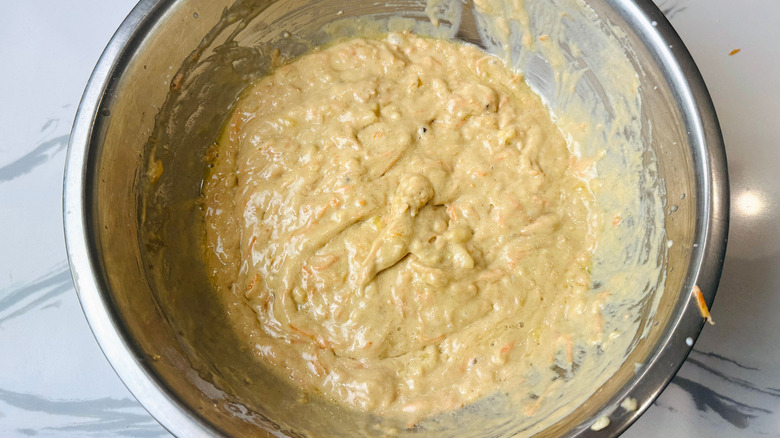
- The Integration: The wet ingredients, including buttermilk, brown sugar, and eggs, are combined before the dry elements are folded in. The key here is restraint; over-mixing is the enemy of the pancake.
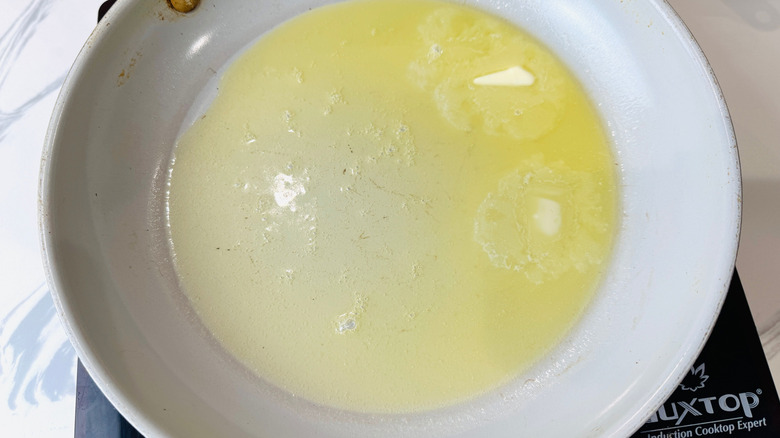
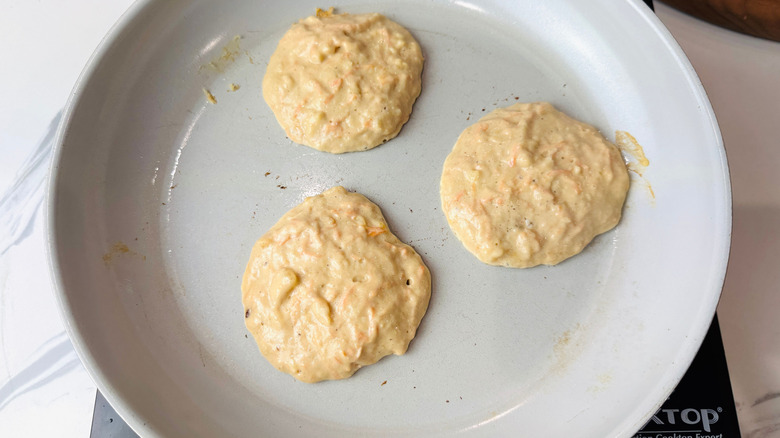
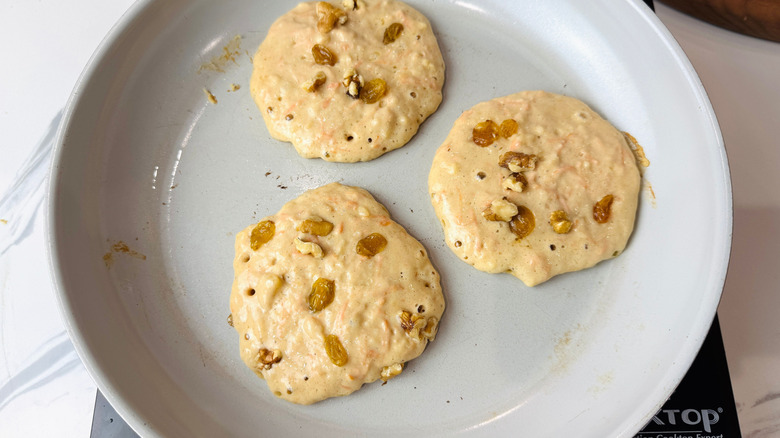
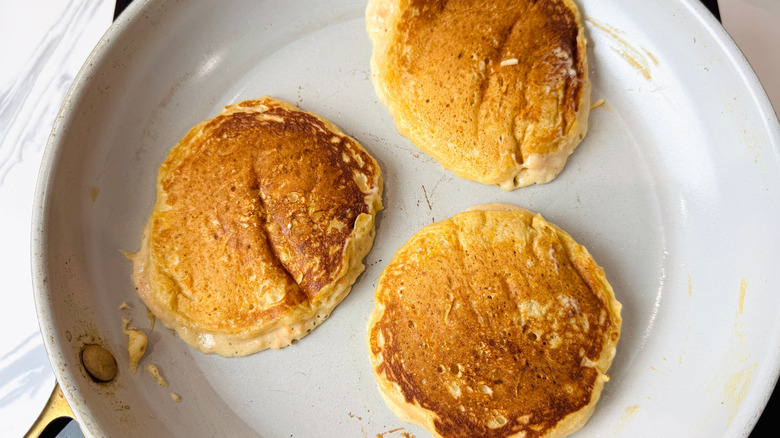
- The Skillet Stage: The pancakes are cooked on a nonstick surface over medium-low heat. This slow-and-steady approach is crucial for achieving that quintessential golden-brown exterior while ensuring the interior remains fluffy and perfectly cooked through.
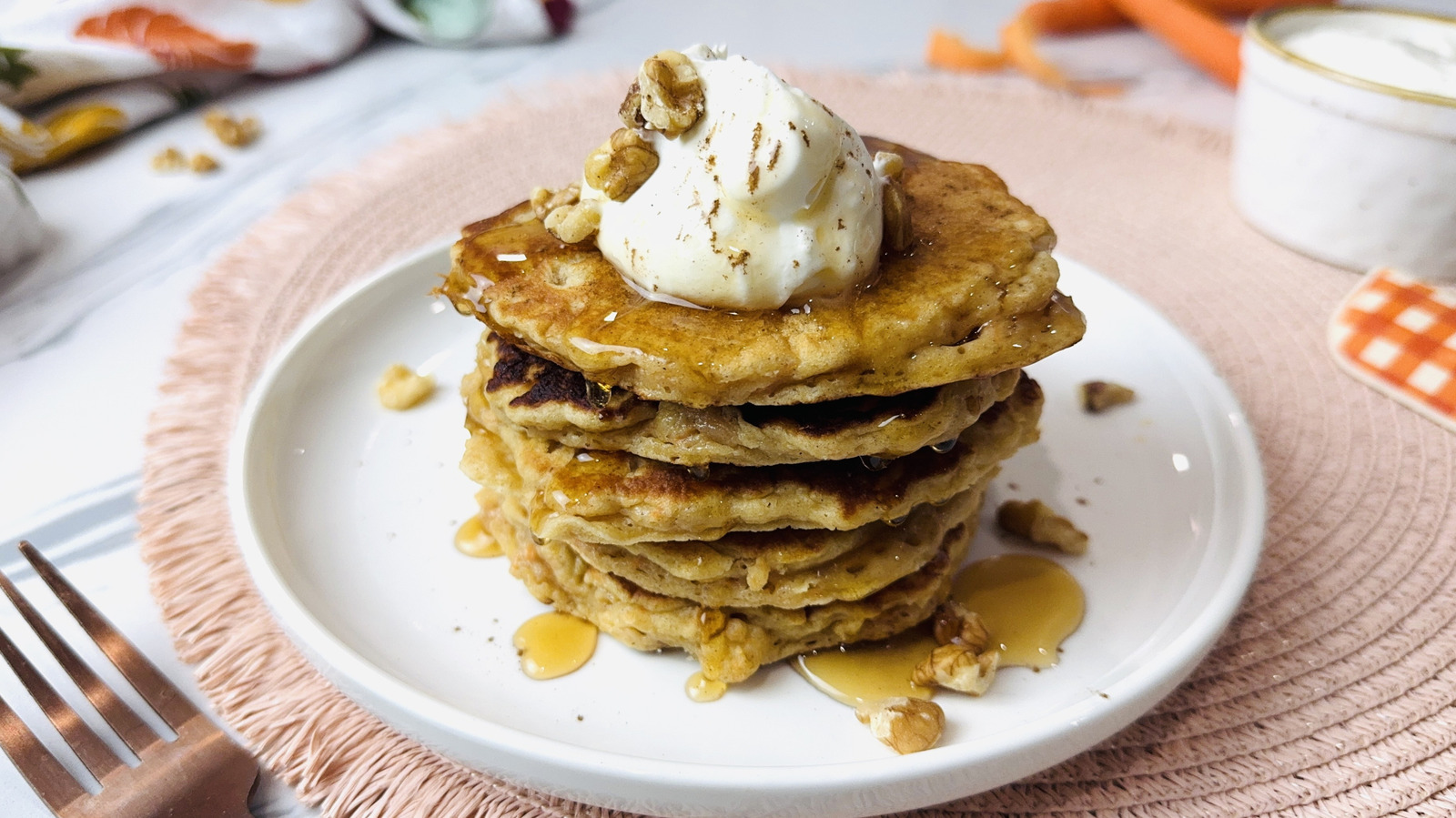
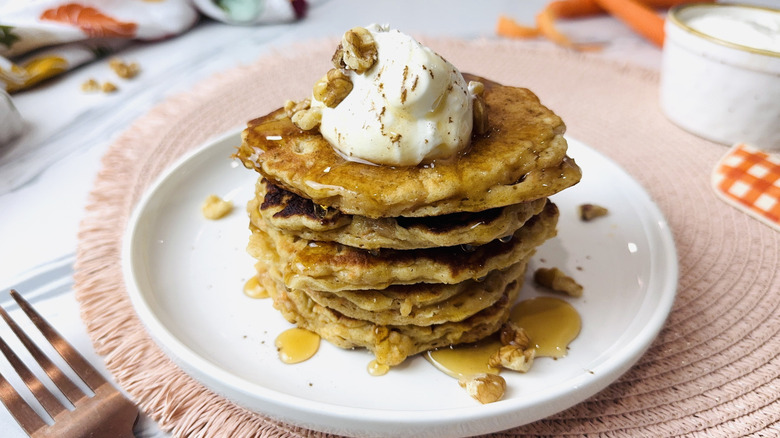
- The Finishing Touch: The final step involves plating, where the pancakes are garnished with toasted walnuts and a drizzle of maple syrup, elevating the visual appeal and adding a necessary textural crunch.
Supporting Data: The Science of the Perfect Flapjack
Achieving the "fluffiest" pancake is less about a secret ingredient and more about the mastery of technique. Culinary science dictates that gluten development is the primary factor in texture. When flour is mixed with liquid, gluten proteins begin to form chains; if the batter is over-worked, these chains become too elastic, resulting in a rubbery, dense pancake.
- The Gentle Hand: Folding ingredients until only just combined preserves the air bubbles created by the leavening agents (baking powder and soda).
- The Rest Period: Allowing the batter to rest for 15 to 30 minutes before cooking serves a dual purpose. It allows the flour to fully hydrate and the leavening agents to activate, resulting in a more uniform rise.
- Heat Management: Maintaining a consistent temperature on the skillet prevents the outside from burning before the center has had time to set. For these carrot cake pancakes, the inclusion of pineapple and carrots adds "weight" to the batter, making the use of lower heat even more imperative.
Nutritionally, while these pancakes are a treat, they offer a moderate profile compared to many other brunch options. Each serving (approx. 215 calories) provides a balance of carbohydrates and fats, making them a satisfying way to start the day.
Expert Culinary Perspectives and Tips
When asked about the secret to elevating these pancakes, professional bakers emphasize the importance of preparation. "Don’t rush the process," says one culinary expert. "The cream cheese topping is the anchor of this dish. If you prepare it a day in advance, you allow the flavors to meld, but remember to give it a quick whip right before serving to restore that airy, cloud-like consistency."
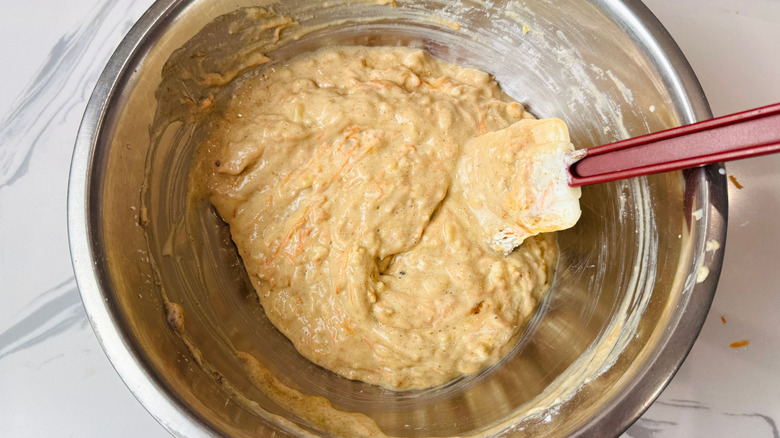
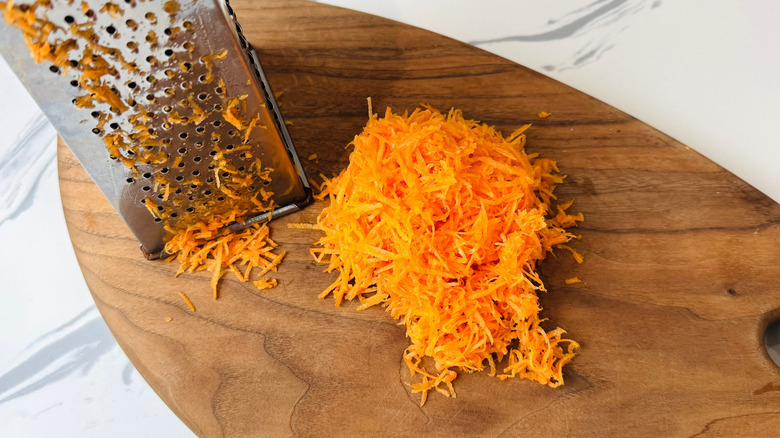
Another critical piece of advice concerns the carrots themselves. Using the fine side of a box grater is essential. Large, chunky pieces of carrot will not cook through in the short time it takes to make a pancake, resulting in an unpleasant, raw texture. By grating them finely, the carrot essentially melts into the batter, providing flavor and moisture without sacrificing the structural integrity of the flapjack.
For those looking to customize the recipe, the options are nearly limitless. While the classic version includes walnuts and raisins, toasted pecans or even a dash of nutmeg can add an extra layer of warmth.
Implications: The Future of the Weekend Brunch
The rise of recipes like these carrot cake pancakes reflects a broader shift in home cooking trends. Today’s consumers are looking for ways to replicate the "café experience" within their own kitchens. The ability to make these pancakes ahead of time and store them in the freezer makes them a viable option for busy families who refuse to sacrifice quality for convenience.
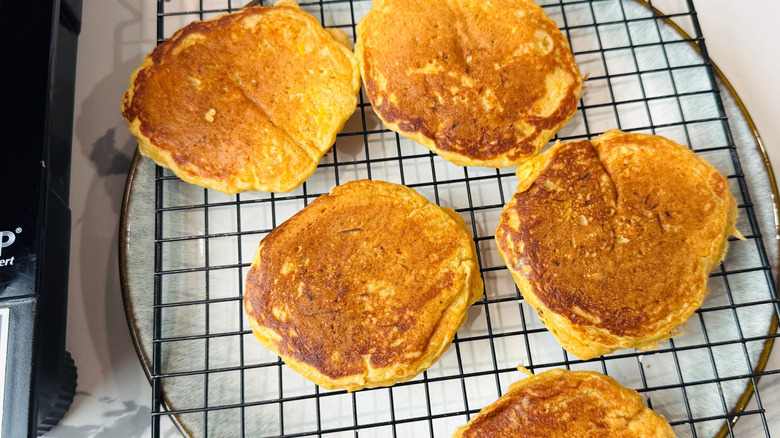
The convenience factor cannot be overstated. Unlike many delicate brunch items that must be consumed immediately, these pancakes freeze exceptionally well. By cooling them completely on a wire rack before placing them in a freezer-safe container, they retain their moisture and texture. When the urge for a comforting breakfast strikes, they can be reheated in a toaster oven or skillet in minutes, bouncing back to their original, fluffy state.
Furthermore, this recipe demonstrates the versatility of the humble pancake. It is no longer just a vessel for maple syrup; it is a canvas for flavor profiles that were previously reserved for the oven. As more home cooks adopt these techniques, the line between "baking" and "breakfast" continues to blur, resulting in a more creative and satisfying culinary landscape.
A Note on Preparation for Success
To ensure your success in the kitchen, keep these three golden rules in mind:
- Level Your Flour: Always spoon flour into your measuring cup rather than scooping it directly from the bag to avoid packing it down and using too much.
- Monitor the Bubbles: The visual cue of bubbles forming on the surface is your best indicator for when to flip. If you wait until the bubbles pop and stay open, you’ve hit the sweet spot.
- Don’t Press Down: Resist the urge to press the pancakes with your spatula. This forces the steam out and collapses the air bubbles you worked so hard to create.
In conclusion, these carrot cake pancakes offer a perfect marriage of nostalgia and technique. They serve as a reminder that the best breakfast recipes are often the ones that take a familiar comfort and elevate it through thoughtful ingredient selection and precise execution. Whether you are hosting a festive brunch or simply seeking a way to brighten a standard Saturday morning, this recipe stands as a testament to the joy of homemade cooking.