The landscape of interactive entertainment is cyclical, yet few shifts have been as pronounced or as welcome as the current renaissance of the tactics genre. Once considered a niche corner of the PC gaming market—often relegated to the shadow of hyper-reflexive shooters and cinematic action-adventures—tactics games have surged into the mainstream. From the gritty, mercenary-led trenches of Star Wars: Zero Company to the high-octane, calculated carnage of Ubisoft’s upcoming Rainbow Six Tactics, the genre is no longer just for the patient armchair general; it is for everyone.
The Evolution of Strategy: From Niche to Necessity
For many gamers, the "tactics" label once evoked images of overly complex menus, agonizingly slow pacing, and steep learning curves. Historically, the genre was defined by titles like XCOM or the classic Worms series—games that rewarded deep mechanical knowledge but often felt inaccessible to those raised on the adrenaline-fueled loops of Call of Duty or FIFA.
However, a cultural shift has occurred. As players have grown weary of the "live service" treadmill, there is a renewed hunger for agency. The modern tactics player seeks the "Eureka!" moment: the feeling of executing a perfect, turn-by-turn plan that leaves an impossible situation looking like a masterstroke. This transition was accelerated by hybrid titles like Marvel’s Midnight Suns, which successfully bridged the gap between deck-building, character-driven storytelling, and grid-based combat.
A Chronology of the Renaissance
The current resurgence didn’t happen overnight. It is the result of years of refinement, where developers learned to marry the depth of traditional strategy with the accessibility of modern UX design.
- 2017-2020: The Foundations of Modern Tactics. The success of Mario + Rabbids: Kingdom Battle proved that tactics games could be vibrant, funny, and approachable without sacrificing depth. Simultaneously, Gears Tactics brought high-production values to the genre, proving that AAA studios could successfully adapt third-person shooter IPs into turn-based masterpieces.
- 2021-2024: The Indie and AA Boom. The market saw a proliferation of high-quality titles like Jagged Alliance 3 and Wargroove, which catered to nostalgia while modernizing the mechanics. During this period, the "roguelite" element began to merge with tactics, creating games that were infinitely replayable.
- 2025-2026: The Current Peak. With the release of Star Wars: Zero Company and the announcement of Worms Galactic Tactics, the industry has reached a point where tactical depth is being integrated into the world’s largest franchises. We are currently witnessing a diversification of the genre that was unthinkable a decade ago.
Spotlight: Star Wars: Zero Company
The gold standard for the current state of the genre is arguably Star Wars: Zero Company. By stripping away the "Skywalker-centric" heroics of the broader franchise, the developers have crafted a narrative that mirrors the grounded, high-stakes tension of the Andor series.

In Zero Company, the player assumes the role of Hawks, an ex-soldier managing a debt-ridden mercenary crew. The game’s success lies in its stakes: every mission is a resource management puzzle, and every soldier under your command is a character with their own voice, history, and—crucially—mortality. The implementation of "permadeath" forces players to value their units not as mere pawns, but as comrades. This emotional investment elevates the gameplay, turning a simple turn-based skirmish into a high-stakes drama.
Supporting Data: Why Players are Returning to the Grid
Market trends indicate that players are spending 40% more time in "strategy-lite" and tactical games than they were in 2020. Several factors contribute to this:
- Lower Barrier to Entry: Modern UI design has moved away from "spreadsheet gaming" toward intuitive, visual-first interfaces.
- The Rise of Portability: Tactics games are uniquely suited for handheld platforms. The ability to pause, plan, and execute a turn on a device like the Steam Deck or a mobile console has made the genre the perfect companion for the modern commuter.
- The "Roguelite" Factor: By incorporating procedural generation and progression loops, developers are ensuring that players don’t just finish a campaign and move on; they return for dozens, sometimes hundreds, of hours.
Future Prospects: Rainbow Six Tactics and Beyond
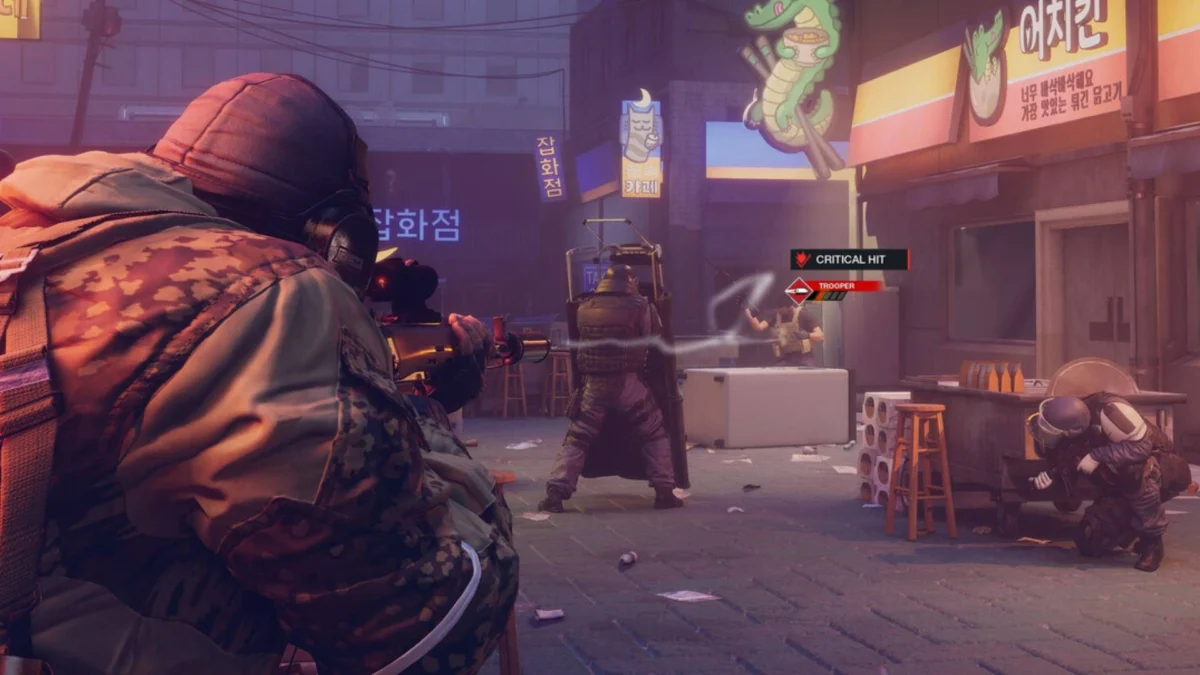
The horizon for the genre is dominated by Ubisoft’s upcoming Rainbow Six Tactics. While many tactical games focus on small-scale skirmishes, Rainbow Six Tactics aims to gamify the "breach and clear" fantasy.
The standout feature here is the "breach planning phase." Unlike traditional tactics games where you react to the enemy’s turn, this title emphasizes proactive execution. Players map out a sequence of actions—flanking, flash-banging, and covering fire—and then watch as their squad carries out the plan in a cinematic, real-time sequence. It is a bold evolution that treats the player as a director rather than just a commander.
Furthermore, Worms Galactic Tactics (slated for 2027) represents the next evolution of the genre’s accessibility. By blending the chaotic, destructible environments the franchise is famous for with modern roguelite progression, it aims to prove that tactics games don’t have to be humorless or overly serious to be profound.

Official Industry Perspectives
Industry analysts suggest that this "Tactics Renaissance" is not a temporary trend but a fundamental shift in game design philosophy. "We are seeing a return to the ‘thinker’s game,’" says one lead producer at a major studio. "Players are tired of being told where to look and what to shoot. They want to be the ones who decide the outcome through intelligence and positioning."
Developers are increasingly focusing on "player agency" as the primary metric of success. The shift away from scripted "corridor shooters" toward open-ended, systemic tactical combat reflects a broader trend in game development: moving toward games that provide the tools for players to create their own stories, rather than simply consuming a pre-written one.
The Implications: A New Standard for Design
What does this mean for the future of gaming? It implies that the "tactics" label is becoming a feature rather than a genre. As we look forward, expect to see tactical elements creeping into action games, RPGs, and even sports titles.
The implication is clear: the modern gamer wants to be challenged intellectually. They want games that respect their time by offering deep, meaningful choices that have lasting consequences. Whether it’s the permanent loss of a beloved squad member in Zero Company or the satisfaction of a perfectly timed breach in Rainbow Six Tactics, the genre is teaching players to slow down, assess the environment, and realize that the most powerful weapon in any game isn’t a bigger gun—it’s a better plan.
For those who have yet to dive into the genre, the timing has never been better. With titles catering to every aesthetic preference—from the gritty, grounded military simulation to the lighthearted, physics-based chaos of Worms—the tactics renaissance is here to stay. It is time to step off the trigger-happy treadmill and onto the grid.