By Investigative Desk
As the onset of winter looms over Ukraine, the nation’s capital, Kyiv, has once again been thrust into the harrowing reality of total war. On Wednesday, a coordinated missile assault by Russian forces struck the city, leaving at least two people dead and plunging neighborhoods into a state of panic and darkness. The attack follows urgent warnings from President Volodymyr Zelensky regarding "massive strikes," marking a significant escalation in a campaign that appears aimed at crippling Ukraine’s civilian infrastructure and breaking the collective morale of its people as temperatures plummet.
The Morning of Terror: A Chronology of the Strike
The assault did not come as a surprise, but rather as a feared inevitability. In the hours leading up to the blasts, the Ukrainian military issued urgent alerts across the country. Following President Zelensky’s nightly address—in which he cited "updated intelligence" regarding Russian preparations for a large-scale strike—the atmosphere in Kyiv shifted from tense to volatile.
The Warning Phase
Late Tuesday, as the city prepared for the incoming onslaught, scheduled power cuts were implemented across the capital. This preemptive measure was designed to reduce the load on an already fragile energy grid, which has been the primary target of Russian long-range munitions for months. The silence of the night was broken not by artillery, but by the persistent, shrill wail of air raid sirens, a sound that has become the ubiquitous soundtrack of life in modern Ukraine.
The Impact
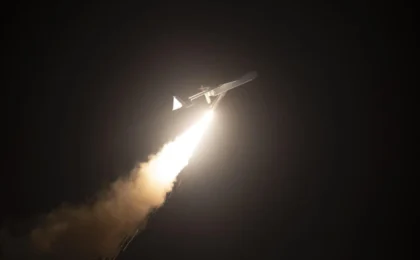
In the early hours of Wednesday, the expected strike materialized. Military monitoring channels had warned of a "composite" attack, utilizing a lethal combination of cruise missiles, ballistic projectiles, and high-speed, jet-powered drones. For residents, the reality manifested as a series of thunderous explosions that echoed across the Dnipro River.
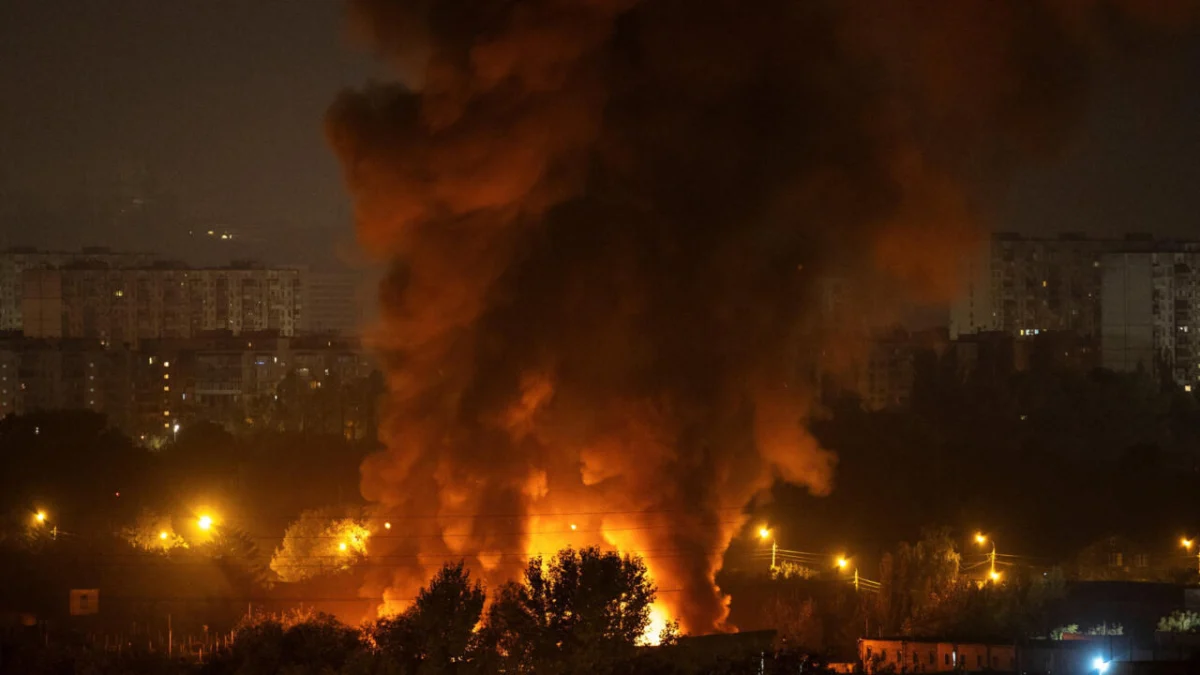
In the densely populated Darnytskyi neighborhood, the violence turned fatal. A missile strike ignited a ferocious fire in a residential area. Kyiv Mayor Vitali Klitschko, providing updates via the Telegram messaging app, confirmed the tragedy: "Two people were rescued while the fire was being extinguished, but the bodies of two others were discovered in the debris."
The reach of the attack extended far beyond the capital. Simultaneously, in the northeastern Sumy Oblast, a Russian drone strike tore through an apartment complex, claiming the lives of two men and wounding a significant number of civilians, including three children aged seven, 14, and 16. Further to the southeast, the city of Zaporizhzhia reported heavy damage to critical transport infrastructure following a ballistic missile strike, complicating evacuation and supply routes.
The Human Cost: Living in the Shadow of the Subway
For the people of Kyiv, survival has become a logistical exercise in fear. As the alerts blared, thousands of residents descended into the deep tunnels of the Kyiv Metro, transforming the transport hubs into makeshift bomb shelters.
Iryna Rybalchenko, a bank employee who spent the morning huddled on a subway platform, spoke to journalists while clutching her belongings. "We grabbed our things and came here; we live right next door," she said, wrapped in a dark hoodie. "The whole of Kyiv is in a state of fear. We were stuck at work today, and everyone—our group chats, our bosses—were messaging us to be careful."
The scene was one of grim familiarity: rows of sleeping mats, duffel bags, and the quiet, stoic anxiety of families trying to protect their children. Daria Medvedeva, 36, described the psychological toll of the ongoing bombardment. "The children were absolutely terrified. Whenever there’s heavy shelling, we try to head underground. It’s the only place we feel even a shred of safety."
Strategic Intent: "Tearing Kyiv Apart"
The recent surge in attacks is not arbitrary; it is a calculated campaign against the arteries of Ukrainian society. Military analysts note that Russia is focusing its fire on two specific categories: energy infrastructure and transportation hubs.
The Energy Grid
By targeting substations and power plants, the Russian military is attempting to weaponize the winter. Without electricity, heating systems fail, water pumps stop, and the digital infrastructure required for daily commerce and emergency services collapses. The city is being forced into a state of "war footing," where every watt of power is treated as a strategic asset.
The Bridges and Transport
Mayor Klitschko has been vocal about the precarious state of the city’s logistics. Bridges crossing the Dnipro River, which physically divide the capital, have become primary targets. By attempting to sever these connections, Russia seeks to isolate neighborhoods, prevent the movement of military reserves, and complicate the distribution of humanitarian aid. As Klitschko warned last week, the enemy’s goal is "tearing Kyiv apart"—an attempt to turn the city into a collection of isolated, suffering enclaves.
Official Responses and International Condemnation
The international community has reacted with renewed condemnation of the Kremlin’s tactics. French President Emmanuel Macron recently slammed the strikes, labeling them "irresponsible" and a direct attack on civilian infrastructure. These sentiments reflect a growing consensus among Western allies that the targeting of residential areas and energy grids constitutes a violation of the laws of war.
President Zelensky, while acknowledging the devastation, has maintained a stance of defiant readiness. In his address, he emphasized that the Ukrainian military is "ready to respond, to the extent that our defense systems allow." This is a critical qualification; Ukraine’s air defense, while bolstered by Western-supplied systems like the Patriot and IRIS-T, is being stretched to its absolute limit by the sheer volume of incoming projectiles.
Implications: The Long Winter Ahead
The implications of Wednesday’s attack are profound. First, the success of the Russian strikes in inflicting civilian casualties and damaging infrastructure suggests that the "shield" protecting Kyiv is struggling against the diversity of the incoming threats. The shift to composite attacks—combining low-flying, cheap drones with high-speed, expensive ballistic missiles—is designed to saturate and overwhelm radar and interceptor batteries.
Second, the psychological impact on the civilian population is intended to force a political concession. By making life in the capital untenable, the Kremlin hopes to exert pressure on the Zelensky administration to enter negotiations from a position of weakness. However, current polling and public sentiment within Ukraine suggest that these tactics are producing the opposite effect: hardening resolve and deepening the national commitment to total resistance.
As the days grow shorter and the temperature drops, the "Battle for the Grid" will likely intensify. The city of Kyiv, which has survived centuries of conflict, now finds itself in the crosshairs of a modern, attrition-based war. The resilience of its citizens—who continue to work, commute, and care for their children under the constant threat of ballistic impact—remains the primary obstacle to Russia’s strategic objectives.
For now, the sirens in Kyiv continue to wail. Every time they sound, the city holds its breath, waiting to see if the sky will hold or if the next strike will bring another tragedy to a city that refuses to break. As the world watches, the situation in Kyiv serves as a stark reminder that the conflict in Ukraine is far from a stalemate; it is a brutal, daily struggle for the survival of a capital city and the people who call it home.