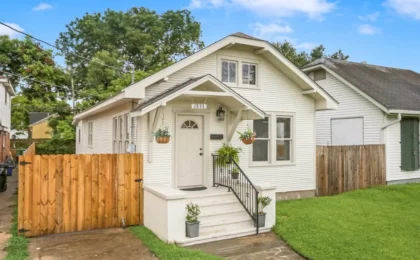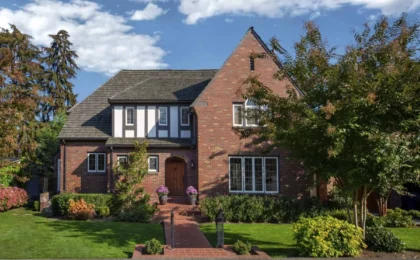
For decades, the “Open House” sign staked into a front lawn has been a hallmark of the real estate industry. It represents a designated window of time where prospective buyers can traverse a property without the formality of a scheduled, private appointment. While the digital age has shifted much of the home-buying process to virtual tours and high-definition photography, the physical open house remains a contentious but often vital component of a comprehensive sales strategy.
As the real estate market undergoes significant shifts—marked by cooling demand in many regions and a transition toward a buyer-friendly environment—homeowners and agents are re-evaluating the utility of these events. Does an open house actually facilitate a faster sale at a higher price, or is it merely an outdated tradition?
The Core Objective: Why Host an Open House?
At its most fundamental level, an open house is a marketing tool designed to bridge the gap between digital discovery and emotional connection. While online listings provide the “data”—square footage, bedroom counts, and price—the open house provides the “experience.”
“Open houses are an essential part of the homebuying and selling process,” says Jo Chavez, a Redfin Premier agent based in Kansas City, MO. “They give buyers a chance to experience a home in person, help sellers get more eyes on their listing, and create a sense of urgency when multiple buyers show up at once.”
Sellers typically rely on two primary conduits to reach the market: curated online listing photos and private, agent-led tours. The open house sits firmly between these two extremes. It offers a low-pressure environment for casual browsers to become serious prospects, while simultaneously acting as a litmus test for the home’s appeal. By removing the barrier of scheduling a private showing, sellers invite a broader demographic to engage with the property, effectively widening the funnel of potential leads.
Chronology of an Open House Strategy
A successful open house is not an isolated event; it is the climax of a week-long preparation process. Understanding the timeline of a strategic open house is key to maximizing its effectiveness:
- Preparation (T-minus 7 days): This phase involves deep cleaning, staging, and minor repairs. The home must be "market-ready," which often entails decluttering to ensure potential buyers can visualize themselves in the space.
- Digital Promotion (T-minus 5 days): The event must be broadcast across the Multiple Listing Service (MLS), social media platforms, and real estate portals. The goal is to generate anticipation.
- The Event (The Weekend): This is the window of operation. It is often recommended to hold the open house during peak traffic hours, typically Saturday or Sunday afternoons.
- The Follow-Up (Post-Event): The true value of the open house is often realized in the 48 hours following the event. Agents analyze sign-in sheets, solicit feedback from attendees, and reach out to interested parties to convert "lookers" into "offerers."
Supporting Data: Do Open Houses Impact Sale Price and Speed?
The debate over the efficacy of open houses is frequently settled by data. A comprehensive analysis conducted by Redfin suggests that homes utilizing a first-weekend open house strategy often outperform those that do not. According to the research, properties marketed with an initial open house event tended to sell for a higher percentage of the list price and spent fewer days on the market compared to comparable homes that skipped the event entirely.
However, experts urge caution when interpreting these statistics. Correlation does not always imply causation. Homes selected for open houses are often those that agents already deem to be “market-ready” and competitively priced. In this sense, the open house acts as an amplifier rather than a creator of demand. If a property is priced correctly, presented immaculately, and located in a desirable neighborhood, an open house provides a concentrated forum for that latent demand to manifest. Conversely, if a home is overpriced or suffers from structural issues, an open house will likely serve only to highlight those deficiencies to a larger audience.
Official Perspectives: The Professional View
The professional real estate community generally views the open house as a multi-purpose asset. Beyond just finding a buyer, it serves as a valuable feedback loop.
“An open house helps both parties by giving buyers a low-pressure way to explore a home while giving sellers valuable feedback about what’s working and what isn’t,” Chavez notes. This feedback—ranging from comments on floor plans to objections regarding neighborhood noise or finishes—can be critical for sellers who need to adjust their strategy mid-listing.
Furthermore, private showings should never be sidelined in favor of an open house. The two strategies are intended to work in tandem. While an open house serves to cast a wide net, private showings cater to high-intent buyers who may feel uncomfortable in a crowded room. Maintaining both options ensures that the seller captures both the casual browser and the serious investor.
Implications for Today’s Market
The utility of an open house fluctuates significantly based on the prevailing market conditions. In a high-competition “seller’s market,” the primary goal of the open house is to manufacture artificial urgency. By grouping potential buyers into a single two-hour window, agents can create an atmosphere of scarcity, encouraging buyers to move quickly with their offers.
However, the current economic landscape—characterized by many as a “buyer’s market”—requires a different approach. With higher interest rates and more cautious consumer sentiment, the goal is no longer just urgency; it is visibility.
“In today’s market, where concessions are common and sales are low, my clients often feel hesitant to make a move,” says Chavez. “In that environment, an open house isn’t a guarantee of an offer, but it’s one of the few ways to get sidelined buyers into a home.”
The Downsides: Privacy and Logistics
Despite the potential benefits, sellers must weigh the costs. Holding an open house is a logistical challenge. It requires the homeowner to vacate the property for several hours, which can be an immense burden if they are living in the home full-time.
Additionally, there are security and privacy concerns. Allowing a steady stream of strangers to walk through one’s personal space necessitates that homeowners secure valuables and personal documents. Furthermore, not every attendee is a qualified buyer. Some may be curious neighbors, others might be "looky-loos" simply killing time, and some may be months away from being financially ready to purchase. These visitors can occupy the agent’s time, potentially distracting them from more serious prospects.
Crafting a Successful Open House
To ensure an open house produces tangible results rather than just foot traffic, several best practices should be observed:
- Strategic Staging: A home must look inviting. Neutral colors, pleasant lighting, and an organized layout are essential.
- Professional Signage: High-visibility signs in the neighborhood help capture passing traffic that may not have seen the listing online.
- Agent Presence: An experienced agent should be on-site to handle inquiries, highlight the home’s selling points, and—most importantly—capture contact information for follow-up.
- Parallel Marketing: Never pause private showings. The open house is an addition to, not a replacement for, standard marketing efforts.
How to Measure Success
Success should not be measured merely by the number of attendees. A house with 50 visitors who have no intention of buying is less successful than a house with five visitors, all of whom are pre-approved and interested.
Key indicators of a successful event include:
- Inquiries: A noticeable uptick in messages or calls in the days immediately following the event.
- Follow-up Requests: A request for a private second showing is one of the strongest signals of buyer intent.
- Offer Volume: Ultimately, the receipt of one or more competitive offers.
If an open house concludes without these indicators, it is not necessarily a failure of the open house concept itself, but rather a diagnostic tool. It suggests that the price, the presentation, or the broader market conditions may need to be re-evaluated.
The Bottom Line
Selling a home is a complex, multi-faceted process that rarely rests on a single decision. Whether to hold an open house is a strategic choice that depends on the property’s unique characteristics and the current market climate. While not a silver bullet, when executed with precision and integrated into a broader sales strategy, the open house remains a powerful, time-tested tool for connecting sellers with the right buyers.
As Chavez concludes, “I always encourage my sellers to think of an open house as one piece of a larger strategy. The more qualified buyers we can get through the door, the better chance we have of finding the right buyer and getting a stronger offer.”