The United States is a vast culinary tapestry, woven with threads of local ingredients, historical necessity, and regional innovation. While the classic trio of chocolate, vanilla, and strawberry serves as the baseline for the American ice cream experience, the true soul of the nation’s frozen dessert culture lies in the regional specialties that cross state lines. These are not merely flavors; they are cultural touchstones that encapsulate the geography, history, and identity of the areas they inhabit. From the maple-infused slopes of Vermont to the berry-rich hills of Oregon, we explore the most iconic ice cream flavors invented in every corner of the United States.
The Evolution of the American Scoop: A Chronology of Flavor
The history of ice cream in America is a timeline of adaptation. In the early 19th century, ice cream was a luxury for the elite, often flavored with expensive imports like vanilla or chocolate. However, as the 20th century dawned and industrial refrigeration became accessible, a democratization of flavor began to take root.
- The Early 1900s: As the dairy industry standardized, the South began experimenting with indigenous ingredients. Butter Pecan emerged during the Jim Crow era, born from the necessity of Black cooks to create rich, satisfying desserts when barred from accessing premium ingredients.
- The Mid-20th Century: The 1950s and 60s saw the rise of "flavor chemistry." During this period, regional companies like Milwaukee’s Petran Products began creating synthetic, vibrant flavors like "Blue Moon," designed to entice the burgeoning youth market with neon colors and ambiguous, exciting flavor profiles.
- The Modern Craft Era: In the last two decades, the focus has shifted toward high-quality, local sourcing. The rise of companies like Tillamook in the Pacific Northwest and the cult-like following of Vermont’s "creamee" culture reflect a modern consumer base that values provenance, regional pride, and the "farm-to-scoop" movement.
New England: The Alchemy of Maple Creamee
In the rugged, rolling landscapes of Vermont, the "creamee" is more than a dessert—it is an institution. Unlike standard soft serve, which relies on a higher milkfat content, the maple creamee is crafted with a specific ratio that yields a lighter, more ethereal texture.
The Science of the Creamee
The defining characteristic of the Vermont maple creamee is the utilization of pure, Grade A maple syrup. The low-fat base allows the nuanced, woody, and complex notes of the maple to shine without being masked by heavy butterfat. Furthermore, the modern refinement of this flavor often includes a delicate infusion of sea salt. This addition creates a "sweet-savory" harmony that elevates the profile from a simple sugar rush to a sophisticated gastronomic experience.
Mid-Atlantic: The Mystery of Teaberry
Pennsylvania presents a conundrum for the uninitiated: Teaberry ice cream. At first glance, its neon-pink hue suggests a strawberry or cherry profile. However, one bite reveals a cooling, medicinal, and distinctly minty sensation that puzzles and delights in equal measure.

A Botanical Legacy
The flavor is derived from the Gaultheria procumbens plant, commonly known as wintergreen. In the mid-Atlantic, particularly in Pennsylvania’s local creameries, the tradition of using wintergreen as a flavoring agent has persisted for generations. It stands as a testament to regional isolation; while the rest of the country moved toward mass-produced flavorings, Pennsylvania’s dairy industry maintained a deep connection to local botanical traditions, preserving a taste profile that remains largely undiscovered by the national market.
The Southeast: Butter Pecan as a Symbol of Resilience
Butter Pecan is perhaps the most culturally significant flavor on this list. Its origins are deeply rooted in the struggle for equality in the American South. During periods of institutionalized segregation, Black cooks were often denied the right to serve or consume standard, high-end vanilla ice cream.
Culinary Innovation and Resistance
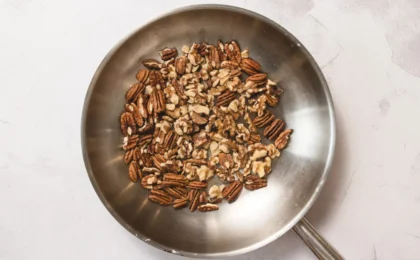
By roasting pecans in butter—a staple in Southern pantries—and folding them into a vanilla base, Black culinary innovators created a dessert that was arguably superior to the original. The addition of the nuts provided a textural depth and a savory, toasted profile that transformed a basic custard into a hearty, satisfying experience. Today, Butter Pecan serves as a poignant reminder of how, even in the face of systemic oppression, culinary ingenuity can thrive and eventually define a region’s identity.
Midwest: The Enigma of Blue Moon
In the Midwest, particularly across Wisconsin and Michigan, "Blue Moon" is a flavor that defies categorization. It is a bright, cerulean scoop that serves as a staple of summer fairs and local parlors, yet its ingredients remain a guarded secret.
The Flavor Chemistry Debate
Industry experts and historians often point to Bill Sidon of Milwaukee’s Petran Products as the progenitor of the flavor. While no official recipe is widely publicized, sensory analysis suggests a complex blend of citrus, almond, and berry esters, often compared to the sweetness of fruit-flavored cereal. Its longevity in the Midwest is not due to any singular recognizable fruit, but rather its status as a "nostalgia flavor"—a taste that defines childhood summers for millions of Midwesterners.

Rocky Mountains: The Huckleberry Harvest
Wyoming and the surrounding Rocky Mountain states possess a unique ecological advantage: the wild huckleberry. Unlike the domesticated blueberries found elsewhere, huckleberries are notoriously difficult to cultivate, meaning they are primarily harvested in the wild.
The Seasonal Standard
Huckleberry ice cream is a hyper-seasonal offering that captures the essence of the Rocky Mountain summer. Its flavor profile is a delicate balance between tart and sweet, with an acidity that cuts through the cream. Because these berries are a wild crop, the ice cream is often perceived as a "foraged" luxury, making it a point of immense local pride. It represents a connection to the land that is becoming increasingly rare in an era of globalized food chains.
Southwest: Texas Sheet Cake and Modern Adaptations
The Southwest, while historically dominated by savory flavor profiles, has found a sweet spot in the "Texas Sheet Cake" phenomenon. Texas sheet cake—a rich, chocolatey, fudge-frosted confection—has been successfully adapted into ice cream format by both regional artisans and national premium brands like Jeni’s Splendid Ice Creams.
Implications for the Industry
The success of Texas Sheet Cake ice cream highlights a shift in how regional desserts are commodified. By taking a specific, localized cake recipe and translating it into a frozen format, brands are able to export a "taste of place" to consumers thousands of miles away. It bridges the gap between home-baked tradition and mass-market convenience.
Pacific Coastal: The Marionberry Revolution
In Oregon, the marionberry is king. Developed at Oregon State University, this cross between two varieties of blackberry is widely considered the pinnacle of berry flavor, characterized by its deep, earthy, and intense sweetness.

Oregon’s Gift to the World
The marionberry’s transition from a local agricultural product to a premier ice cream flavor is a case study in successful regional branding. Companies like Tillamook have centered their entire premium line around the marionberry, turning a niche Oregon crop into a national benchmark for berry-flavored ice cream. It is a prime example of how scientific research and regional agriculture can converge to create a product that defines a state’s culinary reputation.
Conclusion: The Future of Regional Flavors
As the American ice cream industry continues to evolve, the distinction between regional specialties and national favorites will likely continue to blur. However, the importance of these flavors remains unchanged. They are the stories we tell through our food—a history of geography, struggle, innovation, and community. Whether it is the wintergreen bite of a Pennsylvania teaberry scoop or the wild, tart essence of a Wyoming huckleberry, these flavors ensure that even as the world grows smaller, our regional identities remain deliciously, vibrantly intact. As consumers continue to seek out authentic experiences, the demand for these hyper-local, historically rich flavors will only grow, ensuring that the "best" ice cream in the country will always be the one that tells the most compelling story about where it came from.