When one considers relocating to Boston, the mind often drifts to a collection of postcard imagery: the hearty comfort of baked beans, the thunderous roar of the crowd at Fenway Park, and the storied path of the Boston Marathon. Yet, to define Boston solely by these landmarks is to overlook the intricate, multilayered character of a city that sits at the intersection of American heritage and cutting-edge innovation.
Boston, Massachusetts, is not merely a destination; it is an experience that consistently tops the "best of" lists for urban living in the United States. Whether you are a prospective homeowner scouting the diverse residential tapestry of its neighborhoods or an outsider curious about what life is like in this coastal titan, the city reveals itself as a place of profound substance.
The Foundations: A Brief Chronology of a Revolution
To understand modern Boston, one must look at the timeline that shaped the American identity. As one of the original American colonies, Boston’s history is not just preserved in plaques; it is the very fabric of the streets.
- 1630: The city is officially founded by Puritan colonists, establishing it as a primary hub for commerce and religion.
- 1773–1775: Boston emerges as the epicenter of the American Revolution, hosting pivotal events such as the Boston Tea Party and the ride of Paul Revere.
- 1800s: The city evolves into an intellectual powerhouse, birthing major academic institutions and the "Athens of America" reputation.
- 20th Century: The transition from a manufacturing economy to a knowledge-based economy, driven by world-class universities and a booming biotech sector.
- Present Day: Boston stands as a global leader in education, medicine, and technology, balancing its historic preservation with rapid modern development.
1. The Living Museum: A Heritage of History
Boston’s history is not confined to glass cases; it is a living, breathing component of the urban landscape. "Boston is known for being at the center of the American Revolution, and the city’s rich history is a huge part of its appeal," says Nikki Stewart, Executive Director of the Old North Foundation. "People come from all over the world to experience the Freedom Trail and see historical icons like the Old North Church."

The city’s architecture serves as a timeline. In neighborhoods like Beacon Hill, you encounter Federal-style row houses and gas-lit cobblestone streets that feel untouched by the 21st century. Conversely, the Seaport District offers a stark, glass-and-steel contrast, demonstrating how Boston manages to allow old and new to coexist without friction.
2. An Intellectual Powerhouse
The "Hub of the Universe" moniker is well-earned. The concentration of prestigious institutions—including Harvard University, MIT, Boston College, and Northeastern—is unparalleled.
"The city draws tech geniuses from around the globe to MIT and swarms of brilliant people to the likes of Boston University and Tufts," explains Dave Bergman, Ed.D, Director of Content at College Transitions LLC. This academic density creates an atmosphere of "raw intellect and an innovative spirit" that permeates every local industry, from healthcare to robotics. For students and professionals alike, the city functions as a giant, collaborative classroom.
3. The Culinary Renaissance
Gone are the days when Boston’s food reputation rested solely on clam chowder and baked beans. While those staples remain iconic, the city has evolved into a sophisticated culinary destination.
"How can you tell Boston’s food scene is thriving? Look at the new High Street Place food hall that has attracted James Beard award-winning chefs," notes Chef Denise, a culinary explorer. The city’s food culture is heavily influenced by its Irish and Italian heritage, but it is currently being reshaped by a new generation of talent. From artisanal pasta makers at the Boston Public Market to avant-garde fusion kitchens, the city offers a menu that reflects its diverse, global population.
4. Sports Culture: More Than a Game
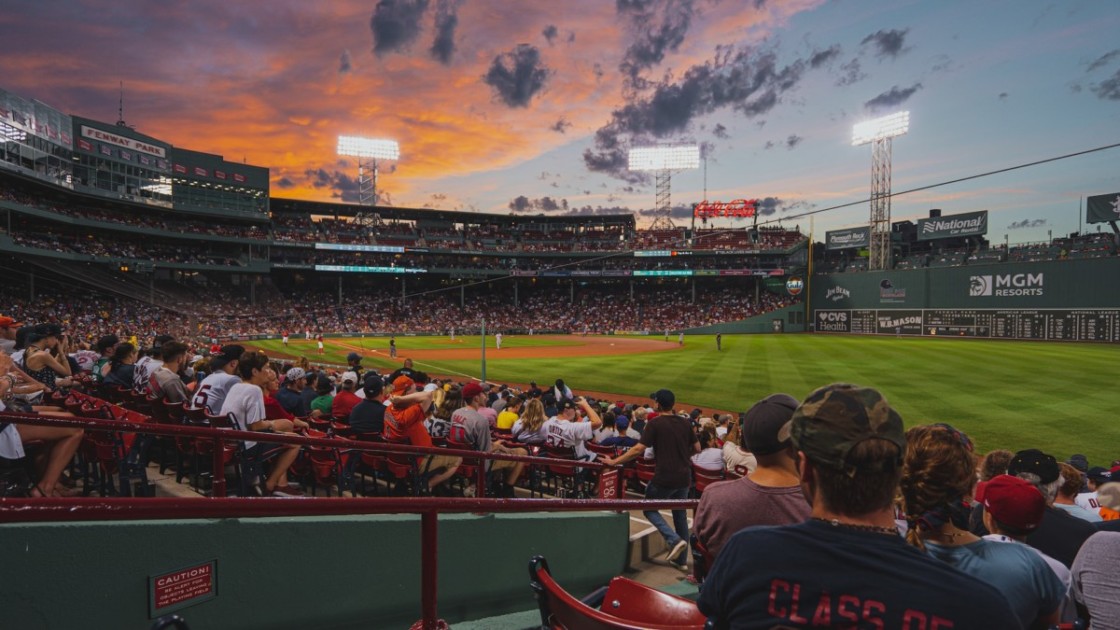
In Boston, sports are not a pastime—they are a civic religion. Whether it is the storied legacy of the Red Sox at Fenway Park, the dominance of the Celtics, or the intensity of the Bruins, the camaraderie among Boston fans is legendary. Even for the casual observer, the atmosphere during a game day is infectious, transforming the city into a sea of team colors and shared passion.
5. The Architecture of Neighborhoods
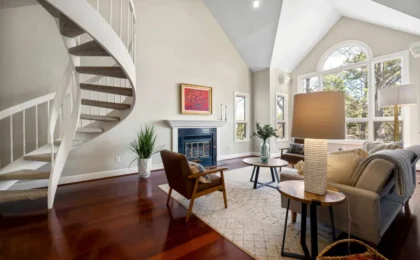
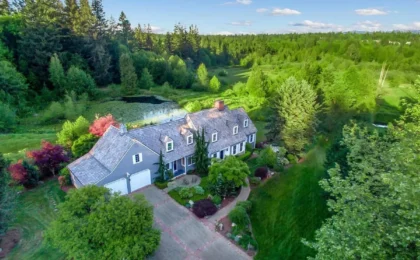
Real estate in Boston is as varied as the people who inhabit it. The city is a collection of distinct villages, each with a unique personality.
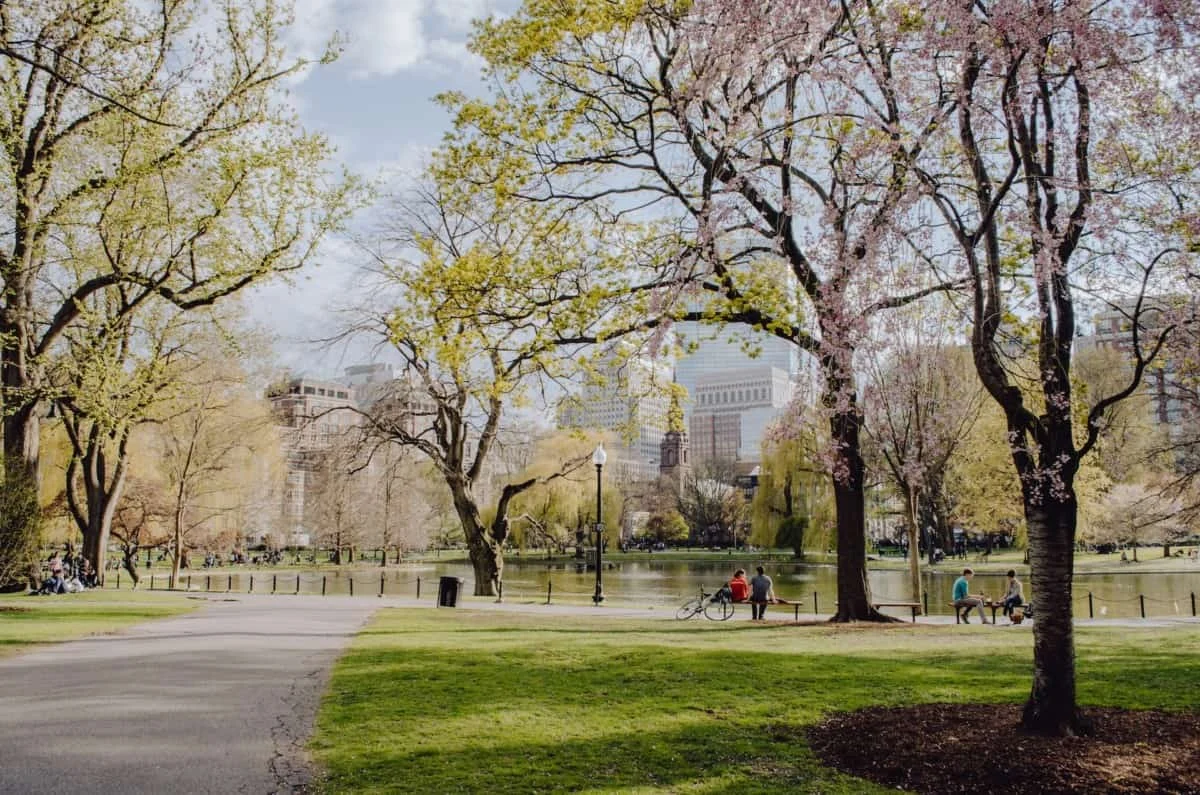
- Beacon Hill: Defined by its romantic, historic charm and proximity to the Boston Common.
- The North End: The city’s "Little Italy," offering a dense, small-town atmosphere with world-class dining.
- Charlestown: A neighborhood that blends colonial history with a modern, tight-knit community feel.
- Seaport: The center of the city’s modern development and luxury living.
"No two neighborhoods feel the same," says real estate photographer Todd Beltz. "One day I’m shooting a classic triple-decker in Cambridge, the next a stately colonial in Brookline. The diversity of architecture mirrors the diversity of the people."
6. Official Perspectives on Urban Life
Moving to Boston requires more than just finding an apartment; it requires selecting a lifestyle. According to Daniel, owner of RELOQ Moving Services, the key to success in the city is research. "We always encourage people relocating here to research neighborhoods carefully; choosing the right community can make all the difference in enjoying everything Boston has to offer."
The city’s walkability is a major factor in its desirability. Unlike many U.S. cities where a vehicle is a necessity, Boston is designed for the pedestrian. The Boston Harborwalk—a 40-mile public walkway—is a testament to this, offering a scenic, active route that connects the city’s waterfront neighborhoods.
7. Implications: Why Boston Matters Today
The implications of Boston’s current trajectory are clear: it is a city that refuses to stagnate. By leveraging its history to fuel its future, Boston remains a magnet for the best minds in technology, medicine, and the arts.
For the average citizen, this translates into an incredibly high quality of life. Access to world-class museums like the Isabella Stewart Gardner Museum, constant seasonal festivals, and a robust public transit system ensures that the "small-town feel" does not come at the cost of "big-city opportunities."
Supporting Data: The Seasonal Appeal
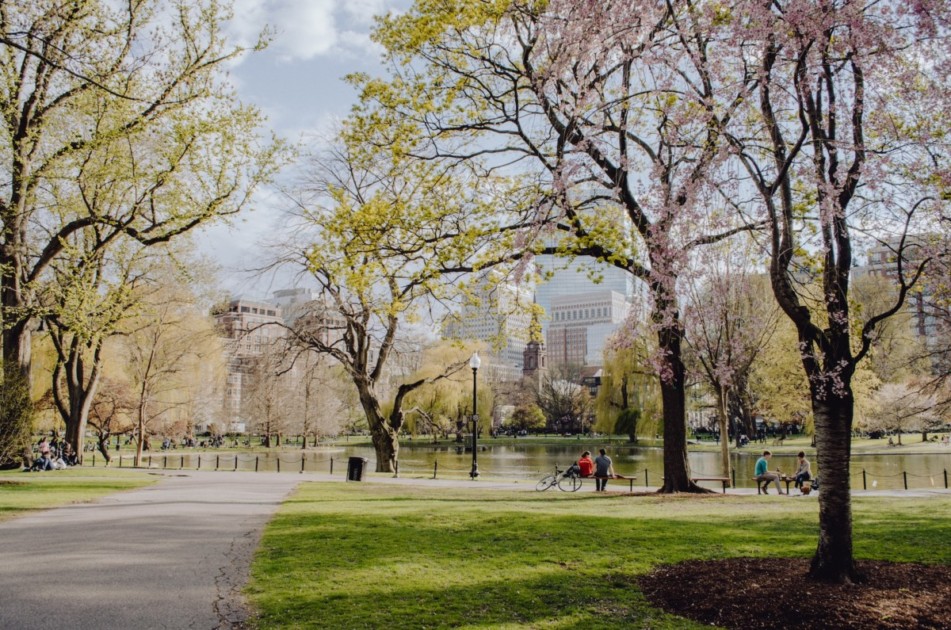
The city’s allure is not limited to a single season.
- Fall: Famous for vibrant foliage and comfortable temperatures, ideal for walking the Freedom Trail.
- Winter: A time for holiday cheer in the historic districts and proximity to world-class winter sports in the surrounding New England states.
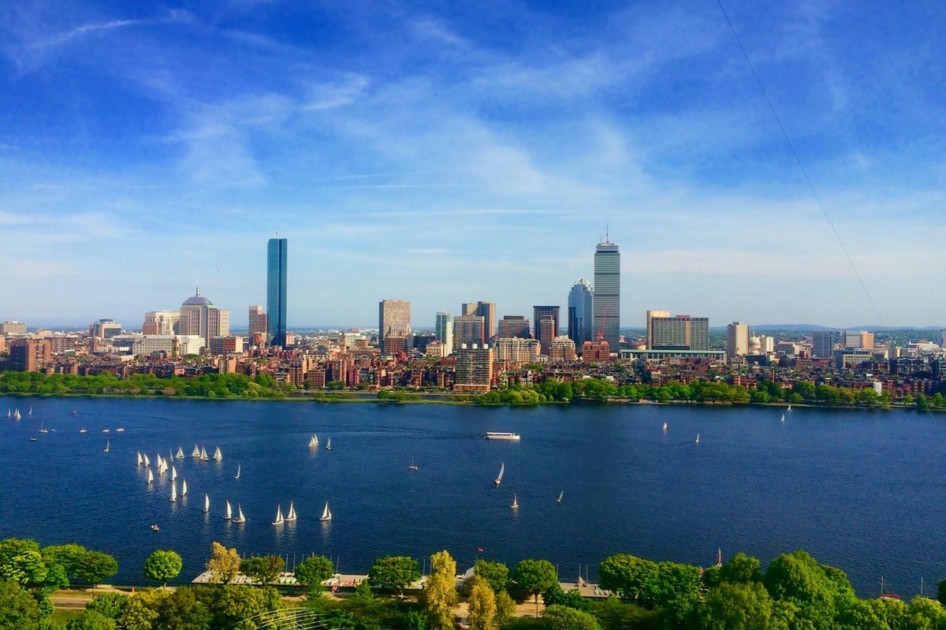
- Spring/Summer: The season of the Boston Marathon, the Boston Harbor Fest, and outdoor dining along the Charles River.
Conclusion: Finding Your Place in the Hub
Boston is a city of layers. To truly know it, you must peel them back one by one—from the gas lamps of Beacon Hill to the cutting-edge laboratories of Kendall Square. It is a city that demands engagement, rewarding those who explore its history, participate in its sports, and indulge in its evolving food scene.
As you consider your move, remember the advice of the experts: pick your neighborhood based on your lifestyle, not just the commute. Whether you are seeking the intellectual rigor of a university hub, the historical gravitas of the colonial era, or the vibrant pulse of a modern coastal city, Boston is ready to offer a place to call home. It is, in every sense of the word, a city that leaves you hungry for more.