As the automotive industry approaches the end-of-year sales cycle, Ford is making waves with a preemptive strike on the pricing of two of its most popular vehicles: the Bronco Sport and the Maverick. In a market where vehicle affordability has remained a primary pain point for consumers, Ford’s latest move for the 2027 model year appears to be a calculated effort to lower the barrier to entry. However, as is often the case with aggressive price positioning, the devil lies in the details.
For the 2027 model year, Ford is implementing a "value-down, feature-down" strategy for its compact SUV, while taking a more surgical approach to its compact pickup line. While the reduction in MSRPs (Manufacturer’s Suggested Retail Price) is a welcome headline for budget-conscious buyers, the reality of these changes involves a complex trade-off between bottom-line cost and standard equipment levels.
The Strategic Context: Why Now?
To understand why Ford is adjusting its pricing structure, one must look at the current macroeconomic climate of the automotive industry. With interest rates hovering at elevated levels and consumer sentiment regarding big-ticket purchases cooling, automakers are under immense pressure to maintain volume.
By trimming the starting prices of the Bronco Sport and the Maverick, Ford is effectively widening its net. The move is a dual-pronged strategy: it keeps the entry-level price points competitive against rising rivals and clears the path for a new lineup of electrified offerings, such as the forthcoming Fathom EV, by creating a distinct price hierarchy within the brand’s broader portfolio.
Bronco Sport: The Cost of Accessibility
The Ford Bronco Sport has established itself as a rugged, lifestyle-oriented companion for urban adventurers. However, for 2027, the path to ownership is shifting. According to data provided by CarsDirect, the most significant price reduction is found on the top-tier Badlands trim, which sees a $505 decrease.
While a price cut on the flagship trim is notable, the trade-offs are significant. Ford has opted to swap several formerly standard features for optional extras, a move designed to lower the advertised starting price without necessarily eroding the vehicle’s profit margins.
The "Feature-Down" Reality
For the discerning buyer, the 2027 Bronco Sport requires a closer look at the spec sheet. On the Badlands trim, the transition from power-adjustable seats to manual adjustment marks a departure from the convenience-focused expectations of a premium trim. Additionally, the removal of the auto-dimming rearview mirror is a subtle but noticeable reduction in creature comforts.
Perhaps the most universally discussed change is the universal removal of the Auto Start-Stop technology across all 2027 Bronco Sport trim levels. For many enthusiasts, this is a "feature" they are glad to see go, as it eliminates the need to manually disable the system during every drive cycle. However, this shift comes with a mechanical caveat: without the ability to cut the engine during idle, fuel economy figures for the 2027 model year are expected to see a slight downward adjustment compared to their 2026 predecessors.
2027 Bronco Sport Pricing Structure
| Trim Level | 2027 MSRP | Change vs. 2026 |
|---|---|---|
| Big Bend | $31,695 | -$150 |
| Heritage | $33,490 | +$95 |
| Outer Banks | $34,985 | -$160 |
| Badlands | $36,760 | -$505 |
Note: Prices exclude destination fees, which remain subject to change.
The Maverick Transformation: Refining the EcoBoost Lineup
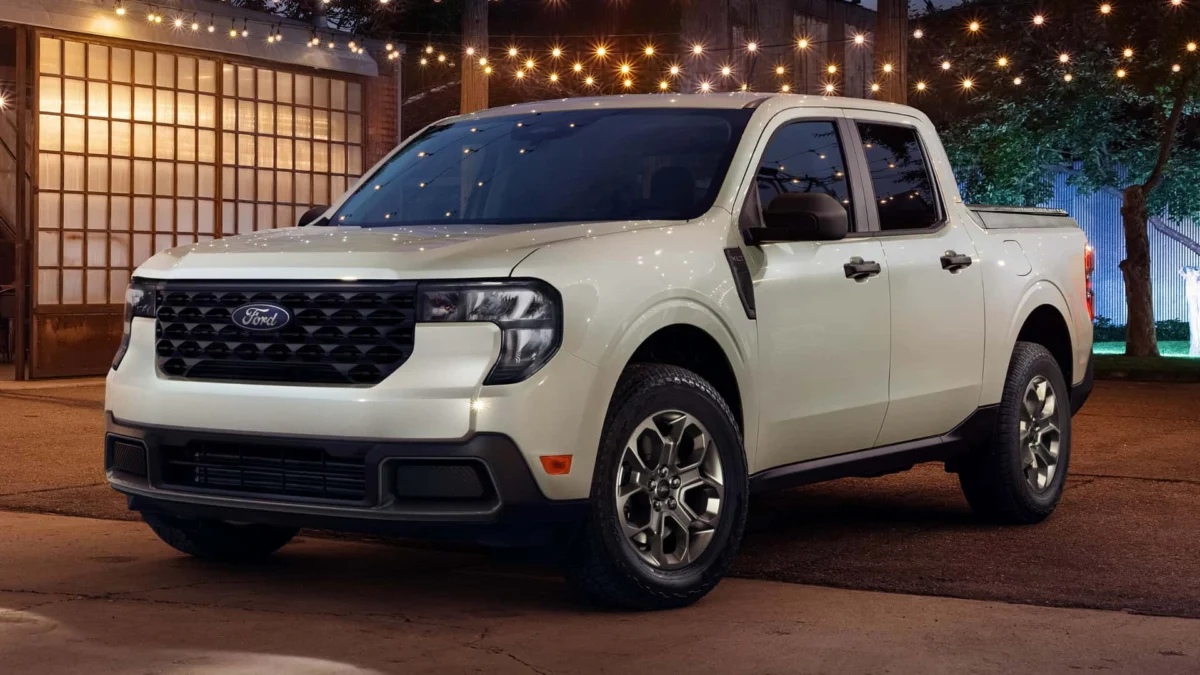
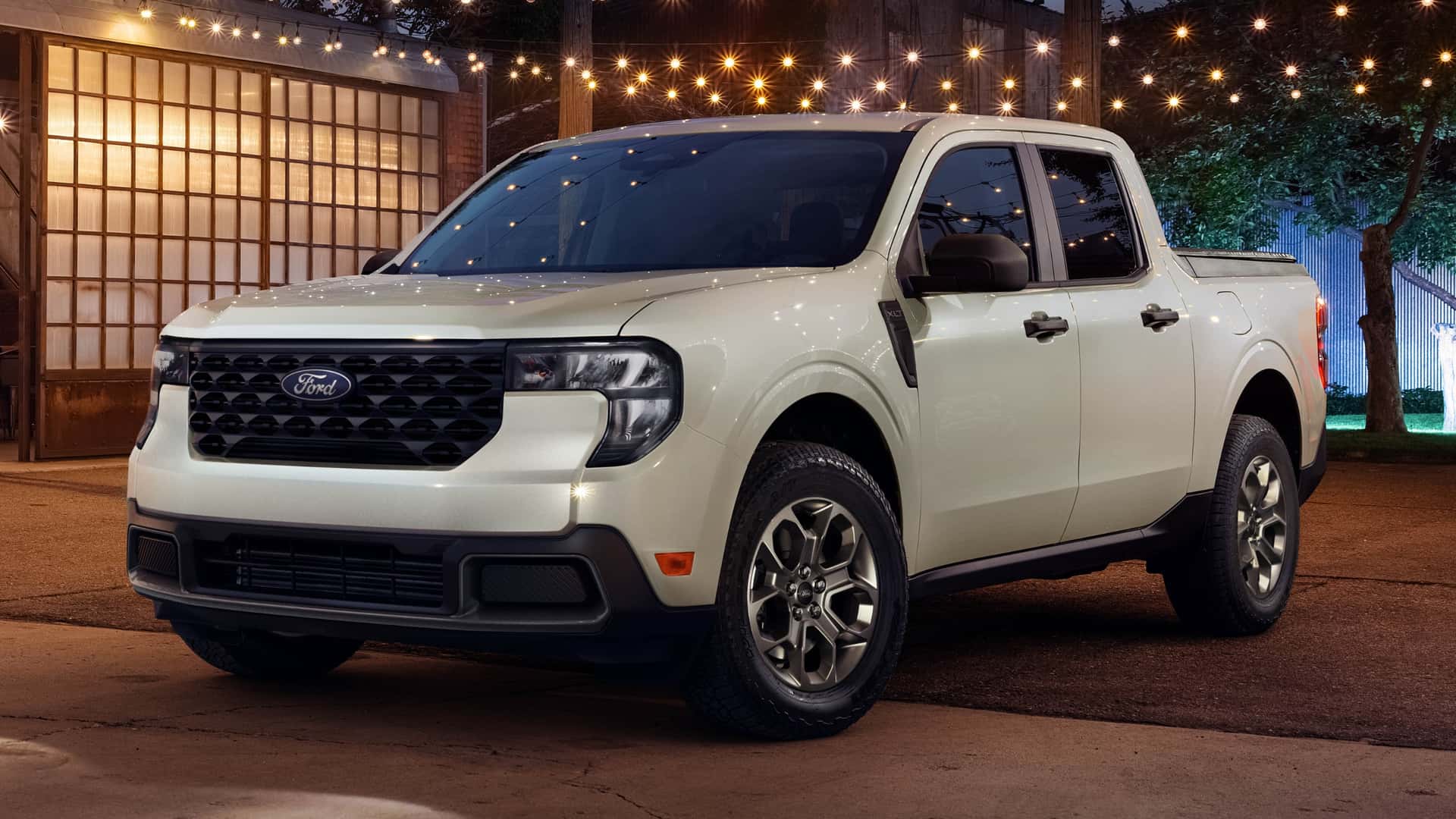
If the Bronco Sport represents a consolidation of features, the 2027 Ford Maverick represents a fundamental restructuring of powertrain availability. The Maverick has been a runaway success for Ford since its inception, largely due to its versatility as a hybrid-capable compact pickup.
For 2027, Ford is making the EcoBoost engine—the turbocharged gas powertrain—more exclusive, while simultaneously introducing aggressive price drops on the higher-performance variants.
The Hybrid Pivot
The entry-level XL trim is now strictly a hybrid-only affair. By maintaining the previous year’s pricing for the base model, Ford ensures that the "entry-level" promise of the Maverick remains intact. However, those looking for the punchy performance of the EcoBoost powertrain will find their choices restricted. The Lariat trim, previously a popular destination for those wanting a fully-loaded EcoBoost truck, will no longer offer that engine option.
Instead, Ford is funneling EcoBoost shoppers toward the XLT, the performance-oriented Lobo, and the off-road-ready Tremor. This creates a clearer distinction between the utilitarian hybrid models and the "enthusiast-focused" gas models.
Significant Savings on Performance Trims
While the EcoBoost XLT has seen a price hike of $3,600—likely due to the inclusion of all-wheel drive as standard—the real news is the massive reduction in the cost of the performance and off-road models. The Lobo and Tremor models see price cuts ranging from $3,490 to over $4,200. This is a rare example of an automaker making higher-performance hardware more accessible rather than pushing it into the stratosphere of luxury pricing.
2027 Ford Maverick Pricing Structure
| Trim Level | 2027 MSRP | Change vs. 2026 |
|---|---|---|
| Hybrid XL | $28,145 | — |
| EcoBoost XLT | $30,754 | +$3,600 |
| Lobo Standard | $32,155 | -$3,775 |
| Lobo High | $37,155 | -$4,270 |
| Tremor | $37,155 | -$3,490 |
Implications for the Consumer and the Market
The implications of these pricing strategies are twofold. First, they signal that Ford is listening to the market’s demand for lower starting prices. By cutting the price of the Maverick Lobo and Tremor, Ford is positioning these vehicles as "value-performance" plays that are difficult for competitors to replicate.
Second, the Bronco Sport strategy suggests a move toward modularity. By de-contenting the vehicle, Ford allows the base price to look more attractive to buyers who might otherwise be priced out, while keeping the high-margin features available as add-ons for those who still want a premium experience.
The Competitive Landscape
As we look toward the remainder of the decade, the landscape is shifting. The introduction of the upcoming Fathom EV suggests that Ford is preparing to transition its compact truck customers toward an electric future. By keeping the combustion-powered Maverick affordable today, Ford is building brand loyalty that it hopes to capitalize on when its electric truck lineup hits full production.
Furthermore, with rumors of a potential Bronco-based pickup truck circulating in the industry, Ford’s current pricing actions could be a test run for how they plan to segment their "lifestyle" vehicle portfolio.
The Verdict: A Strategic Gamble
From the perspective of a consumer, these changes are a mixed bag. If you are in the market for a high-performance Maverick, the 2027 model year is a gift, offering thousands of dollars in savings on previously expensive trims. If you are a Bronco Sport buyer, the reduction in standard features like power seats and auto-dimming mirrors may feel like a step backward, even if the lower sticker price is welcome.
Ford is betting that the modern buyer is more price-sensitive than feature-sensitive. In an era of high inflation and rising living costs, this is likely a winning bet. By stripping out non-essential tech and refocusing its powertrain offerings, Ford is attempting to navigate the precarious balance between maintaining corporate profitability and keeping their showrooms accessible to the average American family.
As always, the final test will be on the dealer lot. With destination charges still pending and local market adjustments potentially complicating the final "out-the-door" price, shoppers should remain vigilant. However, in a market where news of price reductions is rare, Ford’s 2027 strategy serves as a refreshing, if complex, development in the automotive sector.
Whether this "less is more" approach will satisfy the brand’s diverse customer base remains to be seen, but one thing is certain: Ford is not content to let the market dictate its position. They are actively reshaping their identity to stay relevant in an increasingly crowded and competitive field.