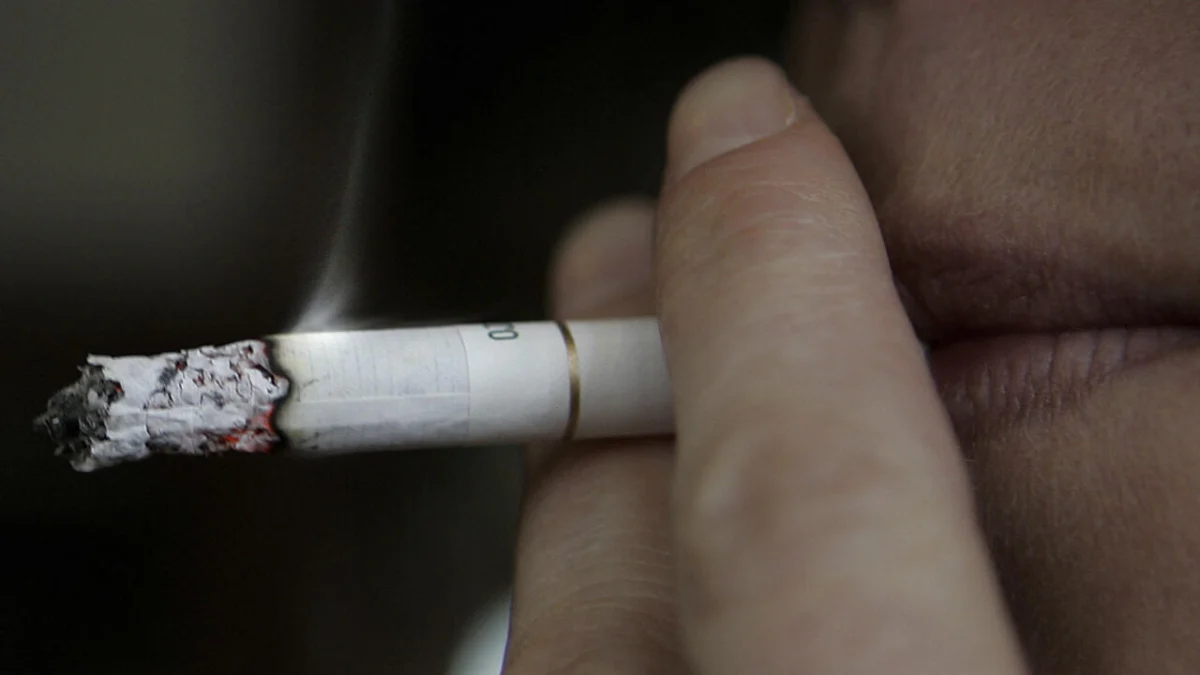
A devastating new report published this week in the prestigious medical journal The Lancet has laid bare the staggering global toll of second-hand smoke, revealing that more than 2.7 billion people—including over 767 million children—were forced to inhale toxic tobacco fumes in 2023. The study, which provides the most comprehensive analysis of exposure trends and disease burdens across 204 countries and territories, marks a somber milestone in global public health, highlighting that despite decades of anti-smoking advocacy, the "silent epidemic" of involuntary inhalation remains a leading driver of premature mortality.
According to the findings, exposure to second-hand smoke contributed to nearly 1.7 million premature deaths in 2023 alone. These fatalities are part of a larger, broader crisis where smoking-related illnesses claimed approximately 8 million lives globally last year. The researchers emphasize a chilling reality: there is no safe level of exposure to second-hand smoke, and the burden of this health risk falls disproportionately on the most vulnerable members of society, particularly children and women in regions where societal norms or lack of policy enforcement leave them unprotected.
The Mechanics of Danger: Why "Sidestream" Smoke Kills
To understand the severity of the crisis, one must look at the science of inhalation. The study clarifies that those in the proximity of a smoker are subjected to two distinct types of pollutants: smoke exhaled by the active smoker and "sidestream smoke" emitted directly from the burning end of a cigarette, cigar, or pipe.
The latter, the study notes, is particularly lethal. Because sidestream smoke is unfiltered, it carries higher per-unit concentrations of toxic and carcinogenic compounds than the smoke inhaled by the active smoker through a filter. When non-smokers breathe this in, they are essentially being exposed to a concentrated cocktail of chemicals—including carbon monoxide, formaldehyde, and benzene—without the mitigation provided by tobacco filters. This toxic inhalation acts as a catalyst for systemic inflammation and cardiovascular damage, with ischemic heart disease emerging as the primary cause of death among those exposed to these environments.
A Chronological Perspective: Three Decades of Stalled Progress
The researchers analyzed data from the US National Institutes of Health (NIH) database, PubMed, and extensive population surveys spanning from 1990 to 2023. The resulting timeline paints a complex picture of a world that has succeeded in curbing active smoking, yet failed to protect the non-smoking population.
- 1990–2000: The Era of Awareness: The early 1990s saw the first major global epidemiological push to recognize the dangers of passive smoking. During this decade, several Western nations began implementing the first rudimentary bans on smoking in public buildings and transport.
- 2000–2015: Policy Proliferation: Following the World Health Organization’s Framework Convention on Tobacco Control (WHO FCTC), many nations enacted comprehensive indoor smoking bans. While active smoking rates began a steady, measurable decline in high-income countries, the study notes that the benefits were unevenly distributed.
- 2015–2023: The Population Trap: While the percentage of the global population that smokes has dropped significantly, the study identifies a "plateau effect." Rapid population growth, particularly in regions such as Africa and the Middle East, has offset the gains made by anti-smoking legislation. As urban density increases, the number of people sharing air with smokers has remained stubbornly stable, effectively negating the progress made in smoking cessation.
Supporting Data: The Burden on Children and Women
The statistical breakdown provided by The Lancet is sobering, particularly concerning the impact on children. Of the 2.7 billion people exposed globally, 767 million are children aged 0 to 14. For this demographic, the health consequences are immediate and often chronic.
In 2023, the study estimates that second-hand smoke caused 5.2 million respiratory tract infections in children. These infections are not mere inconveniences; they represent a significant drain on healthcare systems and, in many low-resource settings, contribute to long-term lung development issues and increased susceptibility to asthma and pneumonia.
Furthermore, the study highlights a critical blind spot in current health policy: the status of women. In many cultures where female smoking rates are traditionally low, women remain highly exposed to smoke within the domestic sphere. The report explicitly states: "Despite this substantial burden, second-hand smoke exposure remains rarely acknowledged as a major risk factor for female health." The lack of recognition means that female-specific health interventions—which should account for reproductive health and cardiovascular risks exacerbated by smoke—are frequently missing from national health strategies.
Official Responses and the Call for Policy Reform
The medical community has responded to these findings with a renewed sense of urgency. Public health experts argue that the voluntary "courtesy" approach—asking smokers to step away—has proven insufficient.
"We are dealing with a structural failure," says one public health official involved in the review. "Governments have focused heavily on getting individuals to quit smoking, which is vital, but they have been far too hesitant to regulate the one place where exposure is most frequent: the home."
The study authors propose a multi-pronged approach for governments worldwide:
- Stricter Public Enforcement: Transitioning from "no-smoking zones" to completely smoke-free public spaces, including outdoor dining areas and transit hubs.
- Domestic Protection Initiatives: Implementing public health campaigns that focus on the dangers of indoor smoking, particularly in households with children.
- Gender-Sensitive Health Policy: Integrating second-hand smoke screening into maternal and women’s health clinics, treating passive smoke exposure as a primary risk factor for non-communicable diseases.
The WHO, which has long championed the MPOWER strategy—a package of measures designed to reduce tobacco demand—is expected to use this data to pressure member states to adopt more aggressive indoor air quality standards.
Implications: The Future of Global Health
The implications of this study are far-reaching. As the global population continues to urbanize, the density of human interaction increases. If smoking prevalence does not reach near-zero, the "sidestream" exposure will continue to claim millions of lives, regardless of the individual choices of those living in these environments.
There is also an economic imperative. The cost of treating ischemic heart disease and chronic respiratory infections induced by second-hand smoke is a multi-billion dollar burden on global economies. By shifting the focus from individual responsibility to systemic protection, countries could drastically reduce these expenditures while simultaneously improving the quality of life for billions.
Ultimately, the data suggests that we are at a crossroads. We can either continue to accept the status quo, where 2.7 billion people are forced to accept the toxic byproducts of another person’s habit, or we can move toward a world where clean, smoke-free air is recognized as a fundamental human right. As the report concludes, the technology and the policies to solve this exist; what remains to be seen is whether the political will can match the scale of the crisis.
For now, the 1.7 million lives lost in 2023 stand as a tragic indictment of our inability to close the gap between smoking cessation and the total elimination of involuntary exposure. The fight against tobacco is no longer just about the person holding the cigarette; it is about protecting the millions who never lit one, but are forced to pay the price all the same.