By Global News Desk
The bolivarian nation of Venezuela is grappling with its most catastrophic natural disaster in over a century. Following a pair of violent "doublet" earthquakes that struck the nation’s northern coastline on Wednesday evening, the confirmed death toll has surged to nearly 1,000. As of Friday, the situation on the ground remains dire, with international humanitarian organizations and local authorities warning that the number of casualties is likely to climb significantly higher as over 50,000 people remain unaccounted for.
The back-to-back tremors, measuring magnitudes of 7.2 and 7.5, have reduced entire apartment complexes in the coastal region of La Guaira to pulverized concrete and twisted rebar. The scale of the devastation, combined with the country’s fragile socio-political state, has sparked intense public anger, with survivors and grieving families openly confronting government officials over the perceived inadequacy of the state’s emergency response.
The Anatomy of a Disaster: A Chronology of Chaos
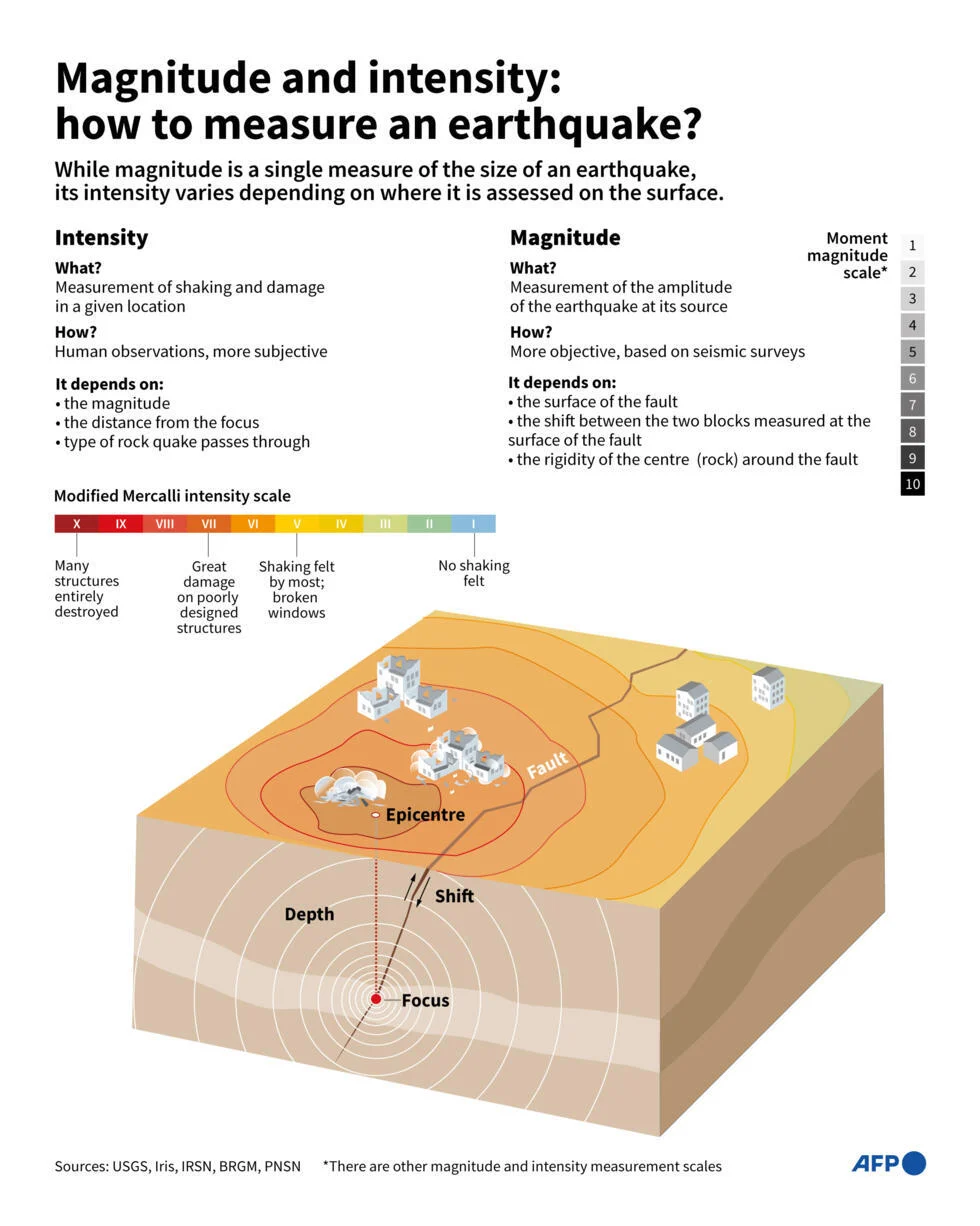
The tragedy unfolded with harrowing speed on Wednesday evening. At approximately dusk, the first seismic event—a magnitude 7.2 earthquake—struck the northern coast, followed within less than 60 seconds by a more powerful 7.5-magnitude aftershock. This "doublet" phenomenon, a rare and particularly destructive geological event, essentially destabilized structures already compromised by the first jolt, causing buildings that might have survived a single quake to crumble instantly.

Wednesday Evening: The Initial Impact
Within moments of the tremors, the coastal city of La Guaira, located just north of the capital, Caracas, was transformed into a landscape of ruin. Buildings that had housed hundreds of families became vertical graveyards. Power grids failed, telecommunications networks collapsed, and the immediate aftermath was defined by a terrifying silence punctuated only by the cries of those trapped beneath the debris.
Thursday: The Scramble for Survival
By Thursday morning, it became clear that local emergency services were woefully under-equipped to handle a disaster of this magnitude. As the realization of the scale dawned on the public, spontaneous rescue efforts began. Citizens, neighbors, and volunteers formed human chains, using bare hands, sledgehammers, and makeshift tools to clear rubble. The lack of heavy machinery—cranes, hydraulic cutters, and excavators—became a focal point of public resentment, as precious hours for potential survivors ticked away.
Friday: Official Restrictions and Rising Tensions
By Friday, the government’s response shifted toward containment. Interior Minister Diosdado Cabello announced in a televised address that access to the primary disaster zones would be strictly restricted starting at 8:00 PM local time (0000 GMT Saturday). While the government cited safety and security concerns as the primary drivers for this lockdown, the decision was met with immediate backlash from families still searching for their loved ones.
A Nation at Its Breaking Point: The Human Cost
The emotional toll of the tragedy is perhaps best captured in the individual stories emerging from the wreckage. In La Guaira, the search for survivors has largely transitioned into a somber recovery mission.

Nadiomar Polanco, leading a rescue team from Chile, surveyed a residential complex that had once been four tall buildings. "Unfortunately, the collapse is total," Polanco told reporters. "There is little chance of finding survivors. Efforts are now focused on recovering the bodies of the deceased."
For families, the bureaucratic and logistical failures are secondary to the personal agony of loss. Marjosly Salazar, 40, stood before the ruins of what was once her home, pleading for help. "I am looking for my little Gael… he was only five months old," she said, her voice trembling. Salazar has already lost her 16-year-old daughter to the quake and remains without news of her infant son and cousin. "Please, we need support here. We need machinery to start lifting the columns. We haven’t seen any government officials here, none at all."
This sentiment is echoed across the disaster zone. In an upscale Caracas neighborhood, interim leader Delcy Rodriguez faced a hostile reception during a site visit. Citizens behind security cordons shouted chants of negligence, vocalizing a deep-seated distrust of an administration that many believe has presided over a decade of systemic collapse.
Socio-Political Implications: A Fragile State Under Stress
The earthquake has struck at a time when Venezuela is at its most vulnerable. The country is navigating a delicate political transition, having seen the ousting of Nicolas Maduro just six months prior. However, the legacy of that era remains: a hollowed-out healthcare system, a decayed infrastructure, and an economy that has seen millions flee in search of stability.

UN aid chief Tom Fletcher, speaking to the international press, highlighted the inherent danger of the current situation. "It’s a very, very complex emergency response," Fletcher noted. He warned that the lack of resources—hospitals already struggling with medical shortages and a lack of heavy equipment—means that the window for rescue is closing faster than it would in a more stable economy.
The UN and various humanitarian agencies have issued a joint statement emphasizing that "the international community must not allow this emergency to deepen into a larger human tragedy." Even prior to the quakes, the country was suffering from severe food insecurity and limited access to basic public services, factors that have now compounded the difficulty of providing relief to the displaced.
International Response: The Global Mobilization
Recognizing the severity of the crisis, the global community has begun a massive mobilization effort. The UN’s Office for the Coordination of Humanitarian Affairs (OCHA) confirmed that search-and-rescue teams from at least 17 nations have been deployed or are currently en route to Venezuela.
The Scope of Foreign Aid
- The United States: In a move that signals a significant shift in diplomatic engagement, the U.S. has committed a disaster response team of over 250 personnel. This includes specialized search-and-rescue units equipped with canine teams specifically trained to detect life under deep rubble. President Donald Trump and Secretary of State Marco Rubio have been in direct contact with the interim leadership to coordinate the arrival of humanitarian aid, medical supplies, and temporary shelter infrastructure. A senior U.S. military official has already landed in Caracas to oversee the logistics of these operations.
- Regional and Global Partners: Teams from Spain, Switzerland, Mexico, Colombia, and El Salvador are already on the ground, working alongside local volunteers. Their presence provides a much-needed influx of technical expertise and heavy equipment that the local government currently lacks.
The Global Toll
The reach of the tragedy is truly international. The casualty list reflects the cosmopolitan nature of the affected areas, with citizens from Portugal, Spain, Brazil, China, Chile, and Italy among those confirmed dead or missing. Governments from these nations are scrambling to locate their missing nationals, with the Portuguese and Spanish governments reporting that hundreds of their citizens remain unaccounted for.

Looking Forward: Measuring the Unmeasurable
As the search operations continue, questions about the long-term impact on Venezuela’s infrastructure and economy are already surfacing. Seismic experts are analyzing the "doublet" event to determine how to better fortify the region against future occurrences.
The comparison to past tragedies—the 2010 Haiti earthquake and the 2005 Kashmir earthquake—serves as a grim reminder of the potential for a catastrophic death toll if aid is not distributed efficiently and equitably. The international community’s focus remains firmly on the "Golden Hour"—the period immediately following a disaster where the likelihood of finding survivors is highest.
As the sun sets on the third day of the crisis, the atmosphere in Caracas and La Guaira remains heavy with grief and mounting impatience. For the people of Venezuela, the earthquakes are not just a geological event; they are a crucible testing the nation’s resilience in the face of both nature’s fury and its own internal turmoil.
To honor the victims, a moment of silence was observed before the start of all World Cup 2026 matches, a global gesture that underscored the gravity of a tragedy that has left a nation mourning and a world watching. Whether the government can rise to the challenge of managing this recovery, or whether the disaster will further entrench the existing social fractures, remains the most pressing question for the coming weeks.