In the high-stakes world of AAA video game development, few narratives are as polarizing or as scrutinized as the rise, fall, and subsequent recovery of CD Projekt Red. Once the darling of the industry, the Polish developer faced a catastrophic reckoning with the 2020 launch of Cyberpunk 2077. Now, as the studio shifts its focus toward the next entry in The Witcher franchise, CEO Michał Nowakowski has offered a candid assessment of the company’s standing: the job, in his view, is not yet finished.
Main Facts: A Studio at a Crossroads
Despite years of intensive post-launch support that transformed Cyberpunk 2077 from a technical disaster into a critically acclaimed RPG, CD Projekt Red leadership remains cautious about claiming total victory. In a recent interview with Edge’s Knowledge newsletter, Nowakowski addressed the lingering sentiment surrounding the company’s reputation.
"I’m not 100 percent convinced we went through the full redemption arc," Nowakowski admitted. "I’m convinced that we lost the faith of some people indefinitely, and that’s a fair thing."
This admission highlights a critical strategic pivot for the studio. While the internal culture at CD Projekt Red has shifted to emphasize stability, quality control, and long-term support, the management recognizes that public trust is a finite resource. The goal for The Witcher 4—the first major project to follow the Cyberpunk redemption period—is not just to generate sales, but to serve as a definitive proof-of-concept for the studio’s renewed commitment to excellence.
A Chronology of Crisis and Recovery
To understand the weight of Nowakowski’s words, one must look at the timeline of the last five years, a period defined by one of the most volatile cycles in modern gaming history.
The 2020 Catastrophe
Cyberpunk 2077 launched in December 2020 with unprecedented hype. It was positioned as the successor to the legendary The Witcher 3: Wild Hunt. However, the reality was a stark departure from the marketing. On base-model consoles like the PlayStation 4 and Xbox One, the game was nearly unplayable, plagued by game-breaking bugs, abysmal frame rates, and corrupted save files. The backlash was immediate and international, leading to the unprecedented decision by Sony to pull the game from the PlayStation Store.
The Period of Remediation (2021–2023)
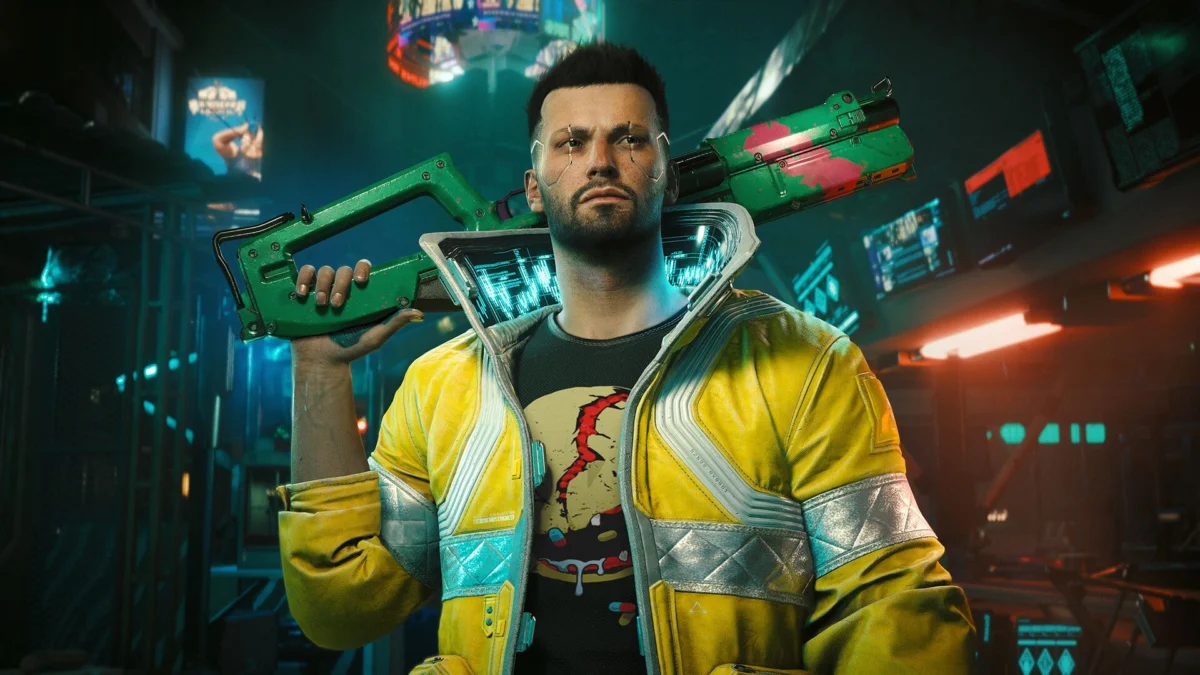
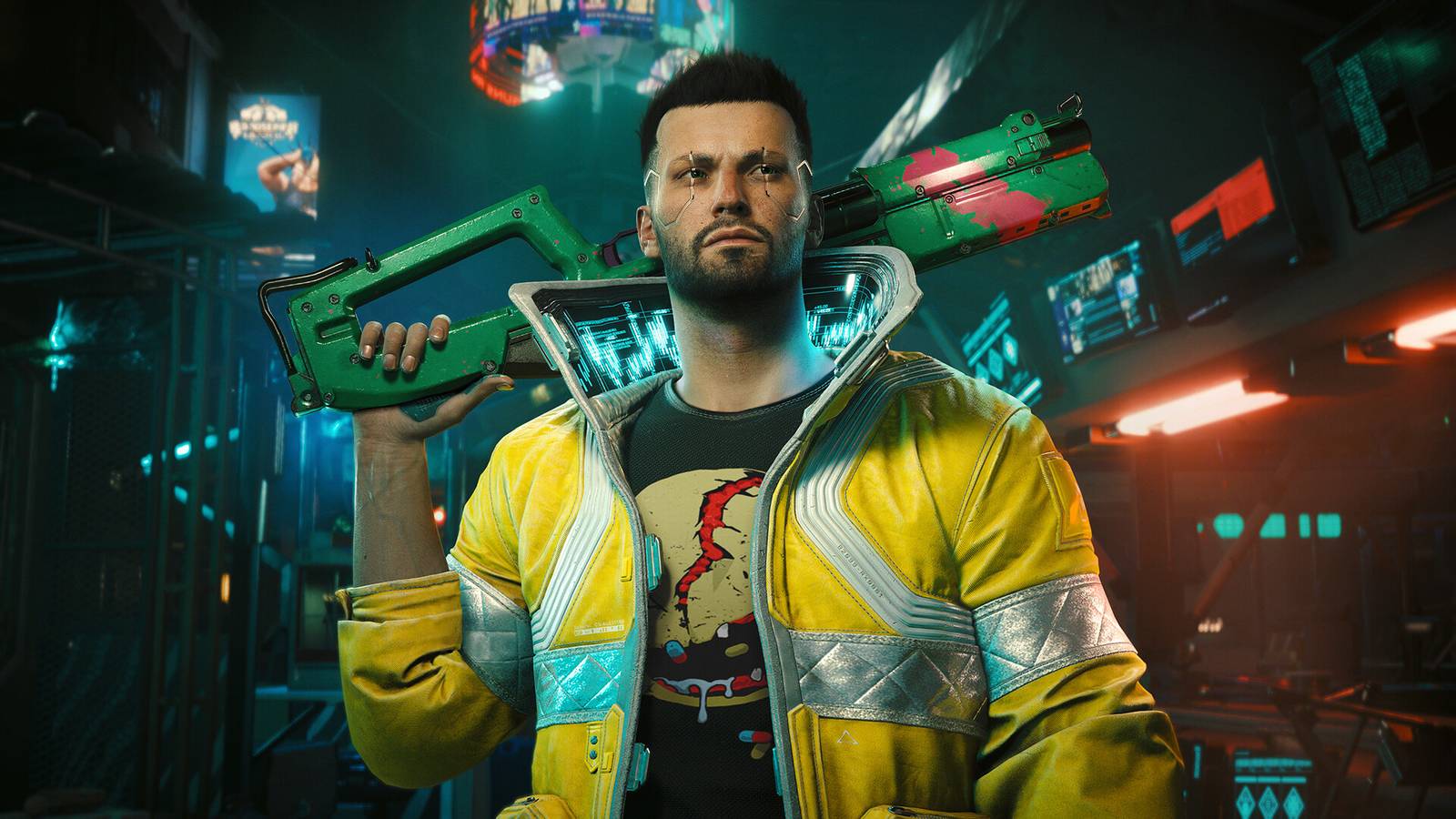
CD Projekt Red entered a phase of intensive "damage control." Over the next three years, the studio released a series of massive patches (culminating in the 2.0 update) that fundamentally overhauled the game’s AI, police systems, skill trees, and combat mechanics. This grueling work culminated in the 2023 release of Phantom Liberty, a narrative expansion that restored the game’s reputation, earning high praise from both critics and players who had previously sworn off the studio.
The Current Horizon
Today, the studio is operating on multiple fronts. Resources are divided between the highly anticipated The Witcher 4 (codenamed Project Polaris) and a sequel to the Cyberpunk universe (codenamed Project Orion). The transition from fixing the past to building the future is the defining challenge of the current executive team.
Supporting Data: The Cost of Ambition
The financial and reputational cost of the Cyberpunk launch cannot be overstated. Following the game’s release, CD Projekt Red saw its stock price plummet, wiping out billions in market valuation.
- Public Perception: Prior to 2020, CDPR was viewed as a consumer-friendly "pro-gamer" studio. Post-2020, they became a case study in corporate over-promising.
- The "Phantom Liberty" Effect: The success of the Phantom Liberty expansion served as a vital data point for the company. It proved that the core audience was willing to return if the quality was high enough, yet the "residual salt" remains. Industry analysts note that while current sentiment is positive, the "pre-order culture" that once fueled CDPR’s massive day-one sales has been permanently tempered by the 2020 experience.
Official Responses: Navigating the Future
Nowakowski’s comments serve as an official "temperature check" on the company’s morale. By refusing to declare the "redemption arc" complete, he is signaling to shareholders and fans alike that the studio is not resting on its laurels.
"I do hope we will be able to make it back—if not with The Witcher 4, then with whatever comes next," Nowakowski stated. This perspective suggests that the studio is moving away from the "event-based" marketing model that doomed them in 2020. Instead, they are aiming for a sustainable pace.
Regarding the company’s future scale, Nowakowski clarified the vision: "Our dream is to be making more games, although we never want to turn into the studio that’s going to be launching a big game every year." This reflects a desire to move toward a more sustainable, high-quality development cycle that avoids the "crunch culture" that exacerbated the Cyberpunk launch issues.

Implications for the Industry and The Witcher 4
The implications of this stance for the upcoming Witcher title are profound.
1. The Burden of Perfection
The Witcher 4 is no longer just a sequel; it is a test of corporate maturity. The industry is watching to see if CD Projekt Red can execute a complex RPG launch without the technical debt that crippled their previous project. The pressure on the development team to ensure a "day-one stable" experience is likely higher than at any point in the studio’s history.
2. A Shift in Marketing Philosophy
Expect a more conservative approach to promotional materials. The industry has learned that over-hyping features that are not yet fully realized is a dangerous game. CD Projekt Red is likely to adopt a "show, don’t tell" policy, potentially delaying trailers or release dates until they are absolutely certain of the final product’s state.
3. Long-Term Brand Loyalty
The "indefinite loss of faith" mentioned by Nowakowski is a significant admission. It acknowledges that there is a segment of the gaming population that will never forgive the studio for the 2020 experience. Winning these players back requires more than just a good game; it requires a generational change in how the company communicates its development progress.
Conclusion: The Path Forward
CD Projekt Red’s journey is far from over. The narrative of the "redeemed studio" is a popular one, but as the CEO himself suggests, the reality is more nuanced. True redemption is not a single launch or a successful patch; it is a long-term commitment to consistent quality.
As the studio pivots toward the world of The Witcher 4, the lessons of the Cyberpunk 2077 disaster remain the bedrock of their current philosophy. By acknowledging that the past cannot be fully erased, CD Projekt Red is paradoxically positioning itself for a more stable, honest, and ultimately sustainable future. The industry will be waiting—not necessarily for the biggest game of the year, but for a game that respects the time, money, and trust of its players from the moment the title screen appears.