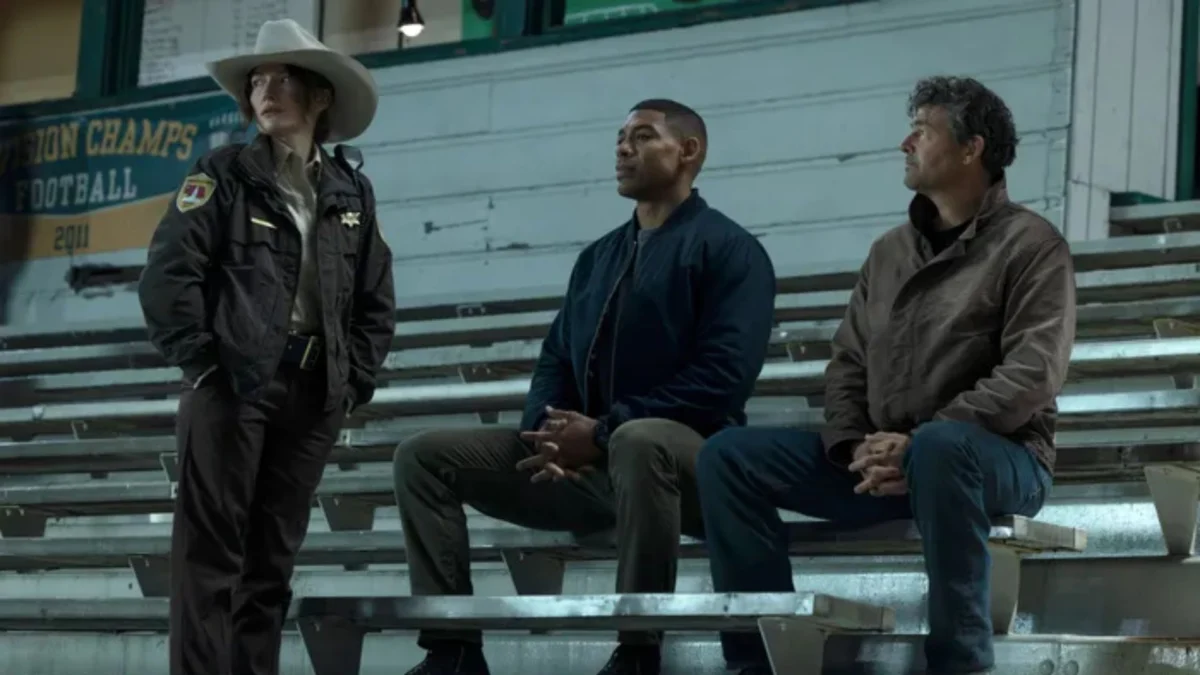
Since its premiere, HBO’s Lanterns has rapidly cemented itself as the cornerstone of James Gunn’s new DC Universe. By blending the high-stakes, interstellar mythology of the Green Lantern Corps with the gritty, grounded atmosphere of a rural noir, showrunners Tom King, Damon Lindelof, and Chris Mundy have crafted a narrative that is as much True Detective as it is Justice League. At the heart of this atmospheric enigma is a central question that has consumed the fandom: Who—or what—is the Manhunter hiding in plain sight within the quiet, unsuspecting town of Rushville?
The Foundation of the Mystery: The Manhunter Threat
To understand the stakes, one must first look at the lore. In traditional DC canon, the Manhunters were the predecessors to the Green Lantern Corps—an army of autonomous robotic enforcers created by the Guardians of the Universe. Their original mandate, "No evil shall escape my sight," was corrupted by a fatal programming flaw that prioritized order over life, leading to a genocidal crusade across the galaxy.
Lanterns reimagines these ancient antagonists as sophisticated, synthetic shapeshifters. Unlike their comic book counterparts, who were often clunky metallic husks, the live-action Manhunters are capable of deep-cover infiltration, blending seamlessly into human society. This shift creates a palpable sense of paranoia; in Rushville, the person standing next to you might not be human at all.
A Chronology of Suspicion: The Investigation So Far
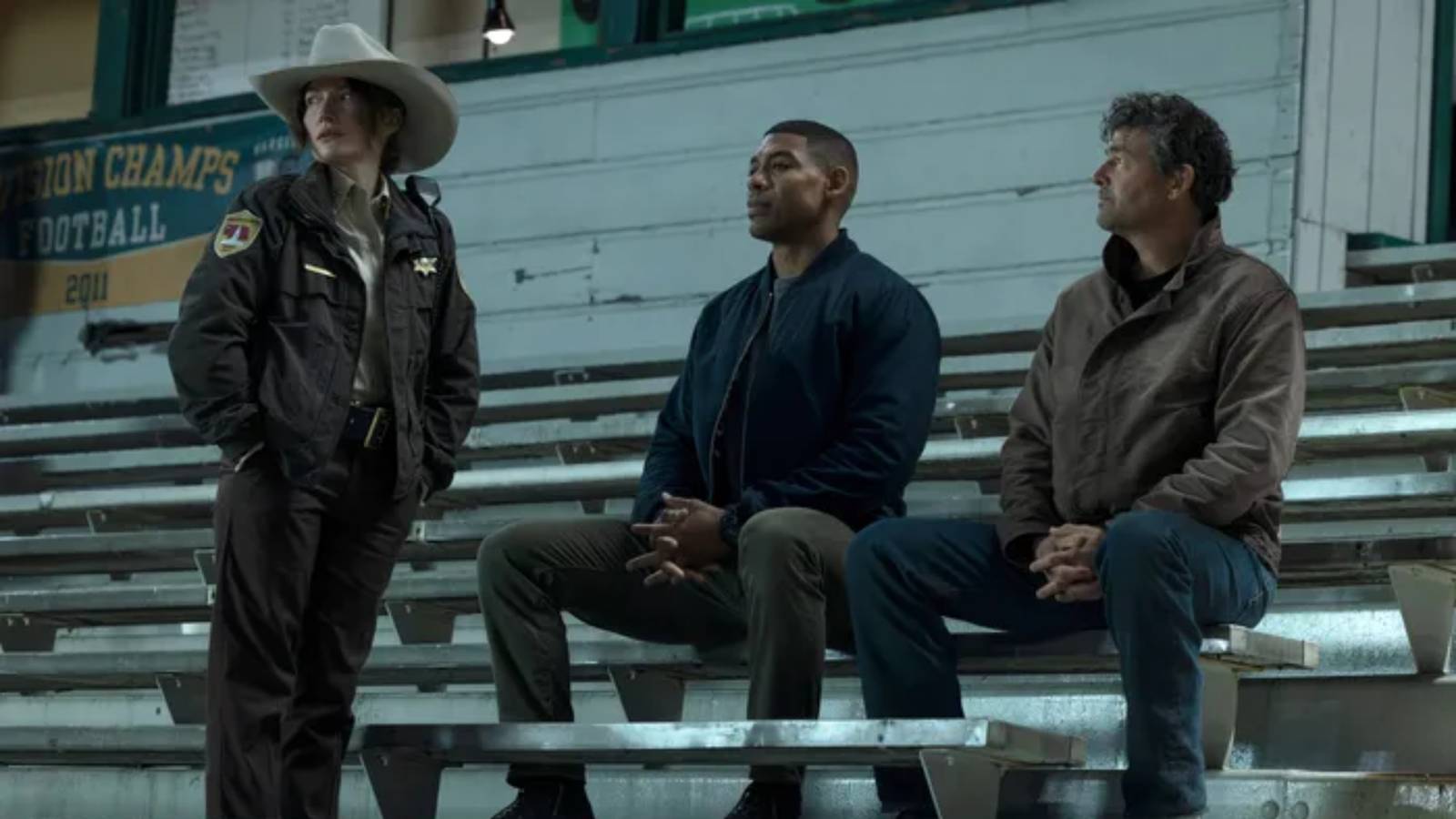
The series operates on a dual-timeline structure, with the investigation by Hal Jordan (Kyle Chandler) and John Stewart (Aaron Pierre) unfolding across decades.

- The 1980s/90s Backdrop: The investigation begins with an incident involving an Abin Sur ship crash, setting the stage for the Manhunter’s infiltration of Earth.
- The 2026 Flash-Forward: The modern-day narrative introduces a darker, more desperate tone. The discovery of a body identified as Hal Jordan—sans his signature Power Ring—suggests that the threat has evolved from mere observation to active assassination and impersonation.
- The Escalation: As the episodes progress, the "small-town mystery" veneer continues to crack. From the introduction of an anti-alien militia to the suspicious behavior of local law enforcement, the timeline suggests that the Manhunter has been preparing for a singular, catastrophic event for nearly forty years.
The Suspects: Analyzing the Most Compelling Theories
As the investigation intensifies, no character is above suspicion. The following list breaks down the most prominent theories currently circulating among viewers.
1. Zoe Macon: The Infiltrator or the Informant?
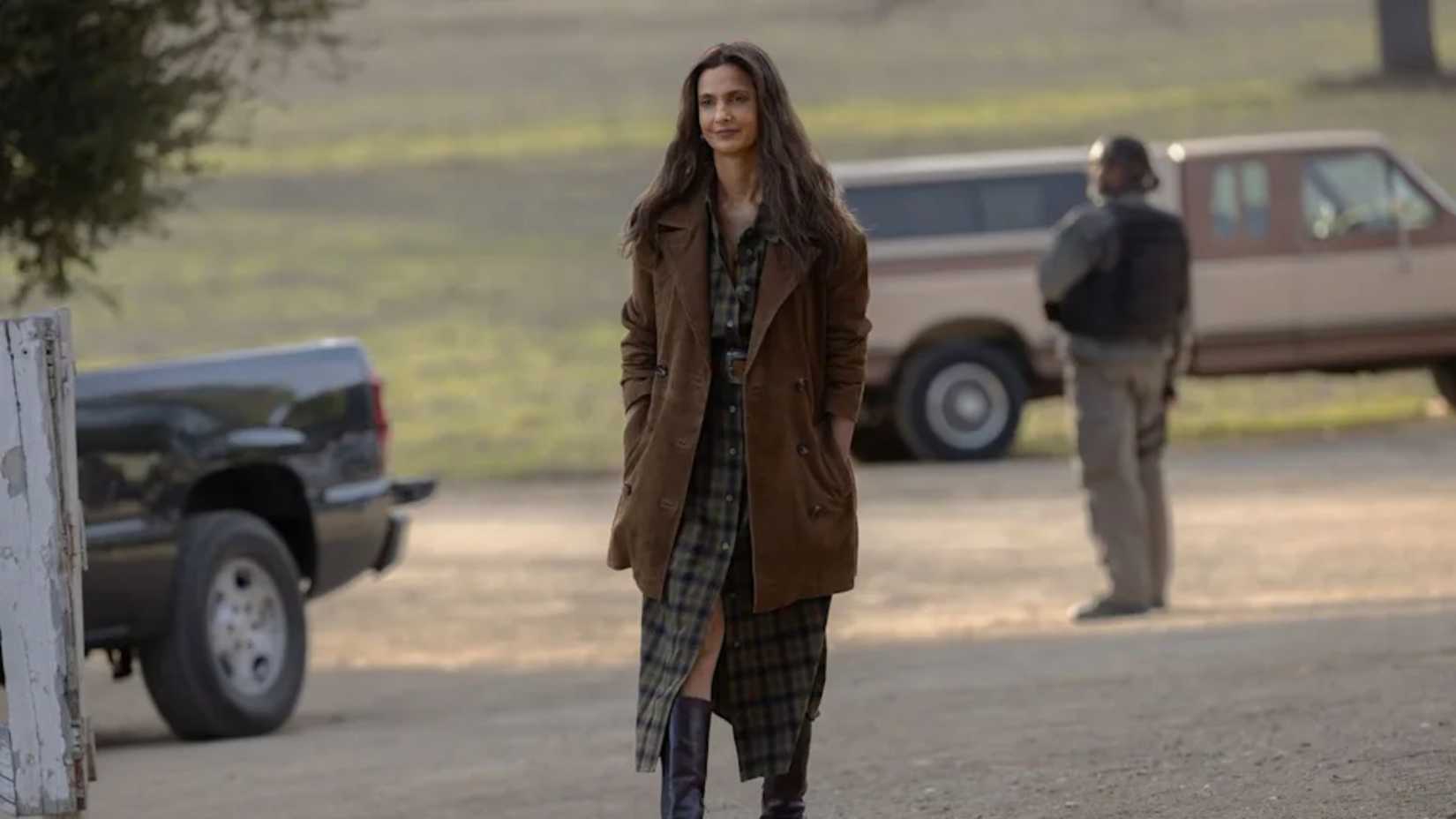
Poorna Jagannathan’s Zoe Macon is the primary point of contention. Her immediate, almost aggressive attempt to build a rapport with John Stewart feels calculated. While many viewers believe she is the Manhunter, a more nuanced theory suggests she is actually Soranik Natu—the daughter of the villainous Sinestro. Under this theory, she is acting as a deep-cover agent for her imprisoned father, which would explain her proximity to the investigation without necessitating her being the "machine" itself.
2. The Macon Family: Generational Deception
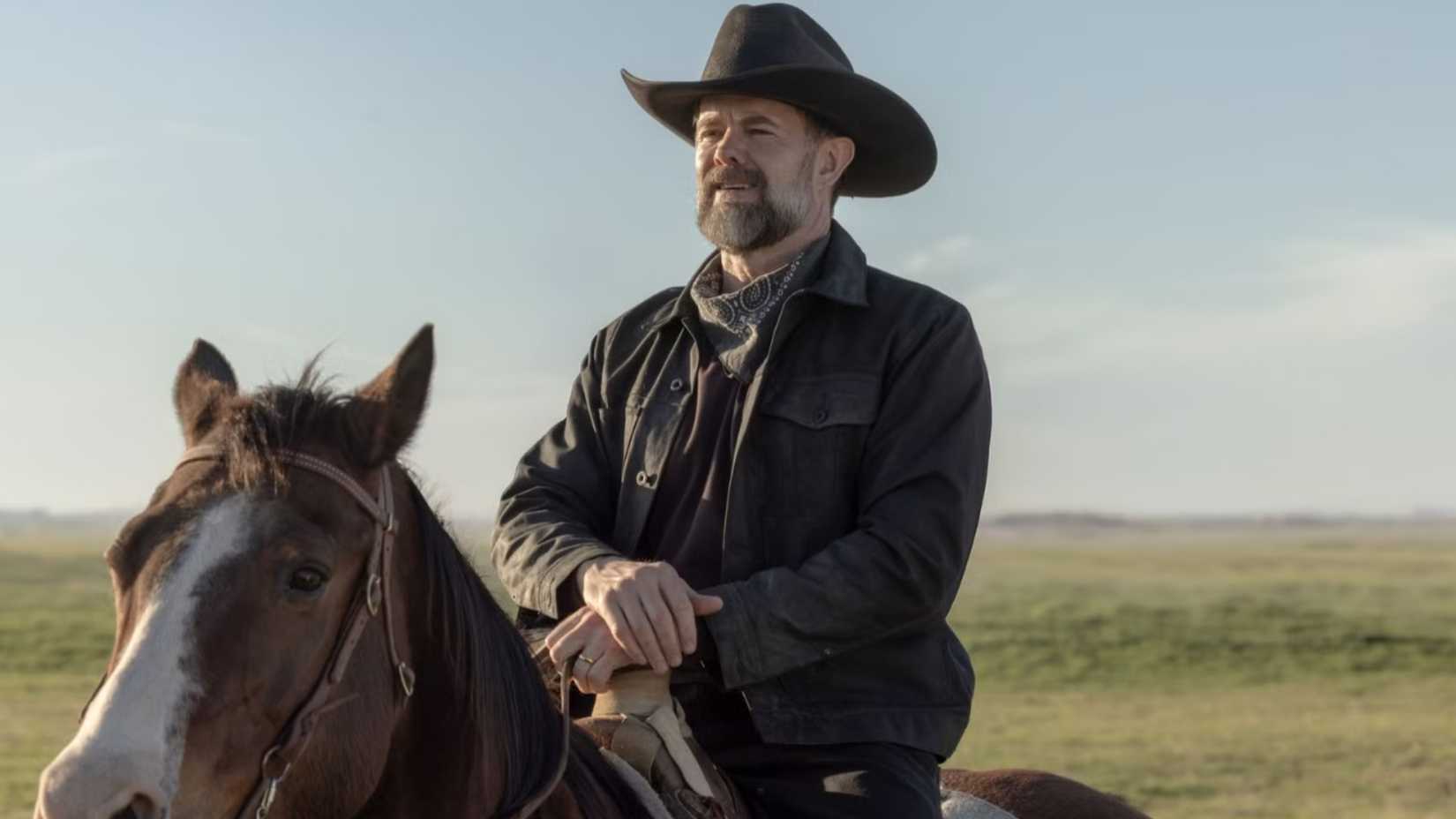
William Macon (Garret Dillahunt) serves as the town’s xenophobic militia leader. While he is the most "obvious" threat, his loud, public crusade against aliens makes him a prime candidate for a red herring. The theory here is that he is merely a pawn. His "mysterious benefactor"—a character who has yet to be fully revealed—is likely the true mastermind, potentially using Macon’s anti-alien rhetoric as a smoke screen to hide their own extraterrestrial nature.
3. Billy Macon: The Invisible Man
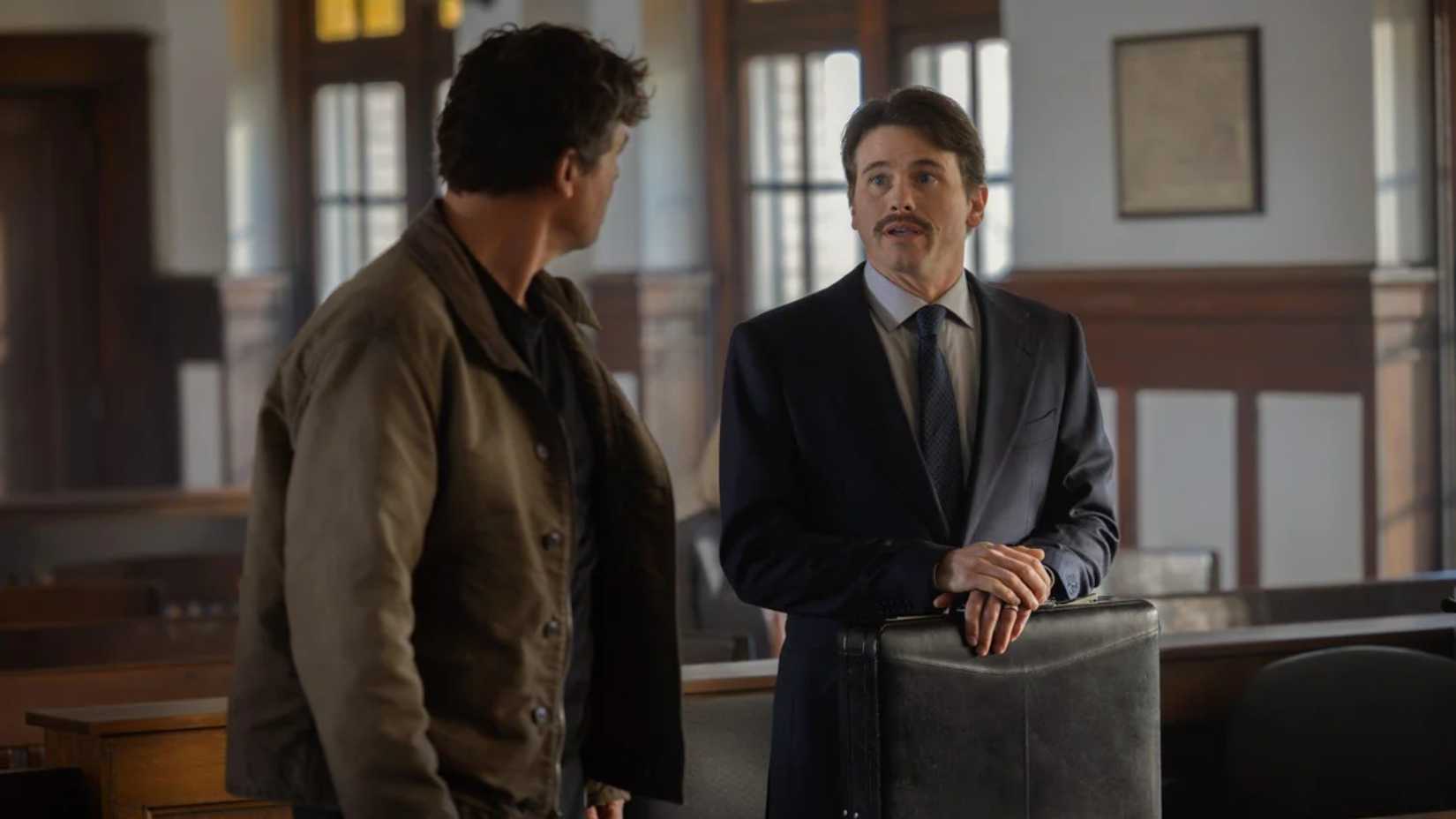
Jason Ritter’s portrayal of Billy Macon offers a chillingly mundane possibility. As the town lawyer and the husband of the Sheriff, he holds a position of immense social utility. If a Manhunter needed a "perfect" human life to mirror, Billy’s quiet, professional, and connected existence is the ideal template. His lack of overt screen time is, ironically, his most suspicious trait.
4. Sheriff Kerry Kane: The Outsider in Authority
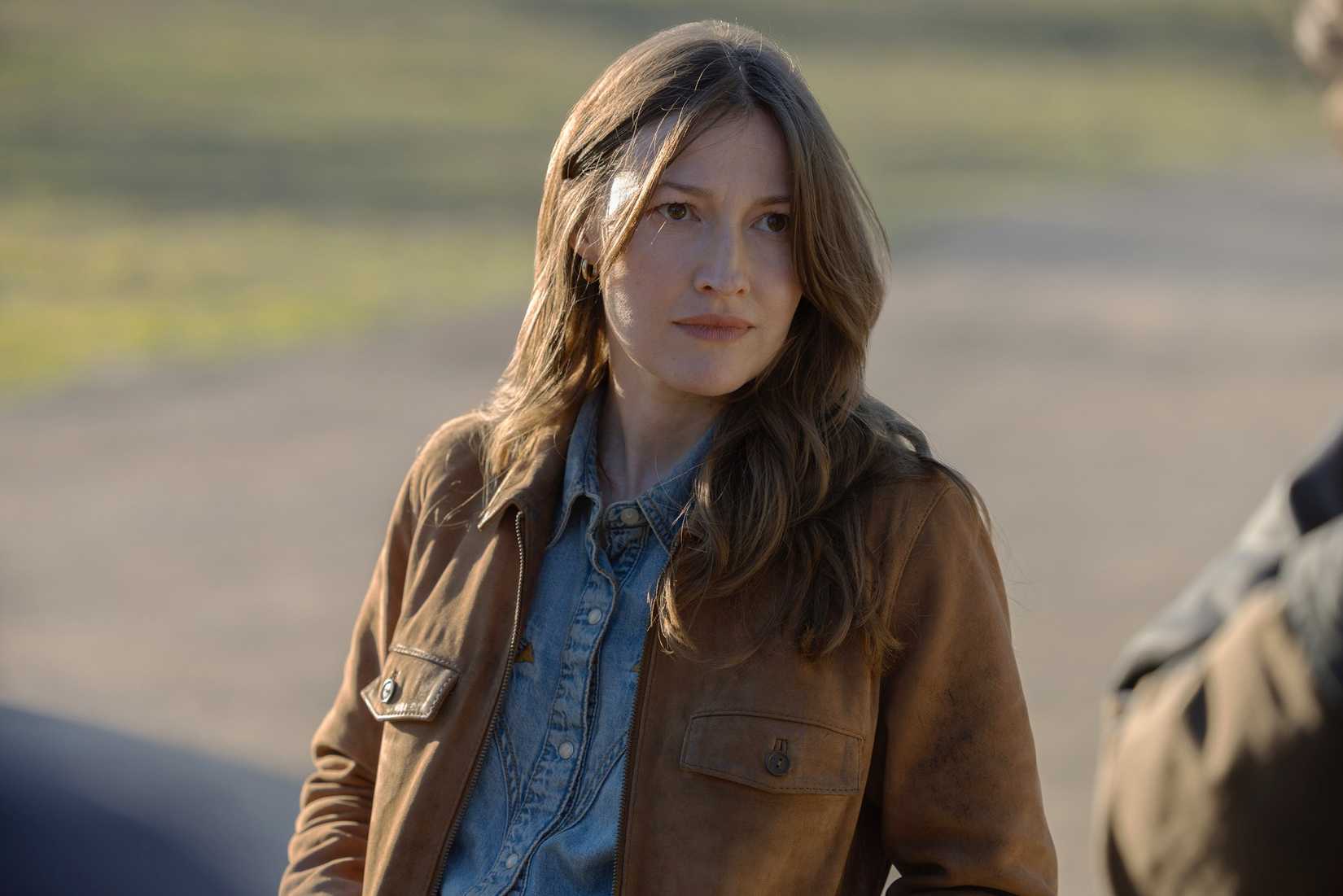
Kelly Macdonald’s Sheriff Kane brings a Gotham-hardened edge to Nebraska. Her backstory as an outsider who somehow fits perfectly into rural law enforcement is a classic trope for a "mole." While some suggest she has ties to the Bat-family (specifically Kate Kane), others argue her background is a fabricated cover story designed to place her in a position of authority where she can monitor the Lanterns’ investigation from within the police department.
5. Lianna: The Hidden Guardian
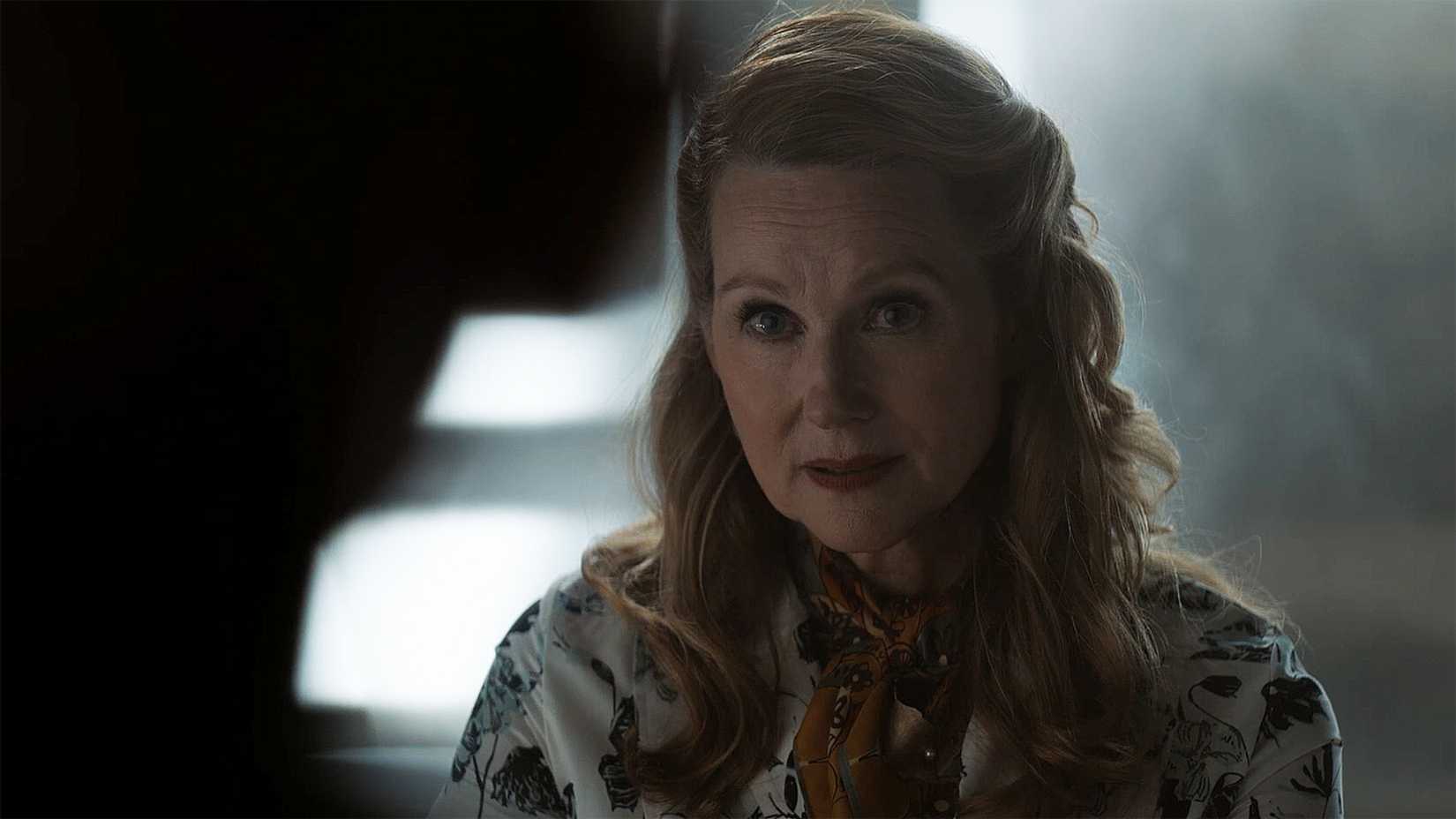
The recent focus on the Guardian known as Lianna (Laura Linney) has sparked intense debate. In a pivotal scene, she transforms into her alien form to earn the trust of John Stewart’s mother, yet the cinematography deliberately obscures her face. The refusal to show her true form has led to the theory that she is not a Guardian at all, but a high-level Manhunter infiltration unit testing the resolve of the next generation of Lanterns.
6. The "Body Snatcher" Theory: A Town of Machines
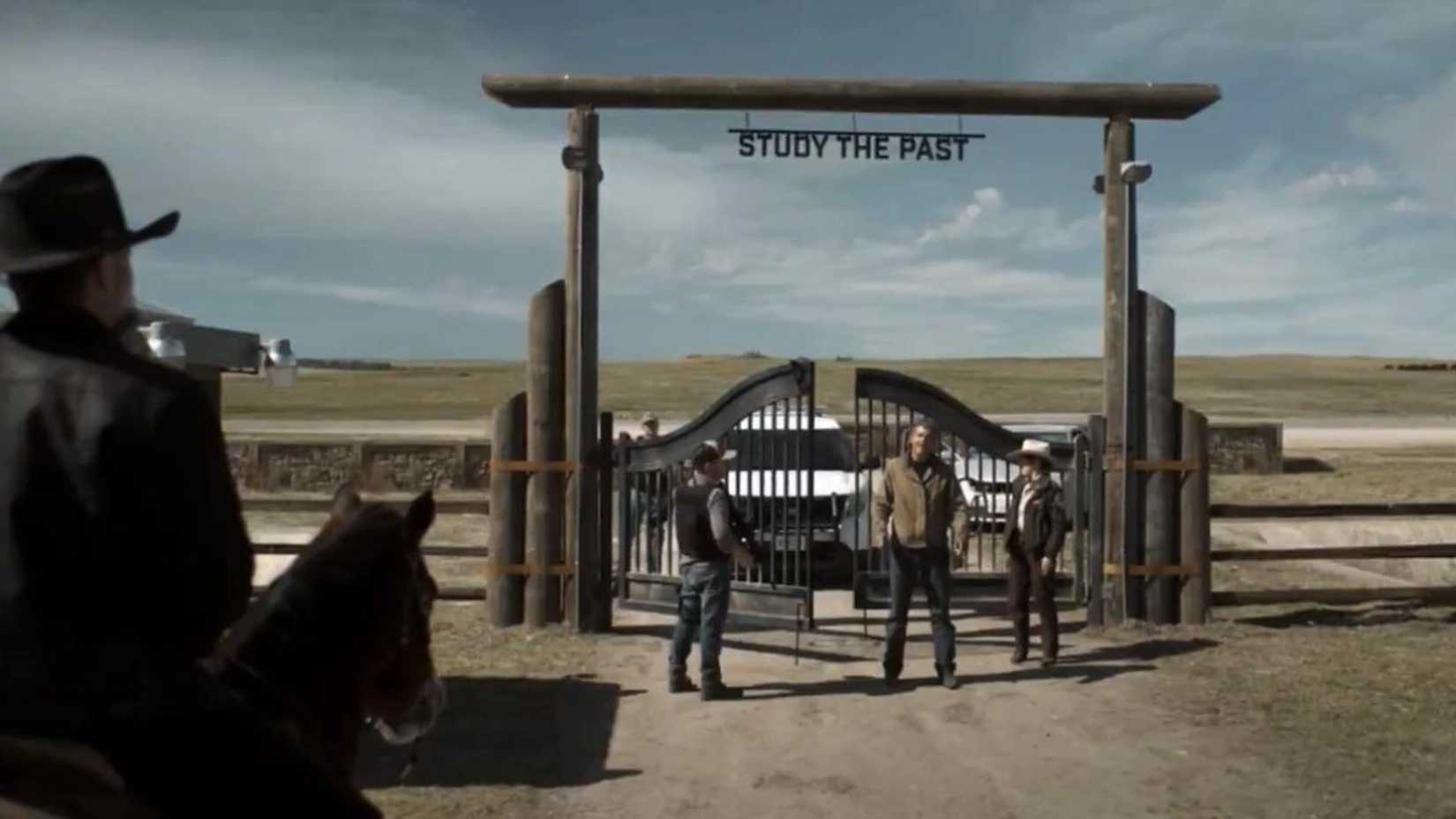
Perhaps the most terrifying theory is that there is no single Manhunter. If the entity is capable of replication, Rushville might be a containment zone where the entire population has been replaced. The suspiciously empty, high-tech hospital in town, which sees little human traffic despite its state-of-the-art equipment, suggests a facility meant for maintenance of non-biological entities rather than the healing of the living.
7. Hal Jordan: The Tragic Antagonist
The most radical theory concerns Hal Jordan himself. Fans point to the 2026 timeline and the discovery of his "corpse" as proof of a sophisticated ruse. The theory suggests the body found is a synthetic double. Alternatively, the theory posits that the "real" Hal was infected by Parallax—the entity of fear—decades ago. In this version, the Manhunters are not the villains, but a desperate, failing system trying to "prune" a corrupted Lantern before the infection consumes the universe.
Official Perspectives and Behind-the-Scenes Implications
While HBO and the creative team have remained tight-lipped regarding the identity of the Manhunter, the production design provides clues. The show’s aesthetic, which leans heavily into cold, sterile lighting when focusing on tech-heavy scenes, contrasts sharply with the warm, golden hues of the rural Nebraska landscape.
Damon Lindelof, known for his work on Lost and The Leftovers, has hinted that the show is less about the "who" and more about the "why." In interviews, the creative team has emphasized that Lanterns is a character study first. The Manhunter is not just a monster; it is a manifestation of the trauma and paranoia that the characters carry.
The Broader Implications for the DCU
The outcome of the Lanterns mystery will likely dictate the power dynamics of the new DC Universe. If the Manhunter is revealed to be a systemic threat that has been hiding on Earth for decades, it implies that the Justice League—or what remains of it—has been compromised at a fundamental level.
Furthermore, the resolution of this mystery will establish the tone for future DC projects. By choosing to ground a cosmic, high-concept threat in a small-town murder mystery, DC is signaling a commitment to character-driven storytelling over spectacle-first narratives.
Conclusion
As the season progresses, the breadcrumbs left by the creators point to a conclusion that will likely subvert expectations. Whether the culprit is the seemingly helpful lawyer, the cold-blooded sheriff, or a secret buried in the town’s own history, the true triumph of Lanterns is its ability to make the audience question the nature of the heroes they think they know. In the world of Lanterns, the greatest threat is rarely the one you see coming—it is the one that has been living in your house, working in your office, and serving in your town hall all along.