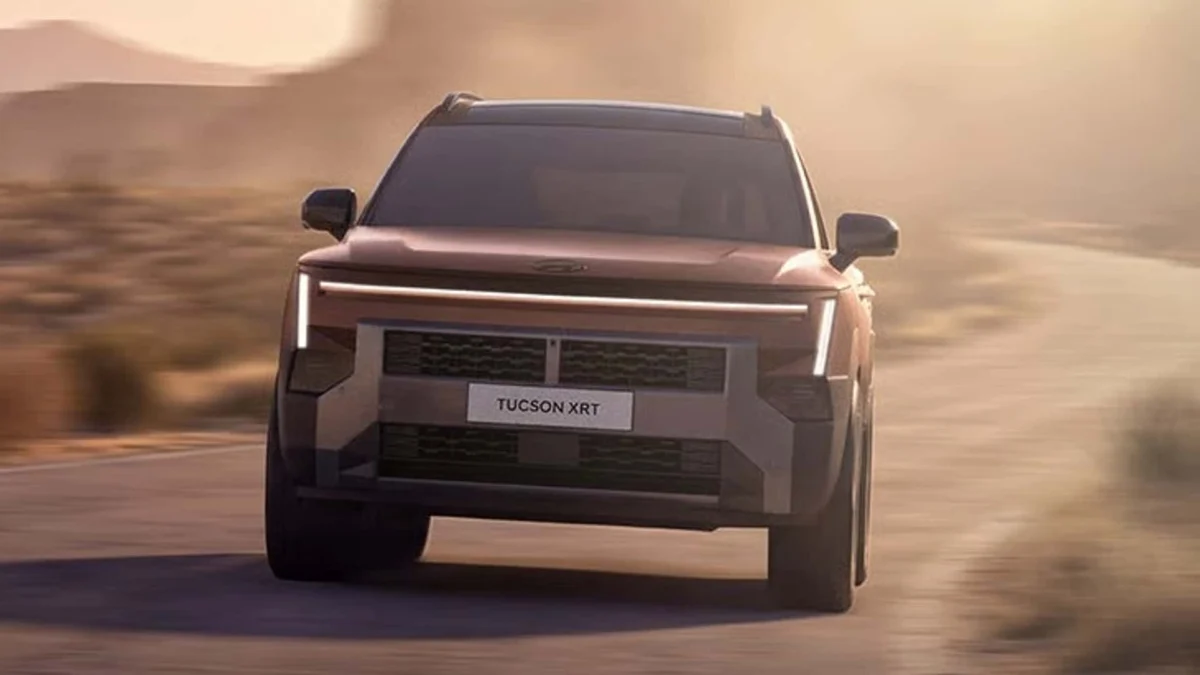
The automotive landscape is undergoing a radical shift, and few manufacturers have demonstrated as much agility in this transition as Hyundai. Having successfully leveraged a diverse portfolio of internal combustion engines, hybrids, and full-battery electric vehicles (BEVs) to shatter sales records globally, the Korean automaker is now looking to bridge the gap between efficiency and exhilaration. According to recent reports, Hyundai is setting its sights on the performance SUV segment with an all-new "Tucson N"—a high-performance variant of its best-selling crossover that promises to marry hybrid fuel efficiency with the track-bred intensity of the brand’s famed N division.
The Strategic Shift: Why a Tucson N Makes Sense
For years, the "N" badge has been synonymous with precision engineering, aggressive styling, and a "never lift" philosophy. From the razor-sharp handling of the Elantra N to the electric insanity of the Ioniq 5 N, Hyundai has proven it can make enthusiast-focused vehicles that defy their segment expectations.
However, the Tucson represents a different challenge. As the company’s volume leader, the Tucson is the daily driver for millions. By introducing an N-tuned version, Hyundai is not just chasing niche sales; it is signaling a shift in how it approaches mainstream performance. The goal is to move beyond the traditional "sport trim" aesthetic—which often relies on mere cosmetic upgrades—and deliver a vehicle that is, in the words of leadership, "lighter, more agile, nimble, and exciting."
Chronology of a High-Performance Crossover
The development of a performance-oriented Tucson follows a broader, multi-year strategy to modernize Hyundai’s powertrain offerings.
- The Foundation (2020–2023): As the current-generation Tucson gained traction, Hyundai introduced a range of turbocharged 1.6-liter engines. These provided a baseline for performance, particularly with the hybrid variant, which managed to output 242 horsepower and 280 lb-ft of torque.
- The Pivot to Performance (2024): With the successful rollout of the Ioniq 5 N, Hyundai solidified its reputation as a serious performance contender. Simultaneously, sales data showed that consumers were increasingly demanding hybrid powertrains that did not require a sacrifice in driver engagement.
- The Next Generation (2025–2027): The upcoming, larger-platform Tucson provides the physical space necessary to house more sophisticated cooling systems, larger batteries, and more robust electric motor setups. Reports from Auto Express indicate that active development is now underway, with the Tucson N acting as the flagship for this new era of electrified performance.
Technical Specifications: Bridging Power and Efficiency
The primary engineering hurdle for the Tucson N is the powertrain. While the current 1.6-liter hybrid system is competent, a true "N" car requires a significant power jump to compete with industry benchmarks.
Insiders suggest that Hyundai may pivot toward the more robust 2.5-liter four-cylinder hybrid system recently debuted in the new Palisade Hybrid. In that configuration, the engine is paired with dual electric motors, generating a combined output of approximately 320 horsepower.
Performance Projections:
- Target Output: 300 to 350 horsepower.
- Drivetrain: Likely an advanced all-wheel-drive system with torque vectoring, essential for handling the added power during cornering.
- Chassis Dynamics: Expect a bespoke N-tuned adaptive suspension, upgraded high-performance braking systems, and a sharpened steering rack to ensure the vehicle feels "nimble" rather than just "powerful."
By utilizing a larger platform, Hyundai gains the flexibility to integrate these heavier, more complex hardware components without compromising the interior cabin space that makes the standard Tucson such a commercial success.
Official Stance: The "N" Philosophy
Joon Park, Vice President of the N Management Group, recently provided clarity on the brand’s direction during a press briefing. Addressing concerns that the rise of EVs might signal the end of performance-oriented internal combustion or hybrid cars, Park was adamant that the "N" journey is far from over.
"We’re not limiting ourselves to EVs," Park stated. "We will go further with the ICE-based cars as well; this is not the end of our journey. I cannot tell you exactly—but lighter, more agile, nimble, and exciting. These are the key elements that we are heading to."
This statement is pivotal. It confirms that while the industry is sprinting toward full electrification, Hyundai is committed to keeping the "analog" feel alive through hybrid-assisted internal combustion, ensuring that future N models retain the auditory and mechanical engagement that enthusiasts crave.
Market Implications and Competitive Landscape
If the Tucson N reaches production, it will enter a fiercely contested arena. The segment is no longer just about family utility; it is about performance utility.
The Rivals
- Toyota RAV4 GR Sport: Toyota has been aggressive in bringing its rally-bred heritage to its SUVs. With its plug-in hybrid powertrain delivering around 300+ horsepower, the GR Sport is the direct benchmark Hyundai must surpass in terms of track-ready capability.
- Dodge GLH/SRT: The resurgence of American performance in the crossover space, particularly with the rumored GLH (Goes Like Hell) and potential SRT variants, means Hyundai will face stiff competition in terms of raw horsepower and "muscle car" appeal.
The Tucson N, however, has a unique advantage: the "Hyundai N" brand equity. Unlike the GR Sport, which is largely an appearance and handling package, the N brand implies a holistic performance overhaul, from transmission tuning to chassis bracing.
A Wider Strategy: The "XRT" and Beyond
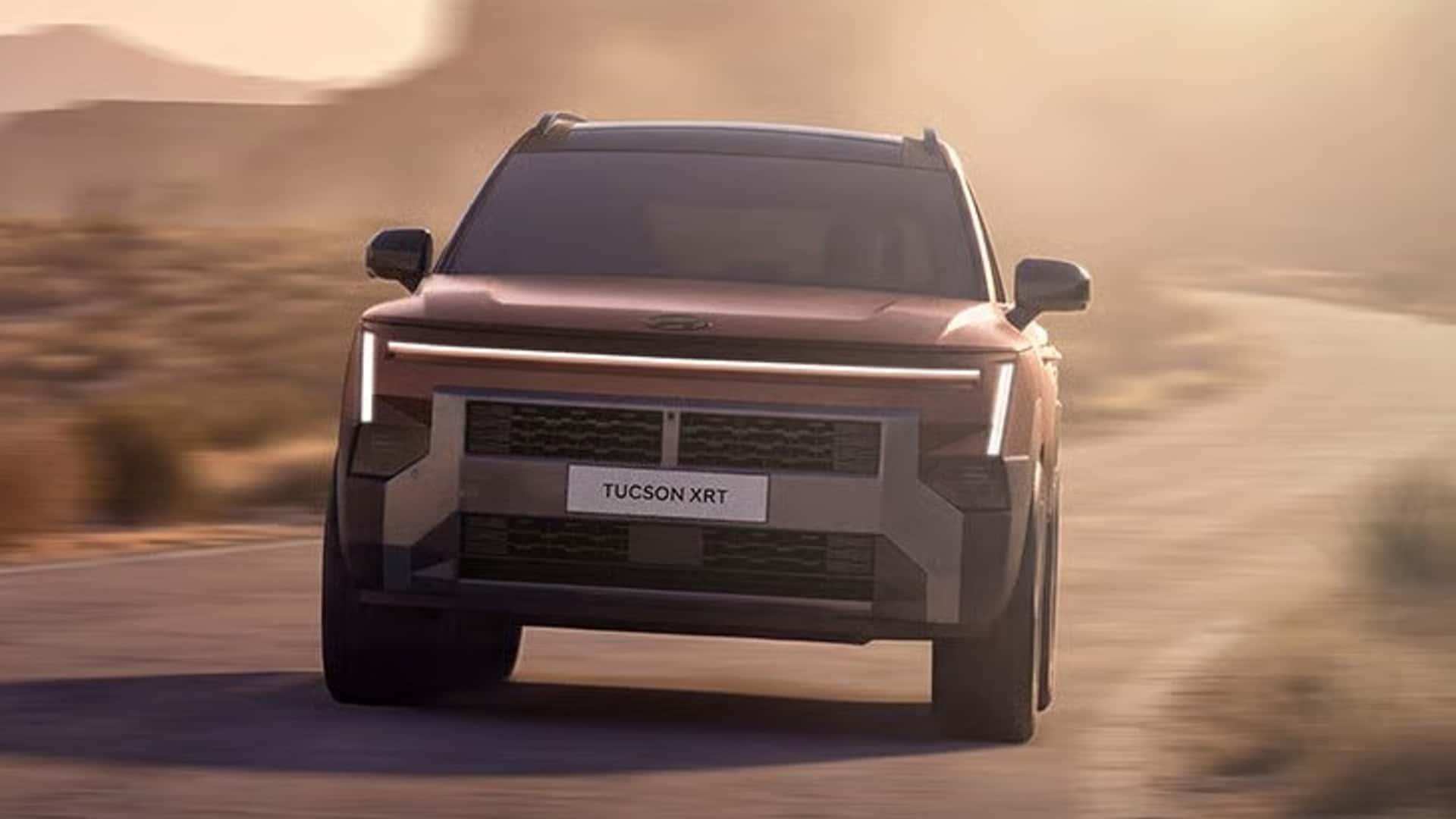
The potential for a Tucson N is part of a broader "performance and lifestyle" offensive. Hyundai is currently exploring ways to differentiate its lineup by catering to two distinct types of buyers: the adventure-seeker (targeted by the expanding "XRT" off-road line) and the performance-enthusiast (targeted by the N division).
By segmenting the brand this way, Hyundai ensures that the Tucson remains the cornerstone of its dealership floors. Whether a customer wants a rugged, mud-ready weekend warrior or a sharp, track-ready crossover, the Tucson platform is being engineered to accommodate both.
Conclusion: The Road Ahead
While an official release date for the Tucson N has not been confirmed, the current trajectory of Hyundai’s development cycle suggests we may see a production-ready model within the next 24 to 36 months.
The success of the Tucson N will ultimately hinge on whether Hyundai can maintain the "nimble" characteristics Park emphasized. If they can successfully transplant the soul of the Elantra N into a crossover body—backed by the efficiency of a 300+ horsepower hybrid system—they will have created something that is currently missing from the market: a true driver’s SUV that doesn’t punish the owner at the gas pump.
For the Korean automaker, the Tucson N is more than just a new model; it is a declaration that the internal combustion engine, when hybridized and tuned by the right hands, still has a vibrant, fast, and exciting future. As the automotive industry continues its pivot, Hyundai’s refusal to abandon the visceral joy of driving ensures that it will remain a leader in both the boardroom and the racetrack.