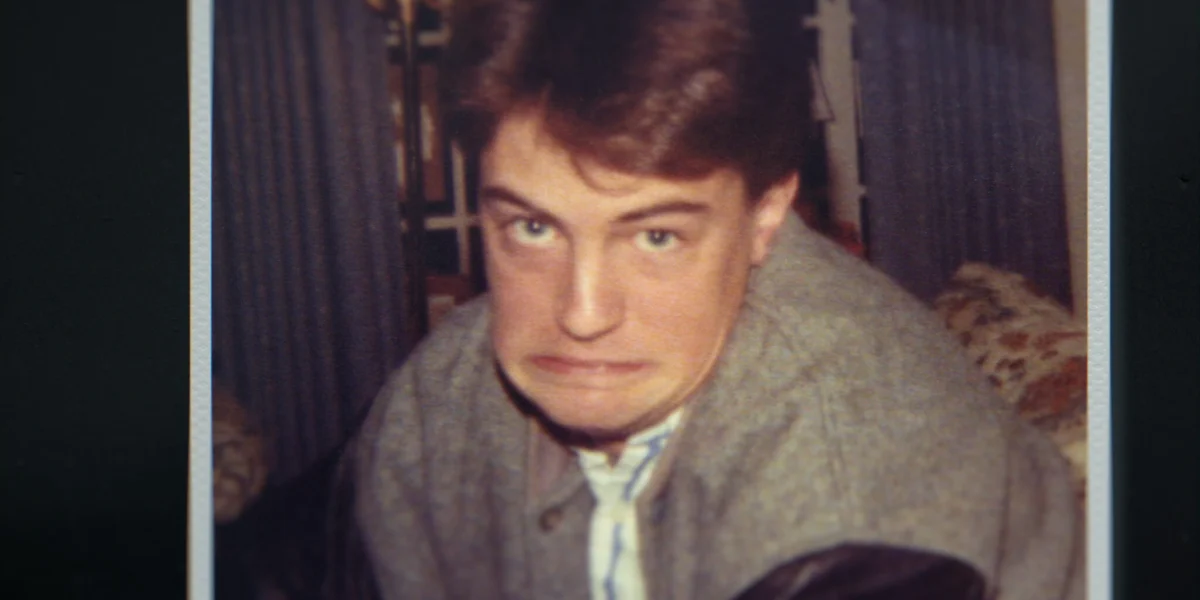
In the lexicon of 1990s pop culture, few figures loom as large or as complexly as Matthew Perry. As Chandler Bing, he was the sarcastic, lovable anchor of Friends, a man who navigated the anxieties of adulthood with a quip and a shrug. Yet, beneath the veneer of television stardom lay a life defined by an agonizing, decades-long battle with substance abuse—a struggle that ultimately culminated in his tragic death from a ketamine overdose in October 2023.
The new three-part Netflix docuseries, The One About Matthew Perry, directed by Mary Robertson (known for Quiet on Set), attempts to reconcile the public icon with the private man. Eschewing the typical "celebrity tell-all" format, the series provides a somber, intimate, and often harrowing examination of a life caught between the desperate desire for fame and the crushing weight of chronic disease.
Main Facts: A Portrait Beyond the Sitcom
The One About Matthew Perry is notable not just for what it contains, but for what it lacks. Conspicuously absent are the high-profile castmates of Friends and industry titans like Aaron Sorkin or Hank Azaria, who knew Perry during his ascent in Los Angeles. While some may view these absences as a failure of access, the documentary finds strength in the vacuum. By centering the narrative on family, lesser-known friends, and fellow travelers in recovery, the series avoids the glossy polish of a standard Hollywood tribute.
Instead, the documentary positions Perry’s younger half-sister, Mia Perry Bowick, as its emotional anchor. As a therapist, Bowick offers a rare, grounded perspective on the surreal experience of sharing a sibling with the world during the height of the "monoculture" era. The series also features intimate accounts from former partners and friends like Roger Castillo and David Pressman, who provide a window into the pre-fame days at the Formosa Cafe, long before the pressures of global superstardom took hold.
Chronology: From Ambition to Isolation
To understand the trajectory of Matthew Perry’s life, the docuseries maps a timeline defined by the tension between his external successes and internal voids.
The Rise and the Prayer
The series highlights a haunting admission from Perry himself: his youthful prayer to God, pleading, "You can do anything you want to me; just please make me famous." While the fame arrived in abundance via Friends, Perry often remarked with biting irony that "God didn’t forget" the first part of that request. This chronological exploration traces his childhood, characterized by a sense of being adrift between his parents’ respective households, to his breakout role in the 1990s.
The Onset of Addiction
A pivotal moment in the timeline occurs in 1997, while filming Fools Rush In. It was here, following an on-set injury, that Perry was first introduced to prescription painkillers. This event serves as the catalyst for a tragic cycle of reliance, rehabilitation, and relapse that would haunt him for the remainder of his life.
The "Friends" Era and Beyond
The series effectively situates the Friends years within the broader context of his life. By the halfway point, the show moves past the sitcom’s zenith, exploring the professional turbulence that followed, including projects like Studio 60 on the Sunset Strip. It also offers a heartbreaking look at the 2021 Friends reunion. While viewers were busy critiquing his appearance and delivery, Perry was, in reality, battling the lingering physical and psychological effects of a near-fatal 2018 sepsis-induced coma caused by opiate abuse.
Supporting Data: The Reality of Recovery
The One About Matthew Perry does not offer "bombshell" revelations in the traditional sense. Much of the information regarding his struggles—the rehab stints, the 2018 coma, and his 2022 memoir—has been documented by Perry himself. The series succeeds by acting as a collation of these facts, anchored by new, searing testimonials.
One particularly poignant voice is a member of Gen Z who met Perry during one of his stints in rehab. Their connection was built on a lack of reverence; she notes that as someone born in 1997, she didn’t view him as a "big deal," allowing for a level of raw, unfiltered honesty that he rarely experienced elsewhere.
Furthermore, the series utilizes archival footage and audio of Perry’s own voice to maintain his agency. Director Mary Robertson avoids the pitfalls of "AI-assisted necromancy," a trend that has drawn significant ethical fire in recent media, choosing instead to let Perry’s existing, documented reflections guide the audience. As he famously noted, "Reality is an acquired taste," and the docuseries leans heavily into this sentiment, presenting the, at times, ugly truth of addiction without sentimentality.
Official Responses and Legal Implications
The final segment of the series shifts tone, moving from the personal to the procedural. It addresses the legal fallout of Perry’s death, involving the criminal convictions of those who supplied him with ketamine.
The documentary brings in former U.S. Attorneys to explain the legal mechanics of the case, including the role of Kenneth Iwamasa, Perry’s live-in assistant, who administered the final, fatal dose. Mia Perry Bowick provides a powerful counterpoint to the clinical legal facts, offering a stinging condemnation of Iwamasa. She argues that his enabling was not merely a lapse in judgment but a failure of humanity, positing that he should have alerted the family to the severity of the ketamine abuse.
This shift from the emotional to the legal serves as a final, stark reminder of the realities of addiction. The docuseries does not attempt to solve the mystery of Perry’s life; instead, it reframes well-known headlines through the lens of those who were collateral damage to his private war.
Implications: A Legacy of Vulnerability
The ultimate question posed by The One About Matthew Perry is how we, as a society, consume the lives of those we hold dear. Perry was a man who, in his later years, weaponized his own fame to advocate for others struggling with addiction. He embraced the role of a survivor, even when he was still in the thick of the fight.
The documentary suggests that Perry’s greatest tragedy was his inability to reconcile his public persona with his private self. As one interviewee notes, "Intimacy was his greatest fear and his greatest wish." He was a man who wanted to be known, yet lived in constant terror of being seen.
By focusing on the protracted, start-and-stop nature of his addiction, the series humanizes a narrative that has too often been reduced to tabloid fodder. It posits that Perry’s talent and humor were not flaws in his armor, but rather the very things that kept him alive as long as he was.
In the final assessment, The One About Matthew Perry is a challenging watch. It is not an exploration of the "Friends" phenomenon, nor is it a traditional celebrity biography. It is, at its core, a cautionary tale about the isolating nature of fame and the ruthless persistence of a chronic disease. For those who grew up watching Perry define a generation of comedy, the series is a necessary, if painful, reminder that the people we feel we know best are often the ones fighting battles we can barely comprehend.
The One About Matthew Perry is currently streaming on Netflix. While it provides no easy answers, it serves as a somber, respectful testament to a man who spent his life searching for a sense of reality in a world that only ever wanted him to play a character. Through the testimony of those who loved him—and through the enduring echoes of his own voice—the series ensures that, at the very least, his struggle is finally being understood for what it truly was: a fight for his life, to the very end.