The hospitality suite at the Circuit de la Sarthe is vibrating—not just with the mechanical symphony of the 24 Hours of Le Mans, but with the quiet, determined energy of a brand on a mission. Perched near the final, high-speed corners of the legendary track, the Genesis command center offers a vantage point that is both literal and metaphorical. Out on the tarmac, the GMR-001 race cars are tearing through their maiden 24-hour endurance challenge, carving out a reputation for speed and reliability that signals a seismic shift in the manufacturer’s global strategy.
Genesis is no longer content with being the automotive industry’s "best-kept secret." By embedding itself in the crucible of the World Endurance Championship (WEC), the Korean luxury marque is sending an unmistakable message to the established European guard: Genesis has arrived, and it is here to compete, not to make up the numbers.
The Genesis Ambition: Beyond the Styling Exercise
To understand the gravity of this move, one must look at the heavy hitters involved. The presence of motorsport legend Jacky Ickx as an ambassador is not merely a branding tactic; it is a declaration of intent. Backing the drivers—such as the formidable Daniel Juncadella and André Lotterer—the team is composed of seasoned veterans who understand the soul of endurance racing.
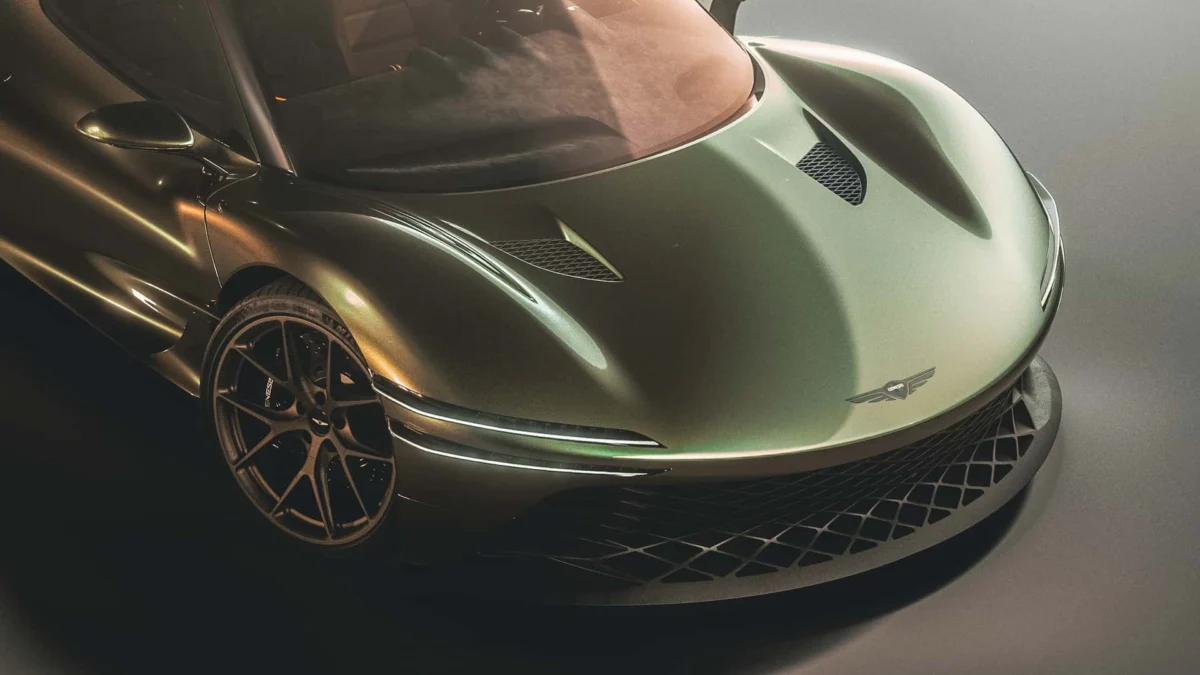
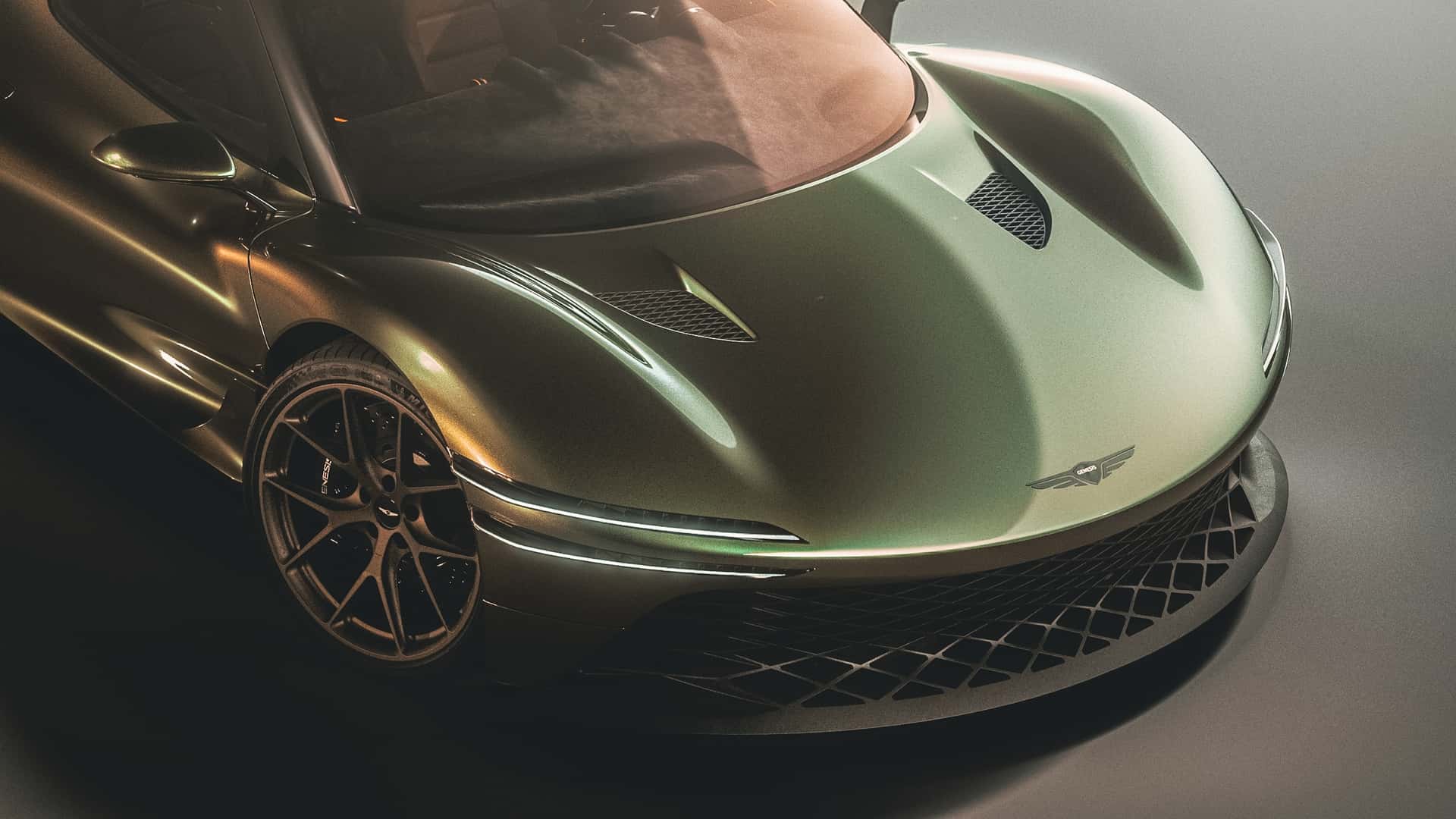
The unveiling of the Concept GT just one day before the green flag dropped at Le Mans served as the capstone to this narrative. It was a tangible promise that the performance DNA being forged on the track will find a direct, uncompromised path to the showroom floor.
Chronology of a Vision: From 2015 to the Track
The story of Genesis is one of rapid, almost unprecedented ascension. Born as a standalone luxury brand from the Hyundai Motor Group in 2015, it has spent the last decade painstakingly building its reputation in North America and Asia. Now, the focus has shifted to the continent where luxury standards are at their most rigid: Europe.
The timeline of this aggressive expansion is marked by key milestones:
- 2015: Genesis separates from Hyundai to become an independent premium entity.
- 2021: Genesis officially announces its European launch, targeting the competitive German-dominated premium segment.
- 2024-2025: The launch of the Magma performance sub-brand, signaling a transition from "luxury comfort" to "luxury performance."
- 2026 (The Le Mans Milestone): The debut of the GMR-001 at the 24 Hours of Le Mans, marking the brand’s most significant leap into high-stakes international motorsport.
Building Credibility: A Conversation with Charles Fuster
Charles Fuster, the Genesis Brand Director for Italy and France, acknowledges the elephant in the room: brand recognition. In an interview held amidst the high-octane atmosphere of Le Mans, Fuster speaks with a mix of refreshing candor and unwavering confidence.
"It is our reality, and we are not afraid to say it," Fuster notes when asked about the brand’s relative anonymity in Europe. "Every day, when you tell people you work for Genesis, the response is often, ‘I don’t know it.’ But then, you see them looking at the cars, and the first thing you hear is that the design is stunning. That is where we start. We come with ambition, but also with humility. In the automotive world, those two must go hand-in-hand."
The Strategic Value of Motorsport
When asked if motorsport is a cynical marketing ploy to force brand awareness, Fuster is quick to pivot to the technical reality. "It is an extraordinary marketing platform, yes. But there is a very technical angle: the technologies we use on the track can end up on road cars tomorrow. This isn’t a styling exercise. We have hired people who know how to win—Cyril Abiteboul, Gabriele Tarquini, Lothar Collatz. This is proof that we are betting on the track to build recognition in Europe."
The "German Alternative" Dilemma
For the Italian and broader European market, skepticism toward non-European premium brands is a historic hurdle. The German marques have spent a century perfecting the "premium" formula. Fuster is pragmatic about this competitive landscape.
"The challenge isn’t the product; it’s credibility. And credibility is earned over time, through consistency. The Germans took a hundred years to build their legacy. We were born in 2015. We have the products to challenge them today—the materials, the attention to detail, the performance—but we understand we need time to earn our seat at the table."
The Multi-Energy Roadmap: 2027 and Beyond
A common critique of Genesis in Europe has been its heavy reliance on a 100-percent electric lineup, particularly in markets that have been slow to adopt EV infrastructure. Fuster reveals a pivot that demonstrates the company’s "customer-first" philosophy rather than a "mandate-first" one.
"In 2027, a hybrid engine will arrive on the GV70," Fuster explains. "It is a pragmatic response. We put on the road the products customers want, not what someone tells us we have to build."
The future strategy is even more robust:
- 2027: Introduction of hybrid powertrains for the GV70, addressing the immediate needs of the European market.
- 2028: The launch of a dedicated, multi-energy platform. This architecture is designed to be fully scalable, accommodating everything from full hybrids and range-extenders to plug-in hybrids and pure electric configurations.
"Fifty shades of hybrid," Fuster jokes, emphasizing the flexibility that will define the brand’s near-future output.
The Dual Identity: Managing the Hyundai Connection
The question of whether Genesis is "just a fancy Hyundai" is one that Fuster addresses with surgical precision. He differentiates between industrial cooperation and market positioning.
"We are the premium brand of the Hyundai Group, and we are proud of that. We lean on a company that sells 600,000 cars a year and has a proven industrial history. But in the market, we are Genesis—and only Genesis. You will never see a Genesis sharing a showroom floor with a Hyundai. Our distribution is dedicated, our showrooms are independent, and our identity is distinct. It is the same path Lexus took with Toyota, even if we are traveling that road at a much faster pace."
The Magma Sub-Brand: Performance with Purpose
The Magma program has been interpreted by some as a direct challenge to the likes of BMW M and Mercedes-AMG. Fuster clarifies that the vision for Magma extends beyond simple horsepower metrics.
"When Magma was presented to me, I initially thought of it as a competitor to AMG or M. They corrected me. For Genesis, Magma isn’t just about performance; it’s proof of what the brand can achieve at the absolute ceiling of its capability. It’s about materials, aerodynamics, and an obsession with detail. The goal is to have a Magma version of every vehicle in our lineup to show how far we can push our own boundaries."
The Grand Tourer: A Manifestation of Ambition
The Concept GT, showcased at Le Mans, is more than a halo car—it is a barometer for the company’s confidence. Fuster rejects the idea that it is just a show piece.
"The GT is an industrial demonstration. If you have a car like that in the showroom, the customer immediately understands the brand’s depth. It’s like having a price band from one to ten; it adds credibility to everything else we sell. The evolution of the GT since it was first teased at Le Castellet is proof of our development speed. We don’t have a fixed date for its market release, but let’s just say we’d like to get there soon. The day after tomorrow, perhaps."
Conclusion: The Long Road Ahead
As the race at Le Mans continues into the night, the Genesis GMR-001 cars represent more than just metal, carbon fiber, and rubber. They represent the culmination of a decade of investment, a massive industrial gamble, and a clear, unwavering vision for the future of luxury mobility.
Genesis is playing a long game. By combining the agility of a new, tech-forward manufacturer with the industrial might of one of the world’s largest automotive groups, they are creating a new archetype for the premium brand. Whether they can topple the century-old incumbents remains to be seen, but as the sun sets over the Mulsanne Straight, one thing is certain: the world is finally starting to learn the name.