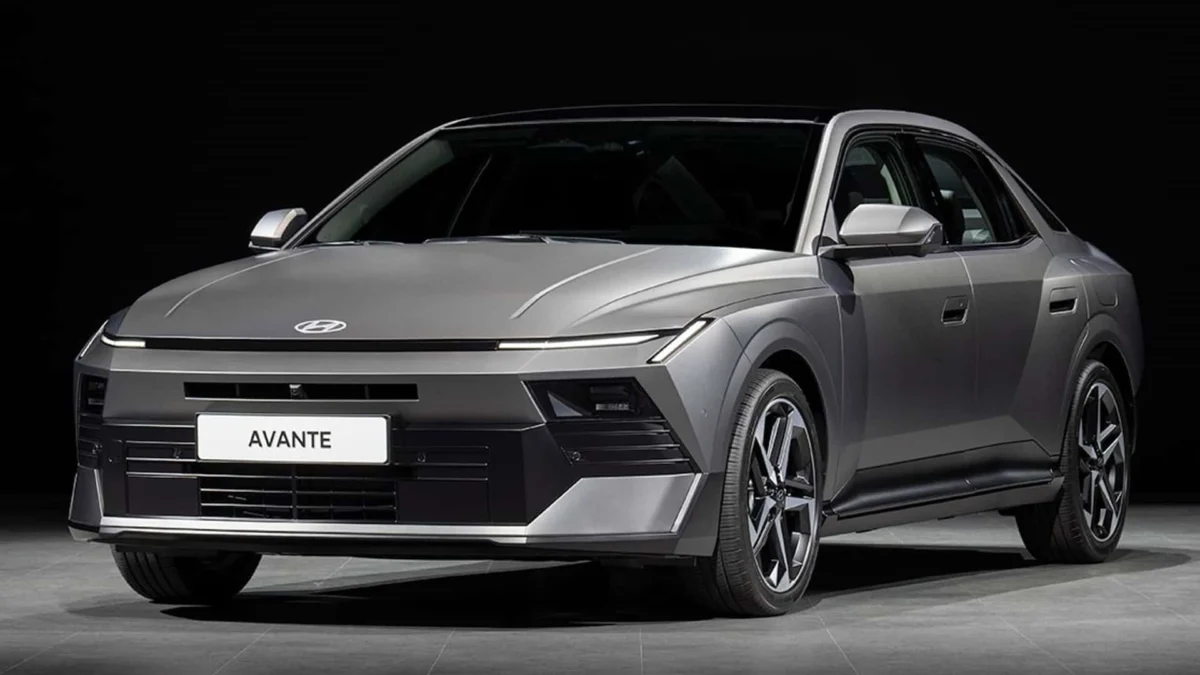
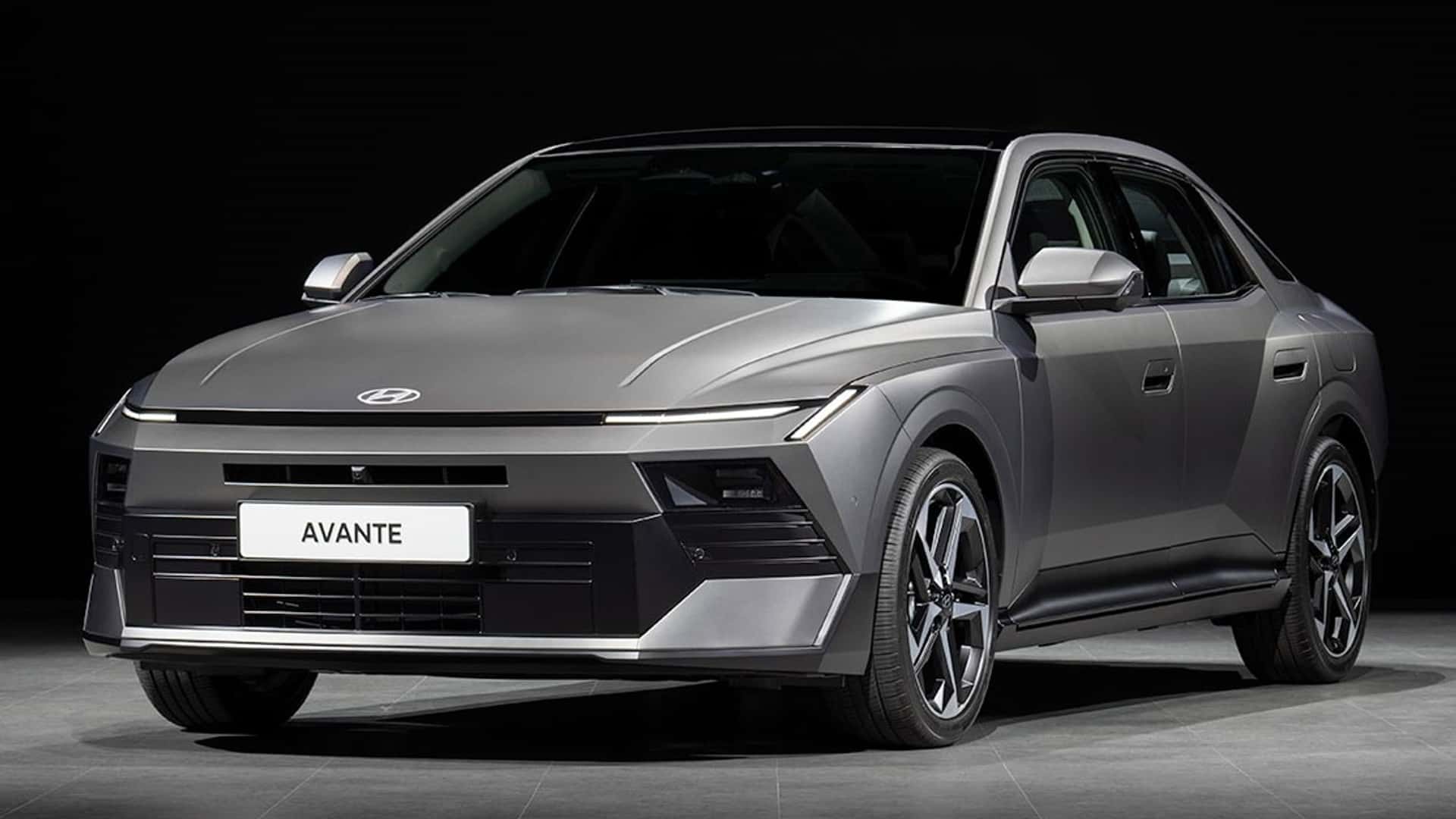
In the competitive landscape of the global sedan market, where SUVs and crossovers continue to dominate the showroom floor, Hyundai remains steadfast in its commitment to the passenger car. This past June, the South Korean automaker pulled the curtain back on the eighth-generation Hyundai Elantra—known in its home market as the Avante—marking a significant turning point in the model’s design language and engineering philosophy. By blending a bold, futuristic aesthetic with a substantially upgraded hybrid powertrain, Hyundai is making a clear statement: the sedan is not only surviving but evolving to meet the stringent efficiency demands of the modern era.
A Bold Departure: Design and Engineering Overhaul
The eighth-generation Elantra represents a comprehensive departure from its predecessor, which was already recognized for its sharp, angular styling. The new iteration pushes these design boundaries further, utilizing a larger footprint that promises improved interior cabin space and a more planted stance on the road.
However, the most significant changes lie beneath the sheet metal. Hyundai has engineered an all-new hybrid system that seeks to bridge the gap between performance and environmental responsibility. Despite the vehicle’s larger dimensions and increased curb weight—factors that typically act as a drag on fuel economy—Hyundai’s engineers have managed to achieve a remarkable 10 percent improvement in fuel efficiency compared to the outgoing model. This feat is a testament to the advancements in regenerative braking technology, battery energy density, and internal combustion thermal efficiency.
Chronology of the Reveal and Technical Specifications
The journey toward this new benchmark began with the official unveiling in June. Reports emerging from South Korean industry publications, most notably The Asia Business Daily, have since shed light on the official fuel economy figures that will define the vehicle’s market entry.
According to the data released for the domestic market, the new 1.6-liter four-cylinder hybrid powertrain is significantly more efficient than its predecessor. When equipped with 17-inch wheels, the new Elantra/Avante achieves an impressive rating of 21.2 kilometers per liter (approximately 49.87 miles per gallon). To put this into perspective, the previous-generation model, when configured with the same 17-inch wheel package, achieved 19.2 km/l (roughly 45.16 mpg).
Furthermore, the gains are consistent across different configurations. Even on 16-inch rims—typically the configuration of choice for those prioritizing maximum efficiency—the new model returns approximately 49.63 mpg in domestic testing, outperforming the legacy generation by a wide margin. This data proves that Hyundai’s latest powertrain, which now produces 155 horsepower—a 16-horsepower increase over the previous generation—does not sacrifice the vehicle’s primary mission as a fuel-sipper.
Supporting Data: The Mechanics of Efficiency
The engineering strategy behind the 10 percent efficiency gain involves more than just a larger engine. The 1.6-liter Atkinson-cycle engine has undergone a series of refinements, including reduced friction in the valve train and improved cooling systems. By optimizing the integration between the electric motor and the combustion engine, Hyundai has ensured that the vehicle spends more time in electric-only mode during city driving, while maintaining a higher state of charge for high-speed cruising.
The increase in horsepower to 155 hp addresses a common criticism of hybrid sedans: that they are "underpowered" for highway merging or spirited driving. By providing a more robust power band, Hyundai is appealing to a broader demographic that wants the utility of a hybrid without the perceived compromise in driving dynamics. The shift to a more efficient power-split transmission also plays a crucial role in managing the torque delivery from the electric motor, allowing for a smoother transition between power sources.
What Does This Mean for the North American Market?
While the figures released in Korea offer a clear roadmap, the North American market presents a unique set of variables. The Environmental Protection Agency (EPA) utilizes a testing cycle that often differs from the domestic testing protocols used in South Korea.
Currently, the seventh-generation Elantra Hybrid, when fitted with 16-inch wheels, is rated by the EPA at 54 miles per gallon combined. The 2026 models with 17-inch wheels see that figure dip to 50 mpg combined. Based on the performance of the new model in Korea, it is highly probable that the US-spec version will mirror these efficiency numbers, even with the added weight and power.
If the new Elantra arrives in the United States with these figures, it will remain one of the most efficient non-plug-in vehicles on the market. While Hyundai has not yet held an official North American reveal, industry analysts expect that the US model will retain the core architecture seen in the Avante. However, slight adjustments to the emissions control systems or tire specifications could lead to minor fluctuations in the final EPA-rated numbers.
Implications for the Industry and Consumers
The launch of this eighth-generation sedan comes at a time when consumer demand for hybrid technology is at an all-time high. With the rapid adoption of electrified vehicles, buyers are increasingly looking for a "middle ground" between traditional internal combustion engines and full battery-electric vehicles (BEVs). The new Elantra fills this gap perfectly.
1. Market Competition
The compact sedan segment is fiercely contested by long-standing stalwarts like the Toyota Corolla Hybrid and the Honda Civic Hybrid. By increasing the power of the Elantra’s hybrid system while simultaneously boosting fuel efficiency, Hyundai is effectively firing a warning shot at its competitors. The ability to claim nearly 50 mpg while offering more cabin space and higher output is a compelling value proposition that will force other manufacturers to accelerate their own powertrain R&D.
2. The Shift in Consumer Priorities
Consumers are no longer willing to choose between efficiency and performance. The "hybrid compromise"—the idea that you must accept a lethargic driving experience to save money at the pump—is rapidly disappearing. Hyundai’s decision to increase the Elantra’s power by 16 horsepower suggests that the company is listening to feedback and understands that the modern commuter wants a vehicle that is engaging to drive.
3. Sustainability Goals
For Hyundai, the Elantra serves as a cornerstone for its broader sustainability strategy. By scaling up hybrid technology across its most popular platforms, the company is effectively lowering the fleet-wide carbon footprint of its internal combustion lineup. This is critical for meeting stringent regulatory standards in North America, Europe, and Asia.
Final Thoughts: A Balanced Evolution
In our assessment, the eighth-generation Hyundai Elantra is a masterclass in incremental improvement. While some might argue that the design is a radical shift, the engineering underneath is a thoughtful evolution. The fact that the vehicle has become more powerful and more spacious without losing its status as a fuel-efficiency leader is an achievement that shouldn’t be overlooked.
Even if the final EPA ratings for the North American model land slightly below the 50-mpg mark, the overall package—combining superior cabin volume, a more responsive powertrain, and an updated, tech-forward interior—is likely to make the new Elantra a segment leader. In an automotive world increasingly dominated by heavy, high-riding crossovers, the Elantra stands as a reminder of the inherent advantages of the sedan platform: low drag, optimized weight distribution, and unmatched fuel efficiency.
As we await the official North American specifications, one thing is certain: Hyundai has successfully positioned the new Elantra to remain a vital player in the global transition toward sustainable mobility. Whether for the urban commuter looking to stretch every gallon or the small family needing a reliable, efficient, and modern vehicle, the eighth-generation Elantra looks poised to continue its legacy as one of the best-value propositions on the market today.