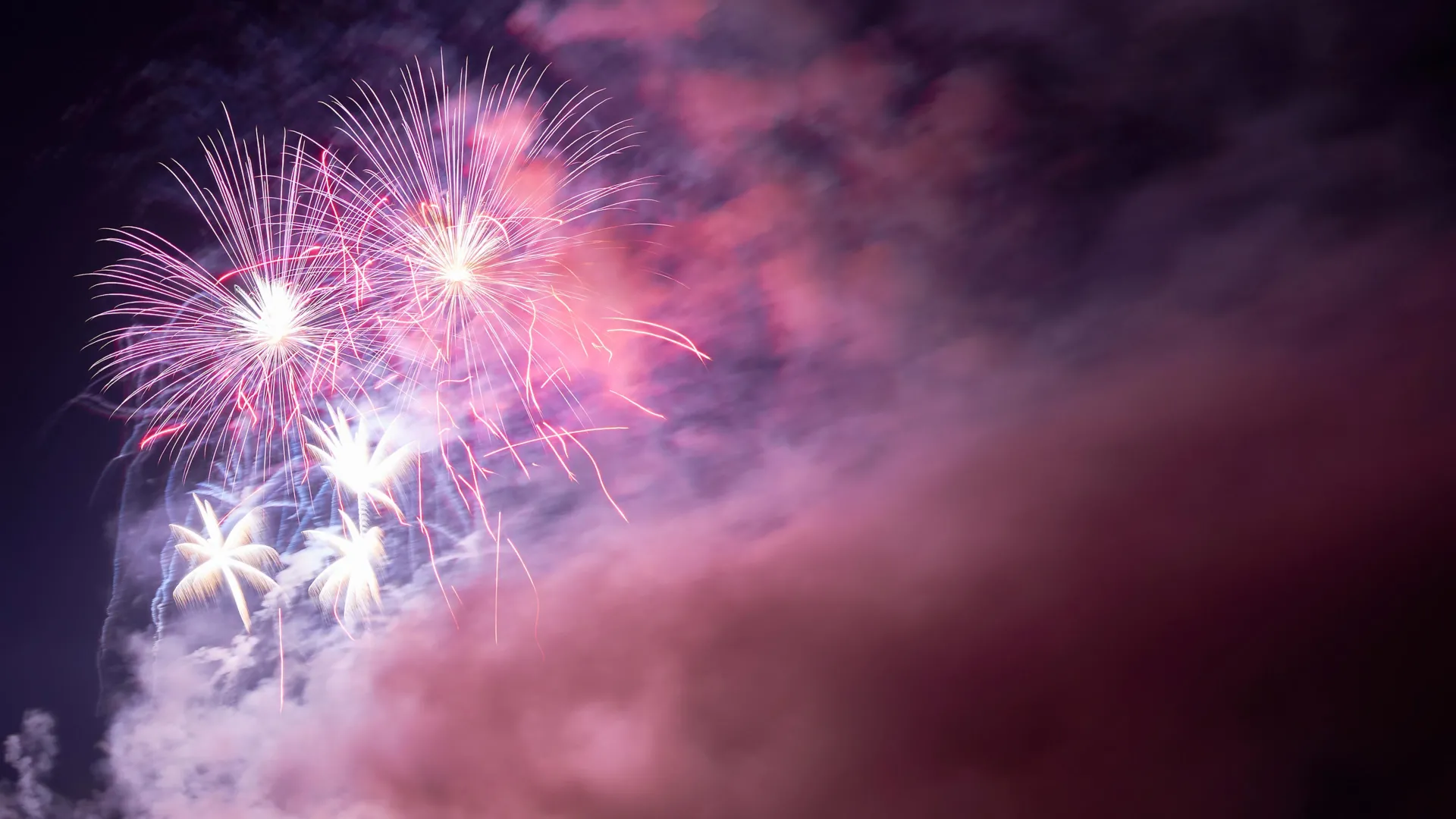
Fireworks are a hallmark of human celebration. From the thunderous crack of a grand finale to the shimmering, kaleidoscopic patterns that dance across the night sky, these pyrotechnic displays define our most joyous public gatherings. Yet, beyond the spectacle, a darker narrative is emerging. A growing body of research, detailed in recent studies published by the American Chemical Society (ACS), reveals that the environmental and health impacts of fireworks are far more profound than previously understood. When the smoke clears and the crowds disperse, the lingering chemical footprint remains, affecting water chemistry, air quality, and public health in ways that scientists are only now beginning to quantify.
The Chemistry of Celebration: An Overview
For centuries, the pyrotechnic industry has relied on a precise blend of oxidizers, fuels, and metal salts to produce the vibrant hues we associate with celebrations. However, the combustion of these materials is not a clean process. Recent investigations highlight that fireworks act as mobile, aerial chemical factories, releasing a complex cocktail of particulate matter (PM), heavy metals, and reactive organic compounds into the atmosphere and surrounding water bodies.
The core concern, according to the ACS researchers, is the multifaceted nature of this pollution. It is not merely the smoke that lingers; it is the deposition of solid debris—often containing partially burned fuel, metal ions, and hazardous additives—that infiltrates our local ecosystems. By integrating data from three distinct studies, we can now see a clearer picture of how these displays interact with the delicate balance of our environment.
Chronology of Impact: From Launch to Residual Decay
To understand the full scope of firework pollution, one must look at the life cycle of a single display. The environmental impact follows a distinct chronological progression:
1. The Pre-Launch Phase: Atmospheric Loading
Before the first shell is ignited, the infrastructure required for large-scale public events—crowds, transport, and food vendors—begins to shift the local air quality. Recent research suggests that fireworks are often the final, concentrated "shock" to an already compromised local atmosphere.
2. The Ignition Phase: Chemical Aerosolization
As fireworks detonate, they release high concentrations of amines, sulfate ions, and potassium. These chemicals do not remain static; they react with atmospheric gases to form secondary aerosols. These particles are often fine enough to remain suspended in the air for extended periods, creating the characteristic haze that follows major holiday celebrations like the Lunar New Year.
3. The Deposition Phase: Water and Soil Contamination
Once the embers fall, the "spent" fireworks undergo a process of leaching. The solid debris—charred cardboard, plastic casings, and unspent chemical propellants—settles into rivers, lakes, and soil. As this material breaks down, it releases metallic ions and organic compounds, fundamentally altering the chemistry of the water column.
Supporting Data: What the Science Tells Us
The scientific community has utilized advanced monitoring to move beyond anecdotal evidence of pollution. The following findings provide a stark look at the data:
Water Chemistry and Aquatic Health
A laboratory study published in Environmental Science & Technology examined the aftermath of firework debris in freshwater environments. The findings were concerning:
- Metal Ion Leaching: The debris released significant quantities of potassium and manganese into the water.
- Organic Matter Release: Compounds such as simple phenols and sulfur-containing substances were leached from the debris.
- The "Sponge" Effect: Interestingly, the solid residue acted as a chemical sponge, absorbing complex, pre-existing substances from the water, which could potentially concentrate other toxins in the environment.
Researchers warn that the accumulation of this litter, especially after recurring festivals, threatens to disrupt microbial communities. These communities form the base of the aquatic food web; their degradation could have cascading effects on local fish populations and water quality.
Particulate Matter and Human Exposure
In a separate study published in ACS ES&T Air, researchers monitored a multi-day athletic event in the United Kingdom. By tracking air quality throughout the duration of the event, they were able to isolate the contribution of fireworks from other sources like food vendor cooking and vehicle emissions.
- The Spikes: Two distinct spikes in fine particulate matter (PM2.5) were recorded during the opening and closing ceremonies. The fireworks accounted for a significant, measurable portion of these spikes.
- The Health Risk: The study concluded that attendees who remained at the event for the duration were subjected to cumulative air pollution levels exceeding the guidelines set by the World Health Organization (WHO). This suggests that even brief exposure to high-intensity displays during public gatherings poses a genuine risk to public health, particularly for those with pre-existing respiratory conditions.
The Role of Amines in Haze
Research published in Environmental Science & Technology Letters investigated the specific role of amines in post-celebratory haze. During Lunar New Year celebrations in China, scientists detected:
- Substantial increases in airborne amine levels during the largest displays.
- A direct correlation between the volume of fireworks and the density of the resulting haze.
- High concentrations of fine particulate matter, which, when combined with these chemicals, created a persistent, low-visibility environment that lasted long after the final display concluded.
Official Responses and Perspectives
Environmental regulatory bodies and pyrotechnic associations have begun to acknowledge these findings. While the pyrotechnics industry emphasizes the cultural importance of these displays, there is a growing consensus that the "business as usual" approach requires modification.
Environmental agencies, including the EPA and international counterparts, have noted that while fireworks are often exempt from strict industrial emission standards due to their intermittent nature, the cumulative impact of thousands of local displays is non-negligible. Discussions are currently underway regarding the development of "greener" fireworks—formulations that reduce the use of perchlorates and heavy metals—as well as better post-event cleanup protocols to prevent firework debris from entering water systems.
Implications for Future Celebrations
The implications of these studies are profound for urban planning and environmental policy. If cities continue to host large-scale fireworks displays, they may need to account for these events in their air quality management plans.
Implications for Public Health
The evidence suggests that vulnerable populations—the elderly, children, and those with asthma—should be advised to take precautions during large events. Moving forward, health departments may look to issue "air quality alerts" specifically tied to fireworks schedules, similar to how they track ozone levels on hot summer days.
Implications for Environmental Management
The findings regarding water chemistry suggest that municipalities should prioritize the collection of firework debris in areas near water. Simple interventions, such as deploying cleanup crews immediately following a display to collect charred casings before they can leach chemicals into the water, could mitigate the worst of the environmental impact.
The Path Toward "Sustainable Celebration"
Technology may eventually provide a solution. "Cold" pyrotechnics and drone light shows are being explored as potential alternatives that offer the same visual awe without the chemical byproduct. While fireworks currently remain the traditional standard, the shift toward a more sustainable model of celebration appears inevitable as the public becomes increasingly aware of the hidden costs associated with our night-sky displays.
Conclusion
The research published in these ACS journals serves as a necessary wake-up call. We have long viewed fireworks as a harmless, albeit noisy, expression of human joy. However, the data confirms that these displays are complex chemical events with measurable, long-term consequences for the air we breathe and the water we rely on.
Moving forward, the challenge will be to balance our love for tradition and spectacle with the imperative to protect our environment and public health. By acknowledging these risks, we can begin to adopt smarter, cleaner practices that ensure our celebrations leave behind nothing but memories, rather than a legacy of chemical pollution. As we look to the future, the goal should be to innovate our way toward celebrations that remain brilliant in the sky, but benign on the earth.