At 53 years old, I had spent a lifetime treating automobiles as utility items—a necessary evil of modern life. For decades, my automotive history was a ledger of compromises: budget constraints in my youth, pragmatic SUVs during middle age, and the constant, nagging feeling that I was driving a vehicle designed for someone else’s life. That changed recently, in a decision that was as much about reclaiming my personal identity as it was about navigating the volatile post-pandemic automotive market.
This is the story of how a routine oil change turned into a pivot point, leading me to abandon the "sensible" path and finally purchase a car simply for the joy of it.
The "Maxi Cooper" Dilemma: A Case of Buyer’s Remorse
In July 2020, at the height of the pandemic, I purchased a used 2019 Mini Countryman SE All4 for $35,990. I had intended to replace my aging 2004 Mini Cooper with a newer iteration of the same model, but I allowed myself to be swayed into the "compact SUV" segment. I dubbed it the "Maxi Cooper."
For two years, I lived with a vehicle that was objectively "fine" but subjectively wrong. As a "small-car guy," I felt disconnected from the road and out of sync with my own preferences. It was a classic case of prioritizing the perception of practicality over the reality of personal satisfaction. I was driving a car that met the criteria of an SUV, but lacked the soul of the small, agile machines I had always loved. I tolerated the vehicle, but I never truly owned it—not in the emotional sense.
A Stroke of Market Serendipity
The trajectory of my automotive life shifted abruptly last month during a routine maintenance visit. While waiting for my oil change, the dealer approached me with an unexpected proposition: they wanted to buy back my Countryman.
To understand the weight of this offer, one must look at the broader U.S. economic landscape. According to data from the Federal Reserve, used vehicle prices have surged 55% since July 2020. Even new car prices have climbed by roughly 18% due to global supply chain disruptions and semiconductor shortages.
When the dealer offered me $33,000 for a car I had purchased 26 months prior, I was stunned. I reached out to a contact in the industry—a former car salesman named Jeremy—to verify my sanity.
"It’s not just a good deal," Jeremy explained. "It’s a miracle. It’s as if you leased that car for $115 per month. You should take the offer. Now. Before they change their mind."
The Philosophy of Self-Centered Shopping
With the "Maxi Cooper" sold, I found myself in an unusual position: I was a man with a budget but no plan. Typically, consumers identify their next vehicle before parting with their current one. I was doing things in reverse, applying what I call my "self-centered shopping" strategy. This approach dictates that, for once in my life, I would not make a compromise.
Every car I have ever owned involved a sacrifice—be it cost, size, or function. This time, I resolved to purchase exactly what I wanted. I considered going car-free, relying on my 1993 Toyota pickup and the walkability of my home in Corvallis, Oregon. However, I decided that if I were to participate in the automotive market, I would do so on my own terms.
My criteria were clear:
- Size: Small, agile, and maneuverable.
- Reliability: High marks for longevity and owner satisfaction.
- Experience: An "intimate" driving feel that connected the driver to the road.
The Search: Filtering Through the Noise
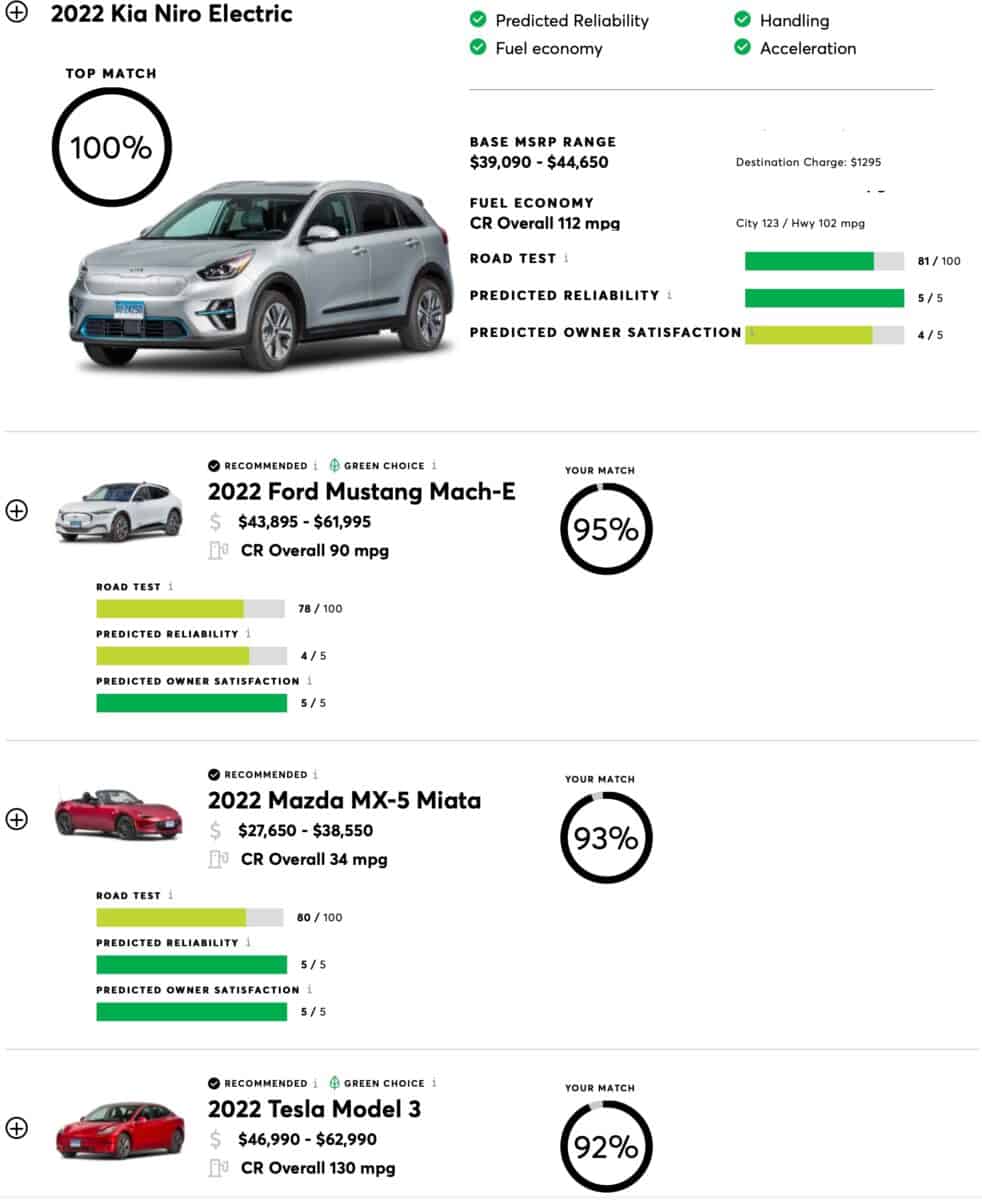
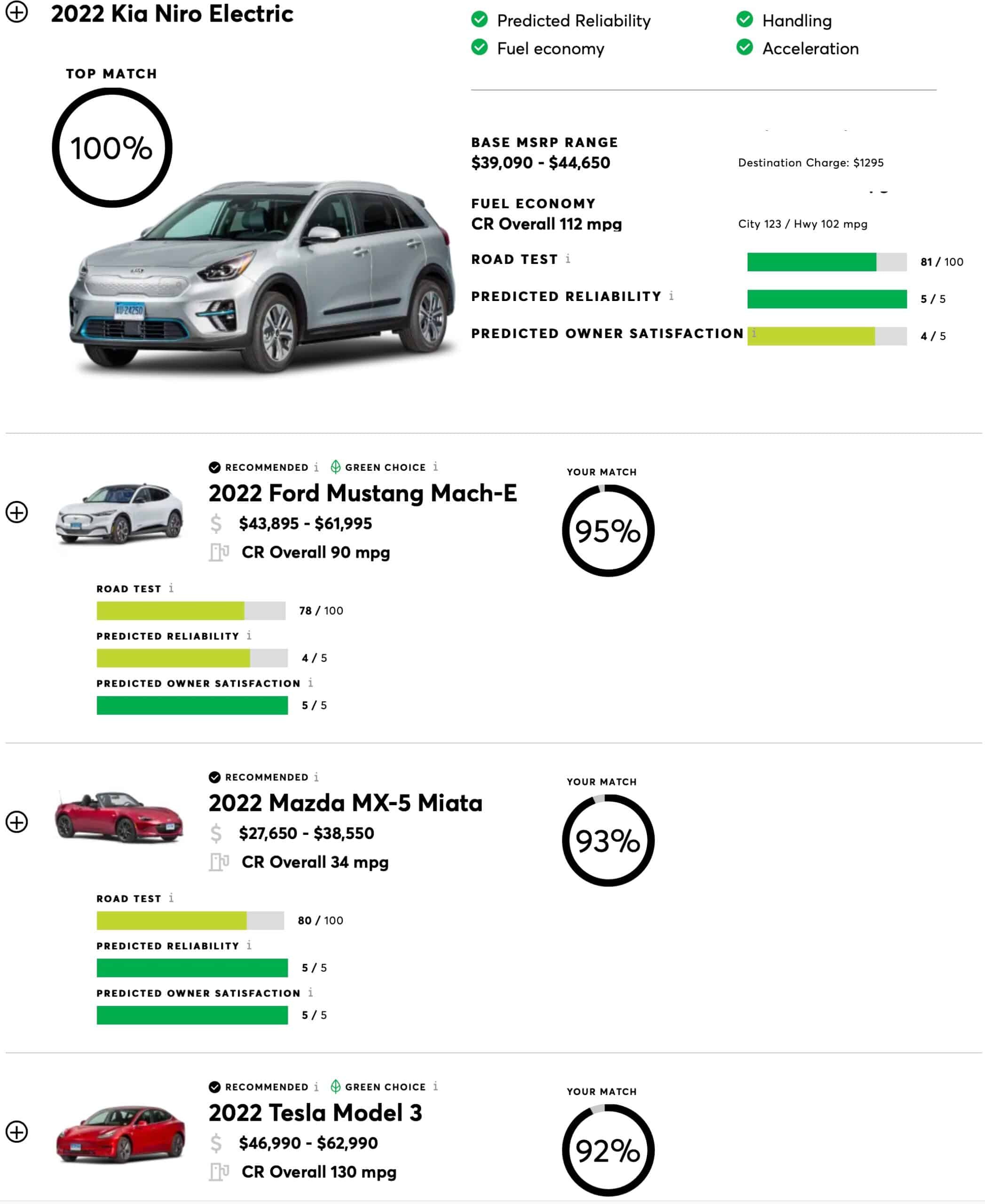
I immersed myself in a 24-hour deep dive into the current market. I utilized the Consumer Reports car finder tool, which recommended a list including the Kia Niro Electric, the Ford Mustang Mach-E, the Mazda Miata, the Tesla Model 3, and the Hyundai Ioniq 5.
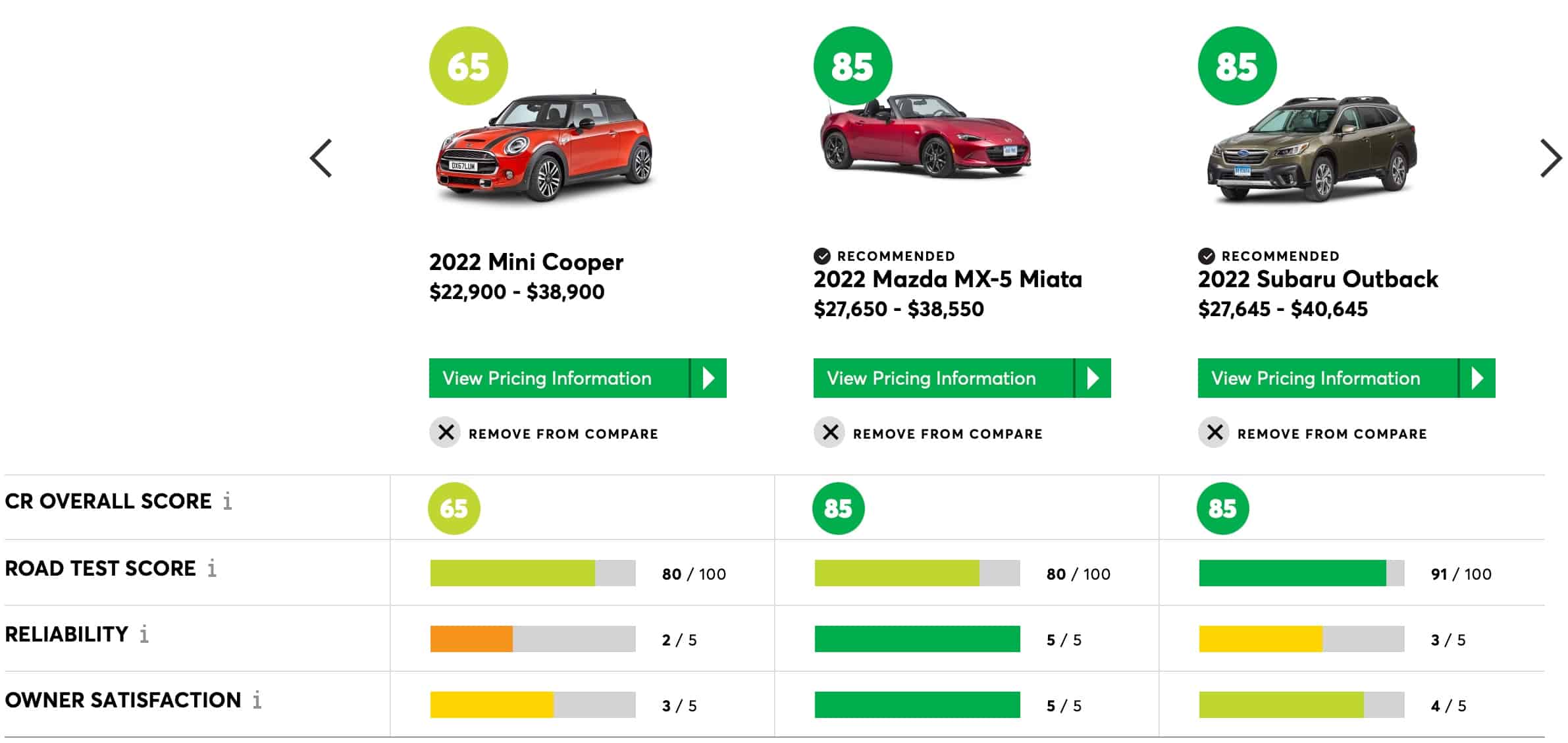
I systematically eliminated the candidates:
- Tesla: Ruled out due to high entry costs and questionable long-term reliability.
- Kia/Hyundai: Eliminated based on lower owner satisfaction ratings.
- Mustang Mach-E: Despite the name, it is an SUV, failing my core requirement for a small, non-utility vehicle.
That left one clear winner: the Mazda MX-5 Miata.
The Miata is widely regarded as the gold standard for "fun-per-dollar." Consumer Reports acknowledges that the car is objectively impractical—it seats two, has minimal storage, and features significant road noise—yet they are "smitten" with the plucky ragtop. For my purposes, these "downsides" were non-factors. I wasn’t looking for a grocery hauler; I was looking for a machine that would revive my senses.
The Purchase: Avoiding the "Four-Square" Trap
On the last Thursday in August, I traveled to a dealership in Salem, Oregon. I was prepared for the classic "four-square" sales tactic—a manipulative negotiation method used by dealers to confuse the buyer regarding trade-in values and monthly payments.
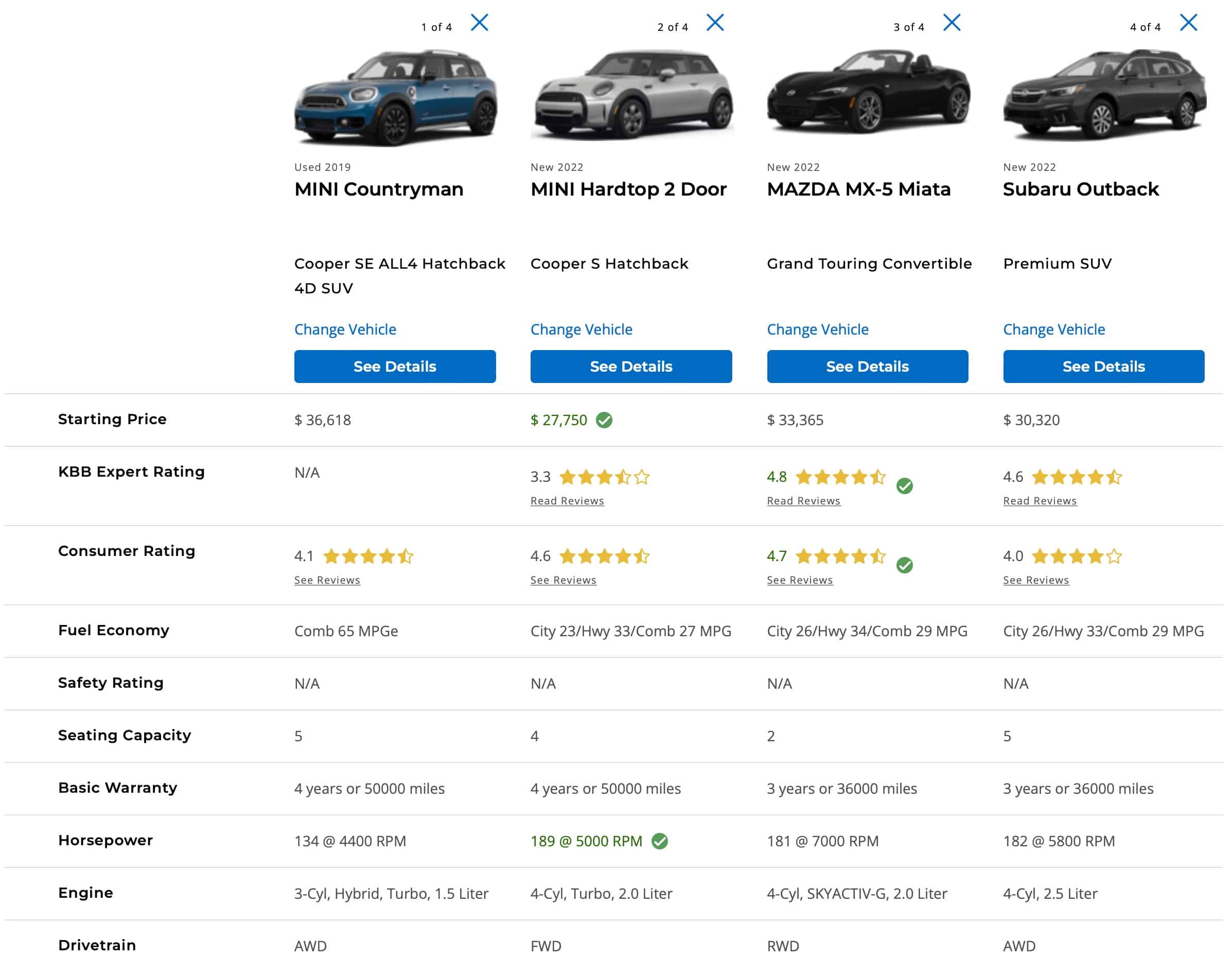
When I presented the dealer with the $33,000 offer for my previous vehicle, they were initially hesitant to match it. However, the market demand for used inventory worked in my favor. Once the trade-in was settled, we moved to the new car.
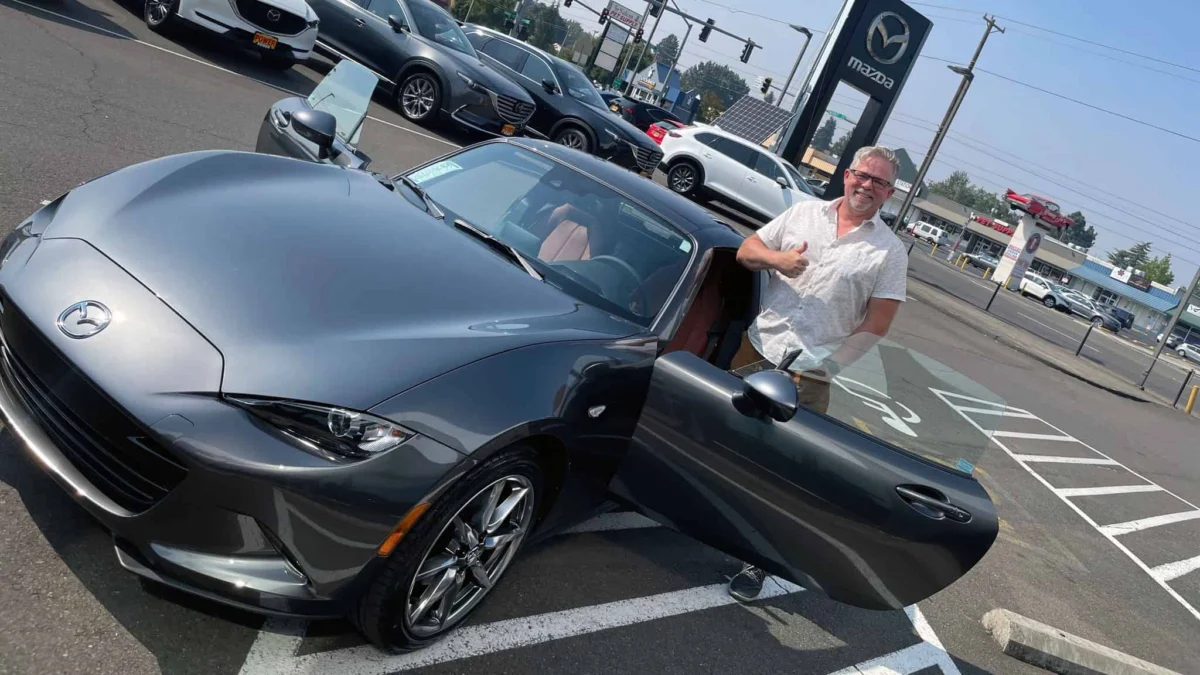
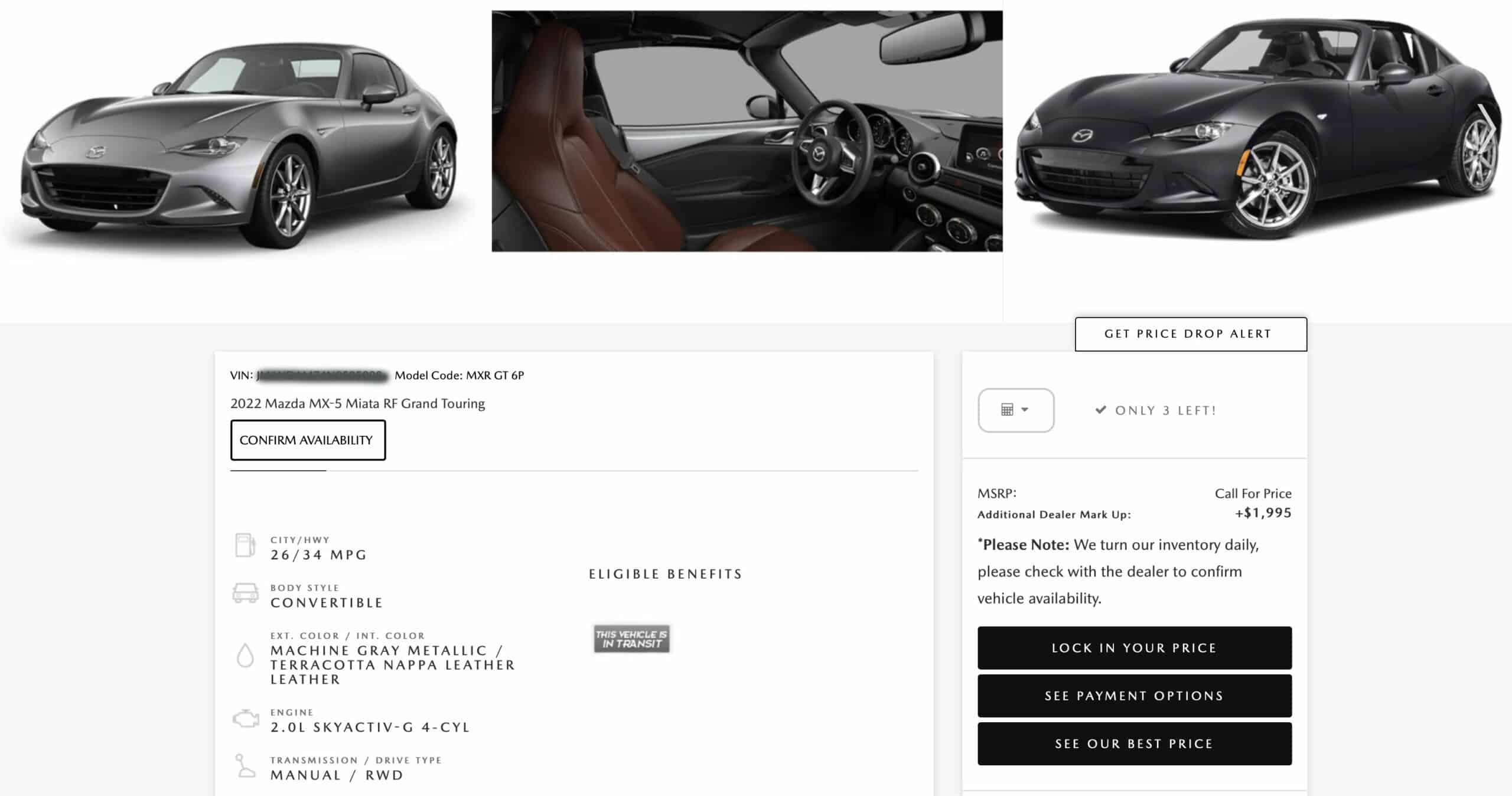
The dealership had five Miatas on the lot, but none matched my specific configuration: gray exterior, manual transmission, and a hardtop. Despite the salesman’s attempt to push an in-stock unit, I held firm. I refused to walk away with a vehicle that wasn’t "the one." We reached a tentative agreement on a price—including a mandatory $1,995 market adjustment—and I waited for my specific configuration to arrive.
Implications: Building a "Rich Life"
When the car finally arrived, it had only five miles on the odometer—the lowest the finance manager had seen in his 30-year career. The drive home, through winding riverside roads and rolling hills with the top down, was a cathartic experience.
Some might argue that spending $40,000 on a two-seater is irrational. From a purely mathematical, "frugal-only" perspective, perhaps it is. But finance is rarely just about math; it is about behavior and psychology. Having grown up in poverty, I have spent years battling the guilt associated with purchasing "nice things."
By choosing the Miata, I am following the principles advocated by financial experts like Ramit Sethi, who argue that money should be a tool to build a "rich life." A rich life isn’t necessarily about hoarding wealth for the sake of a spreadsheet; it’s about allocating resources toward the things that bring genuine, sustained joy.
Conclusion: The Final Verdict
Looking back at the decision, the choice was binary: keep the pragmatic "Maxi Cooper" and have $7,000 in the bank, or own the car I had dreamed of for years. The Miata won, and it won for a reason that transcends fiscal logic.
My purchase wasn’t about status, and it wasn’t about utility. It was about ending a 53-year streak of compromising my desires to satisfy a perceived social or economic obligation. In the end, the most valuable return on my investment wasn’t the trade-in value or the interest rate—it was the feeling of pure, unadulterated joy every time I turn the key and hit the open road. I have finally allowed myself to buy a car I truly love, and for the first time in my life, I don’t feel guilty about it.