Main Facts: The Condemnation of Rex Heuermann
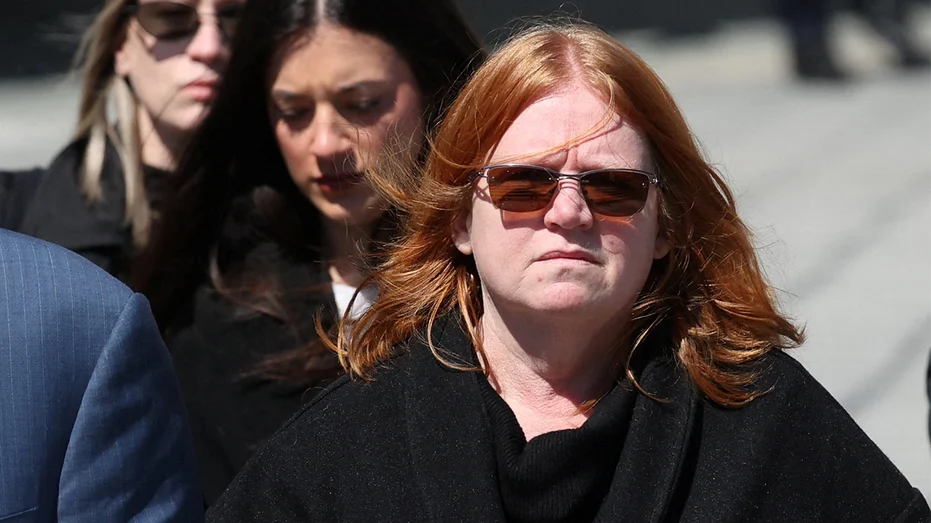
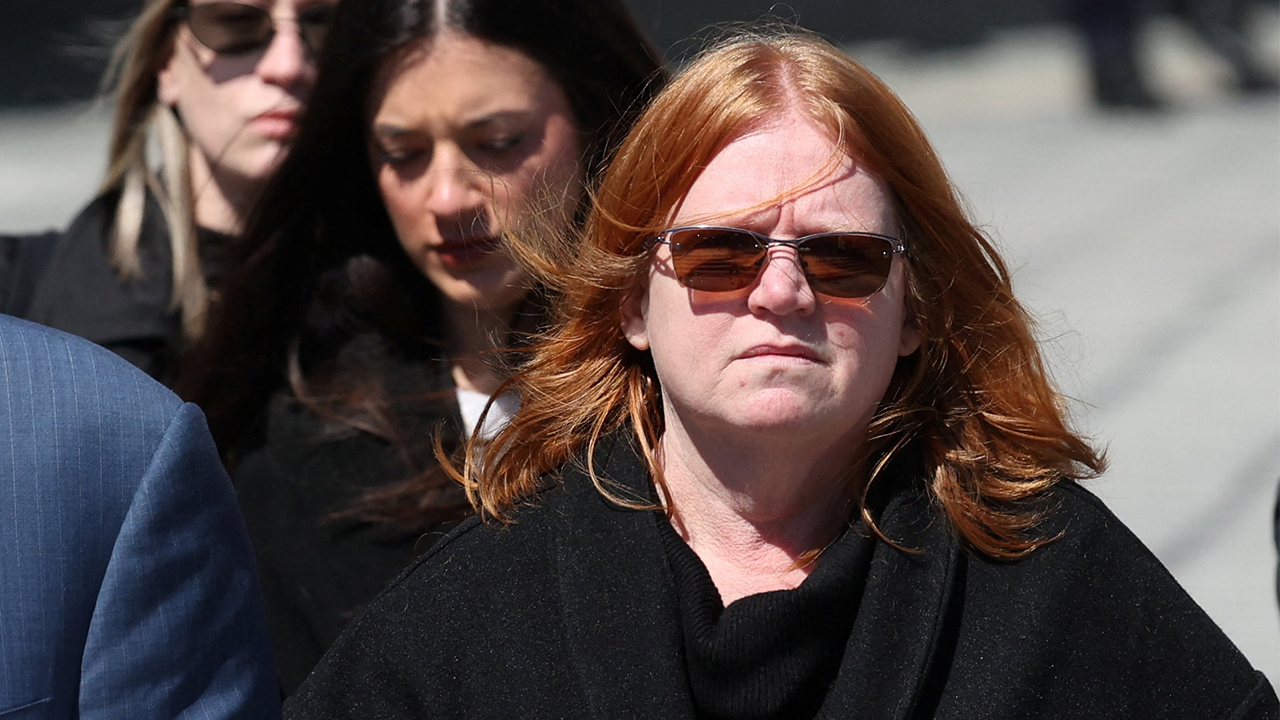
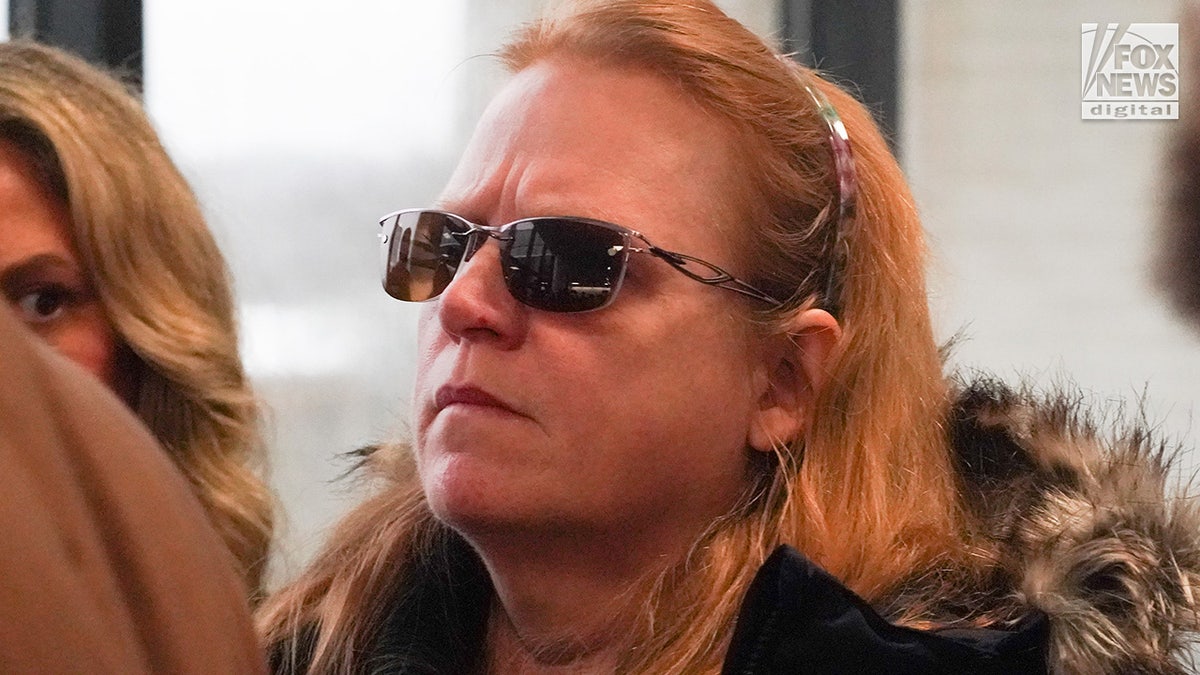
In a dramatic conclusion to one of the most notorious serial killer investigations in American history, Asa Ellerup, the ex-wife of convicted Long Island serial killer Rex Heuermann, has publicly broken her silence following his historic sentencing. Speaking through her defense attorney, Bob Macedonio, Ellerup expressed her relief and agreement with the court’s decision, stating that the 62-year-old former architect "got what he deserved" after a New York State Supreme Court judge handed down the maximum possible sentence for a reign of terror that spanned nearly two decades.
"She believes the sentence is appropriate for his crimes, and obviously he got what he deserved," Macedonio said in a public statement. "You can’t kill eight people. She’d never condone any of that."
Heuermann, who was once a prominent Manhattan architect living a double life in the quiet suburb of Massapequa Park, was sentenced to three consecutive terms of life in prison without the possibility of parole. This absolute sentence will be followed by four consecutive terms of 25 years to life, ensuring that the serial killer will spend the remainder of his natural life behind bars. The sentencing marked the culmination of a grueling legal process that began with Heuermann’s arrest in July 2023 and concluded with his transfer to the state prison system.
Following the formal sentencing in Riverhead, New York, Suffolk County authorities moved swiftly to transfer Heuermann out of the local jail. According to Macedonio, Heuermann was transported to the Green Haven Correctional Facility—a maximum-security state prison located in Stormville, New York—for initial processing. Since his transfer, Heuermann has had no contact with his ex-wife or their children.
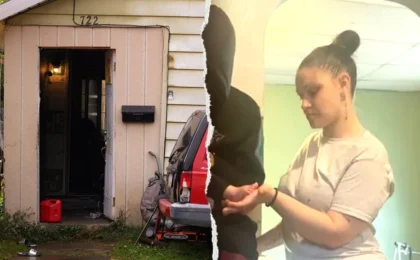
The sentencing has also brought renewed attention to the psychological toll inflicted on Heuermann’s family. In a shocking revelation broadcast on the Peacock docuseries The Gilgo Beach Killer: House of Secrets, Ellerup disclosed that she now sleeps in the very basement room where her ex-husband confessed to torturing, killing, and dismembering his victims.
"The brutal truth is that Rex Heuermann said he dismembered the bodies in this room," Ellerup said during the documentary. "That is the brutal truth. OK. Now. There’s me. I’m in this room. And I’m here because I do feel spiritual. I am trying to say spiritually, in my own way, that I am really sorry for what these victims went through."
Chronology: The Decades-Long Timeline of Terror and Justice
The resolution of the Gilgo Beach homicides brings an end to a timeline of violence, cold-case frustration, and cutting-edge forensic breakthroughs that stretched over thirty years.
The Era of Violence (1993–2010)
- 1993: Sandra Costilla is murdered, marking the earliest known victim attributed to Heuermann’s decades-long killing spree.
- Late 2000s: A succession of young women working as sex workers go missing from the New York metropolitan area. Among them are the "Gilgo Four"—Melissa Barthelemy, Maureen Brainard-Barnes, Megan Waterman, and Amber Costello.
- May 2010: Shannan Gilbert, an escort from New Jersey, vanishes after fleeing a client’s home in the gated community of Oak Beach. Her frantic 911 call triggers an intensive search of the surrounding barrier island.
The Discoveries and Cold Case Years (2010–2022)
- December 2010: While searching for Gilbert in the dense brush along Ocean Parkway near Gilgo Beach, a Suffolk County police canine unit discovers the skeletal remains of Melissa Barthelemy. Within days, three more bodies—Waterman, Costello, and Brainard-Barnes—are found wrapped in burlap, placed close to one another.
- Spring 2011: The search expands, revealing the partial remains of several other individuals, including Jessica Taylor, Valerie Mack, and Karen Vergata, along with an unidentified toddler and an Asian male.
- 2011–2021: Despite national media attention, the investigation stalls. Accusations of institutional corruption and investigative incompetence plague the Suffolk County Police Department, leaving the families of the victims without answers for over a decade.
The Breakthrough and Arrest (2022–2023)
- February 2022: Newly elected Suffolk County Police Commissioner Rodney Harrison establishes the Gilgo Beach Homicide Task Force, a collaborative effort involving local police, state investigators, and the FBI.
- March 2022: Investigators identify a first-generation Chevrolet Avalanche registered to Rex Heuermann at the time of the disappearances, matching a description provided by a witness in 2010.
- July 13, 2023: Rex Heuermann is arrested by undercover detectives outside his Midtown Manhattan architecture office. Simultaneously, police launch a massive search of his Massapequa Park residence, uncovering a hidden vault, hundreds of firearms, and forensic evidence. Ellerup files for divorce shortly after the arrest.
The Legal Resolution (2023–2026)
- 2023–2025: Heuermann is progressively indicted for the murders of multiple victims as forensic teams link DNA found on the burlap wrappings to hair samples retrieved from Heuermann’s home and discarded pizza boxes.
- April 8, 2026: During a highly publicized change-of-plea hearing, Heuermann formally pleads guilty to the murders of seven women and confesses to the murder of an eighth victim.
- June 16, 2026: New York State Supreme Court Judge Timothy Mazzei sentences Heuermann to multiple consecutive life terms, officially bringing his legal proceedings to a close.
Supporting Data: The Victims, the Evidence, and the "House of Secrets"
The prosecution’s case against Rex Heuermann was built upon an overwhelming mountain of forensic, digital, and circumstantial evidence. Over his decades-long spree, Heuermann targeted vulnerable women, most of whom were petite, weighing approximately 100 pounds and standing around 5 feet tall.
The Eight Confirmed Victims
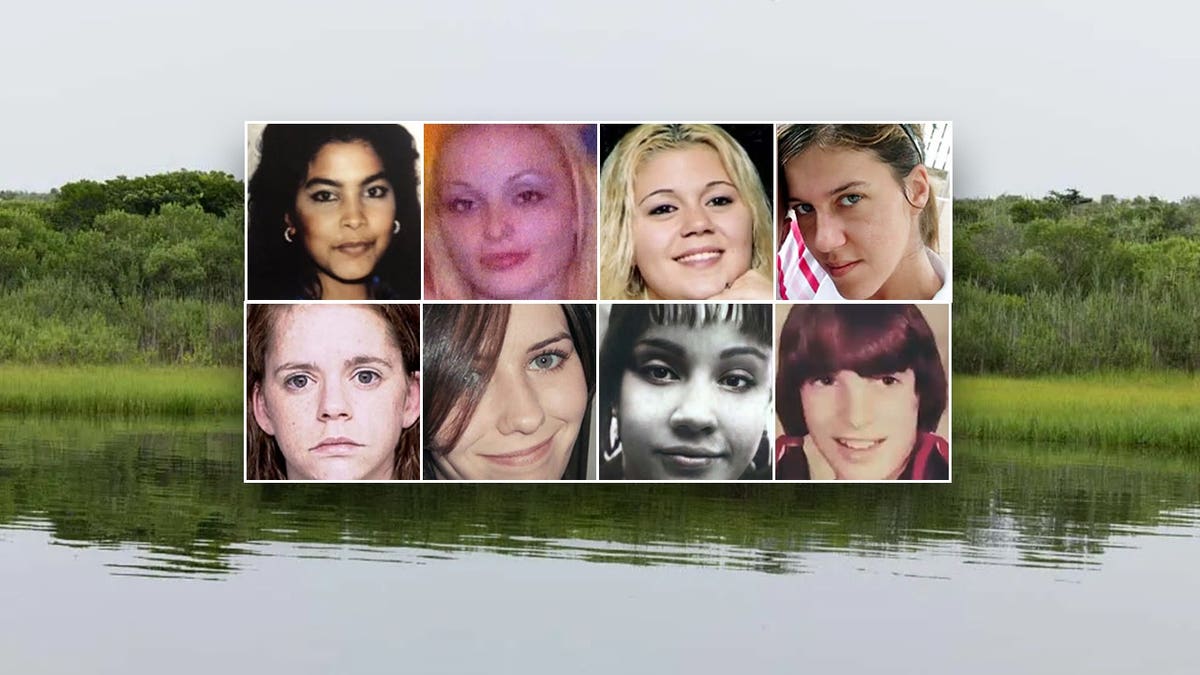
The sentencing honors the lives of eight women whose remains were recovered along the South Shore of Long Island:
- Sandra Costilla: Murdered in 1993, her death remained unsolved for over three decades before being forensically linked to Heuermann.
- Maureen Brainard-Barnes: Disappeared in July 2007; her remains were found in December 2010.
- Melissa Barthelemy: Disappeared in July 2009; her phone was later used by the killer to make taunting calls to her teenage sister.
- Megan Waterman: Disappeared in June 2010; her body was recovered during the initial searches near Ocean Parkway.
- Amber Costello: Disappeared in September 2010; she was the last of the "Gilgo Four" to go missing.
- Jessica Taylor: Disappeared in 2003; her partial remains were found in Manorville and later along Ocean Parkway.
- Valerie Mack: Disappeared in 2000; her remains were similarly scattered across multiple locations on Long Island.
- Karen Vergata: Disappeared in 1996; her remains were identified using advanced genetic genealogy decades after her death.
| Victim Name | Date of Disappearance / Death | Location of Discovery | Key Evidence Linked to Heuermann |
|---|---|---|---|
| Sandra Costilla | November 1993 | North Sea, NY | Mitochondrial DNA / Hair analysis |
| Karen Vergata | April 1996 | Fire Island / Ocean Parkway | Genetic genealogy / Burner phone records |
| Valerie Mack | September 2000 | Manorville / Ocean Parkway | Cellular tower mapping |
| Jessica Taylor | July 2003 | Manorville / Ocean Parkway | Vehicle registration / Witness testimony |
| Maureen Brainard-Barnes | July 2007 | Gilgo Beach | Hair on burlap wrap matching Ellerup |
| Melissa Barthelemy | July 2009 | Gilgo Beach | Taunting phone calls made from Manhattan |
| Megan Waterman | June 2010 | Gilgo Beach | DNA from pizza crust discarded by Heuermann |
| Amber Costello | September 2010 | Gilgo Beach | Chevrolet Avalanche witness description |
The Forensic Blueprint
The conviction of Heuermann was secured through three pillars of modern forensic science:
- Mitochondrial DNA Matching: Hair samples found on the burlap bags used to wrap the victims were matched to Heuermann’s ex-wife, Asa Ellerup, and his daughter. Crucially, travel records proved that Ellerup and the children were out of the state or country during each of the murders, establishing that Heuermann committed the crimes in their empty home and inadvertently transferred his family’s hairs to the crime scenes.
- Digital Footprints and Burner Phones: Prosecutors presented evidence of burner phones purchased under aliases that matched the locations and times of the victims’ disappearances. Furthermore, forensic searches of Heuermann’s personal computer revealed extensive search histories involving violent pornography, torture, and tracking the progress of the Gilgo Beach investigation.
- The Massapequa Park Residence: The family home, characterized by neighbors as a rundown, ramshackle structure in an otherwise affluent neighborhood, served as the primary crime scene. Forensic excavation of the basement revealed a soundproofed vault where Heuermann conducted his tortures and dismemberments.
Official Responses: Judicial Scorn and Prosecutorial Resolve
The final sentencing hearing was marked by intense emotional exchanges, highlighting the profound anger and disgust felt by the judicial system and the local community.
Judicial Condemnation
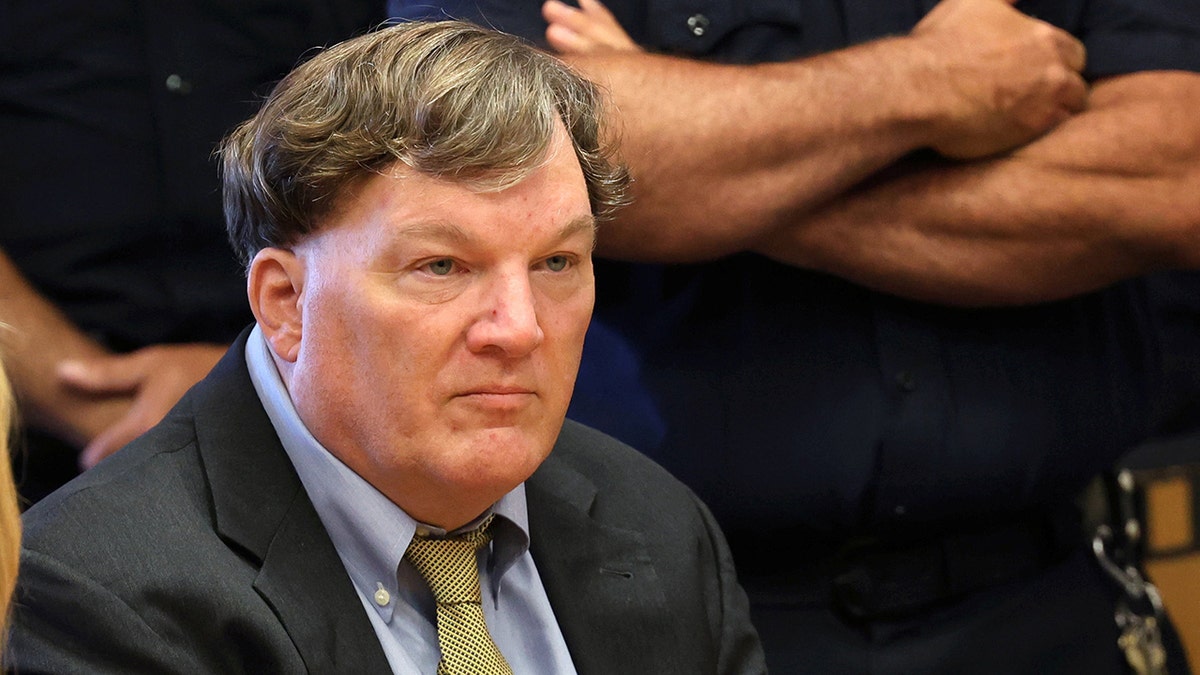
Judge Timothy Mazzei did not mince words when addressing Heuermann in court. He confronted the killer directly, contrasting Heuermann’s physical size—he stands over 6 feet 4 inches tall—with the vulnerability of his victims.
"Mr. Heuermann, as Mr. Tierney said, I know that you’re sorry you got caught," Judge Mazzei remarked from the bench. "I assume that you’re sorry for what you’ve done to your wife and children. Are you a little bit sorry for what you did to these poor, innocent women? Eight women that you strangled to death—at least eight, that we know of. Are you at least a little bit sorry for that? Yes?"
When Heuermann quietly responded, "Yes, I am," Mazzei delivered a blistering rebuke.
"You know what, you’ve been described as a very big man, but you’re a disgusting and despicable small man, if you’re a man at all," Mazzei said. "And you’re a coward." Following his remarks, Mazzei ordered the courtroom bailiffs to "Get him out of here."
Prosecutorial Strategy and Future Investigations
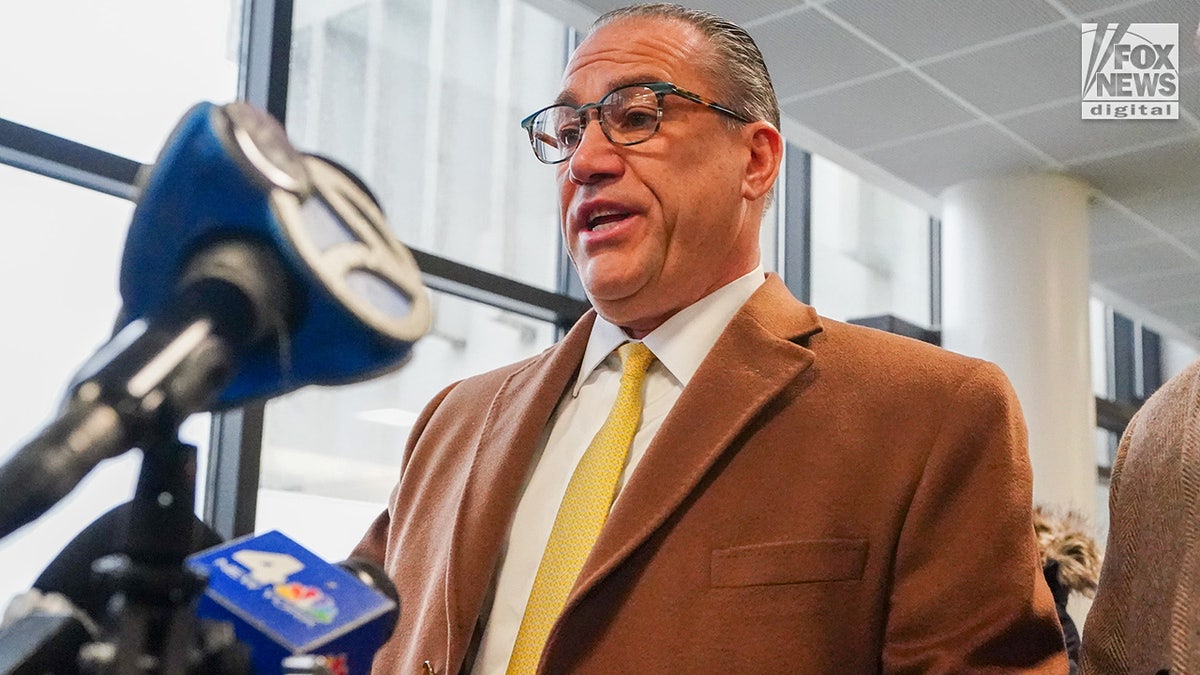
Suffolk County District Attorney Ray Tierney expressed satisfaction with the swift resolution of the trial but emphasized that the investigation remains active. Tierney chose not to speculate on whether Heuermann is responsible for other unsolved cold cases along the Eastern Seaboard.
"What I think doesn’t matter," Tierney stated to reporters outside the courthouse. He made it clear that if investigators obtain any additional evidence linking Heuermann to other missing persons, the prosecution will not hesitate to present the findings to a grand jury in pursuit of new indictments.
Implications: The Legacy of Gilgo Beach and the Path Forward
The sentencing of Rex Heuermann brings a sense of closure to the families of the eight victims, but the cultural and systemic implications of the case will be felt for decades.
The Family’s Living Nightmare
The psychological fallout for Heuermann’s family remains a focal point of public fascination and concern. Asa Ellerup’s decision to continue living in the Massapequa Park home—and specifically to sleep in the basement where the murders took place—has drawn both sympathy and bewilderment. By publicly apologizing to the victims’ families from within the "kill room," Ellerup has attempted to reclaim the space from her ex-husband’s dark legacy, transforming a site of horror into a place of spiritual reckoning.
Her public statements, coupled with her cooperation with documentary filmmakers, reflect the complex reality faced by families of serial killers, who must navigate their own trauma, public scrutiny, and the realization that they shared a home with a monster.
Impact on Law Enforcement and Cold Cases
The success of the Gilgo Beach Homicide Task Force serves as a model for law enforcement agencies nationwide. It demonstrates the necessity of inter-agency cooperation and the power of integrating traditional detective work with advanced genetic genealogy and digital forensics. The resolution of this case has already prompted police departments along the East Coast to re-examine unsolved homicides of sex workers dating back to the 1990s, searching for potential links to Heuermann’s travel history.
For the victims’ families, the maximum sentence ensures that Heuermann will never walk free. However, as District Attorney Tierney noted, the search for truth is ongoing. The shadows along Ocean Parkway may have lengthened with the passage of time, but the light of justice has finally pierced the darkness of the Gilgo Beach murders.