Anne Hathaway is currently enjoying what can only be described as a career-defining year. In 2026, she has been a ubiquitous presence in global cinema: she headlined one of the most commercially anticipated sequels in Hollywood history, anchored a pivotal role in Christopher Nolan’s sprawling, ambitious magnum opus, and led a critically acclaimed dinosaur film that critics have dubbed the most inventive of its kind since the Steven Spielberg era.
However, amidst the thunderous box office returns and the massive marketing campaigns for these blockbusters, one of Hathaway’s most profound and intricate performances has largely flown under the radar. Buried within a quiet theatrical release this past April is David Lowery’s Mother Mary, a psychological thriller that challenges the very nature of fame, intimacy, and the haunting residues of our pasts. Now that the film has made its streaming debut on HBO Max, it is time to turn our attention to the performance that may well be the crowning achievement of Hathaway’s year.
The Director’s Vision: David Lowery’s Daring Shift
David Lowery has long been established as one of the most versatile and distinct voices in modern American cinema. From the medieval intensity of The Green Knight to the existential melancholy of A Ghost Story, Lowery has carved out a niche for himself as a filmmaker who prioritizes mood, tactile in-camera effects, and elliptical storytelling over conventional narrative structures.
With Mother Mary, Lowery enters arguably his most daring territory yet. The film moves away from the sweeping landscapes of his previous work to focus on a claustrophobic, high-tension relationship between two women. By blending the aesthetic of a stage play with the surrealism of a psychological thriller, Lowery forces the audience to confront the "ghosts" that occupy our lives—not just as literal spirits, but as emotional baggage that we cannot seem to discard.
A Chronology of Conflict: The Narrative Arc
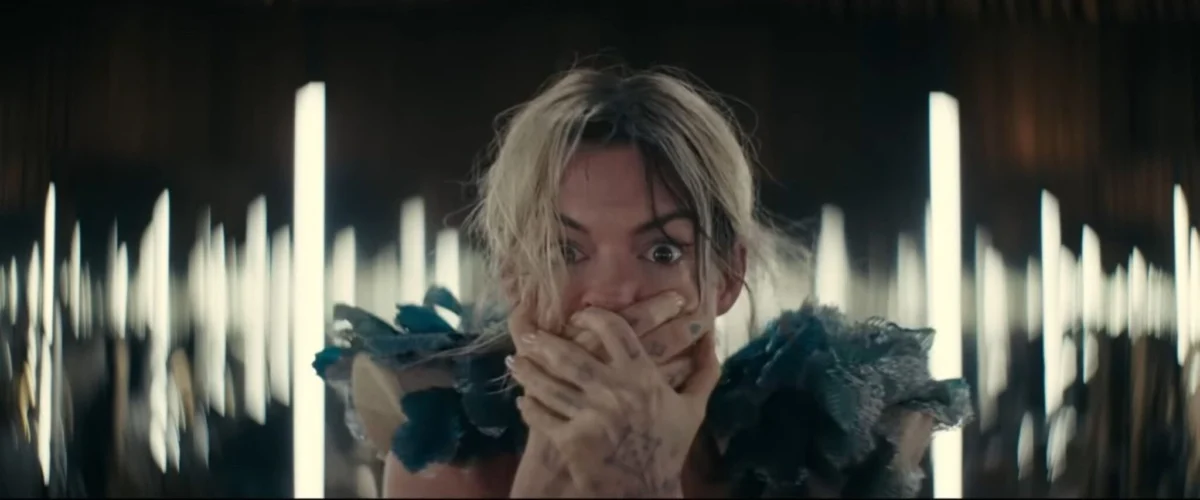
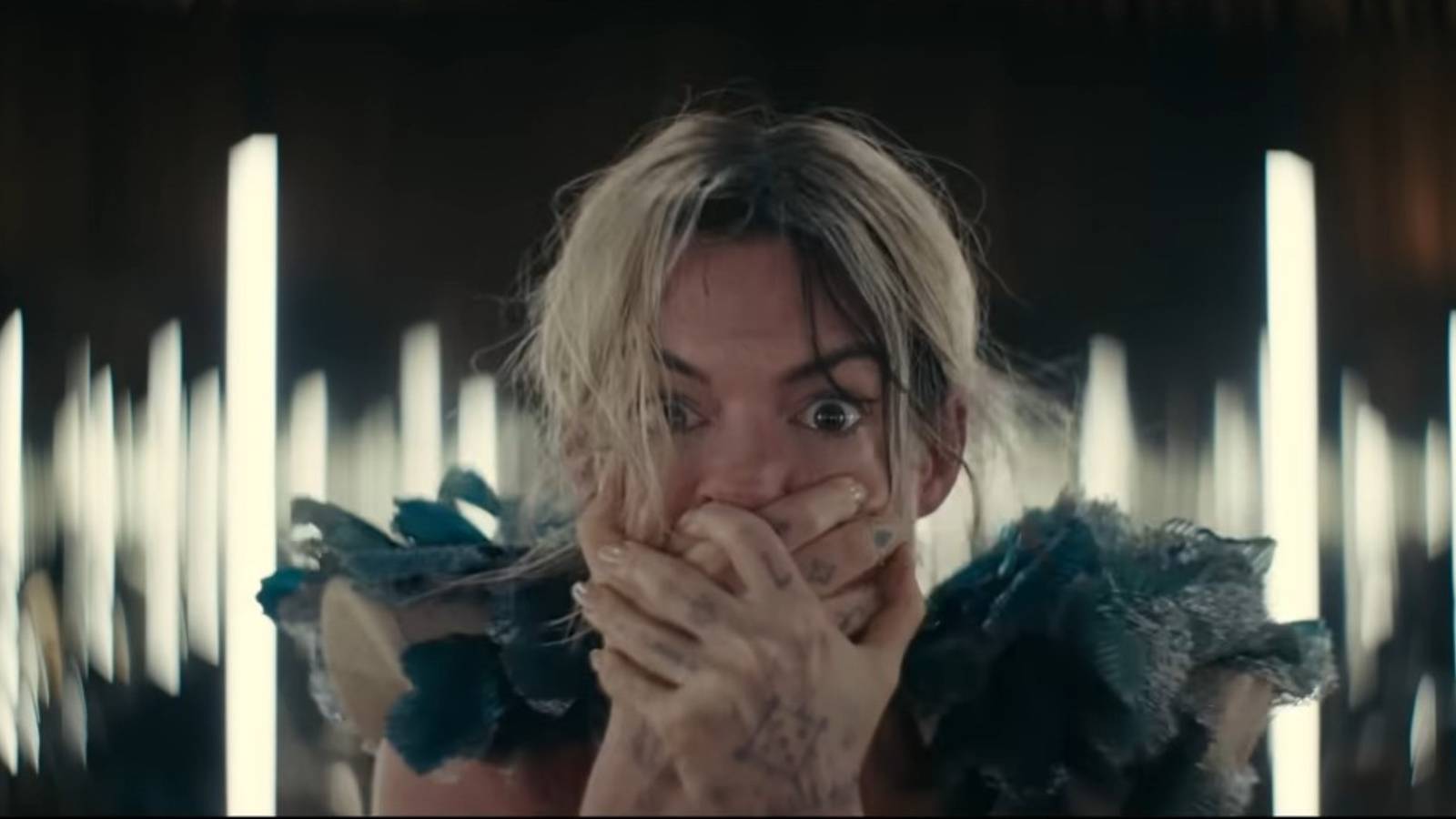
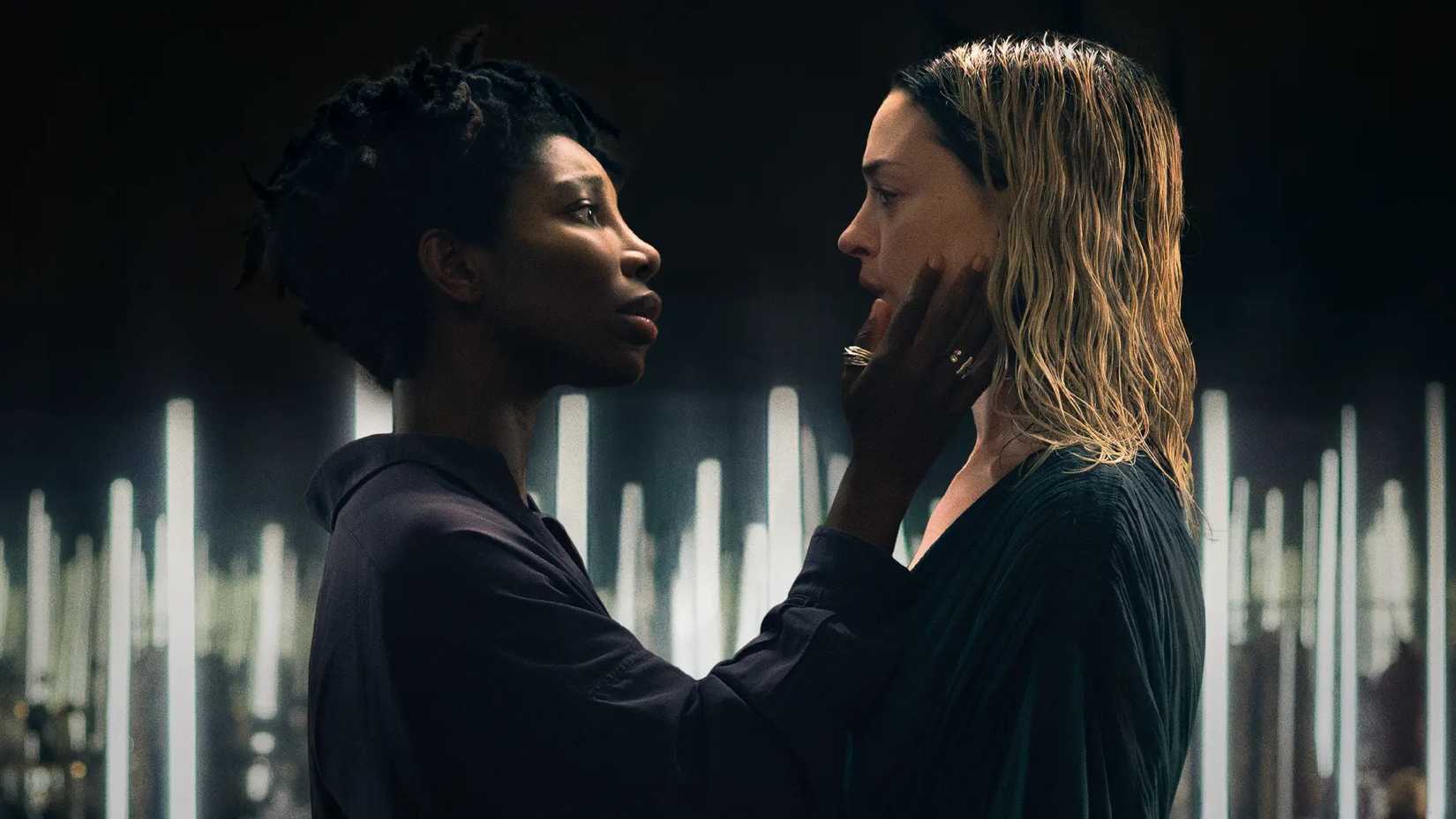
Mother Mary begins in the throes of a high-stakes emotional collapse. The titular character, Mary (Hathaway), is a world-renowned pop star on the precipice of a massive, career-defining comeback. Exhausted by the machine of the music industry and the relentless demands of her public image, Mary flees the spotlight, showing up unannounced at the London home of Sam Anselm (Michaela Coel).
Sam is not just a former costume designer; she is Mary’s best friend, her former creative collaborator, and a woman who once shared a deep, possibly romantic connection with the star. The tension in their reunion is palpable. Years of silence, professional distance, and unhealed wounds bubble to the surface as Mary begs Sam to design the costume for her return to the stage.
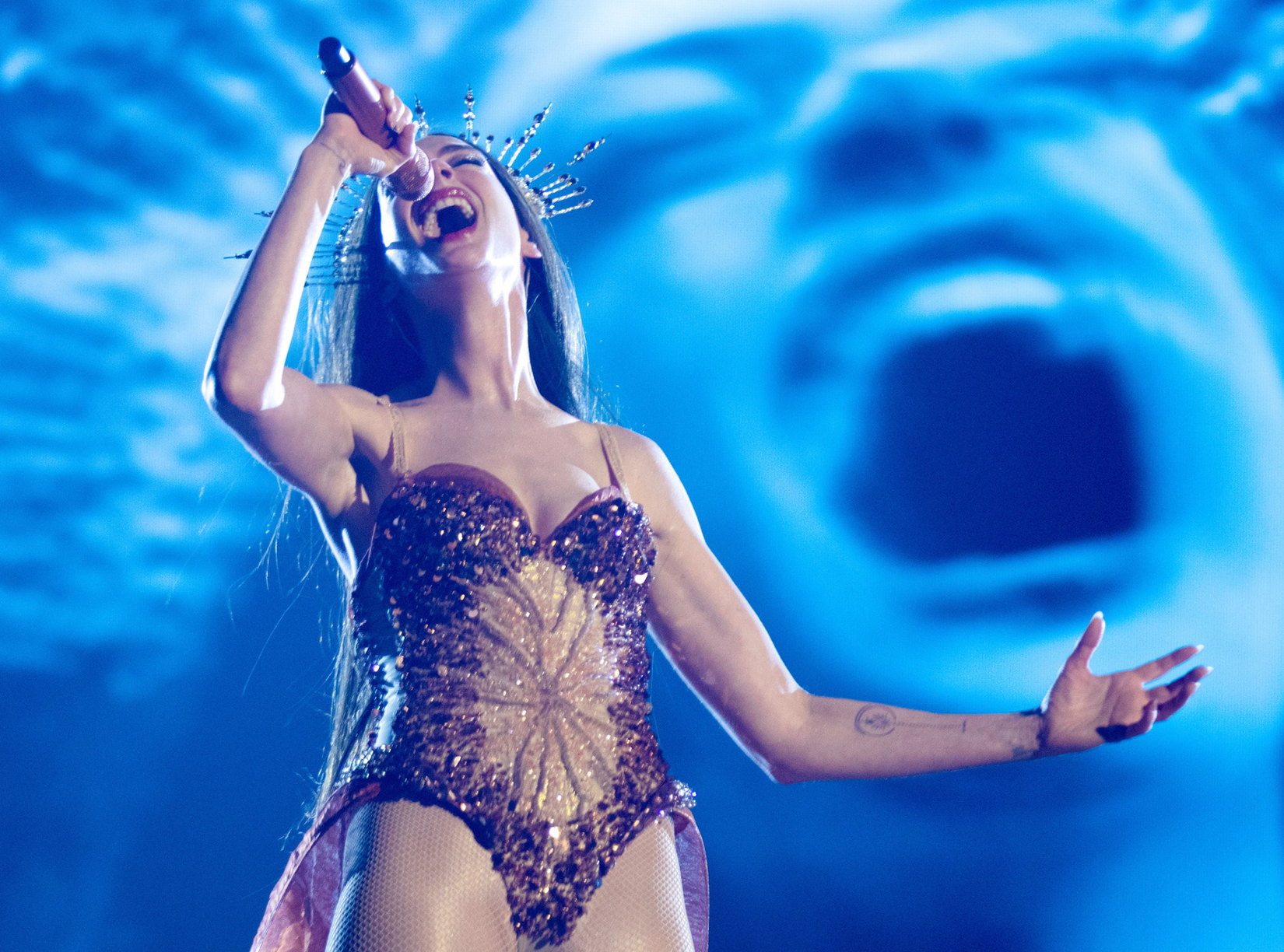
The film unfolds as a delicate dance. For the majority of the runtime, we are trapped in Sam’s cavernous, dust-mote-filled workshop. It is here that Hathaway and Coel deliver masterclasses in subtext, trading dialogue that is as sharp as it is hesitant. Interspersed with these quiet, character-driven moments are jarring, high-energy flashbacks and sequences of Mary’s concert performances, creating a jarring juxtaposition between the artificiality of her pop-star persona and the raw, unvarnished reality of her private self.
The Dual Nature of Performance: Hathaway’s Craft
The brilliance of Hathaway’s performance lies in her ability to illustrate the duplicity of a public icon. On stage, Mary is a titan of industry—she is magnetic, perfectly composed, and able to hide the physical and mental toll of her existence behind a mask of professional excellence.

Off-stage, however, Hathaway reveals a woman who has become entirely unmoored. Her relationships are largely transactional; the people surrounding her are, in effect, her employees, and she struggles to bridge the gap between being a "brand" and being a human being. The scenes with Sam serve as a crucible, forcing Mary to drop the veneer of the icon. Hathaway’s performance is marked by a vulnerability that feels both frightening and liberating, as she desperately seeks to reconnect with someone who is not yet ready to forgive the past.
The Supernatural Subtext: A Ghost Story for the Modern Age
While Mother Mary is a study in human relationships, it is, at its core, a ghost story. Lowery’s mastery of the genre is on full display here, though he handles the supernatural with his trademark subtlety.
The "ghost" in this film is a manifestation of grief. During the film’s second act, Sam reveals the origins of her own emotional haunting: she speaks of a time she physically ripped a presence out of her own body—a spiritual entity that had been feeding on her pain. When the presence left her, she felt a momentary liberation, but the ghost simply transferred itself to Mary.
The film’s final act revolves around the exorcism of this entity. The way Lowery chooses to render the ghost—a simple, vibrant red form—is a triumph of visual storytelling. It morphs from fabric drifting in the wind to a menacing light hanging over a concert stage. It is an abstract, haunting representation of the baggage we carry, and it serves as a powerful metaphor for the ways we are tethered to the people we have lost.
Official Commentary and Creative Process
In an interview with Polygon, director David Lowery shed light on the experimental nature of the film’s visual language. "I got some red clay and started sculpting maquettes to try to figure out what form I wanted to see," Lowery explained. "I was just exploring, trying to look at different shapes, different objects, different transmutations of substances."
To bring this vision to life, Lowery collaborated with artist Daniel Wurtzel, known for his work with fabrics suspended in the air. This collaboration resulted in a ghost that felt organic, tactile, and deeply connected to the themes of the film. By refusing to use CGI to create a generic "monster," Lowery ensured that the ghost felt like a manifestation of the characters’ internal struggles rather than an external threat.
Supporting Data: Why This Film Matters
While the film did not generate the same box-office revenue as Hathaway’s summer blockbusters, its impact on the critical landscape cannot be understated.
- Genre Blending: Mother Mary successfully merges the "diva drama" with supernatural horror, a rare combination that requires a delicate tonal balance.
- The Power of Two: The chemistry between Hathaway and Coel is being cited by critics as one of the most compelling acting duos of the year.
- Thematic Resonance: The film asks uncomfortable questions about the cost of creative partnership and the difficulty of letting go of a "creative soulmate."
Implications for Hathaway’s Career
The release of Mother Mary on HBO Max serves as a reminder that an actor’s "best" performance is not always the one that generates the most ticket sales. In a year where Anne Hathaway has been the face of massive, spectacle-driven cinema, Mother Mary stands as a testament to her range.
For audiences, the implication is clear: if you only know Hathaway through her massive studio hits this year, you are missing the most nuanced, fragile, and technically demanding work of her 2026. Mother Mary is a film that demands multiple viewings; it is a story that refuses to state its themes plainly, instead choosing to trust the audience to find the meaning hidden within the subtext.
As the 2026 awards season begins to take shape, many are already looking back at this quiet, haunting film. It is a bold, challenging piece of art that solidifies Hathaway’s place not just as a global superstar, but as one of the most daring and capable actors working in contemporary cinema today.
Mother Mary is currently available to stream on HBO Max. It is a journey into the heart of fame, friendship, and the ghosts we choose to keep—a journey that is well worth the time.