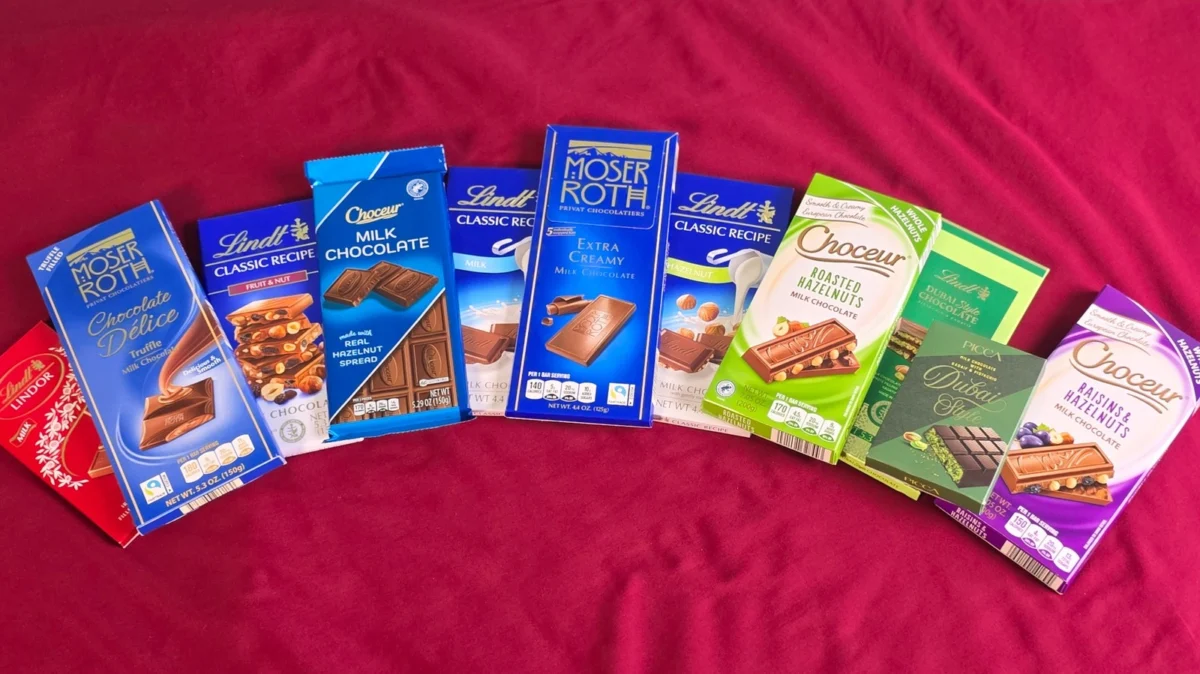
For the budget-conscious shopper and the dedicated chocoholic alike, the confectionery aisle at Aldi represents a paradox: how can such affordably priced bars rival the global reputation of premium Swiss-style chocolatier Lindt? While Aldi has long cultivated a reputation for high-quality European imports, the question remains whether their house brands can truly displace the industry standard. To settle the debate, I conducted a comprehensive side-by-side analysis, testing texture, flavor profiles, and ingredient integrity to determine which brand deserves a permanent spot in your pantry.
Main Facts: The Contenders in the Ring
The landscape of modern chocolate is dominated by two distinct philosophies: the accessible, high-value model of Aldi and the long-standing, heritage-focused prestige of Lindt.
Lindt, founded on the revolutionary "conching" process developed by Rodolphe Lindt in 1879, has spent over a century marketing itself as the pinnacle of Swiss-style creaminess. In the United States, Lindt products are widely recognized by their gold-foil wrapping and a price point that signals a "premium" experience.
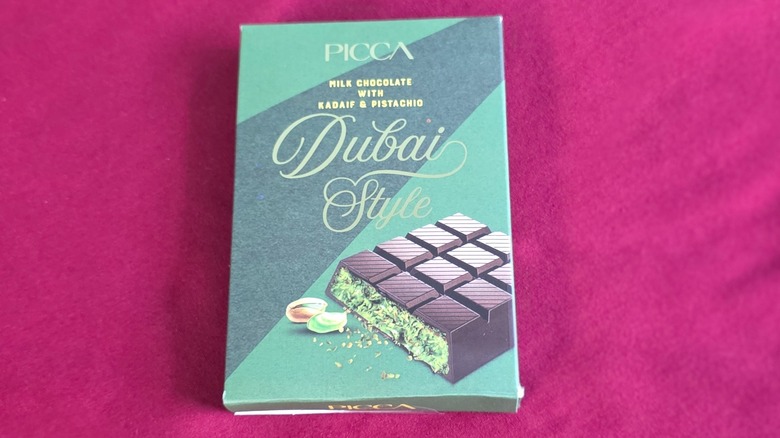
Conversely, Aldi’s chocolate portfolio is a masterclass in global sourcing. Their primary brands, Choceur and Moser Roth, are manufactured in Germany, a nation with a rich history of chocolate production. Moser Roth, which dates back to 1841, offers a more refined, traditional experience, while the younger Choceur brand (established in 1982) focuses on velvety textures. Recently, Aldi has also expanded into the trend-driven market with their "Picca" line, specifically targeting the viral Dubai-style chocolate phenomenon.
Chronology of the Taste Test
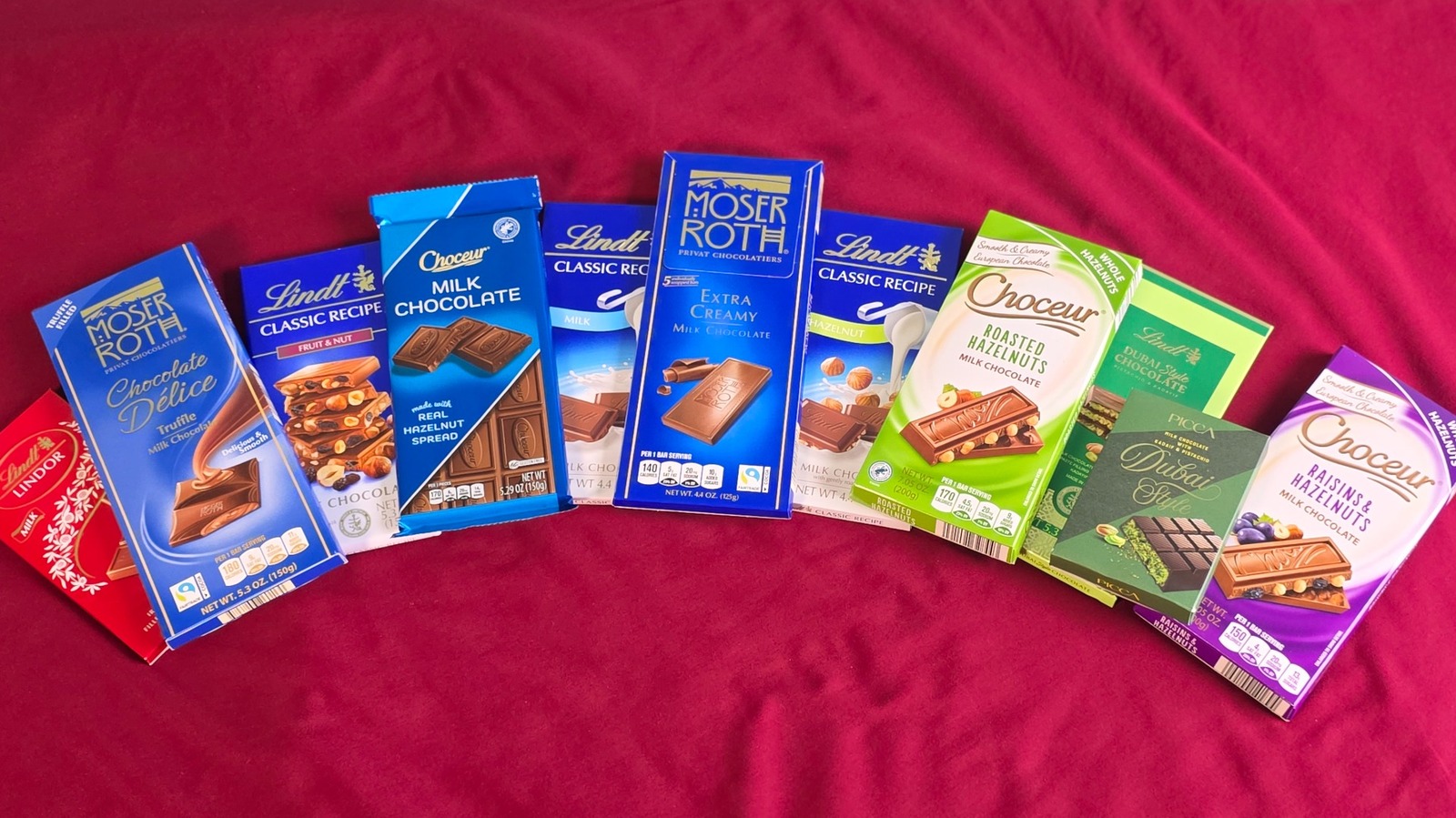
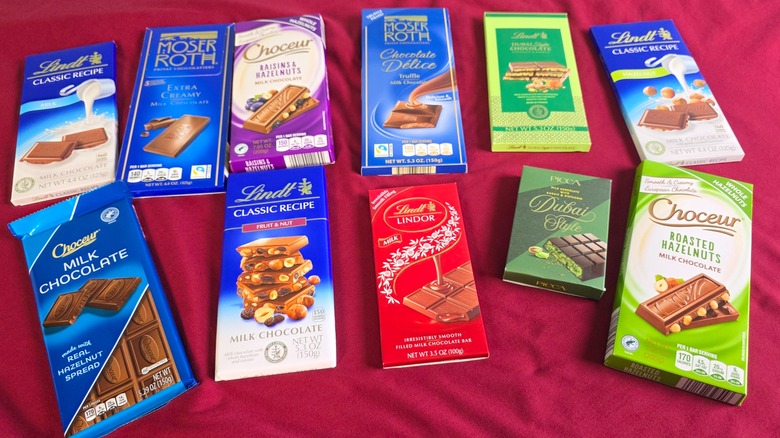
To ensure a fair evaluation, I isolated five distinct categories of milk chocolate for a blind-tasted comparison: Plain Milk Chocolate, Dubai-Style Pistachio & Kadayif, Hazelnut Milk Chocolate, Fruit & Nut Milk Chocolate, and Truffle-Filled Milk Chocolate.
1. The Plain Milk Chocolate Baseline
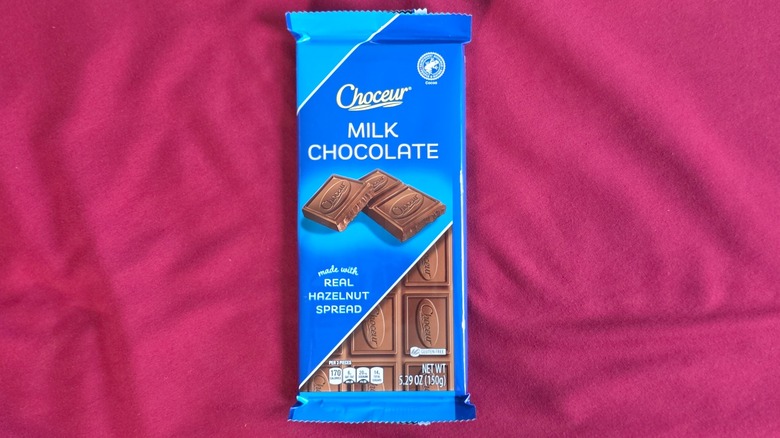
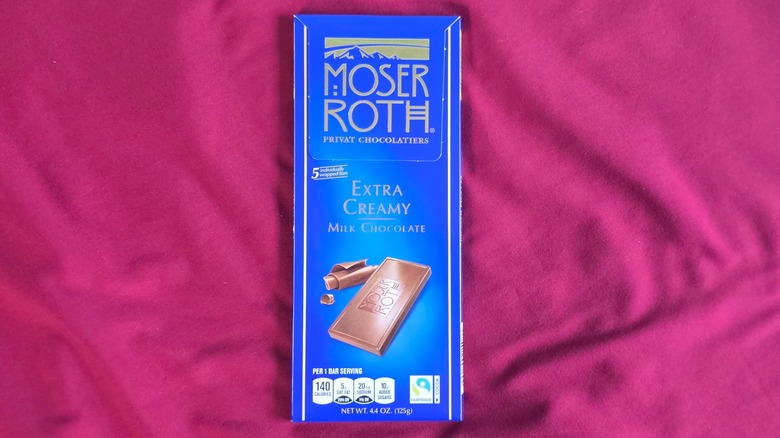
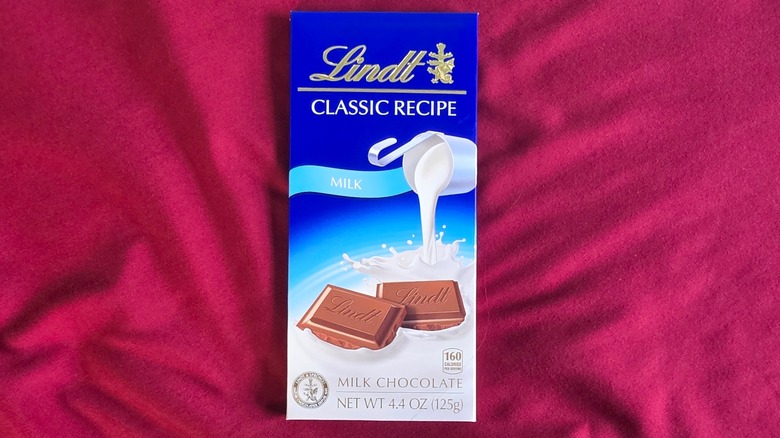
Testing began with plain milk chocolate bars from Lindt, Choceur, and Moser Roth. The Choceur bar, despite my previous adoration for their dark chocolate, was the most disappointing; its inclusion of hazelnut paste—unusual for a plain bar—resulted in a grainy texture and an off-putting aftertaste.
Moser Roth stood out for its texture, utilizing dry milk and cream to create an exceptionally smooth melt. However, it carried a lingering vanilla and nutty undertone that distracted from the pure cocoa profile. Lindt ultimately claimed victory in this category. Despite a slightly grainier mouthfeel compared to Moser Roth, the flavor balance was quintessential milk chocolate: creamy, rich, and devoid of distracting additives.
2. The Dubai-Style Challenge
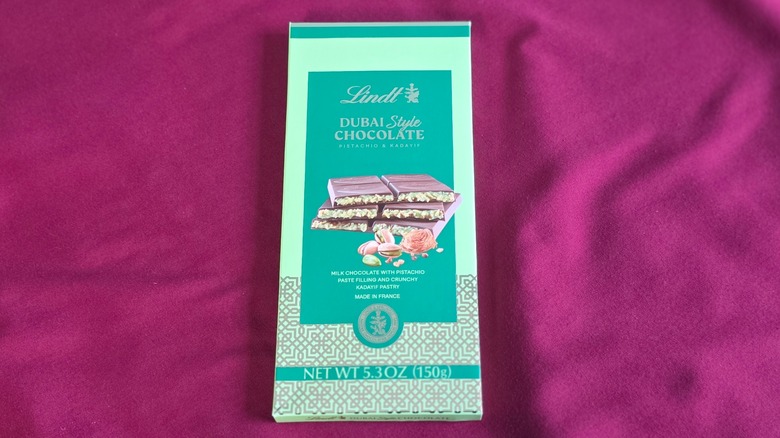
The "Dubai Chocolate" trend, characterized by pistachio paste and crispy kadayif pastry, has taken social media by storm. Lindt’s entry into this space felt like an afterthought. The flavor profile was confusing, with the pistachio notes skewing toward sunflower butter and the inclusion of almonds and hazelnuts muddling the experience.
Picca, the Aldi brand, was a revelation. Priced significantly lower, it captured the essence of the viral trend perfectly. By maintaining the integrity of the kadayif pastry noodles rather than crushing them into dust, Picca achieved a superior textural contrast. The pistachio flavor was distinct and vibrant, easily outclassing the Lindt version.
3. The Hazelnut and Fruit & Nut Comparison
In the hazelnut category, the roles reversed. Lindt’s version, while smooth, was overwhelmed by an intense sweetness that masked the hazelnut profile. Choceur, however, delivered a masterclass in balance. The use of buttermilk in the Choceur recipe provided a rich, tangy depth that allowed the roasted hazelnuts to shine.
The same trend continued with Fruit & Nut bars. Lindt’s offering suffered from inconsistent raisin distribution and thin, uninspired fruit pieces. Choceur’s raisin and hazelnut bar, conversely, felt like a sophisticated dessert. The raisins were plump and moist, and the chocolate base was rich enough to mimic a chocolate-frosted cake.
4. The Truffle Showdown
The final test involved the "truffle" format. Moser Roth’s chocolate delice truffle bar provided a decent experience but was hampered by its low melting point and an oily mouthfeel caused by the inclusion of coconut and palm oils.
Lindt’s Lindor bar, however, was the highlight of the entire experiment. It offered a luxurious, high-fat truffle center that melted perfectly against the outer shell. It is, quite simply, a world-class confection that justifies its premium price tag.
Supporting Data: Ingredients and Nutritional Profiles
The differences between these bars are not merely subjective; they are rooted in chemistry and formulation.
- Dairy Ingredients: Moser Roth and Choceur lean heavily on dehydrated dairy—dry whole milk, nonfat milk, and buttermilk. This formulation often results in a richer, more concentrated dairy flavor but can negatively affect texture if the fat content is not precisely managed.
- Additives: Lindt consistently utilizes barley malt powder, a signature ingredient that provides a distinct, malty sweetness. This is a deliberate brand choice that separates them from the "purer" cocoa focus of the German imports.
- Controversial Fats: The use of palm oil in the Dubai-style and truffle bars—across both brands—is a significant factor. While it creates the desirable "gooey" texture required for these specific formats, it also creates a product that is highly sensitive to ambient temperature. The Picca bar, for instance, contains significantly higher calories and sugar per serving compared to the Lindt Dubai-style bar, which is a consideration for the health-conscious consumer.
Implications for the Confectionery Market
The primary takeaway from this comparative study is that "expensive" does not always equate to "superior." The results suggest a shift in the hierarchy of grocery store chocolate.
For the purist seeking a classic, unadulterated milk chocolate bar, Lindt remains the gold standard. Their mastery of the conching process ensures a consistency and flavor profile that feels timeless. However, for the consumer looking for complexity, texture, and innovation—especially in the realm of mix-ins like nuts, fruits, and crispy pastry—Aldi’s house brands are objectively superior.
The implications for the broader market are clear: Aldi has effectively democratized high-end confectionery. By sourcing from reputable German manufacturers, they offer a product that competes with or exceeds the quality of global brands at a fraction of the cost. The "Aldi Effect" forces traditional players like Lindt to either defend their price point through brand loyalty or risk losing the experimental, younger demographic that values ingredient quality over label prestige.
Final Verdict: The Champion
If forced to choose a winner, the crown goes to Aldi.
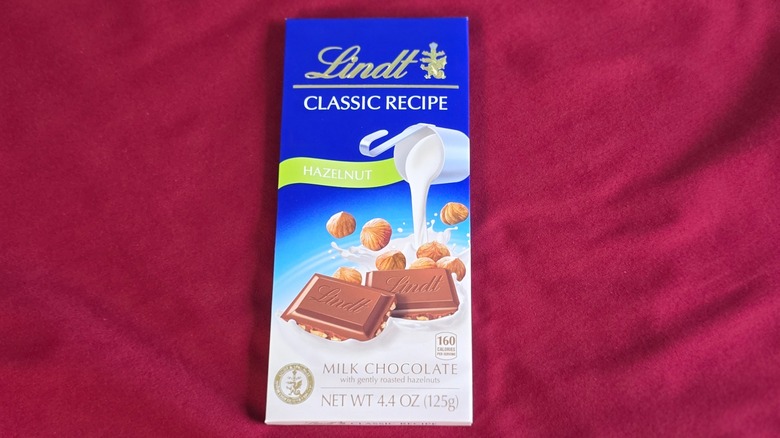
While Lindt secured victories in the plain milk chocolate and truffle categories, their performance in the complex, ingredient-heavy bars was lacking. Aldi’s Choceur and Picca brands proved that when it comes to the "extra" experience—the crunch of a fresh hazelnut or the moisture of a plump raisin—their manufacturing partners are operating at a higher level of precision.
When you combine the superior flavor profile of the Choceur line with the undeniable price advantage, the decision becomes simple. Whether you are a fan of dark chocolate or a convert to the milk chocolate movement, Aldi has proven that you do not need to pay a premium to enjoy a truly indulgent experience. As we move forward, it is clear that Aldi is no longer just a budget alternative; it is a destination for the discerning chocolate lover.