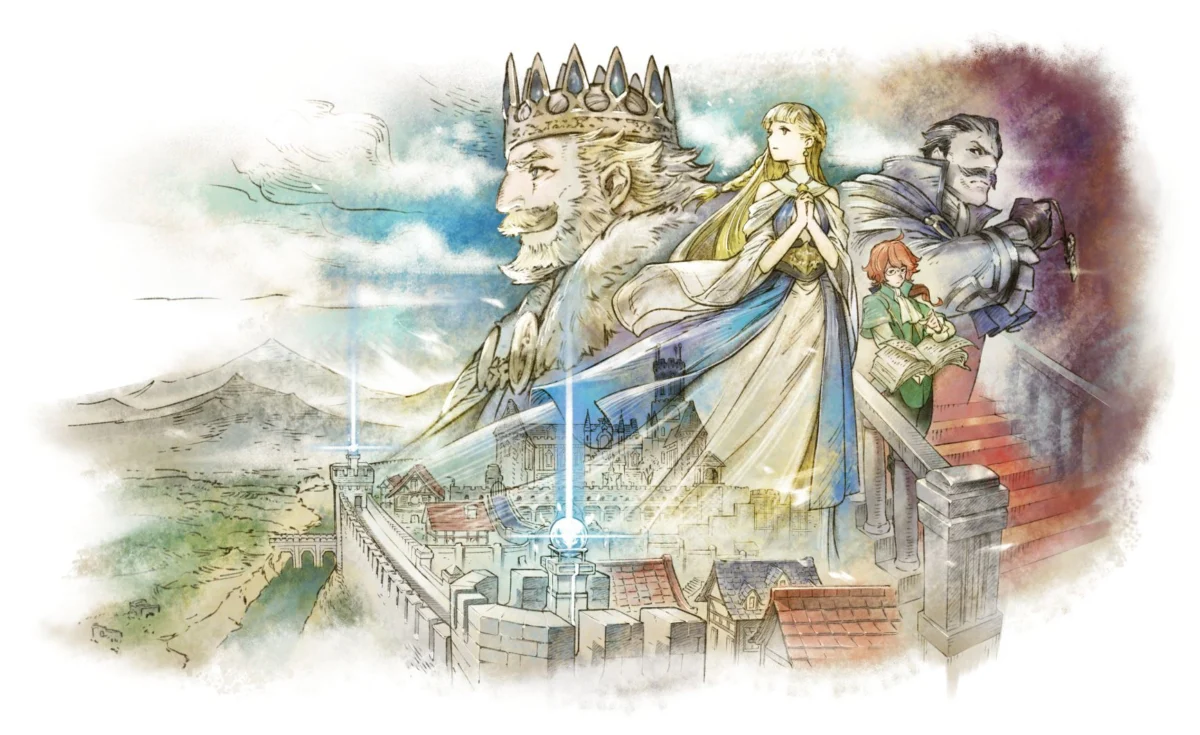
In an era defined by "mega-games"—open-world behemoths that demand hundreds of hours of commitment, thousands of lines of dialogue, and a constant internet connection to maintain their live-service ecosystems—there is a quiet, radical rebellion taking place in the RPG space.
During a week saturated with the high-octane hype of Final Fantasy 7 Revelation, the long-awaited Kingdom Hearts 4, and the stylish intensity of Persona 6, one title managed to cut through the noise: The Adventures of Elliot: The Millennium Tales. Developed by Square Enix’s internal powerhouse, Team Asano, in collaboration with Claytechworks, the game has emerged as the sleeper hit of the 2026 Summer Game Fest. It is a refreshing, self-contained journey that serves as a timely reminder that, in the world of game design, more is not always more.
A Return to Form: The Mid-Sized RPG
The Adventures of Elliot arrives at a pivotal moment. Only a few years ago, the gaming community might have looked askance at Square Enix for "upcycling" a mobile-adjacent concept into a premium, HD-2D experience. Today, however, that skepticism has been replaced by a palpable hunger for the "mid-sized" experience—a game that respects the player’s time, offers a cohesive vision, and recaptures the charm of the 16- and 32-bit eras.
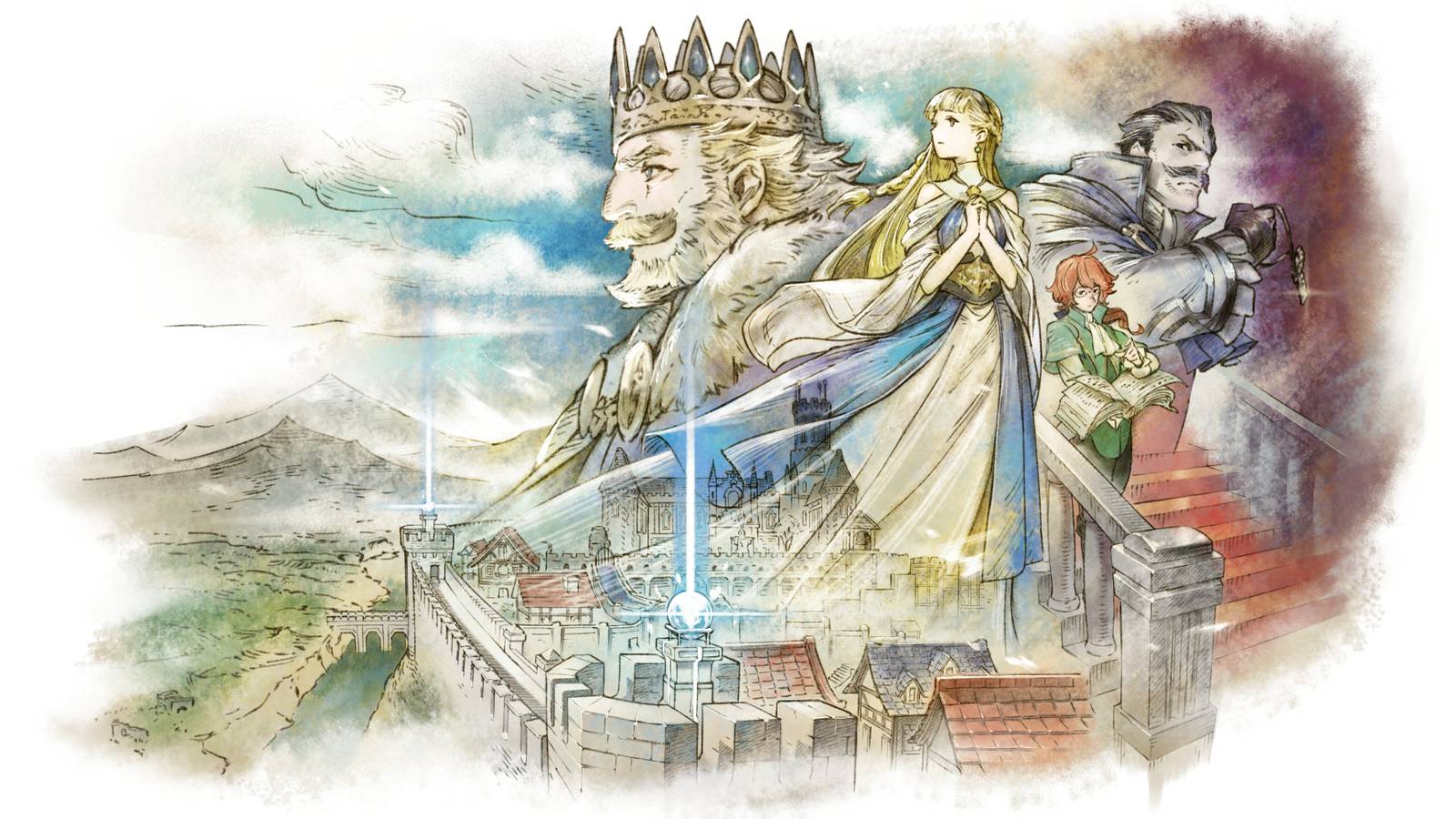
Spanning four distinct time periods and boasting a tight, 25-hour runtime, The Adventures of Elliot avoids the bloat that plagues its contemporaries. It is a game that can be started, enjoyed, and completed without it becoming a second job. Its compact map and focused narrative arc allow for a level of polish that is rarely seen in the industry’s current "bigger is better" landscape.
Chronology and Concept: The Story of a Hero
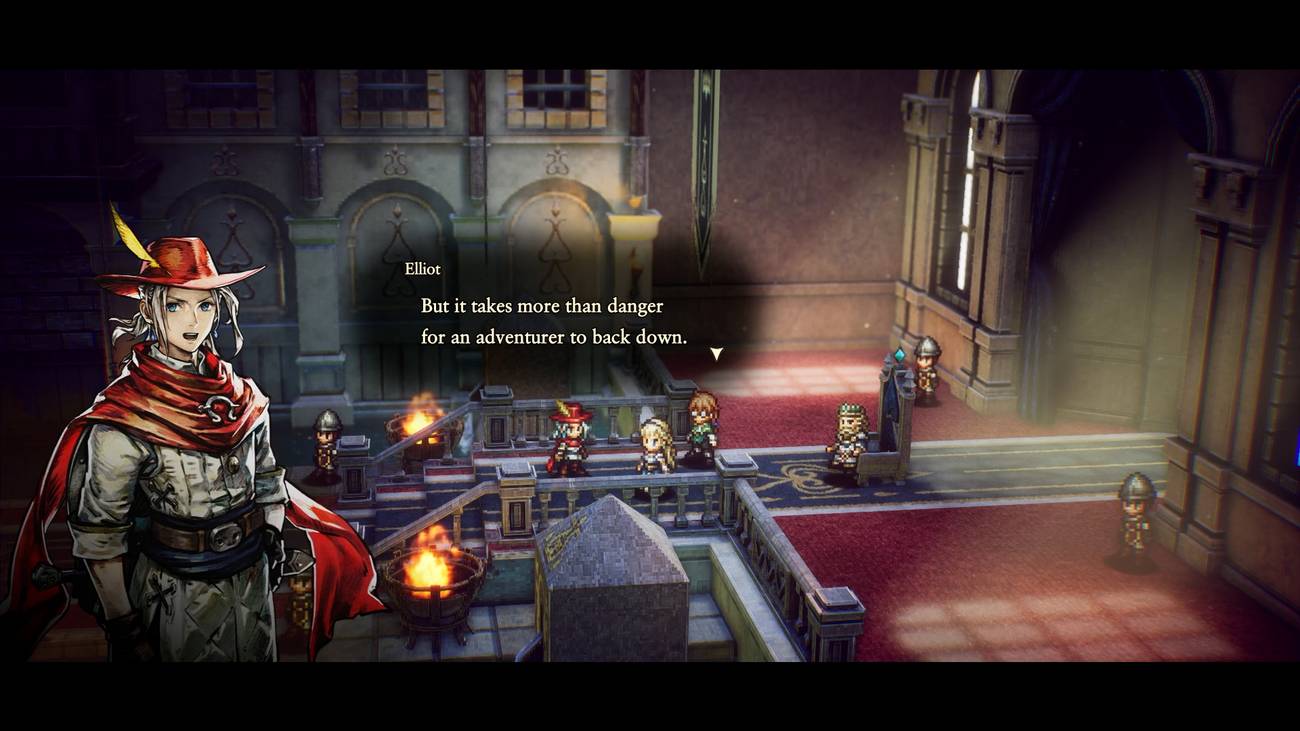
The narrative of The Adventures of Elliot is unashamedly earnest. Set in the Kingdom of Huther, the story follows Elliot, a young man who presents a refreshing departure from the brooding, emotionally damaged protagonists that have dominated the JRPG genre for decades.
- The Prologue: Elliot begins his journey as a local do-gooder, volunteering to assist the elderly and mentor the youth of the town orphanage.
- The Call to Adventure: The inciting incident occurs when the King of Huther tasks Elliot with investigating mysterious ruins, a mission that quickly escalates into a battle against a time-traveling antagonist seeking to weaponize ancient magic.
- The Core Conflict: Unlike the "2deep4u" existential dread of Cloud Strife or other modern icons, Elliot is a "boy scout." His motivation is simple: he wants to live up to his family’s image of him as the world’s greatest adventurer. This straightforward, chipper tone permeates every interaction, creating a world that feels more like a fairy-tale storybook than a grim battlefield.
Supporting Data: Mechanics and Innovation
While the game leans heavily on the aesthetic and mechanical foundations of SNES-era classics like The Legend of Zelda: A Link to the Past and Secret of Mana, it introduces modern refinements that elevate the experience.

Exploration and Environmental Puzzles
As Team Asano’s first true action RPG, the game focuses heavily on traversal. Elliot’s toolkit is classic but effective:
- Environmental Interaction: Players must use bombs to clear cracked walls, hammers to drive stakes, and projectiles like arrows and boomerangs to trigger distant switches.
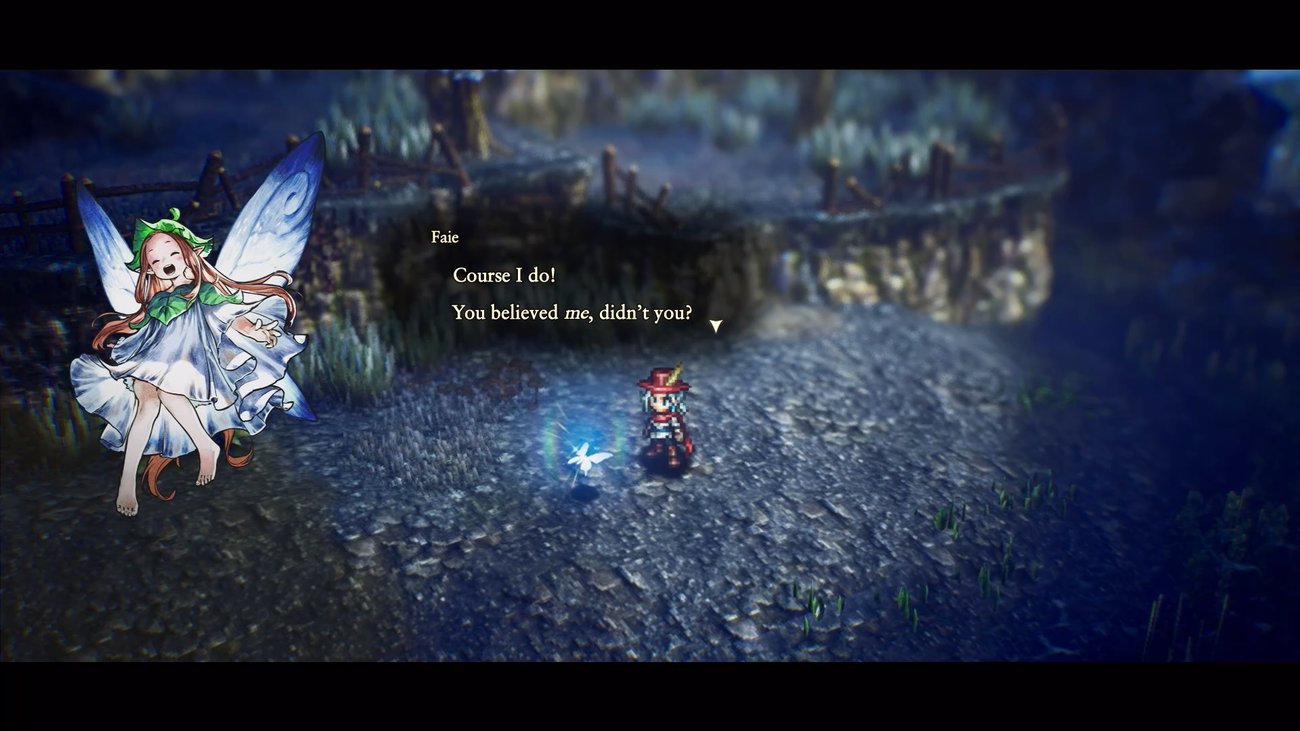
- The Faie Factor: Elliot is accompanied by a fairy sidekick named Faie. While her dialogue can be overwhelming, the game provides a toggle to adjust her frequency. Functionally, she is essential—providing light in darkness, warping the player across chasms, and creating an illusory double that serves as a vital tool for both puzzle-solving and combat distraction.
The Combat Loop
The absence of an experience-based leveling system is a bold design choice that places the onus on player skill rather than grinding.
- Creative Problem Solving: Boss fights are designed to reward experimentation. For example, during a battle against a snail in an icy shell, players might discover that using Faie’s fire-lighting ability causes consistent chip damage, or that using the duplication skill forces the boss to walk into its own traps.
- The Magicite System: This customization suite allows players to modify their weapons with elemental attributes, increased critical rates, or unique projectile behaviors. By mid-game, the system provides enough flexibility that players can define their own playstyle without feeling trapped by "meta" builds.
Official Perspectives and Industry Reception
The buzz surrounding The Adventures of Elliot highlights a shift in industry trends. Square Enix’s decision to pair Team Asano with Claytechworks has proven to be a masterstroke. By leaning into their strengths—tight, grid-based, or tactical-adjacent design—the developers have created a product that feels both nostalgic and modern.
However, the game is not without its critiques. Some reviewers have pointed out that the time-travel mechanics are underutilized. While the game allows players to visit four different eras, the environmental changes between them are largely cosmetic. There is little of the "butterfly effect" seen in games like Chrono Trigger, where changing the past significantly alters the future landscape. For a game built on the promise of time-travel, this lack of environmental reactivity is a missed opportunity.
Implications: The Future of the Genre
The success of The Adventures of Elliot suggests that there is a massive, underserved market for games that prioritize quality over quantity.
Why This Matters
- Sustainable Development: By keeping the scope manageable, studios like Square Enix can maintain a higher level of art direction, music, and mechanical polish without the catastrophic crunch often associated with massive open-world titles.
- Player Retention: A 25-hour game is far more likely to see a completion rate that justifies its existence in the eyes of a publisher, compared to a 150-hour slog that the average player might abandon halfway through.
- The "Compact" Trend: If The Adventures of Elliot continues to perform well, it could signal a shift toward more frequent, smaller-scale releases from major publishers, focusing on "boutique" experiences that offer distinct, memorable stories.
Final Verdict
The Adventures of Elliot is not a revolutionary title by 2026 standards, but it is an exceptional one. It captures the essence of what made the golden age of JRPGs so special: a sense of wonder, a tight mechanical loop, and a story that isn’t afraid to be kind.
For those exhausted by the "more is more" philosophy of modern gaming, this title offers a necessary respite. It is an easy game to pick up, a satisfying one to play, and a hard one to put down. As we look toward the future of the industry, one can only hope that The Adventures of Elliot serves as a blueprint for the next generation of mid-sized masterpieces.
The Adventures of Elliot: The Millennium Tales launches on June 18 for Nintendo Switch 2, PlayStation 5, Windows PC, and Xbox Series X. The title was reviewed on the Nintendo Switch 2 via a prerelease code provided by the publisher.