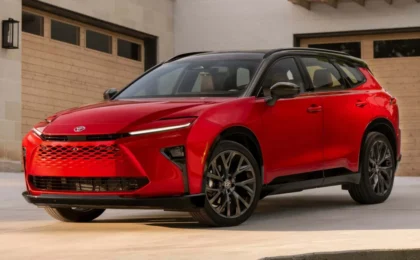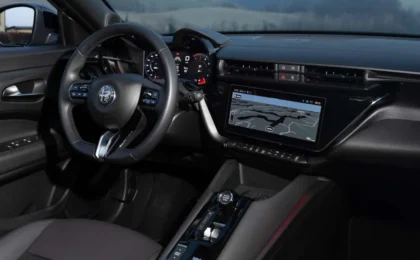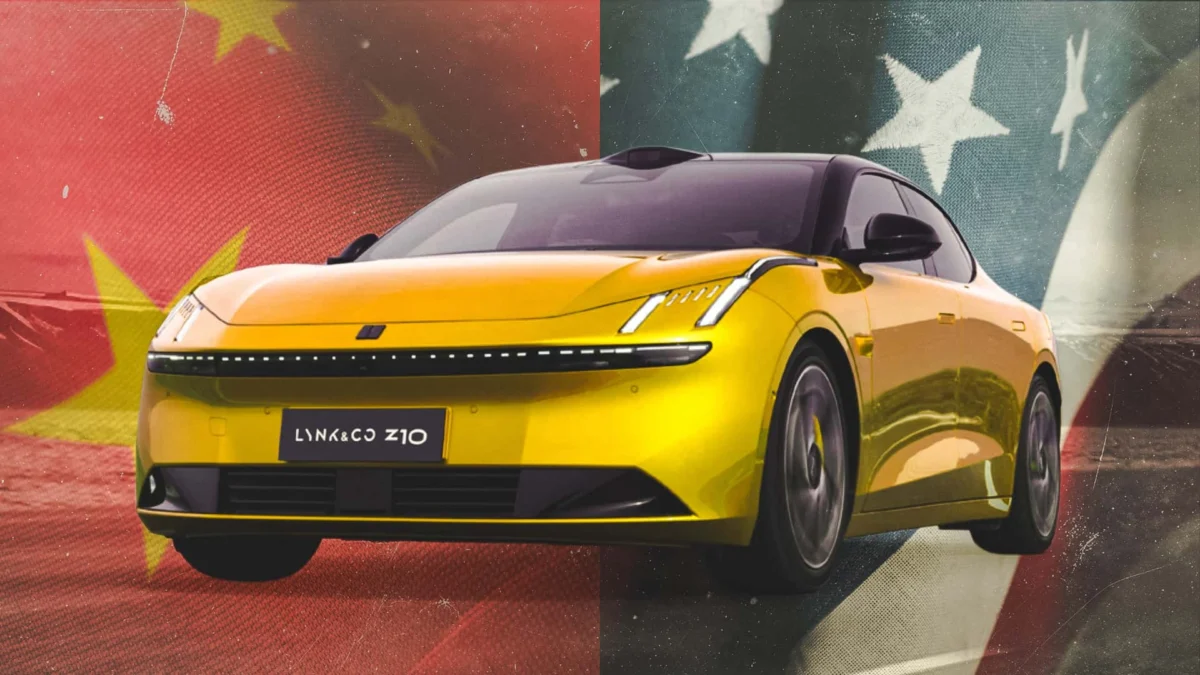
For decades, the American automotive industry has been defined by the pursuit of global trade and the integration of international supply chains. However, as the industry pivots toward an era of "connected vehicles"—cars that act as rolling data centers, constantly transmitting information to the cloud—a new, protectionist fervor has taken hold.
Chinese-manufactured connected vehicles have not yet made a significant dent in the United States market, but the nation’s legacy manufacturers and the powerful lobbying groups that represent them are determined to ensure that the door remains bolted shut. This week, the Alliance for Automotive Innovation (AAI) formally petitioned Congress to enact a permanent legislative ban on Chinese connected vehicles, software, and hardware. The objective is clear: to preemptively neutralize a competitive and security-based threat before it can establish a foothold on American soil.
The Legislative Push: Locking the Door Before It Opens
The AAI, which represents a vast coalition of major automakers including Detroit’s "Big Three" and various international manufacturers with significant US footprints, is sounding the alarm on the adequacy of current safeguards. In a letter sent to Congressional leadership, the group argued that executive branch rules, while helpful, are insufficient to protect the domestic auto industry and national security.
The alliance is backing two primary pieces of legislation currently navigating the committee process:
- H.R. 10158 (The Automotive National and Economic Security Act of 2026): This bill specifically targets connected vehicle technology sourced from nations deemed to be national security threats. Its language is broad enough to effectively decouple the US automotive digital infrastructure from Chinese supply chains.
- The Connected Vehicle Security Act of 2026: This proposal targets ownership structures. It seeks to bar any automaker that is more than 15 percent owned by a Chinese entity from selling vehicles in the United States. This provision is designed to prevent Chinese-backed brands from utilizing subsidiaries or joint ventures to bypass import restrictions.
The Senate has already shown appetite for these measures, with a panel recently approving stringent rules aimed at curbing Chinese influence in the US automotive market. For the industry, the goal is to codify these restrictions into federal law, creating a permanent barrier that cannot be easily dismantled by a future administration.
A Chronology of Escalation
The current push for a legislative ban is the culmination of years of rising tensions regarding data security and trade protectionism.
- Pre-2024: The US automotive market remained largely insulated from Chinese direct-to-consumer vehicle sales, though Chinese-made components were deeply embedded in the global supply chain.
- 2024–2025: As geopolitical tensions intensified, the Department of Commerce began drafting rules to restrict Chinese software and hardware in connected vehicles. These rules were designed to target automated driving systems and telematics, which represent the highest-risk vectors for data exfiltration.
- September 2026: The Alliance for Automotive Innovation formally requested that Congress elevate these administrative rules to federal law. Automakers have signaled that they are already in the process of auditing and removing Chinese connected-car technology to comply with the upcoming 2027 software and 2030 hardware deadlines.
- The Current Landscape: With H.R. 10158 still in committee, the industry is lobbying for an expedited vote before the current session of Congress adjourns, fearing that any delay could leave the market vulnerable to a sudden influx of low-cost, high-tech Chinese imports.
National Security: The Data Privacy Argument
At the heart of the industry’s lobbying efforts is the argument of national security. A modern connected vehicle is, for all intents and purposes, a mobile surveillance platform. These vehicles are equipped with an array of cameras, LiDAR, GPS trackers, and microphones, all of which aggregate massive amounts of data regarding driver habits, location history, and, perhaps most critically, the layout of American infrastructure.
The fear among policymakers and industry leaders is that if Chinese companies maintain control over the "brains" of these vehicles—the software stacks and the cloud servers that process the data—this information could be accessible to the Chinese government. The AAI contends that there is no firewall robust enough to guarantee that such data would remain isolated from foreign state actors.
Economic Protectionism: The Fear of "Subsidized Competition"
While national security provides the moral high ground for the ban, the economic underpinnings are equally significant. For years, the Chinese government has provided massive state subsidies to its domestic EV manufacturers, allowing them to achieve economies of scale that are difficult for American, European, or Japanese automakers to match.
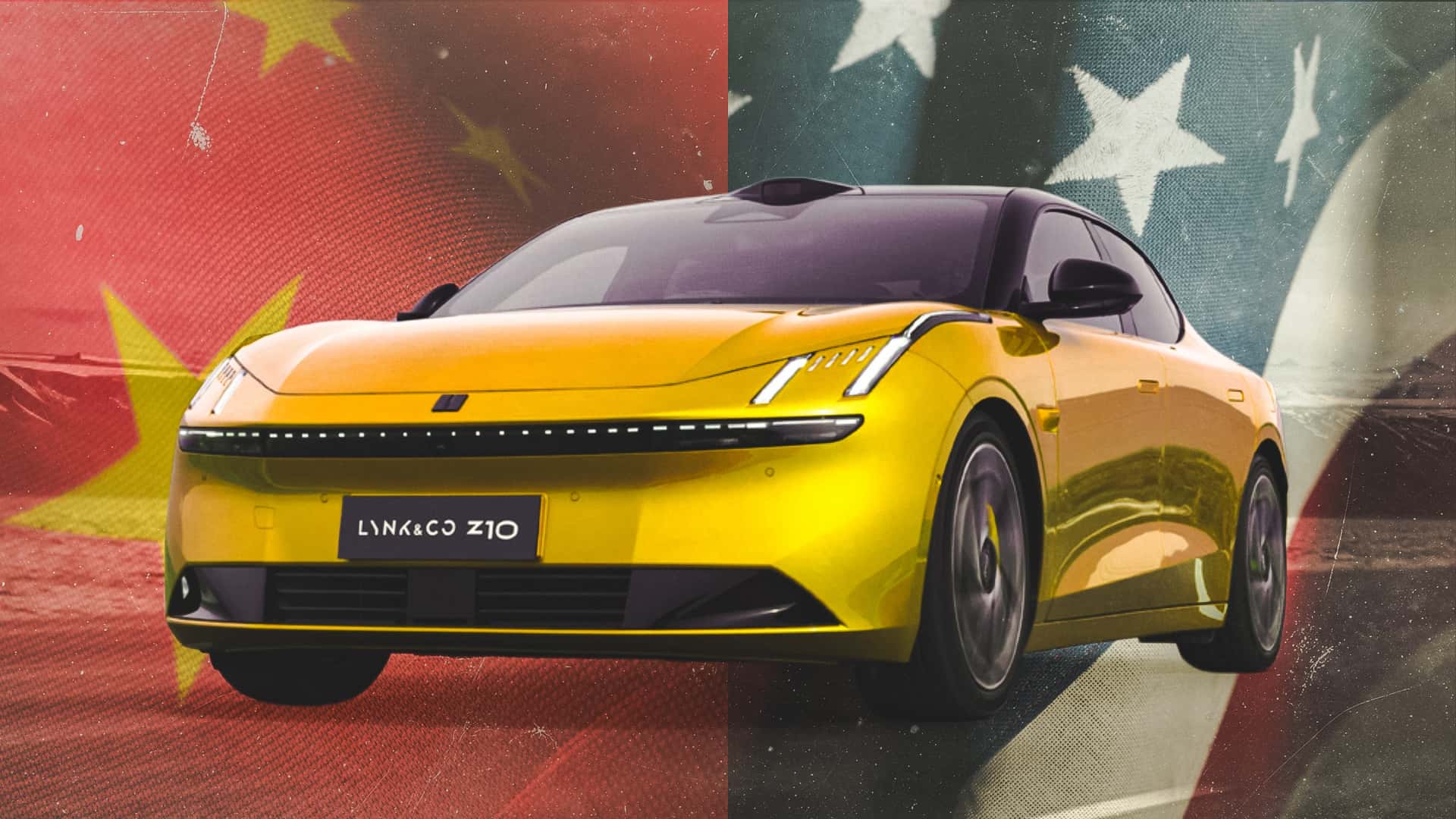
If the market were to open to Chinese imports, the pricing pressure could be catastrophic for domestic manufacturers. Analysts have noted that companies like Geely have demonstrated a capability to produce high-tech, aesthetically competitive vehicles at a fraction of the cost of their Western counterparts. By pushing for a ban, American automakers are not just protecting the nation’s data; they are protecting their market share from a form of competition they feel they cannot win on price alone.
The Industry’s Mixed Response
While the Alliance for Automotive Innovation speaks for the industry at large, the response from individual players has been nuanced.
Polestar, the Swedish electric performance brand majority-owned by Geely (which also owns Volvo), has notably declined to contest the potential ban on Chinese-linked connected vehicles. This stance reflects the precarious position of brands that occupy the middle ground between Chinese ownership and a Western market presence. By signaling a willingness to comply, these companies hope to avoid the full weight of potential sanctions and maintain their viability in the US.
Conversely, legacy manufacturers are doubling down on the "Made in America" narrative, emphasizing that by excluding Chinese technology, they are fostering a domestic ecosystem for software development, semiconductor manufacturing, and battery production.
Implications for the Consumer
For the average American consumer, the immediate impact of these legislative efforts will be felt in the supply chain. As manufacturers scramble to remove Chinese-sourced chips and software to meet the upcoming 2027 and 2030 deadlines, we are likely to see a period of increased production costs. These costs will inevitably be passed on to the buyer.
Furthermore, the "connected" nature of modern cars means that the software experience—often touted as the future of the automotive industry—will look very different in the US compared to the rest of the world. As global markets fragment into "tech-blocs," the software in a car sold in North America may be fundamentally different from the software in a version of the same car sold in Europe or Asia.
The Road Ahead: What to Watch
The legislative fate of these bills will be decided in the halls of Congress over the coming months. The outcome will serve as a bellwether for the future of global automotive trade.
- Committee Votes: Watch the progression of H.R. 10158. If it moves to the floor, it will likely pass with strong bipartisan support, as both parties view the containment of Chinese technology as a strategic imperative.
- Executive Discretion: Even if Congress passes these bills, the executive branch retains a degree of power to grant exemptions or push back deadlines. Any shift in the White House’s approach to trade with China could still alter the trajectory of these regulations.
- Supply Chain Reconfiguration: Keep an eye on how automakers announce their future hardware suppliers. The move away from Chinese providers is already underway, but the cost and complexity of this "digital decoupling" will determine whether the price of new vehicles remains accessible to the average consumer.
The push for a permanent ban on Chinese connected vehicles is a watershed moment. It marks the end of an era where automotive manufacturing was viewed primarily as a matter of steel and assembly, and the beginning of an era where the vehicle is treated as a critical piece of digital infrastructure. Whether this move secures American interests or isolates the industry from global innovation remains to be seen, but one thing is certain: the car of the future will be a product of its borders as much as it is a product of its engineers.