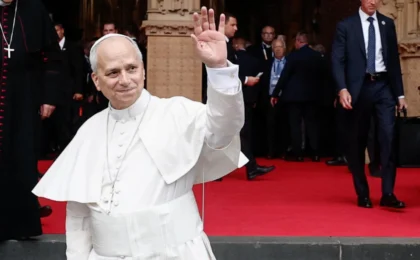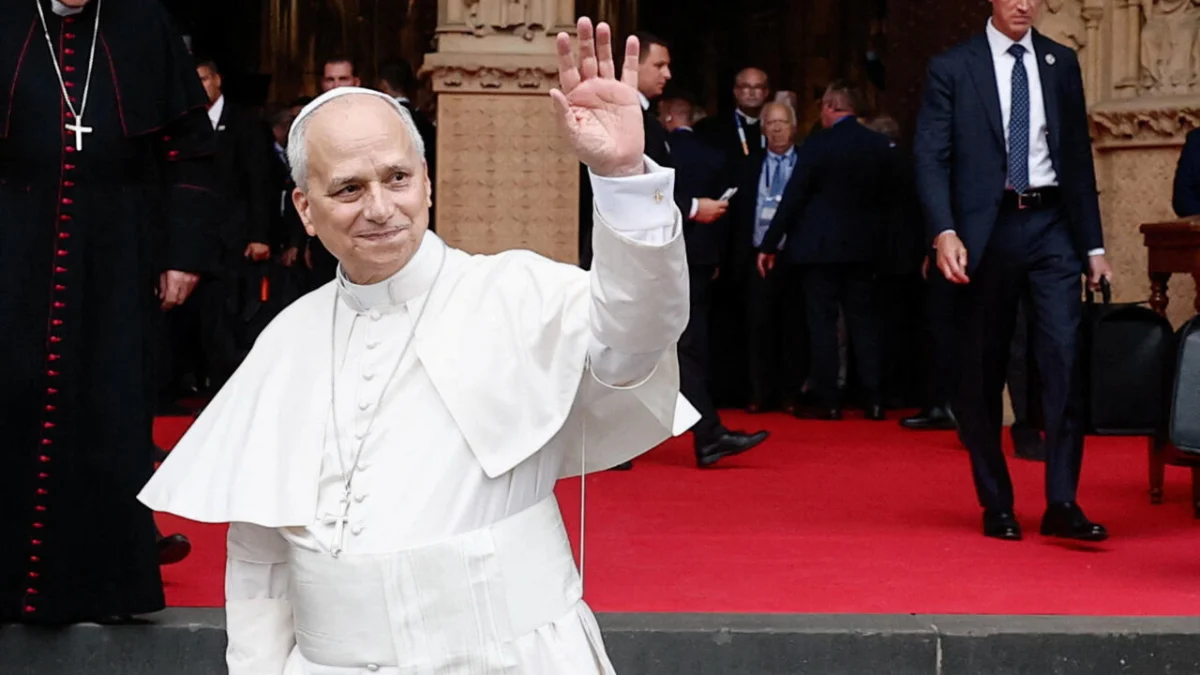
In a move that has broken with centuries of Vatican tradition regarding the health of the Supreme Pontiff, Pope Leo XIV has publicly announced that he will undergo surgery this week to remove a small growth on his lung. The announcement, confirmed by the Vatican press office, marks a significant moment of transparency for the Catholic Church, as such personal medical disclosures have historically been kept shielded from the public eye.
The 71-year-old Pope, who is widely regarded as being in robust health and maintains an active lifestyle, is expected to make a full recovery within approximately one week. This timeline is crucial, as it would theoretically allow the Pontiff to proceed with his highly anticipated 11-day apostolic journey to Latin America, scheduled to commence on November 6.
The Nature of the Procedure and Clinical Context
According to medical experts familiar with the condition, the Pope is being treated for a "pulmonary nodule." These are small, localized growths of tissue within the lungs. While the vast majority of such nodules are discovered incidentally during routine screenings for unrelated issues—and are frequently benign—their clinical management often necessitates surgical intervention to rule out malignancy and prevent potential complications.
Most small nodules are asymptomatic. However, if left unchecked, larger growths can lead to respiratory distress, persistent coughing, and, in more severe instances, hemoptysis (the coughing up of blood). The standard medical protocol for such a procedure involves general anesthesia, with the patient intubated to ensure proper ventilation throughout the duration of the surgery.
The Vatican has maintained that the Pope is "otherwise healthy," and his known affinity for sports and physical activity has contributed to a general sense of optimism regarding his post-operative recovery.
A Chronology of the Announcement and Immediate Schedule
The timeline surrounding the surgery remains fluid, reflecting the delicate balance between the Pontiff’s medical needs and his heavy liturgical commitments.
- Initial Disclosure: On October 11, the Pope personally informed the public of his upcoming surgery, a decision that surprised Vatican observers given the historical precedent of silence regarding papal ailments.
- The Coming Days: While the Vatican press office has confirmed the surgery will take place at the beginning of the week, no exact date has been finalized.
- The Wednesday Question: Despite the impending surgery, the Pope is still officially scheduled to preside over a Mass at St. Peter’s Basilica this coming Wednesday. The congregation is expected to include high-ranking Church officials from across the globe. As of Monday, the Vatican has announced no changes to this schedule, fueling speculation in the Italian press that the surgery may occur either immediately following the service or that the schedule remains in a state of rapid flux.
- The Recovery Window: Medical staff at the Gemelli hospital anticipate a one-week recovery period. This window is the linchpin for the upcoming November trip to Uruguay, Argentina, and Peru.
The Significance of the Latin American Pilgrimage
The upcoming 11-day tour of Latin America is of immense personal and geopolitical importance to Pope Leo XIV. The itinerary includes stops in Uruguay and Argentina, but the visit to Peru holds a particularly profound significance for the Pontiff.
Pope Leo XIV spent two decades of his life in Peru, serving as a missionary long before his ascent to the Chair of St. Peter. During his time there, he became deeply embedded in the local culture, eventually obtaining Peruvian citizenship. For the Pope, this journey represents a "return home" to the site of his formative years of ministry. Vatican insiders suggest that the Pope is personally determined to recover in time for the trip, viewing it as a pivotal pastoral mission for his papacy.
Historical Precedent: The Gemelli Hospital Connection
The surgery is expected to take place at Rome’s Gemelli Hospital, an institution that has become synonymous with the medical care of the modern papacy. The hospital has served as the primary medical facility for the Vatican for decades, to the point where Saint John Paul II famously dubbed the facility "Vatican number three."
John Paul II’s relationship with the Gemelli was extensive; over the course of his 27-year pontificate, he was treated there nine times, spending a total of 153 days as a patient. The relationship became so integral to the functioning of the Holy See that the hospital eventually constructed a permanent, secure suite on the top floor.

This suite is a unique intersection of medical facility and papal residence. Accessible via a long, guarded corridor under the watch of both Italian and Vatican security, the space is designed to ensure the continuity of the papal office. It includes:
- A specialized medical suite and meeting rooms for the Pope’s physicians.
- Private living quarters, including a kitchen and bathroom facilities.
- A dedicated chapel, allowing the Pope to continue his daily prayer life and liturgical duties even while recovering.
The necessity of such infrastructure highlights the burden of the office; even in sickness, a Pope is never truly "off the clock." The recent history of the Gemelli is also marked by the memory of Pope Leo’s predecessor, Pope Francis, who spent several weeks at the hospital for treatment prior to his passing last year. The medical team at Gemelli is well-versed in the specific security and logistical requirements that accompany the treatment of a sitting Pope.
Implications for the Papacy and the Church
The decision by Pope Leo XIV to be open about his lung surgery marks a distinct shift in the culture of the Vatican. For centuries, the health of a Pope was often treated as a state secret, leading to intense speculation and uncertainty during times of illness. By proactively announcing the surgery and the nature of the condition, Pope Leo XIV is signaling a commitment to a more modern, transparent form of leadership.
1. Transparency as a Governance Tool
In an age of instant communication, the Vatican has learned that ambiguity breeds rumor. By controlling the narrative and providing clear, medical updates, the Pope effectively silences the "Vaticanologists" and speculators who might otherwise create unnecessary alarm within the global Catholic community.
2. The Resilience of the Institution
The medical care of a 71-year-old leader is, in any context, a matter of public interest. However, for the Catholic Church, the health of the Pope is inextricably linked to the stability of the institution. The fact that the Vatican has a well-rehearsed protocol for hospitalizing a pontiff at Gemelli suggests that the Church is prepared to handle the physical vulnerability of its leaders without compromising the administrative duties of the Holy See.
3. The Human Element
Finally, the public’s reaction to the news has been one of widespread empathy. By framing his condition as a standard medical matter, Pope Leo XIV has fostered a sense of solidarity with the millions of Catholics who face their own health challenges. His stated intent to return to his duties—and specifically his missionary roots in Peru—serves as a narrative of resilience that resonates with his followers.
Conclusion: The Road Ahead
As the medical team at the Gemelli prepares for the procedure, the world watches with bated breath. While the surgery itself is described as routine, the context—the age of the patient, the demands of the upcoming apostolic journey, and the historical weight of the papacy—makes this a significant week for the Catholic Church.
If the recovery proceeds as anticipated, the Pope’s departure for Latin America on November 6 will be seen as a triumph of modern medicine and personal resolve. Should the schedule require adjustments, the Vatican has demonstrated, through its early and open communication, that it is prepared to manage the situation with the transparency that Pope Leo XIV has championed since the beginning of his tenure.
For now, the focus remains on a successful, uncomplicated surgery and a swift return to the duties that define the life of the 71-year-old leader of the world’s 1.3 billion Catholics. The world waits, as does the Church, for the first sign that the Pope is on the mend and ready to return to the mission that has defined his life’s work.