In an era where the real estate market moves at breakneck speed, the traditional process of scouring listings, scheduling showings, and rushing to open houses can be both physically exhausting and emotionally draining. You’ve found a listing that checks most of your boxes: the photos look professional, the price is competitive, and the neighborhood appears to be a perfect fit. However, before you send that frantic text to your real estate agent, there is a critical, often underutilized step that can save you hours of wasted travel time: the intentional virtual tour.
This is not a passive, aesthetic scroll-through to admire staging furniture. It is a strategic, eyes-open investigation—a digital reconnaissance mission—designed to determine whether a property truly belongs on your in-person shortlist. Whether you are navigating the high-stakes apartment market in Atlanta or searching for a single-family home in the sprawling suburbs of Dallas, understanding how to dissect a virtual tour is the modern buyer’s most powerful competitive advantage.
Main Facts: The Evolution of Property Discovery
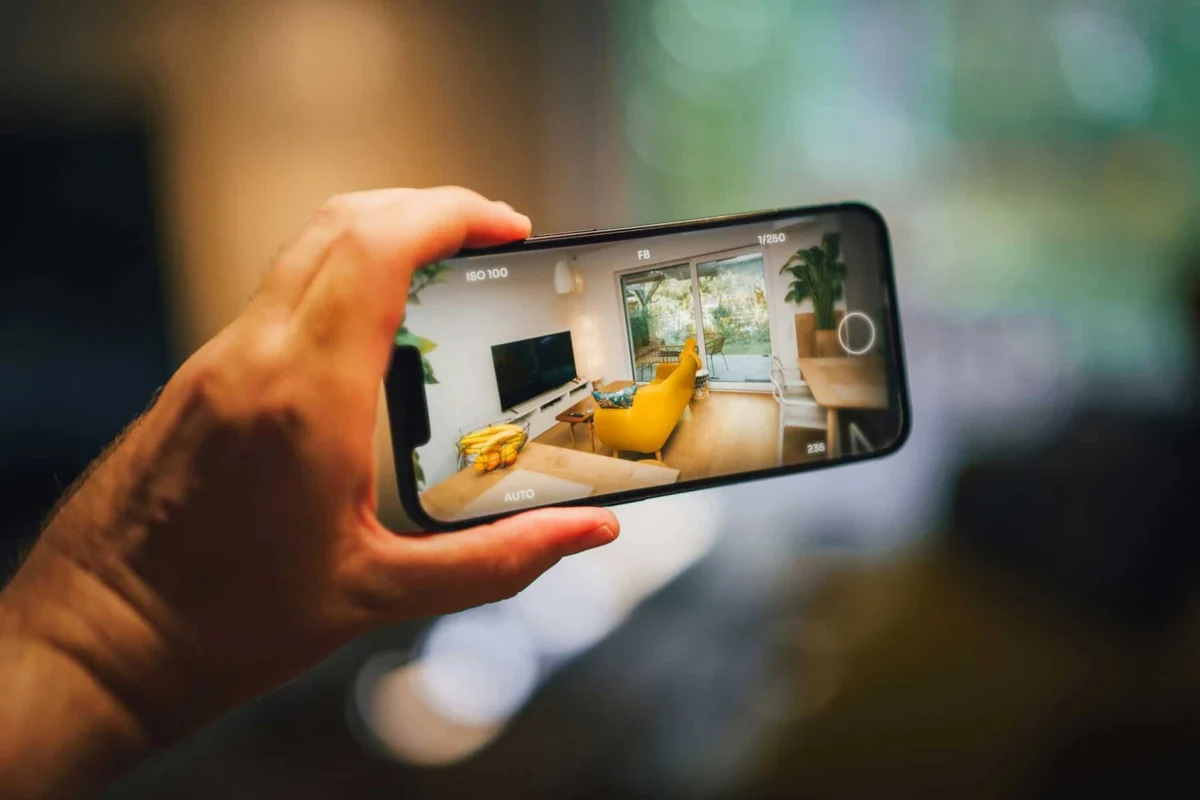
The rise of 3D technology, such as Matterport and high-definition videography, has transformed how we shop for homes. Initially introduced as a "wow factor" for luxury listings, these tools have become standard infrastructure in the digital real estate ecosystem.
The core function of a virtual tour is to serve as a high-fidelity filter. It allows a prospective buyer to assess the "bones" of a house without the pressure of an agent standing by or the distraction of a crowded open house. By leveraging these tools, buyers can refine their search criteria, eliminating properties that fail to meet their logistical needs long before they ever step foot on the property.
Chronology of a Smart Search
To effectively utilize virtual tours, buyers should adopt a structured, chronological approach to their property research.
Phase 1: The Preliminary Scan
When you first open a listing, your eyes are naturally drawn to the wide-angle, high-dynamic-range photography. These images are designed to capture interest, not necessarily to provide an architectural reality. Treat this as the "hook." If the hook catches your interest, move immediately to the 3D tour or walkthrough video.
Phase 2: The Intentional Walkthrough
Once inside the virtual interface, do not simply click through the "auto-play" mode. Take control. Use your cursor to navigate the home as if you were walking it in real life. Start at the front door and trace the flow of the home:
- The Transition: How does the entryway connect to the living area?
- The Practicality: Does the path from the garage to the kitchen require passing through the primary living space?
- The Geometry: Use integrated measurement tools to verify that your existing furniture, such as a king-sized bed or a sectional sofa, will physically fit in the designated rooms.
Phase 3: The "Midnight" Review
One of the most significant advantages of a virtual tour is its availability. After your initial tour, step away. Return to the listing hours later, or even the next day, with a fresh set of eyes. Often, the second or third viewing reveals details—like a poorly placed light switch, a lack of closet space, or an awkward room transition—that were glossed over during the first, excitement-fueled pass.
Supporting Data: Why Perspective Matters
The effectiveness of a virtual tour is contingent on the technology’s transparency. Industry experts consistently emphasize that while digital tools are revolutionary, they have inherent limitations.
"Use a virtual tour to cut thirty listings down to three, then go walk those three," says Isaiah Ketterman, founder of Maven X Visuals. This advice underscores the "filter" philosophy. By focusing your limited time on the top three candidates, you significantly increase the quality of your in-person showings.

Sherry Rennick, CEO of Perspective 3D, echoes this sentiment: "Buyers should treat the tour as a filter, not a final answer. Use it to rule properties in or out, then walk the ones that make the cut in person before writing an offer."
Furthermore, modern 3D platforms offer more than just visuals. Many incorporate floor plans and measurement tools that allow for a granular level of inspection. According to the team at Montram Home Tours, the best approach is to treat the virtual tour as a powerful first step, followed by an in-person walkthrough and a professional home inspection to confirm the digital data.
Official Responses and Expert Insights
The consensus among professionals in the real estate media and technology sectors is that buyers must be wary of "curated" tours. Matt Jones of Synergy Marketing Consultants offers a litmus test for the efficacy of a tour: "If the camera spends more time on the agent talking than showing the basement, backyard, bathrooms, storage, views, or surrounding property, the tour becomes entertainment rather than due diligence."
The "Wide-Angle" Trap
A common point of contention is the use of wide-angle lenses in both photography and video production. While these lenses are necessary to capture small rooms, they can distort the perception of depth and scale. Dean Kominek, co-founder of CAPTUR3D, warns that buyers must be vigilant. "Wide lenses and soft light can smooth over scuffed floors and settling cracks," says Ketterman. Always check the square footage and dimensions if they are provided, rather than relying solely on the visual "feel" of a room.
The Human Element: Agent-Led vs. Self-Guided
There is a distinct difference between a self-guided 3D scan and an agent-led video tour.
- Self-Guided (3D): These are objective, data-driven, and entirely under your control. They are superior for measuring spaces and understanding the true, unvarnished flow of a home.
- Agent-Led (Video): These are subjective. An agent may consciously or subconsciously avoid "problem areas" like a small backyard or a dated utility room. When watching these, pay close attention to what is not shown. If the camera avoids the basement, ask yourself why.
Implications: The Limits of Technology
Despite the sophistication of current digital tools, it is vital to acknowledge the "Sensory Gap." As noted by experts at Reality Capture Experts, a virtual tour provides an accurate record of layout and condition, but it fails to capture the "vibe" of a property.
The camera cannot pick up:
- Acoustics: Is the home situated under a flight path or near a high-traffic intersection?
- Olfactory Details: A home may look pristine in 4K, but it cannot reveal the scent of pet dander, mold, or cigarette smoke.
- Atmospheric Light: A virtual tour cannot replicate how the sun moves through the house throughout the day. A west-facing bedroom may look bright in the tour, but feel like a furnace during the afternoon heat.
- Tactile Experience: The "feel" of the flooring underfoot or the mechanical hum of an aging HVAC system are details that remain strictly in the domain of in-person visitation.
Turning Research into Action
To maximize your in-person visit, create a "Missing Information" list based on your virtual tour. Before you leave for the showing, ensure your list includes:
- Sound Check: Listen for street noise or neighbor activity.
- HVAC Performance: Check the age and condition of the mechanicals.
- Natural Light: Assess if the rooms meet your personal requirements for brightness.
- Quality Assessment: Use your senses to check for signs of settling, water damage, or lingering odors.
By treating the virtual tour as a research session rather than a simple viewing experience, you transition from being a casual browser to a prepared, serious buyer. When you eventually engage a professional real estate agent, you will be able to provide them with a clear, refined list of properties, drastically increasing your chances of finding a home that is as functional as it is beautiful.
Start your journey today by browsing listings with virtual tours, and remember: the goal is not to fall in love with a screen, but to find the home that is worth your time to visit in reality.