In the modern era, plastic is not merely a convenience; it is an omnipresent fabric of our existence. From the lining of a morning coffee cup to the packaging of a late-night snack, polyethylene—the world’s most produced plastic—is woven into the very infrastructure of human consumption. Yet, as this material permeates our oceans, our water supplies, and eventually our own biological systems, a growing body of evidence suggests we may be paying a hidden price.
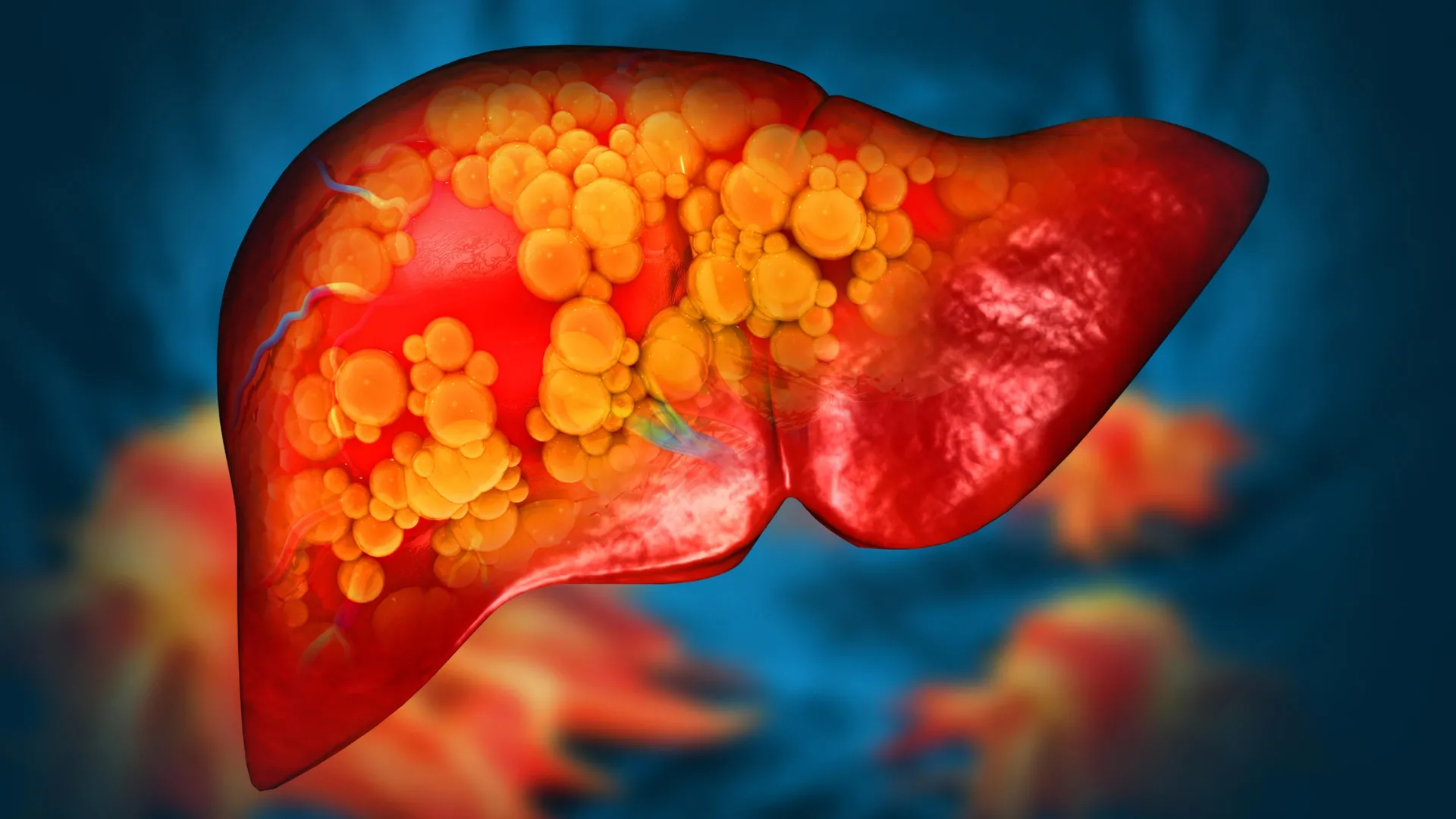
A groundbreaking study led by researchers at the Texas A&M College of Veterinary Medicine and Biomedical Sciences (VMBS) has unveiled a troubling connection: polyethylene microplastics may be a significant, previously overlooked catalyst for fatty liver disease. As scientists peel back the layers of how these particles interact with human tissue, the findings suggest that the intersection of environmental pollution and modern dietary habits is creating a "perfect storm" for metabolic health.
The Scope of the Problem: A Global Environmental Crisis
Microplastics—defined as plastic fragments smaller than five millimeters—have infiltrated nearly every corner of the planet. They have been recovered from the deepest trenches of the ocean, the highest peaks of the Himalayas, and, most alarmingly, from human blood, lungs, and placentas. While the environmental documentation of these particles is extensive, the clinical understanding of their long-term physiological impact remains in its infancy.
Fatty liver disease, a condition characterized by the abnormal accumulation of fat within liver cells, currently affects approximately 25% of the global population. Historically, this condition has been viewed through the lens of lifestyle factors: obesity, sedentary behavior, and diets high in processed fats and sugars. However, the Texas A&M study challenges this singular focus, suggesting that the "exposome"—the totality of environmental exposures an individual encounters—plays a far more active role than previously hypothesized.
Chronology of the Discovery
The path to this discovery began with a critical observation by Dr. Adi Joshi, an associate professor in the VMBS Department of Veterinary Physiology and Pharmacology. Despite polyethylene accounting for roughly one-third of all global plastic production, it had received remarkably little attention from toxicologists compared to other synthetic polymers.
Phase 1: Identifying the Blind Spot
Dr. Joshi and his team noted a massive gap in scientific literature. While research had touched upon various plastic additives, the raw polyethylene particles themselves were often dismissed as "biologically inert." This traditional view held that because polyethylene is chemically stable, it would likely pass through the body without triggering a significant inflammatory or metabolic response. The Texas A&M team decided to test this assumption, setting out to observe if these "inert" particles were, in fact, disrupting the liver’s delicate internal equilibrium.
Phase 2: Experimental Design and Dietary Interaction
The researchers conducted a controlled investigation to observe the impact of polyethylene on liver health, both in isolation and in conjunction with a "Western-style" diet—a regimen high in fat, fructose, and cholesterol. The results were immediate and concerning. Polyethylene exposure alone triggered measurable indicators of fatty liver disease. When paired with an unhealthy diet, however, the indicators of liver distress became significantly more pronounced, suggesting a synergistic, damaging effect between environmental pollutants and nutritional choices.
Phase 3: Spatial Mapping via Advanced Technology
To move beyond mere observation, the team collaborated with researchers at the University of Oklahoma to deploy spatial transcriptomics. This high-resolution technique allowed the team to map gene activity directly onto the physical structure of the liver. Rather than looking at a "snapshot" of the liver’s overall health, they could pinpoint exactly where damage occurred and which molecular pathways were being hijacked. This marked the shift from identifying that the liver was damaged to understanding how the damage was being orchestrated at a cellular level.
Supporting Data: The Molecular Mechanism of Injury
The investigation into the molecular pathways revealed two primary "culprits" that explain how polyethylene compromises liver function:
- PPAR-alpha Activation: The protein PPAR-alpha is a critical regulator of lipid metabolism. The study found that polyethylene exposure effectively "hijacked" this pathway, causing the liver to struggle with its standard fat-processing duties. By disrupting this regulatory mechanism, the plastic forces the liver to accumulate fat rather than metabolize it.
- ANXA2 Gene Alteration: The research also highlighted the role of the ANXA2 gene, which is essential for tissue repair and protection. The presence of polyethylene appeared to interfere with the liver’s natural ability to repair itself after cellular stress, essentially leaving the organ vulnerable and unable to heal from the inflammatory damage caused by poor diet or environmental toxins.
These findings dismantle the theory of polyethylene as a "passive" passenger in the human body. Instead, it appears to be a biological disruptor that interferes with the fundamental protective mechanisms of one of the body’s most vital organs.
Official Perspectives and Expert Commentary
Dr. Adi Joshi, the study’s lead author, emphasizes that these results are a call to action for the scientific community. "No studies had really looked into polyethylene’s effect on liver health, despite it being the most widely produced plastic," Joshi noted. "What we now know is that these microplastics, especially polyethylene, affect our liver’s natural defense and repair mechanisms."
Joshi’s team stresses that this is not just an issue for those with poor diets. While those consuming "burgers and sodas" may be at higher risk due to the compounding effect of diet and plastic exposure, the inherent reactivity of the plastic suggests that no one is entirely insulated from its effects. "This is the pioneering study showing that polyethylene can contribute to fatty liver disease," Joshi stated, adding that the team is already looking ahead to how other classes of microplastics might mirror these harmful impacts.
Implications: The Future of Liver Health
The implications of this research are far-reaching, touching on everything from public health policy to the development of new medical treatments.
Beyond the Liver: The Risk of Fibrosis
The research team has identified a clear trajectory for future studies: the progression toward advanced liver disease. If polyethylene can trigger fatty liver, the next logical question is whether it can exacerbate the progression into fibrosis—a condition where the liver is so severely damaged that it becomes laden with irreversible scar tissue. If microplastics are found to accelerate scarring, it could redefine the clinical outlook for millions of patients currently living with early-stage metabolic liver conditions.
The Search for Therapeutic Interventions
By pinpointing the PPAR-alpha pathway as a central site of disruption, researchers hope to identify potential pharmacological targets. If scientists can develop treatments that "shield" this pathway or bolster the liver’s regenerative capacity in the face of microplastic exposure, they could potentially mitigate the damage for individuals who are unable to avoid environmental exposure entirely.
A Call for Broader Awareness
Perhaps the most significant takeaway is the need for a shift in how we categorize "risk factors." For decades, chronic disease has been attributed largely to lifestyle and genetics. This study forces a pivot toward a more holistic understanding of human health—one that accounts for the silent, persistent influence of the material world.
"The other microplastics might also be harmful to the liver," Dr. Joshi warned, signaling that the current study is merely the tip of the iceberg. As humanity continues to produce and consume plastic at an unprecedented scale, the need to understand how these materials interact with our internal biology has never been more urgent.
For the average citizen, the study serves as a somber reminder: while we cannot always control the environment in which we live, the link between what we consume and how our body responds to environmental pollutants is becoming clearer every day. As research continues to advance, the hope remains that these findings will translate into better public health guidance, stricter environmental regulations, and perhaps, the innovative medical solutions needed to protect the liver from the invisible tide of plastic.