In a groundbreaking study that could fundamentally alter the landscape of neurodegenerative medicine, an international team of researchers has identified a promising experimental molecule capable of "reprogramming" the brain’s own immune system to fight Alzheimer’s disease. The compound, known as OLE, has demonstrated a remarkable ability to restore the protective functions of microglia—the brain’s specialized immune cells—which are often compromised as Alzheimer’s progresses.
The research, a collaborative effort between the Institute for Neurosciences (IN), a joint center of the Spanish National Research Council (CSIC) and Miguel Hernández University of Elche (UMH), and the École Polytechnique Fédérale de Lausanne (EPFL), was recently published in the prestigious journal Cell Death and Disease. By targeting the underlying mechanisms of neurodegeneration rather than merely masking symptoms, this discovery opens a transformative new chapter in the pursuit of effective Alzheimer’s therapies.
The Core Discovery: Reprogramming the Brain’s Immune Sentinels
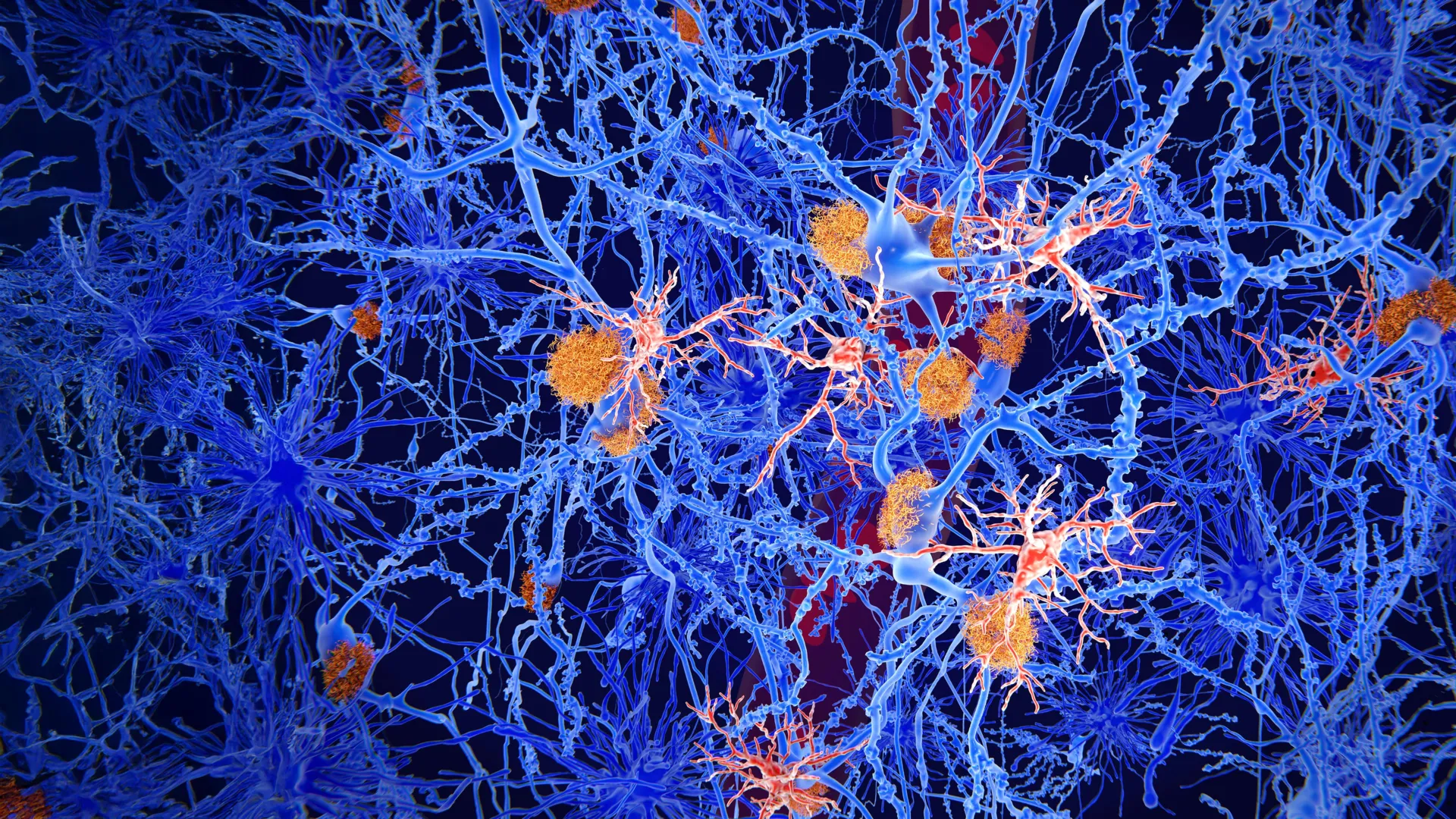
At the heart of the study is the role of microglia. In a healthy brain, these cells act as diligent guardians, constantly surveying the environment to remove debris, including the toxic beta-amyloid plaques that are a hallmark of Alzheimer’s disease. However, as the disease takes hold, these microglia often become exhausted, dysfunctional, or even detrimental to the surrounding tissue.
The researchers discovered that OLE, a molecule derived from the PM20D1 gene, functions as a powerful biological catalyst. When introduced, it effectively "reprograms" these failing microglia, shifting them back into a highly active, protective state. Once reinvigorated, these cells actively migrate toward beta-amyloid plaques, surrounding them to create a physical and chemical barrier. This containment strategy limits the toxic contact between the plaques and fragile neurons, thereby mitigating the neurodegenerative cascade.
"One of the most significant findings is that we have identified a molecule capable of restoring microglia’s protective function," explains José Vicente Sánchez Mut, lead researcher and head of the Functional Epi-Genomics of Aging and Alzheimer’s Disease laboratory at the IN CSIC-UMH. "In Alzheimer’s disease, these cells become progressively impaired. Our results suggest that this process can be reversed, pointing to new therapeutic and research avenues to counteract the disease."
A Chronology of Scientific Validation
The journey from identifying the molecule to verifying its efficacy involved a rigorous, multi-tiered experimental framework. The research team adopted a "bottom-up" approach, starting with simple biological models before scaling up to more complex mammalian systems.
Phase I: Initial Screening in C. elegans
The initial testing phase utilized Caenorhabditis elegans, a species of worm often used in genetic research due to its short lifespan and transparent physiology. By engineering these worms to produce beta-amyloid, the team created a model of rapid neurodegeneration. When treated with OLE, the worms exhibited a marked reduction in protein aggregate buildup and, crucially, a measurable improvement in locomotive function, signaling that the molecule was successfully mitigating the cellular toxicity.
Phase II: Mammalian Models and Cognitive Assessment
Following the success in invertebrates, the team transitioned to mouse models specifically bred to mimic the pathology of Alzheimer’s disease. These mice were administered OLE over a three-month period. Upon completion, the researchers performed a comprehensive post-mortem analysis of the brain tissue alongside cognitive behavioral tests. The results were compelling: the treated mice performed significantly better in memory-based tasks and exhibited a quantifiable decrease in the volume and density of beta-amyloid plaques compared to the control group.
Phase III: Single-Cell Resolution
To decipher the "how" behind the "what," the researchers employed state-of-the-art single-cell analysis. By examining the transcriptomic activity of thousands of individual brain cells, they were able to pinpoint the exact molecular pathways activated by OLE. This analysis confirmed that microglia were the primary responders to the treatment, showing a massive upregulation in genes associated with plaque clearance and cellular motility.
Supporting Data: Mechanisms of Action
The data gathered by the team, including first author Victoria Pozzi, provides a granular view of how OLE interacts with the brain’s microenvironment. The analysis confirmed that OLE does not simply kill plaque; it restores the "intelligence" of the immune system.
"Single-cell analysis allowed us to determine that microglia were the cells that responded most strongly to the treatment," says Pozzi. "From there, we observed that the compound helped these cells move toward beta-amyloid plaques and better contain the damage associated with the disease."
Supporting experiments in cell cultures mirrored these findings. In in vitro environments, treated microglia demonstrated superior chemotaxis—the ability to move toward a chemical stimulus—ensuring they could reach and neutralize amyloid deposits. Furthermore, when neurons were exposed to Alzheimer’s-like stressors in the presence of OLE, they showed improved survival rates, suggesting that the molecule may provide a dual benefit: clearing toxic debris and offering direct neuroprotection.
Official Responses and Collaborative Effort
The international nature of this study underscores the global priority of solving the Alzheimer’s crisis. The collaboration between the Spanish National Research Council (CSIC) and the EPFL in Switzerland highlights a synergy between epigenetic research and advanced neuro-engineering.
The research has received widespread institutional support, reflecting its importance in the global scientific community. Funding partners include the Dementia Research Switzerland (Synapsis Foundation), the Pasqual Maragall Researchers Programme, the Spanish Ministry of Science, Innovation and Universities, the European Research Council (ERC), and several other prestigious bodies.
The commitment to this research is further evidenced by the filing of two European patents, one of which is held by the CSIC. These patents serve as a critical bridge between academic discovery and clinical application, ensuring that the intellectual property surrounding OLE remains protected as it moves toward the next stages of development—likely involving preclinical safety trials and human clinical studies.
Implications for the Future of Alzheimer’s Therapy
The identification of OLE represents a paradigm shift. For decades, the Alzheimer’s research community has focused largely on "clearing" plaques using antibodies or other direct agents. While these approaches have seen some success, they often come with significant side effects and do not address the underlying exhaustion of the brain’s own immune system.
By focusing on the restoration of microglia, the researchers are advocating for an "immunomodulatory" approach—one that empowers the body to heal itself. If this strategy proves successful in human trials, it could potentially be used in combination with other existing therapies, creating a comprehensive "defense-in-depth" protocol for patients at risk of or suffering from early-stage dementia.
Addressing the Complexity of the Disease
Alzheimer’s is a multifactorial disease, and no single "silver bullet" has yet conquered it. However, the ability to reprogram the epigenetic state of immune cells is a sophisticated tool. The researchers believe that the PM20D1-derived OLE molecule could be the key to slowing the progression of the disease, potentially turning Alzheimer’s from a terminal, rapidly progressing condition into a manageable chronic state.
Looking Ahead
The next phase of the research will focus on the pharmacokinetics of OLE—determining the optimal dosage, delivery methods (such as crossing the blood-brain barrier effectively), and long-term safety profiles. While the researchers caution that human application is still years away, the momentum behind this discovery is palpable.
The success of the CSIC-EPFL partnership stands as a beacon for international scientific cooperation. As the global population ages, the urgency to find treatments that extend not just life, but "cognitive life," has never been higher. With OLE, science may have finally found the spark needed to re-ignite the brain’s own internal defenses, offering a future where Alzheimer’s can be effectively contained and, perhaps, even reversed.