In the modern era of travel, the "always-on" expectation has shifted from a luxury to a necessity. Whether you are a digital nomad managing a remote team from a cafe in Bali or a leisure traveler navigating the intricate transit systems of Europe, reliable data is the backbone of the experience. For years, the travel industry has relied on a patchwork of physical SIM cards, expensive roaming passes, and localized eSIMs. However, the landscape is shifting with the arrival of integrated, subscription-based global connectivity models.
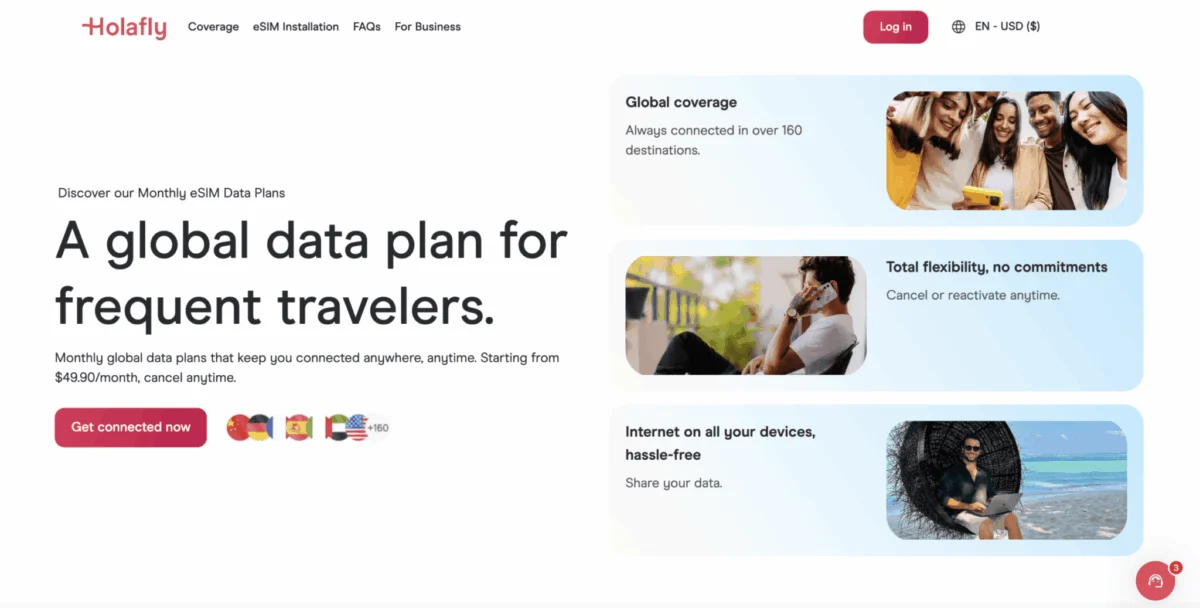
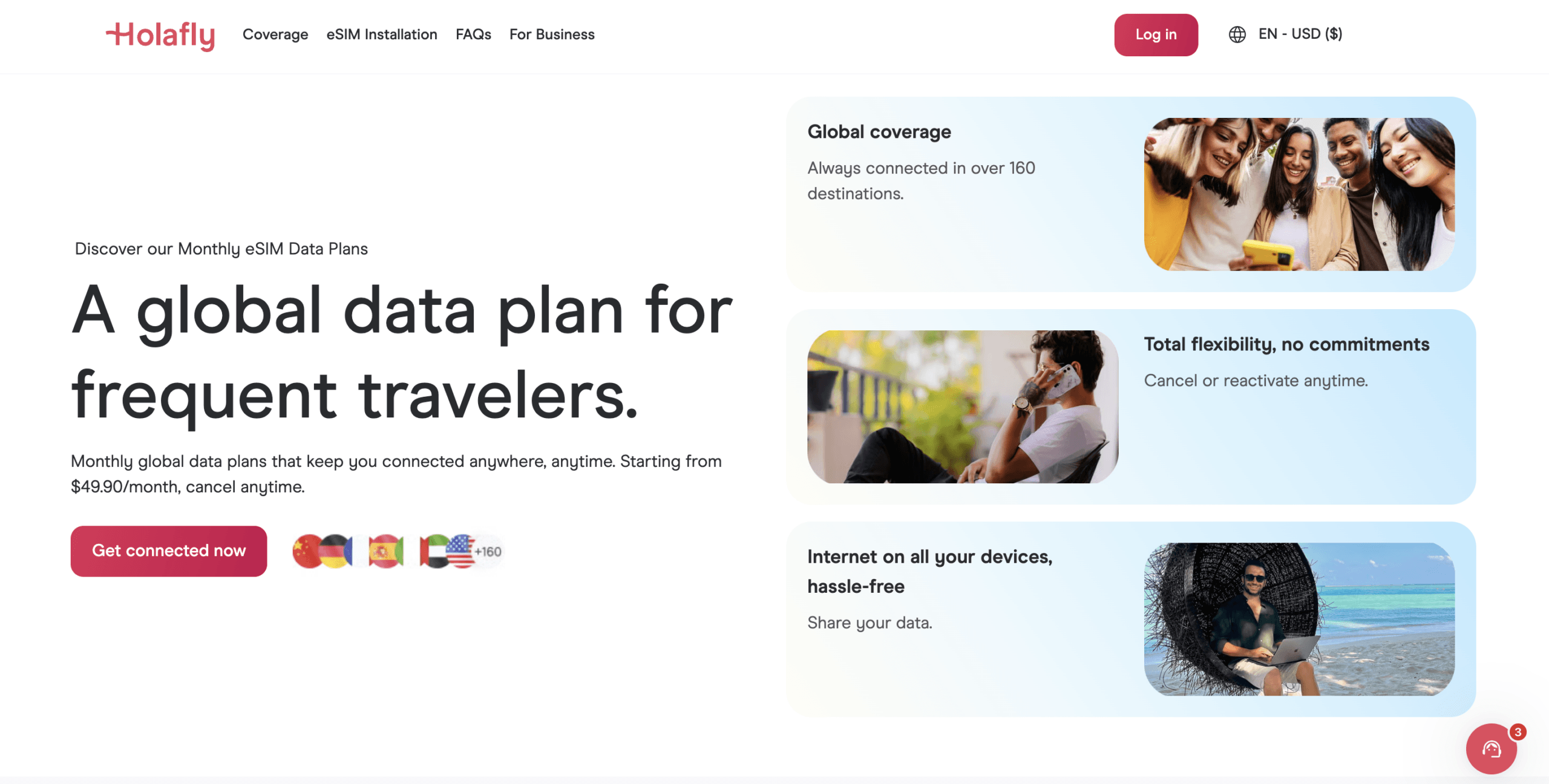
Among the leaders in this space is Holafly, a provider that has long been a favorite for its user-friendly interface and competitive pricing. Recently, the company took a significant step forward by launching "Holafly Plans," a comprehensive subscription service designed to eliminate the friction of international data management across more than 160 destinations.
The Core Concept: Redefining the eSIM Experience
To understand the innovation behind Holafly Plans, one must first recognize the limitation of the status quo. A traditional eSIM is a digital SIM card embedded directly into the hardware of a smartphone. While superior to physical plastic cards—which are prone to loss and damage—the traditional model still requires users to manually select a package, download a profile, and often cycle through multiple QR codes as they move across borders.
Holafly Plans fundamentally changes this paradigm by treating data as a utility, much like a domestic phone plan, rather than a commodity to be purchased trip-by-trip. By offering a single, ongoing subscription, Holafly ensures that the user’s device is "always-on" regardless of geographic location. Once the initial profile is installed, the system automatically detects the local network upon arrival in a new country, providing immediate, seamless connectivity without the need for manual configuration.
Chronology of Connectivity: From Local SIMs to Global Subscriptions
The evolution of mobile data for travelers has been rapid. In the early 2010s, travelers were often forced to visit physical kiosks in foreign airports to purchase local SIM cards, a process that was time-consuming, language-dependent, and often insecure.

- The Early Phase (2010–2018): Travelers relied heavily on physical SIM cards. This necessitated unlocking devices, keeping track of tiny chips, and the risk of losing one’s home SIM card.
- The eSIM Revolution (2019–2023): The introduction of eSIM technology allowed for software-based switching. Providers like Holafly emerged, offering country-specific packages that could be activated via QR code. While a massive improvement, it still required "one-off" purchases for every trip.
- The Subscription Era (2024–Present): With the launch of Holafly Plans, the industry has entered the era of the global subscription. This represents the maturity of the technology, moving from transactional data to a lifestyle-integrated service.
Supporting Data: Why the Subscription Model Wins
The economic argument for moving to a subscription-based model is substantial, particularly for frequent travelers. Major domestic carriers in the United States, for instance, often charge exorbitant daily fees for international roaming—frequently ranging from $10 to $15 per day, which can easily exceed $300 for a month-long trip.
In contrast, Holafly Plans provide a more predictable cost structure. By paying a monthly or annual fee—which can be as low as $55 per month for unlimited access—users gain a consistent, high-speed connection that is not subject to the hidden costs of roaming or the performance throttling common with "budget" international add-ons.
Comparative Analysis Table
| Feature | Holafly Plans (Unlimited) | Major Carrier Roaming | Standard Single-Use eSIMs |
|---|---|---|---|
| Monthly Cost | ~$55–$65 | $100–$300+ | $60–$120 |
| Data Allowance | Unlimited | Capped/Throttled | 5GB–10GB (Fixed) |
| Setup Hassle | One-time | Recurring Fees | Per-Trip Setup |
| Hotspotting | Included | Often Restricted | Varies by Carrier |
Official Perspectives and Product Tiers
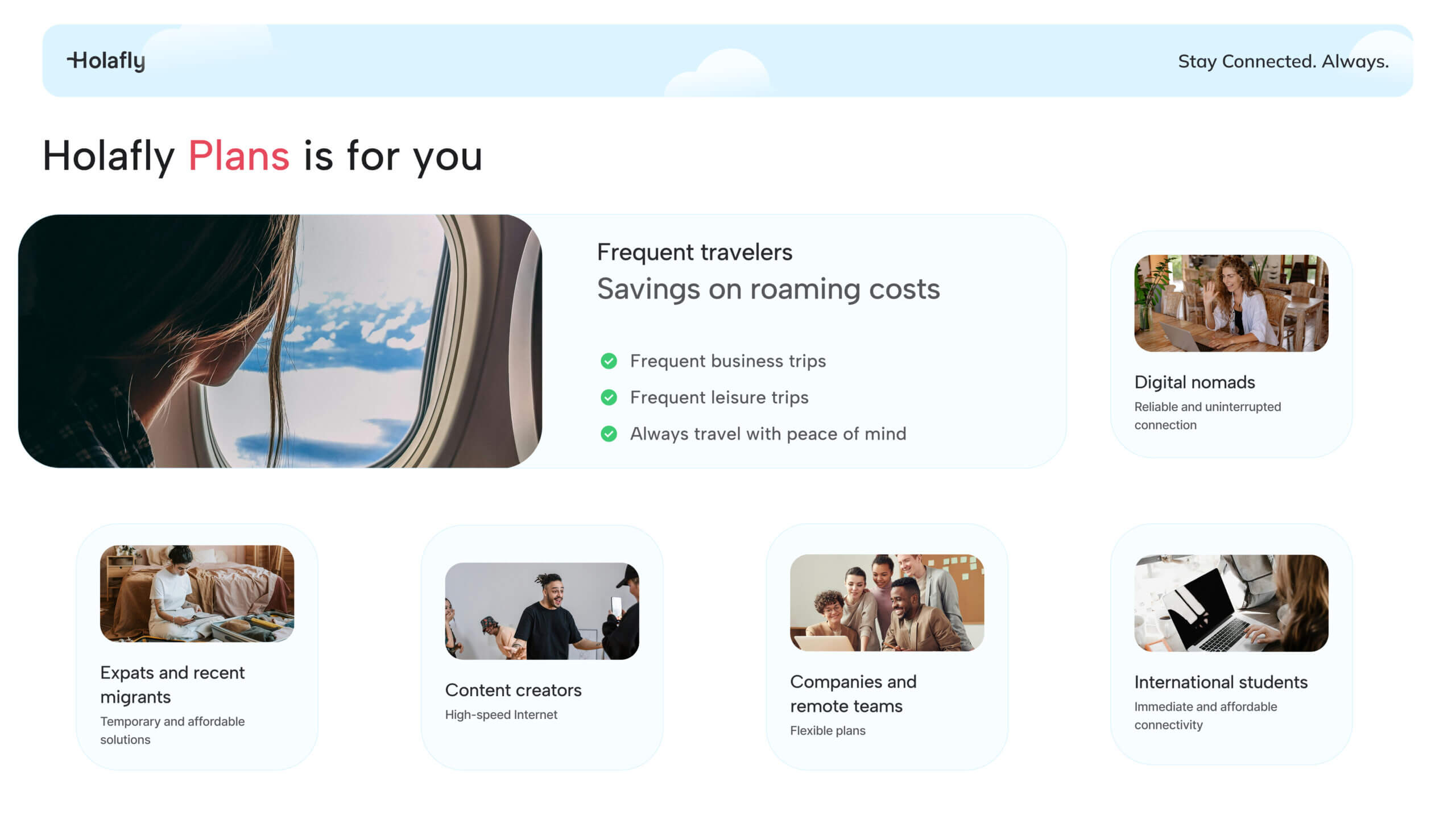
The strategy behind Holafly Plans is to cater to two distinct segments of the traveling population. By offering "Light" and "Unlimited" tiers, the company allows for a level of customization that fits the specific needs of the user.
The Light Plan
Targeted at the casual to moderate traveler, this tier provides 25GB of data per month. It is designed for those who utilize data primarily for navigation, messaging, and intermittent social media usage. It retains the essential benefits of the subscription model, including the 160+ country coverage and the "Always On" feature.
The Unlimited Plan
Engineered for digital nomads, content creators, and remote professionals, the Unlimited Plan removes the ceiling on data usage. Crucially, it includes an unlimited hotspot feature, allowing users to tether their laptops for video conferencing or large file transfers. Furthermore, this tier includes a local phone number (US, UK, or Canada), which is a vital tool for two-factor authentication and receiving SMS messages from banks or services that require a verified number.
The "Always On" Guarantee
One of the most notable features introduced with these plans is the "Always On" backup. Every subscriber is granted 1GB of data every month, in perpetuity, even if they choose to cancel their primary subscription. This provides a safety net for travelers who may find themselves between trips but still require basic data connectivity upon arrival in a new destination.
Implications for the Modern Traveler
The shift toward global subscriptions has profound implications for how we move through the world.
1. Enhanced Security
By maintaining a single, trusted connection through a dedicated eSIM provider, users reduce the risk associated with connecting to insecure, public airport or cafe Wi-Fi networks. The ability to rely on a stable, private cellular connection is a cornerstone of modern digital security.
2. Operational Efficiency
For the digital nomad, the "hassle factor" is a genuine cost. The time spent troubleshooting local SIMs or managing multiple QR codes is time taken away from work or leisure. Holafly Plans convert a technical administrative task into a "set it and forget it" utility.
3. Financial Predictability
For long-term travelers, the ability to budget for mobile data as a fixed monthly expense provides a level of financial stability that was previously elusive. There is no longer a fear of "bill shock" after a month of heavy international roaming.
Considerations Before You Buy
While the benefits are clear, it is essential to consider if the subscription model is the right fit. For the traveler who takes only one or two short, two-week trips per year, a classic, single-use destination eSIM may remain the more cost-effective choice. The subscription model is optimized for those with a high "velocity" of travel—people who are crossing borders monthly or who reside abroad for extended periods.
Additionally, as with all eSIM technology, users must ensure their devices are carrier-unlocked. If a phone is locked to a specific carrier (e.g., AT&T, Verizon, Vodafone), the device will not be able to utilize a third-party eSIM, regardless of the provider.
Final Assessment: The Future of Roaming
The launch of Holafly Plans marks a definitive shift in the travel connectivity market. By moving away from the friction-heavy model of individual destination purchases toward an integrated, global subscription service, Holafly has aligned its product with the realities of the modern, nomadic lifestyle.
For those who view the world as their office or their playground, the value proposition is clear: by eliminating the need to manage data, one is free to focus on the experience itself. As technology continues to evolve, we can expect further integrations and perhaps even more localized features, but for now, the global subscription model represents the gold standard for international mobile data.
Traveler’s Note: For those interested in testing these services, using promotional codes provided by industry experts—such as "NOMADICMATT"—can often provide additional savings, further reducing the cost of entry for these connectivity plans. Always ensure you verify your device’s compatibility on the provider’s website before finalizing your subscription.