With a population of 3.5 million, Madrid is not merely the political capital of Spain; it is its pulsating, creative heart. While coastal cities often command the lion’s share of international attention, Madrid stands as a sprawling, sophisticated metropolis where grand imperial architecture meets a modern, late-night culture that defies conventional schedules. Each year, over 10 million travelers descend upon the city, drawn by its world-class art galleries, a culinary scene that balances centuries-old tradition with avant-garde innovation, and a kinetic energy that remains palpable until dawn.
For the uninitiated, navigating such a vast urban landscape can be daunting. Yet, once you embrace the local rhythm—the slow-paced midday meals, the afternoon strolls, and the vibrant, moonlit social scene—you begin to understand why Madrid is frequently cited as one of Europe’s premier destinations.
The Essence of Madrid: Main Facts and Cultural Context
Madrid is a city built on contrasts. It is a place of profound history, serving as the seat of the Spanish monarchy for centuries, yet it is also a bastion of progressive, modern European culture. Geographically, it sits at the high-altitude center of the Iberian Peninsula, a location that has shaped its identity as a crossroads of commerce and culture.
The city is characterized by its "slow" culture. Dinner is rarely served before 9:00 PM, and the nightlife typically begins after midnight. This is not a city to be rushed; it is a city to be inhabited. Whether you are navigating the ornate corridors of the Royal Palace or sampling cocido madrileño in a tavern that has stood for centuries, the experience is best savored through immersion.
Chronology: A Five-Day Deep Dive
Day 1: Immersion in the Art Walk
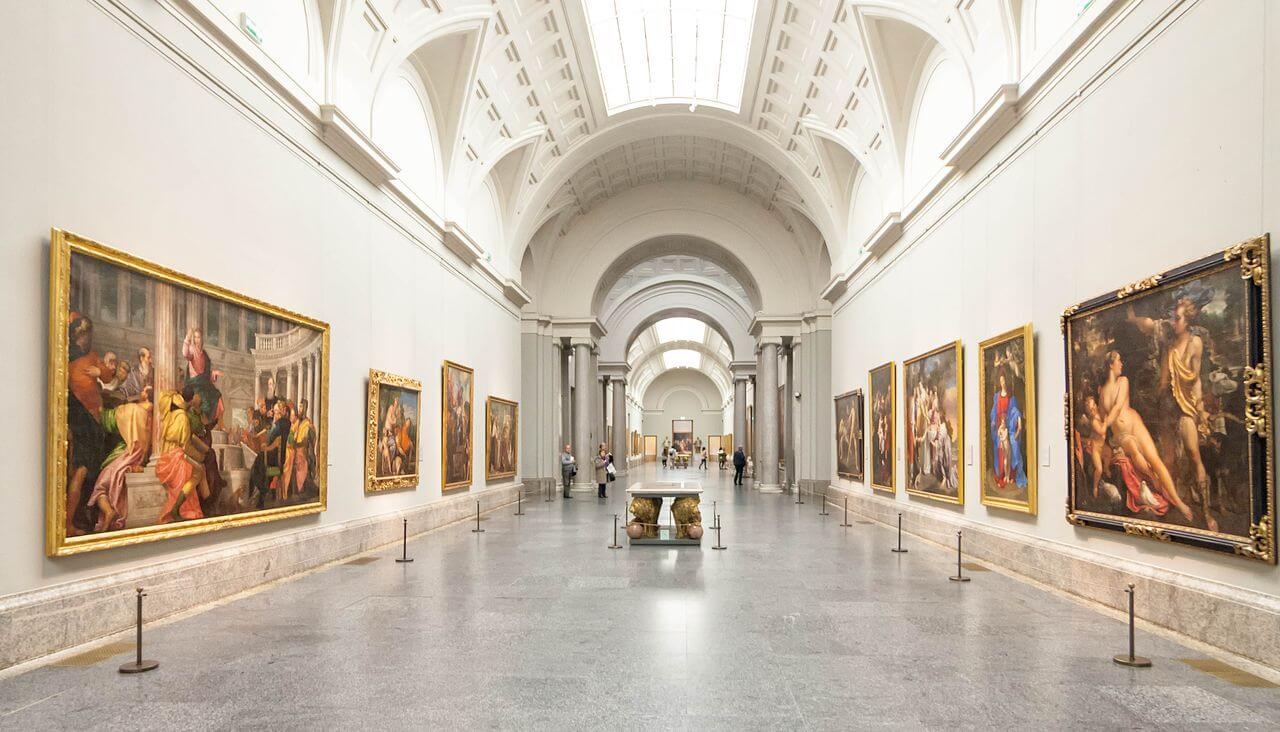
Your journey begins in the "Landscape of Light," a UNESCO World Heritage site since 2021 that encompasses over 40 monuments and historic buildings. The anchor of this district is the Prado Museum, a titan among global institutions. Housing masterpieces by El Greco, Velázquez, and Goya, alongside European masters like Rubens and Botticelli, the Prado demands at least a half-day.
A short walk along the Paseo del Prado brings you to the Thyssen-Bornemisza Museum, which provides a bridge between the Renaissance and modern art. The day concludes at the Reina Sofía Museum, where the centerpiece is undoubtedly Picasso’s Guernica. For a culinary capstone, seek out the rustic charm of Taberna La Fragua de Vulcano or the historic, subterranean wine caves of Bodega de los Secretos.
Day 2: The Grandeur of the Habsburg Era
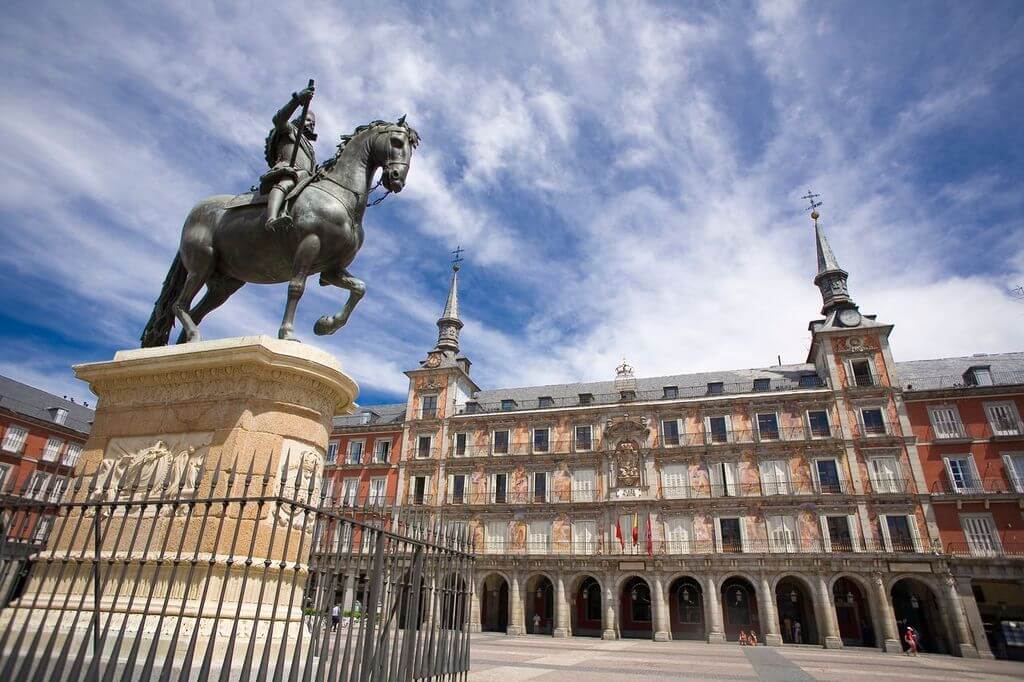
Day two shifts focus to "Habsburg Madrid" (Madrid de los Austrias). Begin at Puerta del Sol, the symbolic center of Spain, where you can locate the "Kilometer Zero" plaque and the iconic Bear and the Strawberry Tree statue. From here, walk to the Plaza Mayor, a grand, porticoed square that has hosted everything from royal coronations to public executions.
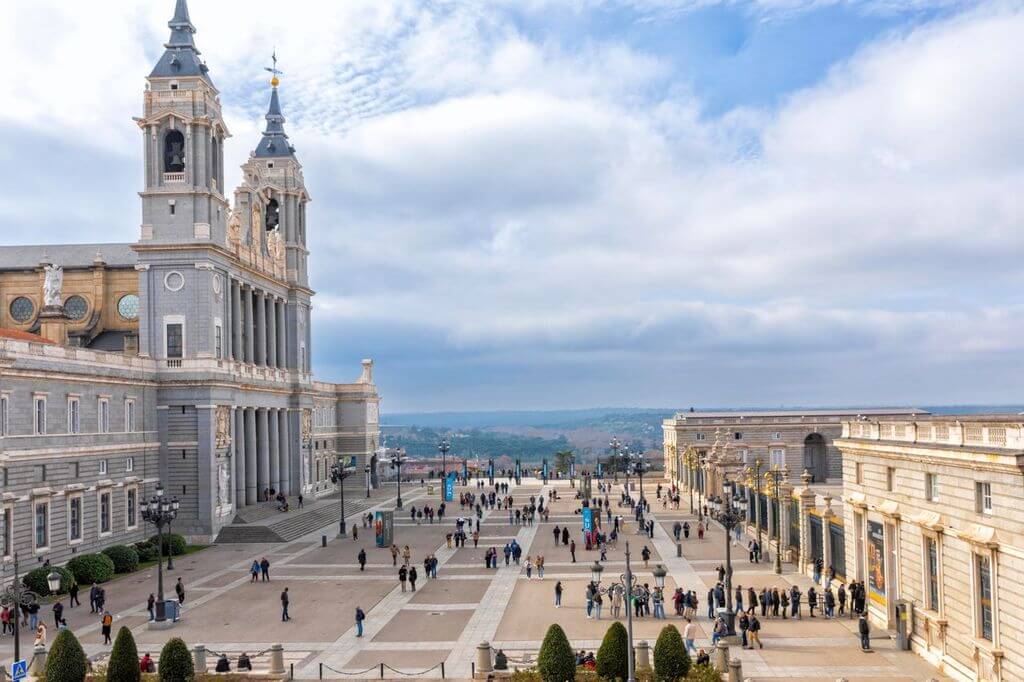
Following a traditional calamari sandwich in a nearby alley, head to the Royal Palace of Madrid. As the largest palace in Western Europe, its 3,400 rooms offer a glimpse into the opulence of the 18th century. End your day at the Almudena Cathedral, a fascinating architectural hybrid that juxtaposes Neo-Classical exteriors with a somber, Neo-Romanesque crypt.
Day 3: Culinary Discovery and Rooftop Vistas
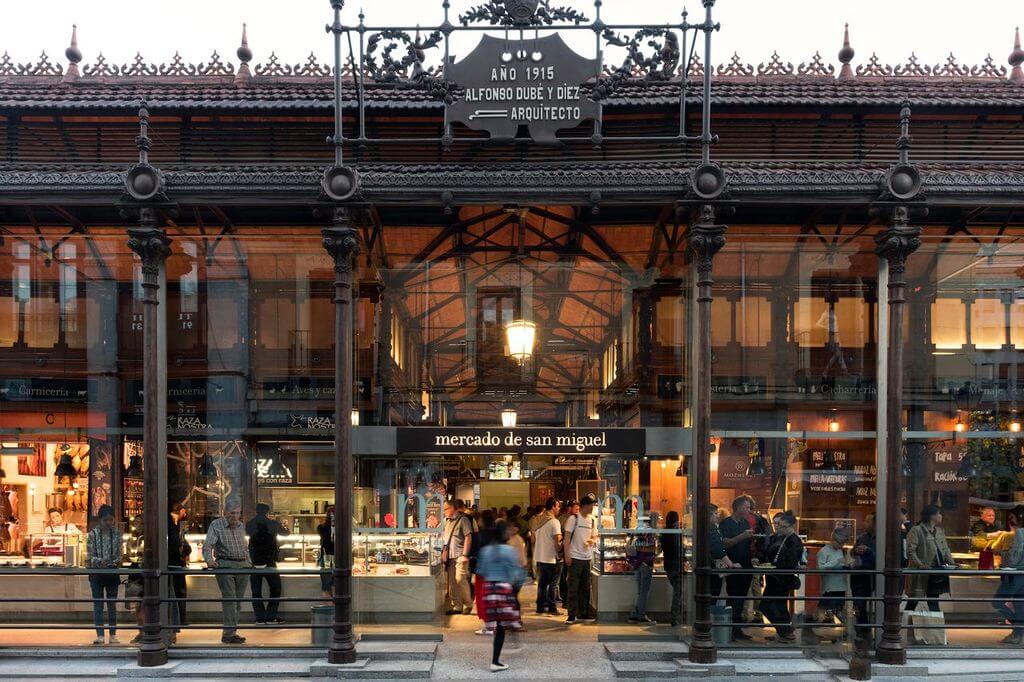
Madrid’s food scene is its own form of high art. Bypass the tourist traps and head directly to the Mercado de San Miguel, a glass-walled temple of gastronomy near Plaza Mayor. For a deeper, more local experience, visit the Mercado de San Antón in the Chueca district.
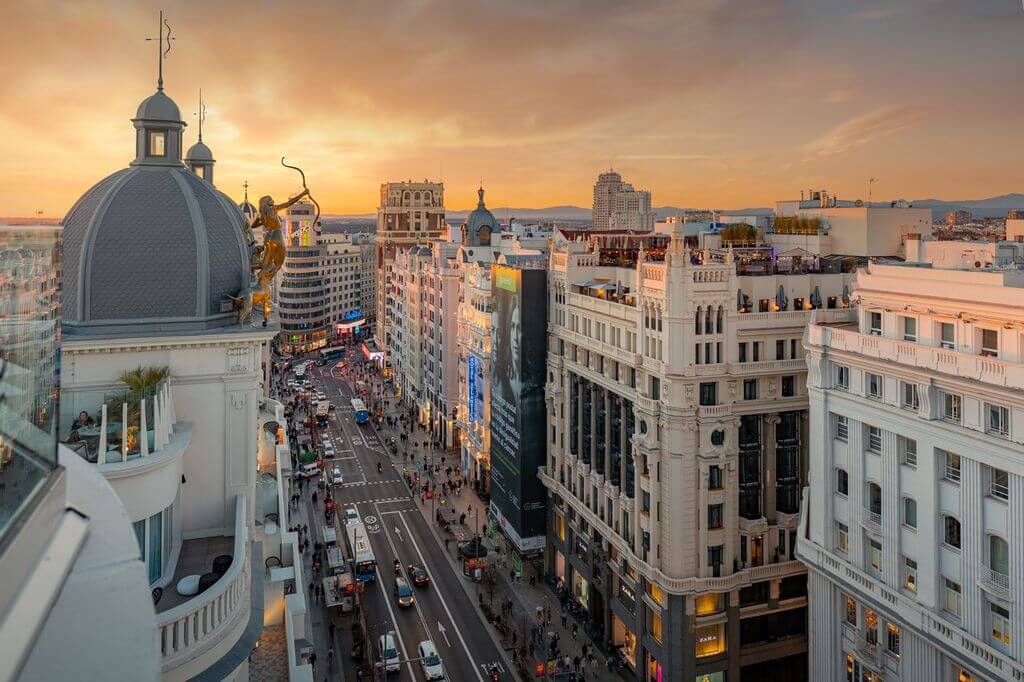
For dinner, history buffs should book a table at Sobrino de Botín, the world’s oldest continuously operating restaurant, famously favored by Ernest Hemingway. As night falls, transition to the Gran Vía to experience the city’s burgeoning rooftop culture. Bars like the RIU 360º Sky Bar offer unparalleled panoramic views of the skyline, providing the perfect backdrop for a late-night cocktail.
Day 4: UNESCO World Heritage Wonders
While the city is a marvel, the surrounding region offers profound historical depth. A one-hour trip brings you to the Monastery of San Lorenzo de El Escorial, an austere and massive imperial complex that serves as the burial site for Spanish monarchs. Alternatively, visit the Royal Palace of Aranjuez, a site that rivals Versailles in its manicured beauty, or the city of Alcalá de Henares, the birthplace of Miguel de Cervantes and a testament to the Spanish Golden Age.
Day 5: Off-the-Beaten-Path Treasures
On your final day, explore the city’s quieter corners. Visit the Monastery of Las Descalzas Reales and the Royal Monastery of La Encarnación. These cloisters, often overlooked by mainstream tourism, house extraordinary private art collections donated by aristocratic women who sought refuge within their walls.
Conclude your stay in Casa de Campo. Once a royal hunting ground, this 17-square-kilometer park offers a tranquil escape from the urban density. The lakeside terraces provide an ideal vantage point to watch the sunset over the silhouettes of the Royal Palace and the cathedral.
Supporting Data: Why Madrid Works
The appeal of Madrid is supported by its sheer density of cultural infrastructure. With more than 70 museums and some of the highest concentrations of Michelin-starred restaurants in the country, the city provides a high return on investment for the traveler’s time. Recent urban planning initiatives, such as the pedestrianization of the city center and the expansion of the Paseo del Prado UNESCO zone, have significantly improved the walkability and air quality of the historic core.
Furthermore, the city has successfully integrated vegetarian and vegan options into its traditional culinary landscape, making it one of the most inclusive dining destinations in Southern Europe.
Official Perspectives and Expert Insight
Travel experts and urban planners alike often point to Madrid’s "public-private" approach to cultural preservation as a key to its success. By maintaining institutions like the Sorolla Museum—which serves as both an art gallery and a time capsule of a historic residence—the city ensures that its history feels lived-in rather than curated behind glass. Local authorities emphasize that the "late-night culture" is not a byproduct of tourism, but a foundational element of Spanish social fabric, encouraging visitors to view the city not as a series of checkpoints, but as a lifestyle to be adopted.
Implications for the Modern Traveler
The shift toward "slow travel" in Madrid carries significant implications for the local economy and environment. By encouraging visitors to spend five days rather than two, the city reduces the "hit-and-run" nature of mass tourism. This allows for a more sustainable distribution of tourist spending into local neighborhoods like La Latina and Malasaña, rather than concentrating it solely in the immediate vicinity of the Plaza Mayor.
Ultimately, Madrid is a city that rewards curiosity. Whether you are digging into the history of the Spanish Golden Age or simply enjoying a glass of wine on a rooftop overlooking the Gran Vía, the city provides a level of depth that keeps travelers returning for decades. By following this curated itinerary, you move beyond the surface-level attractions and gain access to the true, beating heart of the Spanish capital—proving that while cities like Barcelona may shout, Madrid speaks in a voice that is both historic and undeniably cool.