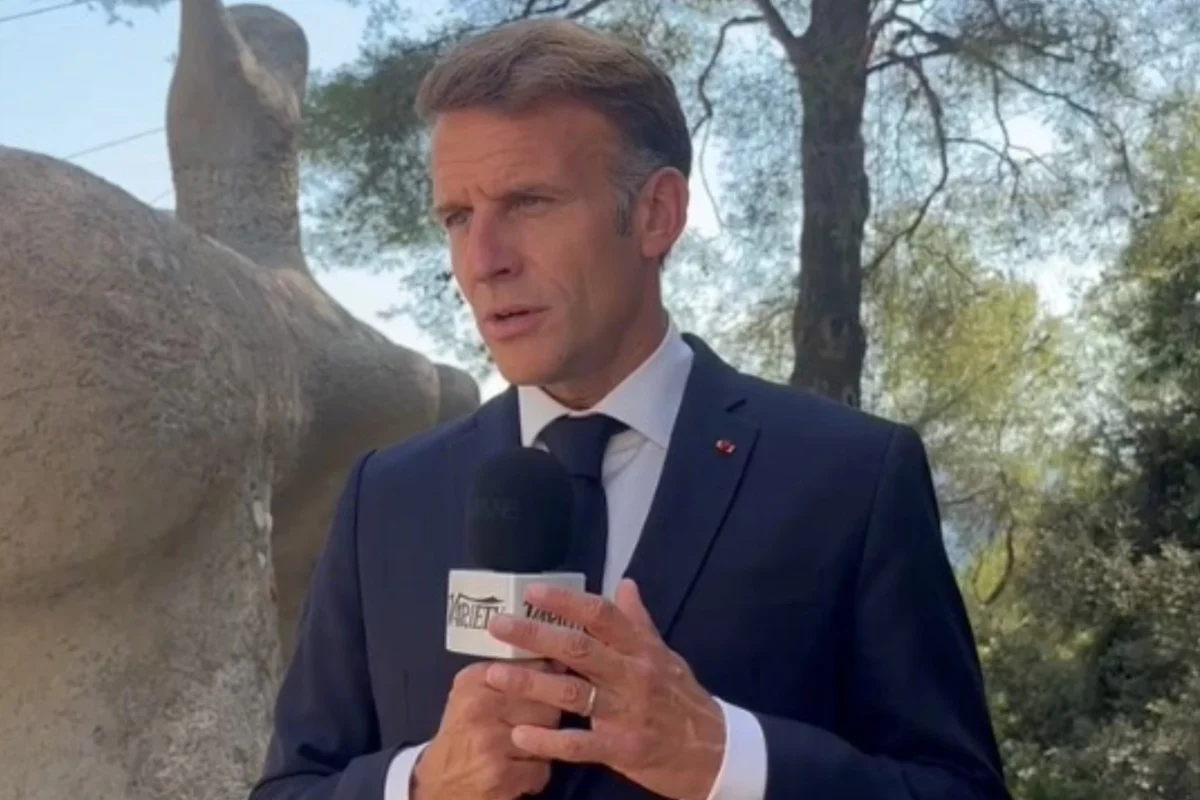
In the verdant, art-rich surroundings of the Fondation Maeght in Saint-Paul-de-Vence, French President Emmanuel Macron and South Korean President Lee Jae Myung convened the inaugural Lumière Summit this past Monday. The gathering, which brought together the titans of global media, was not merely a ceremonial event but a strategic response to a seismic shift in the entertainment industry. As the dominance of user-generated content platforms, the rapid encroachment of Artificial Intelligence, and massive media consolidation redefine how the world consumes stories, Macron has positioned France at the vanguard of a global movement to protect the "cultural exception" (exception culturelle) that defines the French—and, by extension, the European—creative spirit.
The Disruption of the Digital Hegemony
The central theme of the Lumière Summit was the existential challenge posed by platforms such as YouTube and TikTok. Macron, speaking exclusively to Variety, argued that these platforms have evolved from mere social networks into the default media hubs for the global population.
"YouTube is very efficient. It’s de facto the default platform in a lot of countries for a lot of people," Macron noted. "And it’s quite clear that today they divert a lot of people from these platforms or the big channels where a lot of money is invested in creation."
This diversion of audience attention threatens the traditional economic model of cinema and television. In France and throughout the European Union, the film industry relies on a virtuous cycle: levies on cinema admissions and television broadcasting rights are funneled into the National Film Board (CNC), which then re-invests these funds into independent local production. When platforms like YouTube outcompete traditional channels, that tax base erodes. Macron’s solution is a push for multilateral engagement—forcing these tech giants to contribute to the local creative ecosystems they profit from, much in the way Netflix, Amazon, and Disney have already been mandated to do.
Chronology of a Crisis: From Regulation to Innovation
The urgency of the Lumière Summit stems from a convergence of events over the past three years:
- 2022–2023: France solidifies its reputation as a global production powerhouse, bolstered by the "France 2030" plan, which injected massive funding into infrastructure, studio space, and digital innovation.
- January 2026: Paramount Skydance boss David Ellison travels to Paris to meet with Macron. This high-level lobbying signaled the changing tides of M&A in the U.S., with the French government seeking to ensure that as companies consolidate, they do not abandon their obligations to European content creation.
- March 2026: The Lumière Summit convenes in Saint-Paul-de-Vence. The guest list reads like a "who’s who" of the entertainment world: Netflix’s Ted Sarandos, Disney’s Dana Walden, NBCUniversal’s Donna Langley, and Sony’s Tom Rothman were all present, signaling that the industry is finally ready to negotiate with the state on a global scale.
- May 2027: The end of Emmanuel Macron’s second presidential mandate. The looming election has created a sense of "now or never" for the French cultural sector, as the rise of political extremes threatens the long-standing bipartisan consensus on cultural funding.
The AI Frontier: Transparency and Truth
Macron’s involvement in the AI sector is well-documented; he has been a vocal proponent of French startups like Mistral and a key architect of the EU’s landmark AI Act. However, his rhetoric at the summit signaled a hardening of his stance regarding the intersection of technology and art.
"When you have content produced by AI, you just have to know it. So transparency for us is key," Macron insisted. He warned that without strict labeling, the proliferation of AI-generated content could "totally transform the relationship to truth," eroding the public’s trust in journalism, cinema, and democratic institutions.
For Macron, the "AI race" is not just about computing capacity or data centers—it is about intellectual property rights. He emphasized that as AI models are trained on the vast archives of human creativity, the authors of that content must be protected and compensated. This focus on "fairness" is central to his vision of a European AI model that does not sacrifice human expression at the altar of automation.
Supporting Data: The Economic Stakes
The importance of the French model is not just ideological; it is deeply rooted in economic performance.
- Production Boom: The French international tax credit has been a massive success, attracting major U.S. productions such as The White Lotus (Season 4) and ensuring that Emily in Paris remains a Parisian staple.
- Investment Metrics: France 2030, a state-led investment plan, has significantly increased the availability of soundstages and post-production facilities. Data suggests that every euro invested in these incentives generates a multiplier effect that supports thousands of local technicians, actors, and service providers.
- Market Shifts: YouTube currently outpaces Netflix in more than 20 international markets. This data point, highlighted during the summit, serves as the primary justification for why the regulatory framework that governs traditional film must be expanded to include social media giants.
Official Responses and Industry Sentiment
The presence of executives like Ted Sarandos and Dana Walden at the summit indicates that the "Big Tech/Big Studio" contingent is aware of the changing regulatory winds. While companies often resist additional taxes, the industry’s desire for stability in the European market may lead to a reluctant acceptance of these new levies.
However, the political climate remains volatile. The French film industry is deeply anxious about the 2027 election. Many industry leaders fear that a shift in government could see the dismantling of the CNC or a reduction in the "exception culturelle."
"Some extremes are fighting very hard against the CNC and what we call this exception culturelle and the DNA of the French model," Macron stated. His response is to anchor these protections in international treaties and long-term commitments that are harder to reverse, ensuring that the infrastructure of French art remains robust regardless of who occupies the Élysée Palace in 2027.
Implications for the Future of Global Cinema
The implications of the Lumière Summit extend far beyond France. If Macron succeeds in establishing a global standard for how platforms like YouTube and TikTok contribute to local content, he will have set a precedent that other nations—from Brazil to India—will likely follow.
1. The Death of the "Wild West" Internet
The era of the platform as a passive host is ending. By treating these sites as media entities rather than tech utilities, the EU is forcing a fundamental change in the digital business model.
2. Soft Power as a Strategic Asset
Macron views culture as a pillar of soft power. In a world of geopolitical tension, the ability to project a nation’s values through film and television is a strategic advantage. By protecting the French model, he is protecting France’s ability to influence the global zeitgeist.
3. The Human-AI Hybrid Model
Macron’s vision for AI is not one of exclusion, but of regulation. By demanding that AI-generated content be clearly labeled, he aims to preserve the value of "human-made" art. This creates a market premium for authentic, author-driven content, which could provide a lifeline to traditional independent filmmakers.
Conclusion
As Emmanuel Macron prepares to step down from the presidency in 2027, his legacy will be inextricably linked to his defense of the cultural ecosystem. The Lumière Summit serves as both a manifesto and a defensive perimeter. By bridging the gap between the Silicon Valley giants and the traditional European film industry, Macron is attempting to architect a future where technology serves the arts rather than replaces them.
The battle for the future of the moving image is, at its core, a battle for the definition of truth and the preservation of human creativity in the age of algorithms. Whether this "French model" can withstand the pressures of global consolidation and political volatility remains to be seen, but as the proceedings in Saint-Paul-de-Vence demonstrated, the fight is well underway.