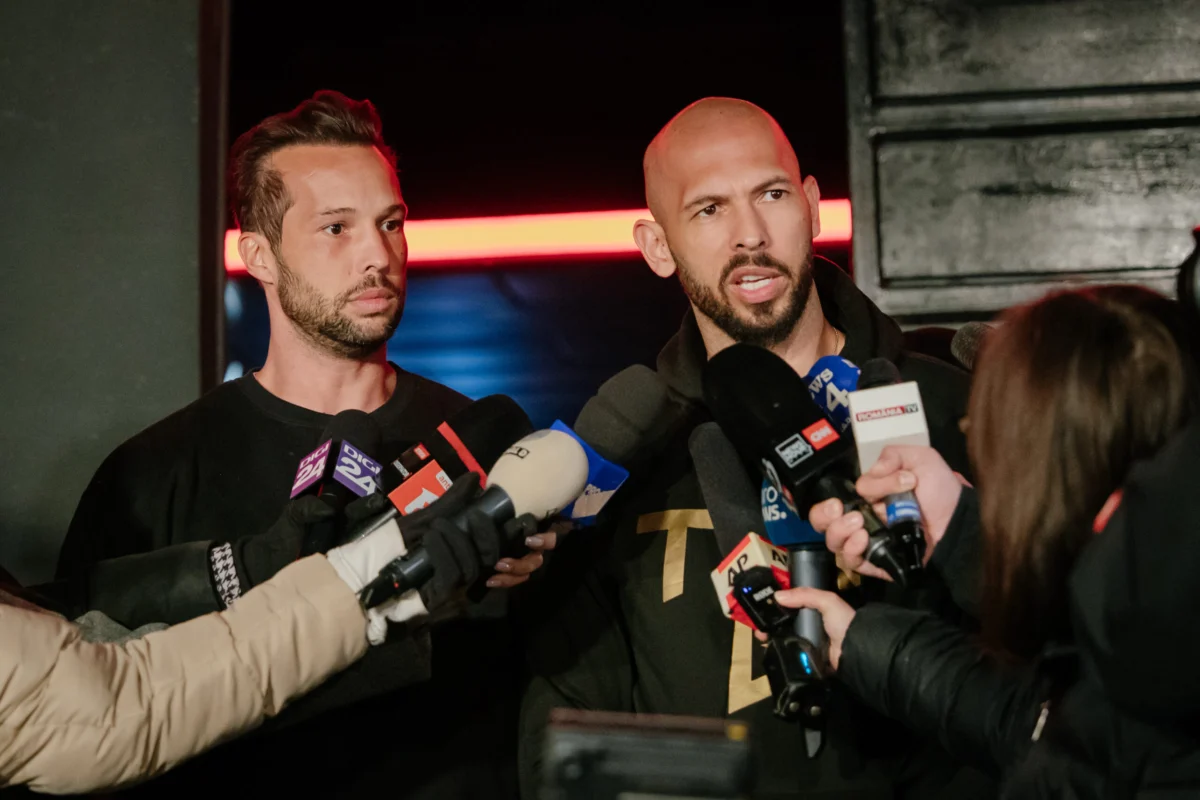
The high-profile saga surrounding social media influencers Andrew and Tristan Tate reached a new, unexpected chapter this past Saturday as the brothers were taken into custody by federal officers in Miami. The arrest, which sent ripples through the digital landscape where the brothers maintain a massive, albeit polarizing, following, marks yet another escalation in a multi-year legal battle that spans continents and jurisdictions.
While specific details regarding the charges leading to this weekend’s Miami arrest remain under seal, the development serves as a stark reminder of the mounting pressure faced by the siblings. From their origins as niche internet personalities to becoming the central figures in a sprawling international criminal investigation, the Tates have navigated a career defined by hyper-masculine rhetoric, extreme wealth signaling, and a series of grave criminal allegations.
The Miami Arrest: A New Front in a Global Legal Struggle
On Saturday afternoon, the atmosphere surrounding the Tate brothers shifted abruptly as federal authorities apprehended the duo in Miami. The arrest, first reported by the Associated Press, has left the public and legal analysts speculating on whether this action is tied to ongoing domestic investigations or potential cooperation with international extradition requests.
Unlike their previous detentions in Romania, which were widely publicized through official government statements and the brothers’ own social media accounts, the nature of this recent apprehension remains opaque. Legal experts note that federal arrests of this nature often involve complex coordination between domestic law enforcement agencies and foreign entities, especially given the existing, unresolved indictments against the brothers in both Romania and the United Kingdom.
A Chronology of Conflict: From Reality TV to Criminal Indictment
To understand the weight of the current situation, one must look back at the trajectory of the Tate brothers’ public life. Andrew Tate first entered the global consciousness in 2016 as a contestant on the U.K. version of the reality television show Big Brother. His tenure was short-lived; he was removed from the program following the surfacing of a video that appeared to depict him striking a woman with a belt. While both Tate and the woman involved insisted the act was consensual, the incident served as a harbinger for the controversy that would define his career.
In the years that followed, Tate reinvented himself as a self-styled “top G,” curating a digital persona that prioritized displays of excessive luxury, combat sports, and a controversial brand of hyper-masculinity that resonated with millions of young men. However, this rise to internet stardom was increasingly shadowed by legal scrutiny.
The Romanian Connection
The most significant turning point in the brothers’ legal woes occurred in December 2022, when Romanian anti-terrorism authorities raided their property near Bucharest. They were detained on allegations of human trafficking, rape, and the formation of an organized criminal group. By June 2023, the Romanian government had officially charged the brothers.
Following their initial imprisonment and a subsequent period of house arrest, the brothers were eventually released under judicial control. As of early 2026, reports from Reuters indicated that a Romanian court had lifted those preventative measures, allowing them more freedom of movement as the trial process moved forward at a glacial pace. Throughout these proceedings, Andrew Tate has remained defiant, consistently labeling the charges as a “matrix-orchestrated” effort to silence him, maintaining his innocence and expressing faith in the Romanian judicial system.
The U.K. Indictments
If the Romanian charges were not enough to complicate their legal future, the situation intensified significantly in May 2025. British prosecutors formally authorized 21 charges against the brothers, spanning allegations of rape, human trafficking, and actual bodily harm. The scale of these charges is staggering: Andrew Tate faces 10 charges involving three victims, while Tristan Tate faces 11 charges tied to one alleged victim. These charges originate from alleged incidents spanning from 2012 to 2015, adding a layer of historical legal jeopardy to their current status.
Supporting Data and the "Manosphere" Ecosystem
The Tates occupy a unique space in modern digital media. Their influence—and the controversy surrounding it—is inextricably linked to the “Manosphere,” a collection of online spaces where influencers promote traditionalist, often anti-feminist, worldviews.
Data analysts have long noted that the brothers’ ability to mobilize their fanbase is a critical component of their defense strategy. By framing their legal battles as a fight for “masculinity” or as a conspiracy by the “global elite,” they have successfully galvanized a core group of supporters. This strategy has been a double-edged sword; while it has kept them relevant and funded, it has also drawn the ire of regulators, tech platforms, and legal authorities who view their content as a form of radicalization.
The financial infrastructure supporting the Tates—including their “Hustler’s University” platform and various cryptocurrency ventures—has also come under investigation. Authorities are not only looking at the criminal charges regarding human trafficking but are also peeling back the layers of the brothers’ business empire to determine if these entities were used to facilitate illegal activities or launder funds.
Official Responses and Judicial Stances
The stance of various international judicial bodies has remained consistent: the allegations against the Tate brothers are serious and require full adjudication.
In Romania, the judiciary has faced immense pressure to balance the rights of the accused with the severity of the human trafficking allegations. The lifting of judicial controls in 2026 was interpreted by some as a procedural necessity rather than an exoneration, yet it provided the Tates with the leverage to claim that the case against them was losing steam.
Conversely, the British Crown Prosecution Service (CPS) has adopted a more aggressive stance. By authorizing charges that include actual bodily harm, the U.K. authorities have signaled that they are prepared to seek justice for alleged victims whose stories predate the brothers’ rise to global internet fame. The international legal community is now watching closely to see if the Miami arrest acts as a catalyst for a unified, multi-nation legal strategy to bring the brothers to trial.
Broader Implications: Influencer Accountability
The arrest of the Tate brothers in Miami forces a broader conversation about the accountability of digital influencers. As these figures accrue influence that rivals traditional media entities, the question of whether their online personas shield them from legal consequences—or, conversely, whether their public profile makes them easy targets for “lawfare”—becomes central.
- Jurisdictional Complexity: The Tates are currently entangled in two separate European legal systems while being held in the United States. This presents a logistical nightmare for their legal defense and suggests that we are entering an era of "borderless" accountability for internet personalities.
- The Limits of Digital Defense: For years, the Tates used their platforms to preemptively shape public opinion on their legal status. However, the recent federal involvement suggests that legal reality is finally outpacing their digital narrative.
- Future of the Manosphere: The potential conviction of the brothers would undoubtedly send a shockwave through the Manosphere. Should the legal system prove that their brand of masculinity involved criminal exploitation, it could lead to a systemic de-platforming and a re-evaluation of the influencers who model their own careers after the Tates.
Conclusion
As the legal proceedings in Miami unfold, the world remains divided. To their millions of followers, Andrew and Tristan Tate are martyrs in a war against censorship and modern social values. To their accusers and legal authorities, they are individuals who have used their power to exploit and harm others under the cover of a carefully curated, aggressive internet persona.
The truth, as it stands, is locked within the pages of indictments in Bucharest, London, and now, likely, the United States federal system. As the brothers face the prospect of simultaneous trials across different continents, the "Tate saga" is moving from the realm of online debate into the halls of justice. The coming months will likely determine whether the brothers’ digital empire will survive the weight of the allegations leveled against them, or if the "matrix" they so often speak of will finally close in.