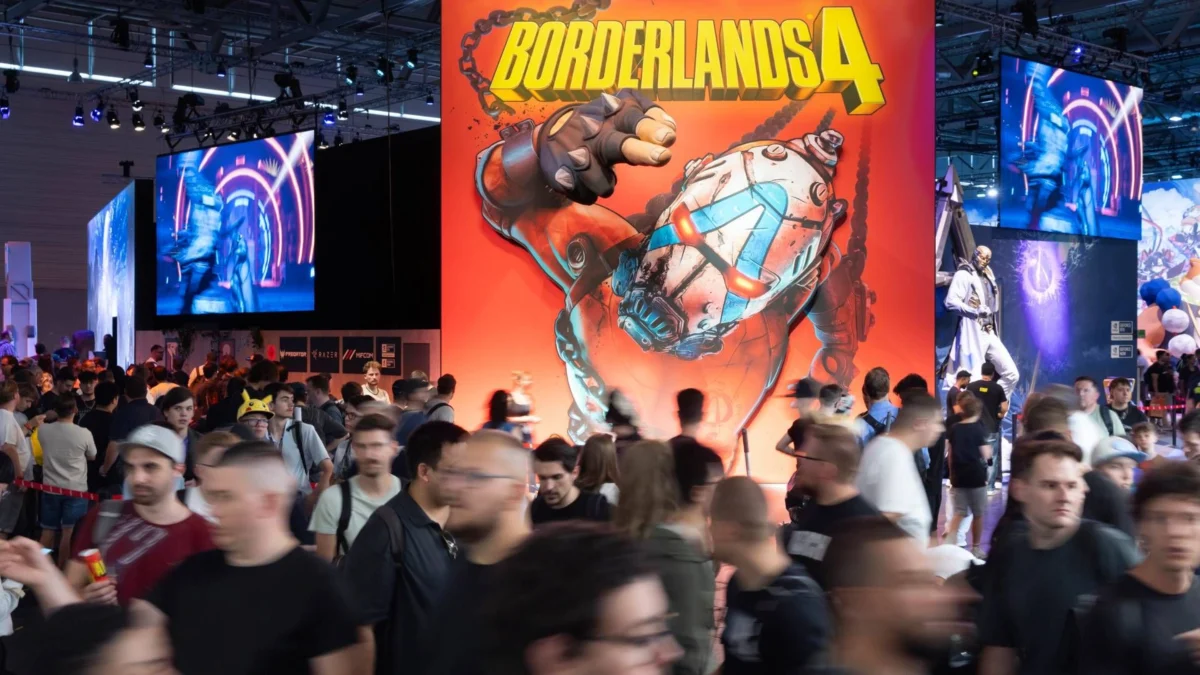
In the landscape of global entertainment, few events have undergone as radical a transformation as Gamescom. What began as a regional trade show in Leipzig in 2002 has, by 2026, cemented its status as the undisputed heavyweight champion of the video game industry. With the formal dissolution of E3—the industry’s former North American pillar—following the global pandemic, Gamescom has effectively stepped into the vacuum, evolving into a hybrid, multi-continental phenomenon that serves as the primary stage for the year’s most significant announcements.
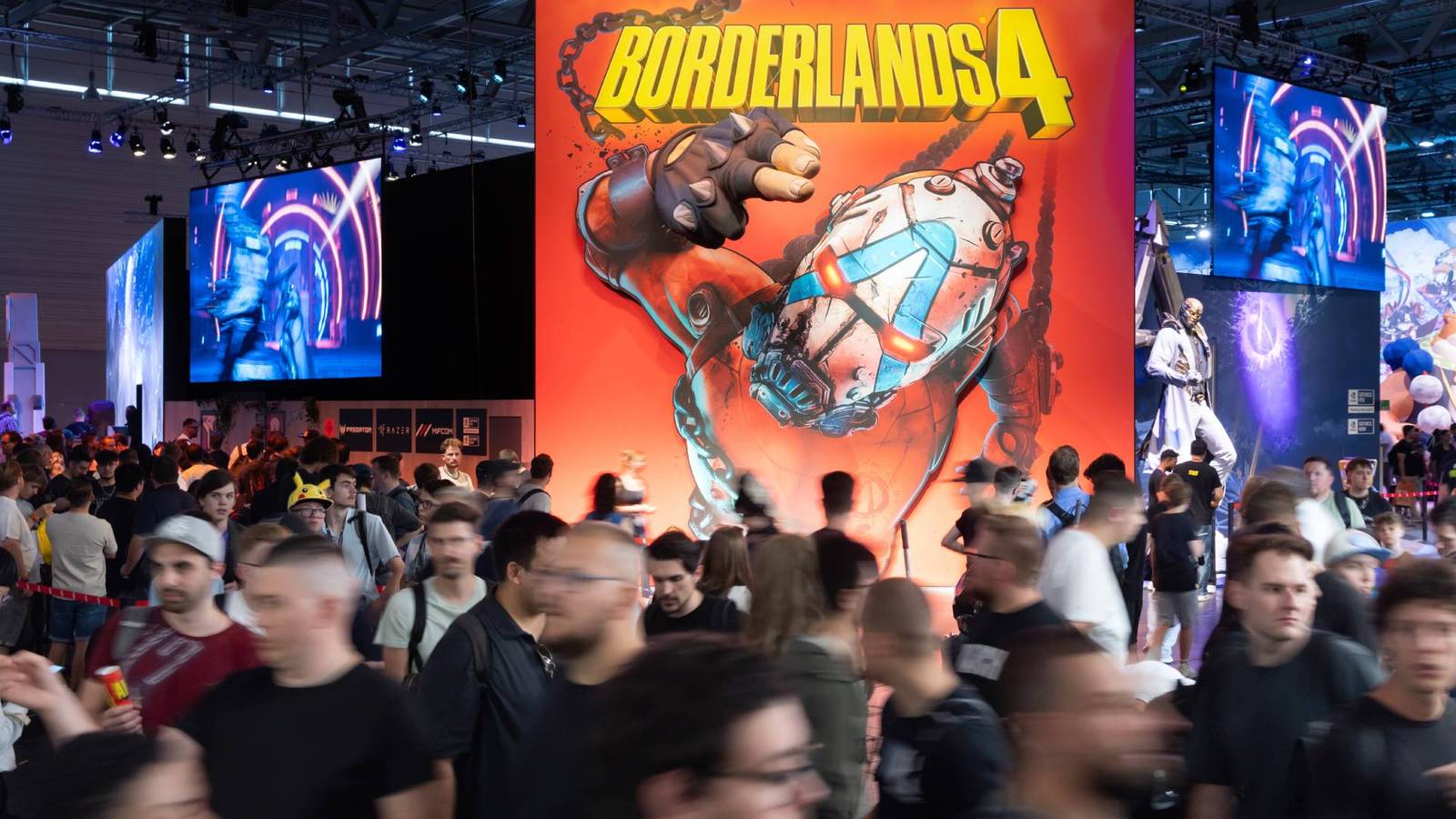
As the industry converges on Cologne, Germany, for the 2026 iteration of the event, the atmosphere is not one of panicked transition, but of calculated expansion. From the glitz of Opening Night Live to the grounded, community-focused social stages, Gamescom has successfully balanced the demands of corporate marketing with the grassroots spirit of the gaming community.
A Chronology of Growth: From Leipzig to Cologne and Beyond
The history of Gamescom is a study in strategic positioning. Originally branded as the "Games Convention," the event struggled for years to find its identity in the early 2000s. Its move to the Koelnmesse in Cologne in 2009 served as a pivotal turning point. By relocating to a major metropolitan hub with robust transit infrastructure, the organizers were able to scale the event in ways that were previously impossible.
Key Milestones in the Gamescom Timeline:
- 2002: The inception of the "Games Convention" in Leipzig, Germany, establishing a European trade presence.
- 2009: The move to Koelnmesse in Cologne, marking the birth of the "Gamescom" brand.
- 2019: Attendance peaks, reinforcing its status as the most visited gaming event globally.
- 2020–2021: The pivot to a digital-first model in response to the COVID-19 pandemic, leading to the creation of the hybrid format.
- 2023–2025: The solidification of the "Opening Night Live" spectacle as a primary global marketing window for AAA publishers.
- 2026: The international expansion reaches a zenith with the first-ever in-person Games Done Quick (GDQ) event held outside of North America.
The Strategy Behind the Spotlight: No Pressure, Only Purpose
Despite the increased global scrutiny that followed the demise of other major industry trade shows, the leadership behind Gamescom remains remarkably calm. There is a palpable sense of confidence in the organization’s long-term vision.
Tim Endres, the director of Gamescom at Koelnmesse, believes the event’s current success is the byproduct of nearly two decades of consistent growth. "Gamescom has grown continuously over recent years, in scale, international relevance, and digital reach, and that is the result of long-term development," Endres stated.
When asked about the "pressure" to fill the void left by E3, Endres frames the shift as a natural progression rather than a stressful mandate. "With E3 no longer taking place, Gamescom has naturally taken on a larger share of the global spotlight. But we don’t feel any pressure. It’s quite the opposite: We are happy and excited to see more people from around the world looking at Gamescom."
This sentiment is echoed by Stefan Heikhaus, the director of Gamescom at the German Games Industry Association. Heikhaus suggests that the organization operates under a "strong responsibility to deliver," but emphasizes that this motivation is rooted in excitement rather than anxiety. By iterating on feedback from exhibitors and visitors, the team has managed to keep the event feeling fresh even as it scales.
Innovation in 2026: The Arrival of Games Done Quick
Perhaps the most significant development for the 2026 show is the integration of Games Done Quick (GDQ). For years, GDQ has been the gold standard for speedrunning, raising millions of dollars for various charities. However, it has historically remained a North American institution.
Bringing GDQ to Cologne marks a major milestone in Gamescom’s strategy to diversify its offerings. The event, scheduled from August 28 to August 30, is not merely a side attraction; it is a full-fledged, three-day speedrunning marathon streamed to millions globally. This partnership serves as a cornerstone for the event’s "community-first" approach, supporting the "Gaming for Democracy" initiative.
The addition of such high-profile community events is a deliberate tactical choice. By integrating speedrunning, developer conferences, and indie showcases, Gamescom is insulating itself against the volatility of the AAA release cycle. If a major publisher decides to pull out of a show, the diverse ecosystem of indie developers and community speedrunners ensures the venue remains vibrant.
Global Reach and Regional Focus
While Gamescom has expanded its footprint through "Gamescom Asia x Thailand Game Show" and "Gamescom LATAM," the question of whether a physical "Gamescom North America" is on the horizon remains a point of intense speculation.
The leadership, however, is clear on their geographic strategy. According to Heikhaus, the focus remains firmly planted on Cologne as the central meeting point. "Our focus is on Cologne as the central meeting point for the global industry and community, supported by our digital formats and our existing international events in Latin America and Asia," he clarified.
This decision highlights a conservative yet highly effective growth strategy. Rather than attempting to replicate the physical Cologne experience in the U.S.—a move that has historically proven difficult for European trade shows—Gamescom is leveraging digital platforms to reach those audiences while maintaining the physical event as the "Mecca" of gaming.
The 2026 Lineup: A Tectonic Shift in Content
The 2026 show is poised to be a watershed moment for game announcements. The industry is currently in the middle of a transitionary period, and the titles slated for the show floor reflect a mix of highly anticipated sequels and bold new IPs.

Confirmed titles generating significant buzz include:
- The Witcher 3: Wild Hunt – Songs of the Past: A massive expansion that has fans of the franchise clamoring for more.
- Dragon’s Dogma 2: Dark Arisen: Building on the cult success of its predecessor.
- Alien: Isolation 2: Perhaps the most anticipated horror sequel in the last decade.
- Fable: A key title for Microsoft’s ongoing strategy.
- Star Wars: Galactic Racer & Metro 2039: High-profile genre entries that highlight the diversity of the floor’s offerings.
Implications for the Future of Trade Shows
The success of Gamescom 2026 offers a blueprint for the future of professional trade events. The era of the "exclusive industry-only" show is fading. In its place, the "hybrid-community" model has emerged as the only viable path forward.
By merging the professional developer conference with massive public-facing consumer engagement, Gamescom has created a self-sustaining loop. Developers get to talk to their peers and press, while the public gets to engage with the creators directly. The inclusion of streamers, speedrunners, and social stages has effectively turned a static trade show into a living, breathing media broadcast.
As we look toward the latter half of the decade, the implications are clear: the power of a trade show no longer rests in the gatekeeping of news. Instead, it rests in the ability to provide an experience that cannot be replicated from behind a screen. Whether through the communal energy of a speedrun charity drive or the collective excitement of a midnight reveal trailer, Gamescom has successfully positioned itself not just as a location on a map, but as the heartbeat of the global gaming industry.
As the doors of the Koelnmesse open in late August 2026, the industry isn’t just looking for trailers—it’s looking for the next chapter of gaming culture. And if the last seven years are any indication, Gamescom is more than ready to write it.