By Elijah Gonzalez
Published August 27, 2026
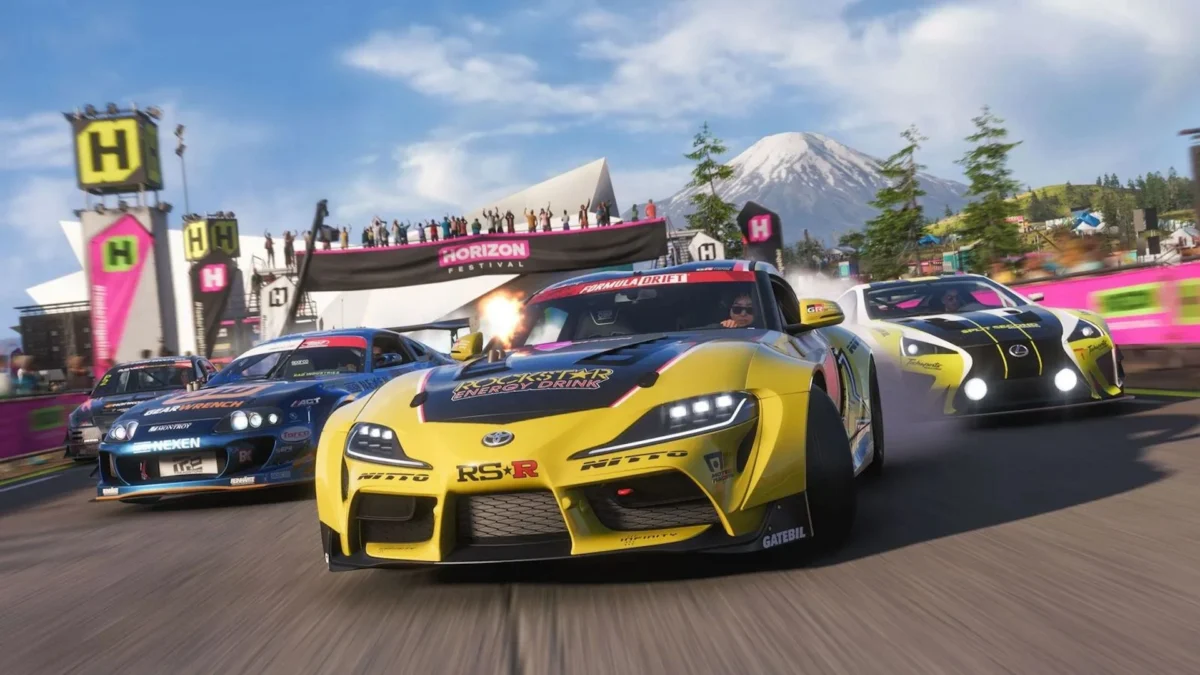
The era of cross-platform harmony, once heralded as the future of the video game industry, appears to be rapidly dissolving. After a brief period of détente, the "console wars"—a term many industry analysts hoped had been relegated to the history books—are back in full force. The latest flashpoint in this escalating conflict is the quiet, indefinite delay of the PlayStation 5 port of Forza Horizon 6, a move that signals a tectonic shift in Microsoft’s gaming philosophy.
Following reports from The Verge’s Tom Warren and subsequent confirmation by IGN, it is clear that Xbox has hit the brakes on its multiplatform expansion plans. What was once viewed as a inevitable progression toward a platform-agnostic future is now being replaced by a defensive, isolationist strategy, leaving players, developers, and shareholders to wonder what this means for the next generation of gaming.
The Facts: A Quiet Pivot
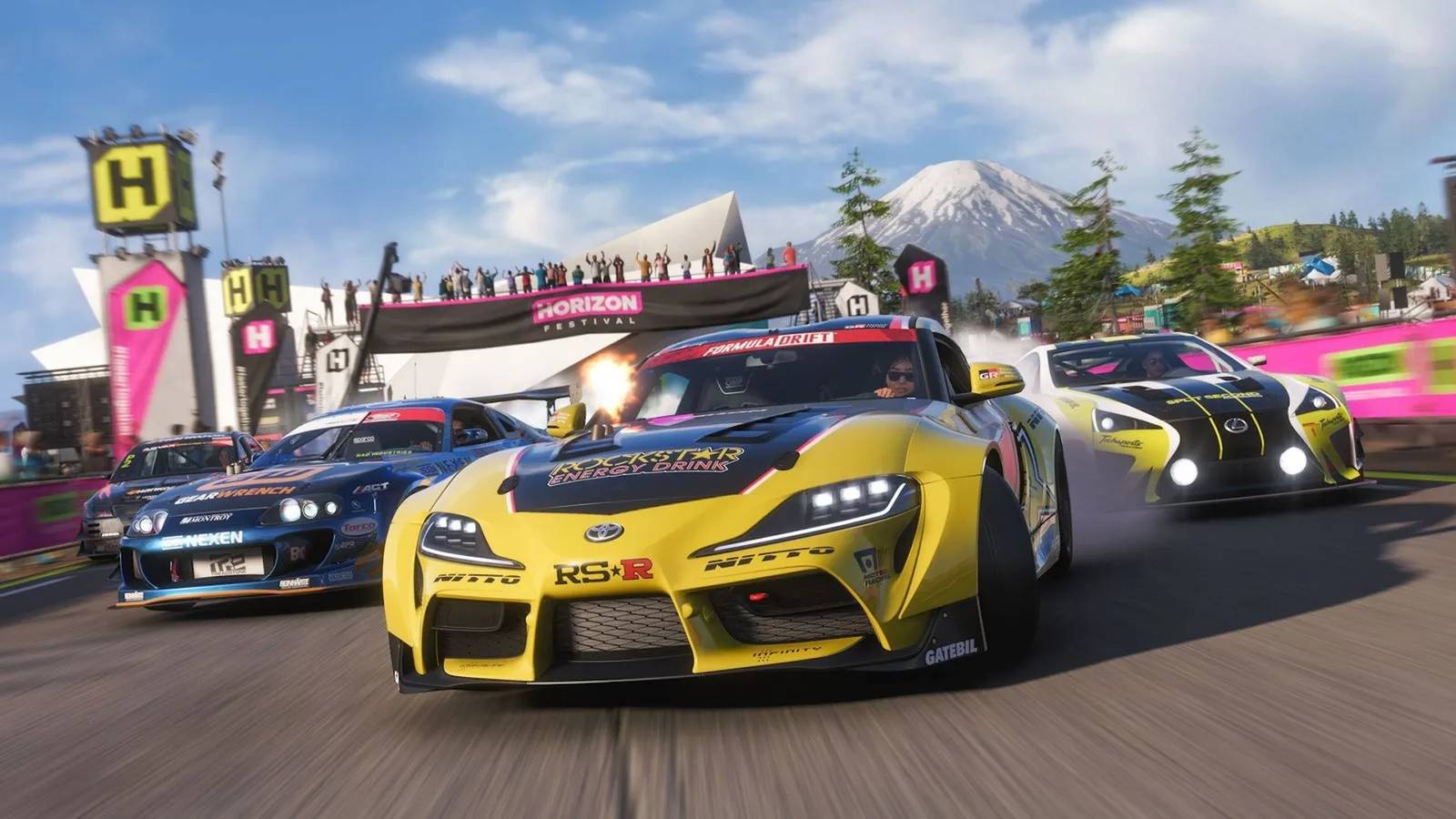
Forza Horizon 6, the latest iteration of Playground Games’ critically acclaimed racing franchise, was originally slated to arrive on Sony’s PlayStation 5 later this year. The announcement, made during the game’s initial marketing cycle, was intended to showcase a "new era" for Xbox—one where software accessibility superseded hardware tribalism.
However, sources close to the development indicate that the port has been "scrubbed" from current internal roadmaps. This change in direction did not occur in a vacuum. It follows a tumultuous year for the Xbox division, defined by executive turnover, significant workforce reductions, and a top-down mandate to refocus on the strength of the Xbox ecosystem.
A Chronology of the Reset
To understand why Forza Horizon 6 is being pulled from its PS5 launch pad, one must look at the timeline of Microsoft’s internal volatility over the past eight months:
- February 2026: Asha Sharma is appointed CEO of the Xbox Game Division. Her tenure begins with a mandate to stabilize the division’s finances, which have faced mounting pressure from declining hardware sales and the rising costs of AAA development.
- May 2026: Sony, sensing the shifting winds, begins its own internal pivot. Reports surface that PlayStation is scaling back its aggressive expansion into the PC market, signaling a return to its "Only on PlayStation" identity.
- June 2026: CEO Asha Sharma announces "The Next 100 Days," a comprehensive reset for the Xbox brand. The initiative focuses on cutting overhead and re-evaluating the ROI of multiplatform publishing.
- July 2026: The situation reaches a boiling point. Microsoft announces the layoff of 3,200 employees across the Xbox division and confirms the shuttering of several subsidiary studios.
- August 2026: The Forza Horizon 6 delay is confirmed via industry reports, following the earlier "silent cancellation" of the Gears of War: E-Day PlayStation port.
This rapid sequence of events reflects a company in survival mode. The dream of selling software to every gamer, regardless of the console under their TV, has been superseded by the need to protect the value proposition of the Xbox hardware platform itself.
Supporting Data: Why Exclusivity is Returning
The industry is currently facing a "perfect storm" of economic pressures that have incentivized a return to walled gardens.
The Cost of Hardware
Gaming hardware, once a loss-leader intended to drive software sales, has become an increasingly expensive proposition. As of July 2026, the PS5, Xbox Series X|S, and the nascent Nintendo Switch 2 have all seen significant retail price hikes. Manufacturers are no longer comfortable subsidizing hardware costs when software margins are compressed by the sheer scale of modern development budgets, which frequently exceed $300 million per title.
The Tariff Factor
Complicating matters further are the current geopolitical tensions impacting manufacturing. New tariffs introduced by the Trump administration have targeted electronics imports, forcing console manufacturers to pass costs down to the consumer. As hardware becomes more expensive, the "value add" of an exclusive title becomes a critical tool for persuading a consumer to choose one brand over another in an inflationary environment.
The "Only on PS5" Narrative
Sony’s recent marketing shift has been equally telling. A sizzle reel released in early August explicitly highlighted a library of upcoming titles with the branding "Only on PS5." This is a direct, calculated response to the previous years of "softening" boundaries. Sony is betting that exclusivity remains the strongest psychological trigger for hardware adoption, and Microsoft, by pulling Forza, seems to have conceded the point.
Official Responses and the "Promise" Dilemma
The communication from Microsoft leadership has been, at best, contradictory. Xbox Chief Content Officer Matt Booty previously stated on record that, "if we promised something to players, we’re going to honor that promise." This statement was intended to calm the waters regarding the multiplatform roadmap.
However, the internal reality is far more nuanced. Booty later added a caveat that, while multiplayer-centric titles—which rely on large, platform-agnostic player bases—would likely remain multiplatform, single-player and flagship franchise titles are a different matter. "We know that exclusives are important," Booty noted. This distinction suggests that Forza Horizon 6, a game with significant single-player content, was deemed too valuable an asset to share with a primary competitor.
For the player, this creates a frustrating reality: the promises of the past are being overwritten by the fiscal realities of the present.
Implications for the Industry
The return to rigid exclusivity carries profound implications for the future of gaming.
1. Fragmentation of the Player Base
The industry had spent years moving toward cross-play and cross-progression. By pulling back, manufacturers are once again siloing players. If Forza Horizon 6 remains Xbox-exclusive, a massive segment of the racing community is effectively locked out, fragmenting the social and competitive ecosystem of the game.
2. The Death of the "Netflix of Games"
Many analysts speculated that Xbox’s strategy was to pivot into a "super-publisher" model, similar to how media companies license their content to all streaming platforms. The current reversal suggests that the console hardware remains the anchor of the business model. For investors, this is a signal that Microsoft is not yet ready to give up on the high-margin hardware/software ecosystem loop.
3. Developer Morale and Studio Stability
The cancellation of ports like Gears of War: E-Day and the delay of Forza Horizon 6 have significant impacts on the developers working at these studios. Teams spend years optimizing code for specific hardware environments; when that work is discarded due to a strategic pivot, it leads to burnout, wasted resources, and a loss of creative momentum.
4. Consumer Trust
Finally, there is the issue of consumer trust. In an era where digital purchases are increasingly ephemeral, gamers expect consistency. When a company announces a title for a platform only to pull it months later, it erodes the relationship between the brand and its audience. The "console wars" were once a fun, albeit intense, competition between brands; today, they feel like a cold, calculated exercise in market protectionism.
Conclusion: The Long Road Ahead
As we look toward the remainder of 2026, the industry finds itself at a crossroads. The dream of a frictionless, multiplatform future has been put on hold, sacrificed at the altar of quarterly earnings and hardware market share.
While the delay of Forza Horizon 6 is ostensibly a tactical move to boost Xbox hardware sales, it represents a larger, more cynical reality: the industry is retreating into its trenches. Whether this strategy will lead to a resurgence in Xbox’s market position or further alienate a consumer base that has become accustomed to choice remains to be seen. One thing is certain: the trenches are deeper than ever, and the console wars, despite our best hopes, are far from over.