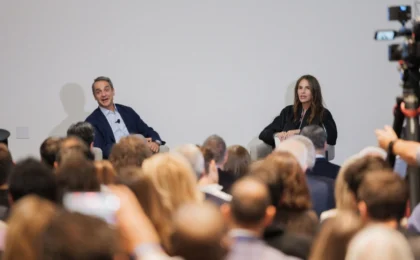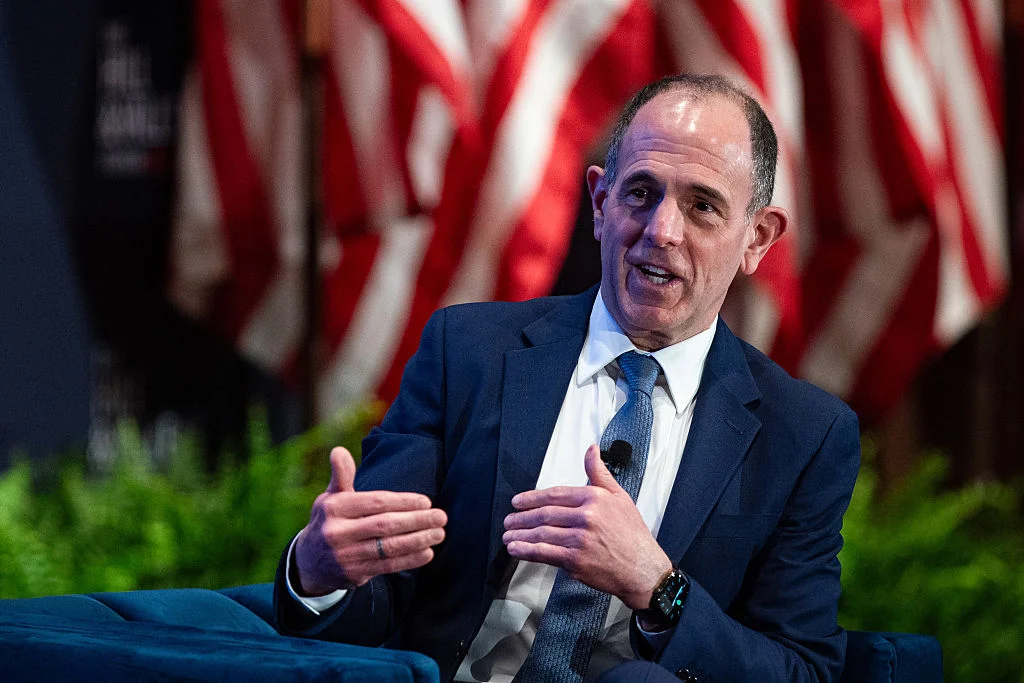
After a two-year hiatus from the New York City event circuit, StrictlyVC—the boutique, high-signal event series powered by TechCrunch—is making a highly anticipated return. On Thursday, September 10, the cobblestone streets of Manhattan’s West Village will play host to a curated assembly of venture capital’s most provocative thinkers and industry-defining founders.
In a departure from the "Vest Village" aesthetic of San Francisco’s Mission Bay, this evening promises an atmosphere of intimate, intellectual rigor. Having successfully navigated a global circuit this year—including packed sessions in San Francisco, Los Angeles, and Athens—StrictlyVC arrives in New York with a mission to deconstruct the current venture landscape, address the shifting paradigms of AI, and explore the future of human-centric commerce.
The Main Event: A Deep Dive into Venture Dynamics
The evening is structured around a series of "fireside" sessions designed to peel back the layers of the current investment climate. As the venture industry grapples with questions of valuation, the commoditization of capital, and the existential impact of AI, the StrictlyVC program aims to provide not just headlines, but the strategic underpinnings of the next decade of growth.
Keith Rabois: The Provocateur of the East Coast
Kicking off the night is Keith Rabois, a figure whose reputation for unfiltered candor precedes him. Having recently relocated from Silicon Valley, Rabois continues to challenge the status quo. His investment philosophy—which leans heavily into bold, contrarian bets—will be under the microscope.
Key topics of discussion will include:
- The Over-Capitalization Trap: Rabois is expected to offer a searing critique of founders who raise excessive capital simply because the market allows it, arguing that such moves often stifle the very innovation they aim to accelerate.
- The Khosla-OpenAI Connection: As a key voice within the Khosla Ventures ecosystem, Rabois will reflect on the firm’s prescient $50 million check into OpenAI in 2019. At the time, the investment was seen as a massive risk with no clear revenue path; today, it is the benchmark for AI-era venture success.
- The OpenAI Headwinds: With rumors of internal friction and increasing competition, Rabois will provide his assessment of whether OpenAI’s dominance is slipping or if it remains the only game in town.
Chronology and Program: A Strategic Agenda
The event is designed to flow from the macro-level shifts in venture capital to the granular, human-centric challenges of the current tech ecosystem.
Part I: The Intersection of Capital and Community
Following the Rabois session, the stage shifts to a unique collaborative dialogue between Craig Shapiro, founder of Collaborative Fund, and Jason Levien, CEO of D.C. United.
This segment moves beyond traditional tech metrics to examine the "sports-as-business" thesis. As venture capital firms increasingly eye sports organizations not just as assets but as platforms for community and commerce, Shapiro and Levien will dissect how fandom, digital media, and traditional real-estate-heavy sports models are colliding. It is a rare opportunity to see an investor and an operator bridge the gap between stadium-level engagement and digital venture scaling.
Part II: Building for a Human-Centric Future
The latter half of the evening focuses on the "human cost" of the digital revolution. Tristan Walker and Brynn Putnam will explore how their latest ventures are countering the isolationist tendencies of modern technology.
- Tristan Walker (Heirloom Craft): After his successful exit to P&G, Walker is pivoting toward the tangible. His latest venture, Heirloom Craft, is a direct response to the erosion of American artisan manufacturing. The conversation will center on whether technology—specifically AI—can be used to revitalize traditional supply chains rather than just replace human labor.
- Brynn Putnam (Board): Known for the rapid rise and $500 million exit of Mirror to Lululemon, Putnam is now building "Board." Her focus is on the "antidote" to isolation. By blending physical board gaming with AI-assisted creation, Putnam is betting that the next wave of successful consumer tech won’t be about keeping users behind a screen, but about using tech to facilitate physical proximity.
Part III: The Institutional Perspective
The evening concludes with Deven Parekh, a managing partner at Insight Partners. Having steered the New York-based firm for over 25 years, Parekh is one of the few voices capable of contextualizing the massive structural changes in the venture industry.

As asset classes blur and the industry sees an influx of massive, late-stage funds, Parekh will address the "commodity of capital" problem. If everyone has access to the same dry powder, how does a legacy powerhouse maintain its edge? This rare public appearance is a critical highlight for attendees interested in the institutional mechanics of private equity and venture growth.
Supporting Data and Market Context
The urgency of these conversations is supported by the current market data. Following the "AI Gold Rush" of 2023 and 2024, the market has entered a phase of rationalization.
- Capital Efficiency: According to recent industry reports, the median burn rate for early-stage startups has decreased by 18% year-over-year as investors demand a clearer path to profitability.
- The Rise of Non-Traditional VCs: The discussion with Craig Shapiro reflects a broader trend of "Lifestyle and Community" venture funds. Data indicates that investments in community-focused startups have seen a 12% uptick in early-stage allocation over the last six quarters.
- The "Reshoring" Trend: Tristan Walker’s move into artisanal manufacturing aligns with a broader macroeconomic trend of "reshoring" critical supply chains, a sector that saw record-high venture interest in the first half of 2024.
Official Responses and Industry Sentiment
The return of StrictlyVC to New York is being viewed as a signal of the city’s growing importance in the global tech hierarchy. While Silicon Valley remains the headquarters of innovation, New York’s concentration of finance, media, and commerce provides a unique "real-world" testing ground for AI and consumer tech.
"We aren’t just looking for the next SaaS unicorn," says a spokesperson for the event organizers. "We are looking for founders who are addressing the ‘human’ side of the tech equation. From local journalism to physical craftsmanship, the themes this year are about sustainability—not just environmental, but social."
Industry analysts note that the inclusion of figures like Deven Parekh signifies a shift in tone. "When you have the leaders of $20 billion firms agreeing to speak in an intimate, boutique setting, it shows that the industry is looking for nuance," says Sarah Jenkins, an industry analyst specializing in venture cycles. "The era of ‘growth at all costs’ is over. We are in the era of ‘growth with purpose.’"
Implications: What This Means for the Future of VC
The lineup and structure of the September 10th event offer several key implications for the broader venture capital landscape:
- The End of the "Pure Software" Hegemony: The presence of founders like Tristan Walker and Brynn Putnam suggests that the "next big thing" in venture may not be another software-as-a-service platform, but rather companies that integrate physical experiences with digital tools.
- Professionalization of "Anti-Tech" Sentiment: Technology is beginning to build tools that actively combat screen addiction and loneliness. This is no longer a niche market; it is becoming a core investment thesis for top-tier firms.
- Institutional Adaptability: The conversation with Deven Parekh highlights the struggle of the "incumbent" investor. As venture capital becomes a commodity, the firms that survive will be those that provide, as the organizers put it, "more than just a check"—they must provide network, mentorship, and deep-industry operational experience.
Conclusion
As the sun sets on the West Village on September 10, the discussions held in that room will likely echo throughout the boardrooms of venture firms for months to come. With a blend of high-level institutional analysis, contrarian founder insights, and a focus on the intersection of human community and technology, StrictlyVC’s return to New York is poised to be the most significant networking and knowledge-sharing event of the fall season.
For those interested in the future of the venture economy, the message is clear: the industry is pivoting. It is moving away from the ephemeral, speculative growth of the past and toward a more grounded, integrated, and human-centric model of innovation.
For more information on the speakers, ticketing, and the full schedule of events, attendees are encouraged to visit the official StrictlyVC NYC event page.