As the calendar turns toward the cooler months and the nights begin to stretch, the cultural appetite for atmospheric horror inevitably spikes. While modern audiences are often inundated with jump-scare-heavy slashers or high-octane supernatural thrillers, there is an enduring, primal appeal to the Gothic tradition: the creaky floorboards of an isolated estate, the oppressive weight of a misty landscape, and the lingering, spectral presence of the past.
In the modern era of streaming, few creators have mastered this specific brand of dread quite like Mike Flanagan. Since his 2018 breakout hit The Haunting of Hill House, Flanagan has established himself as the preeminent architect of television horror. Yet, it is his 2020 follow-up, The Haunting of Bly Manor, that serves as the perfect, contemplative companion for the transition into “spooky season.” While it shares a pedigree with its predecessor, Bly Manor offers a distinct, melancholic, and deeply romantic experience that separates it from the crowded field of horror anthology series.
A Legacy of Gothic Literature: From Henry James to Netflix
Gothic literature has always been characterized by its obsession with history—both the history of the architecture it depicts and the psychological history of its characters. From the crumbling battlements of The Castle of Otranto to the manic intensity of Mary Shelley’s Frankenstein, the genre is defined by a sense of inescapable fate.
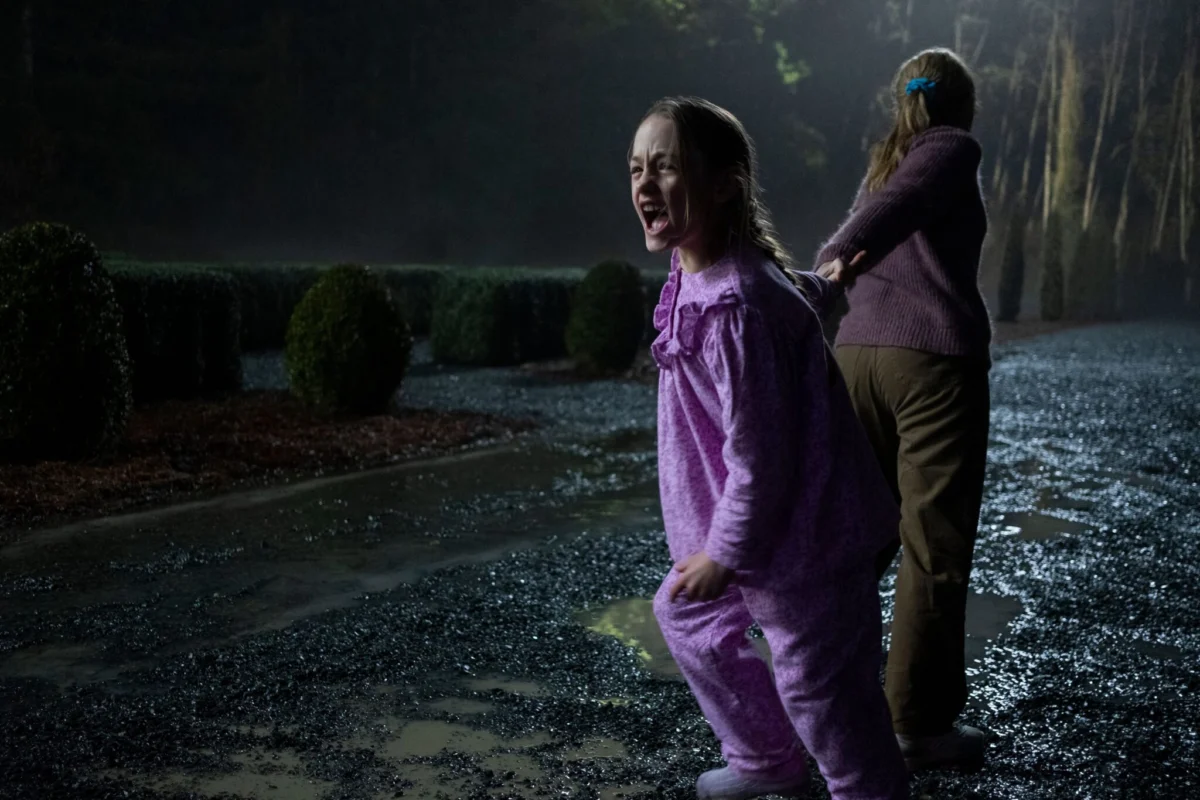
The Haunting of Bly Manor finds its foundation in Henry James’ 1898 novella, The Turn of the Screw. A cornerstone of ghost story literature, James’ work has been adapted dozens of times, ranging from the classic 1961 film The Innocents to various modern reinterpretations. The core premise is deceptively simple: a young governess is hired to care for two orphaned children in a remote English country house. Soon after her arrival, she begins to suspect that the estate is haunted and that the children are under the influence of malevolent, spectral forces.
Flanagan’s adaptation, however, does not seek to be a dry, academic recreation. Instead, it utilizes the skeleton of James’ narrative to build a lush, 1980s-set exploration of trauma and memory. By transplanting the Victorian-era sensibilities into the Reagan era, Flanagan maintains the "hysterical" tension of the original while grounding it in a setting that feels tactile and familiar to modern audiences.
Chronology of a Haunting: The Development of the Anthology
The road to Bly Manor was paved by the runaway success of The Haunting of Hill House. When Netflix released the latter in 2018, it quickly became a cultural phenomenon. Critics praised its ability to balance genuine terror with a poignant, family-centric emotional arc.
- The Foundation (2018): The Haunting of Hill House premieres, establishing the "Flanagan brand" of horror—a blend of psychological depth, long-take cinematography, and a repertory cast that would become his hallmark.
- The Expansion (2019-2020): Flanagan signs a multi-year deal with Netflix, signaling a commitment to expanding the Haunting anthology. Development on Bly Manor begins, with the explicit goal of shifting the tone from the domestic trauma of Hill House to the "Gothic Romance" of Henry James’ wider body of work.
- The Premiere (October 2020): The Haunting of Bly Manor drops on Netflix, garnering immediate attention for its stylistic pivot and its lead performance by Victoria Pedretti, who transitioned from the role of Nell Crain in Hill House to the doomed au pair Dani Clayton.
- The Legacy (2026): Years after its release, the series has solidified its place as a seasonal staple. It remains a fixture on "Best of Horror" lists, consistently recommended during the autumn months for its unique ability to be both terrifying and deeply moving.
The Anatomy of the Manor: Character and Atmosphere
What sets Bly Manor apart from most horror series is its rejection of the "haunted house as a predator" trope. In many horror stories, the house is an antagonist. In Bly Manor, the house is a vessel for grief.
The Protagonist’s Fragility
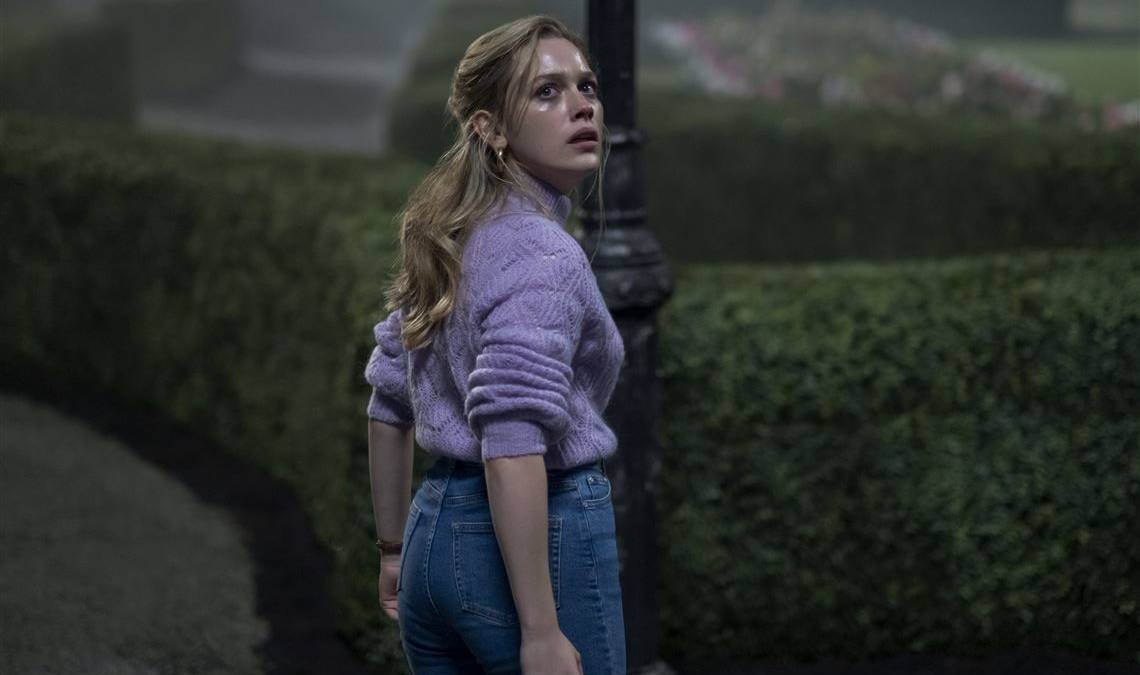
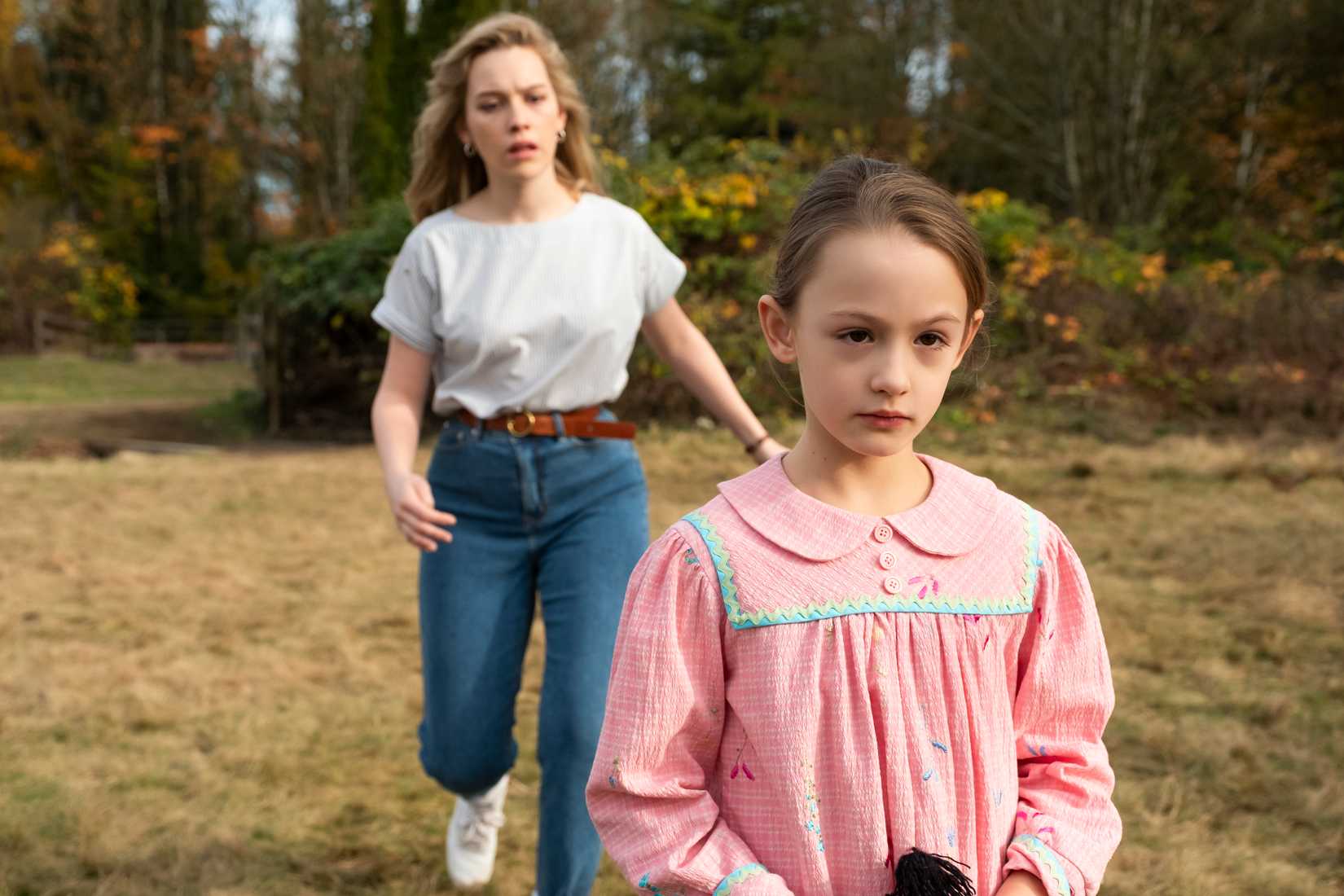
Victoria Pedretti’s portrayal of Dani Clayton is the heartbeat of the show. Arriving from the United States with a haunted past of her own, Dani is not just a governess; she is a woman running from the ghost of her own mistakes. The series masterfully parallels the supernatural hauntings of the estate with the internal hauntings of its inhabitants.
The "Found Family" Dynamic
Unlike the Crain family in Hill House, who were bound by blood and inherited trauma, the residents of Bly Manor are a "found family." The staff, including the enigmatic housekeeper Hannah Grose (played by T’Nia Miller) and the charming chef Owen, create a microcosm of human connection. As Flanagan noted in an interview with Entertainment Weekly, the show is fundamentally a love story. The tension arises not just from the shadows in the hallway, but from the desperate desire of these characters to connect with one another in a place where "dead" doesn’t necessarily mean "gone."
Supporting Data: Why It Works
The critical success of Bly Manor can be attributed to its structural risks. Flanagan did not limit himself to The Turn of the Screw. He infused the season with elements from other Henry James stories, such as The Altar of the Dead and The Romance of Certain Old Clothes.

The mid-season episode dedicated to Hannah Grose is widely cited by critics and fans as a masterpiece of television storytelling. By deconstructing the linearity of time, the episode forces the audience to experience the "haunting" as the characters do: not as a singular event, but as a circular, repetitive struggle against the inevitability of loss. This layering of narrative is what gives the series its shelf life; viewers often report that the show makes more sense—and hits harder—upon a second viewing.
Official Responses and Creative Vision
Flanagan has been vocal about his desire to move away from traditional "jump scare" horror. In his view, the most effective horror is that which explores the human condition.
"If you like Hill House, you’ll likely like Bly Manor," Flanagan has stated. However, he acknowledges the stylistic shift. Hill House was a story about a family that could not let go of the past. Bly Manor is about characters clinging to their memories, even when those memories become ghosts. This distinction is critical: in Hill House, the ghosts are threats; in Bly Manor, the ghosts are often the manifestations of things we are afraid to lose.
The Implications for Modern Horror
The success of the Haunting series has had a profound impact on the genre. It proved that audiences were hungry for "elevated horror"—stories that prioritize character development, slow-burn pacing, and emotional catharsis over cheap thrills.
Furthermore, Bly Manor demonstrates the viability of the "Gothic Romance" on television. By proving that a show can be deeply romantic, tragic, and terrifying simultaneously, Flanagan has opened the door for more nuanced supernatural dramas. The show’s influence can be seen in the subsequent wave of horror series that treat their supernatural elements as metaphors for societal or personal issues, rather than just tools for fear.
Why Revisit Bly This Season?
As we approach the height of the spooky season, the temptation to revisit Bly Manor is strong. Whether you choose to savor it, watching one episode per night, or dive into a weekend binge, the experience is uniquely rewarding.
The beauty of the show lies in its atmosphere: the gray light, the somber score, and the quiet, persistent dread that permeates the grounds. It is a show that invites reflection. It asks the audience to consider their own relationship with their past—what memories do we keep tucked away in the back of our minds? What are the ghosts that we, in our own lives, refuse to let go of?
As summer fades and the leaves turn, The Haunting of Bly Manor stands as a reminder that the best horror stories aren’t those that make us jump, but those that make us feel. It is a masterclass in mood, a testament to the power of Gothic literature, and an essential watch for anyone looking to embrace the melancholy magic of autumn.
If you are looking for a story that lingers long after the credits roll—much like the ghosts of the manor themselves—look no further than the gates of Bly. Just remember: it’s you, it’s me, it’s us.