With a population of 3.5 million, Madrid is not merely the political capital of Spain—it is the country’s pulsating, high-octane heart. While many travelers flock to the Mediterranean shores of Barcelona, Madrid offers a distinct, sophisticated rhythm that rewards those who embrace its "night owl" culture. Here, dinner is a late-night affair, the streets vibrate with energy well past midnight, and the city’s sprawling, sun-drenched plazas serve as the stage for a rich history that spans centuries.
Every year, over 10 million visitors descend upon the city. For the uninitiated, the sheer scale of Madrid can be daunting. From the opulent corridors of the Royal Palace to the hidden, wine-soaked caves of the 17th century, Madrid is a city of layers. This guide serves as a blueprint for a five-day immersion into the capital, balancing iconic landmarks with the quiet, off-the-beaten-path treasures that define the true Spanish experience.
The Facts: Understanding the Madrid Phenomenon
Madrid’s identity is built on a foundation of "Habsburg" grandeur and an artistic legacy that rivals any city in Europe. The city functions on a unique timeline; businesses and social life shift hours later than in Northern Europe, reflecting a cultural prioritization of leisure, socialization, and the "slow life."
Economically and socially, Madrid is a powerhouse. It is a major center for international business, finance, and, crucially, the arts. The "Golden Triangle of Art"—comprising the Prado, the Thyssen-Bornemisza, and the Reina Sofía—houses perhaps the most significant concentration of European masterpieces in the world. Furthermore, the city’s culinary scene is a living history, ranging from the world’s oldest operating restaurant to an increasingly sophisticated plant-based movement that is transforming local gastronomy.
A Five-Day Chronological Itinerary
Day 1: The UNESCO Art Walk
Your journey begins in the "Paisaje de la Luz" (Landscape of Light), a UNESCO World Heritage site since 2021. This area is home to over 40 monuments and historic structures.
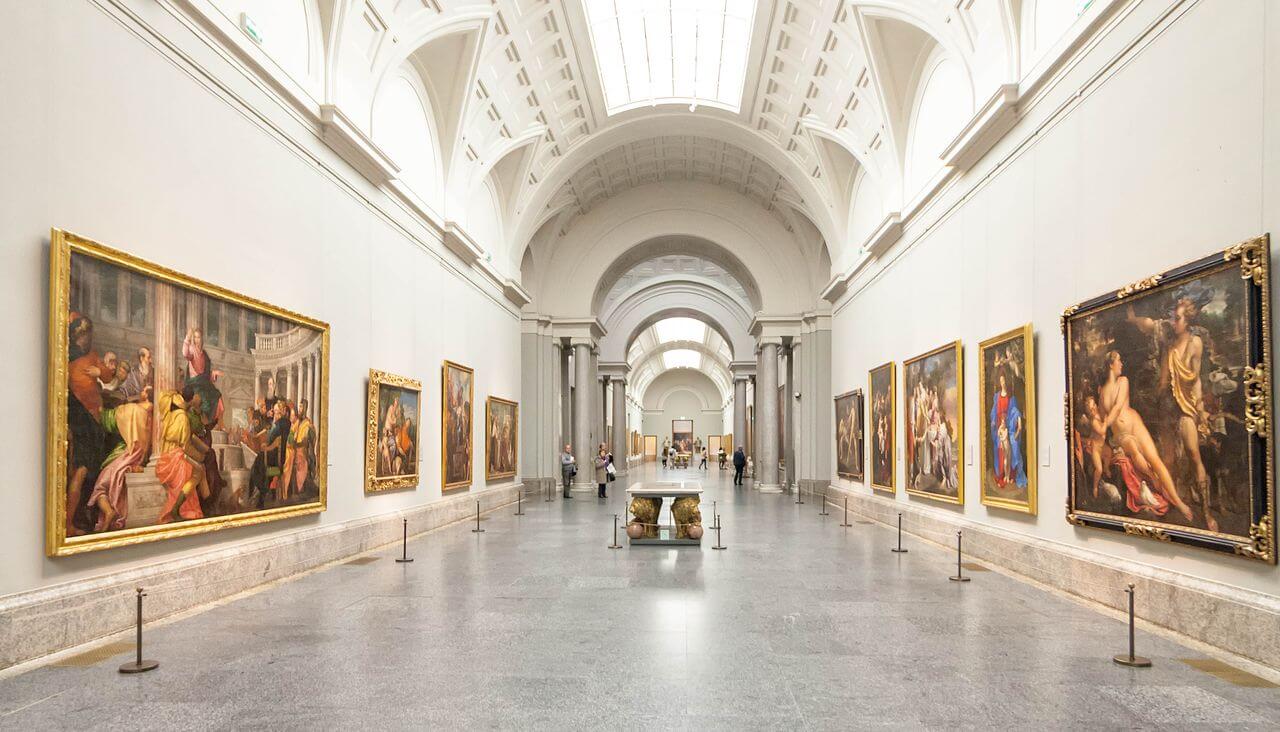
- Morning: Start at the Prado Museum. Devote at least three hours to the works of El Greco, Velázquez, and Goya.
- Afternoon: Stroll the Paseo del Prado toward the Thyssen-Bornemisza, which offers a comprehensive history of art from the Renaissance to Pop Art. Conclude at the Reina Sofía, home to Picasso’s Guernica.
- Evening: Dine at Taberna La Fragua de Vulcano for traditional cocido madrileño, or experience the historic ambiance of the Bodega de los Secretos, located in 17th-century wine caves.
Day 2: The Grandeur of Habsburg Madrid
Delve into the medieval and Renaissance history of the city, known as Madrid de los Austrias.
- Morning: Visit Puerta del Sol, the geographic heart of Spain. Stand on the "Kilometer Zero" plaque and photograph the Bear and the Strawberry Tree statue.
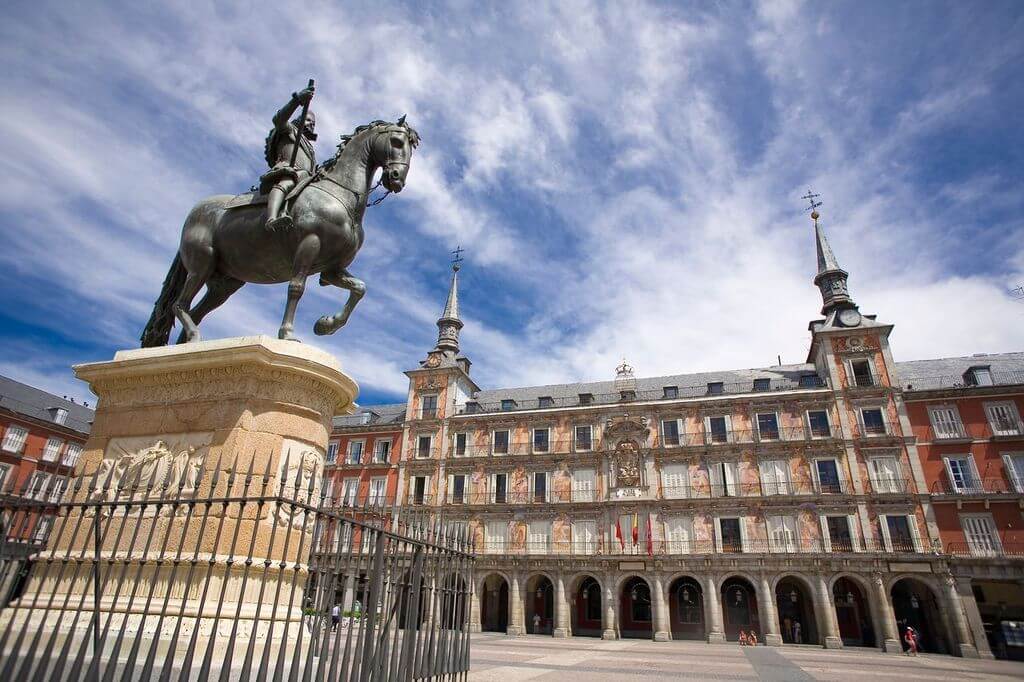
- Mid-day: Wander to Plaza Mayor, once the site of royal tournaments and public executions. Grab a classic calamari sandwich in the nearby alleys for an authentic, budget-friendly lunch.
- Afternoon: Tour the Royal Palace of Madrid. With over 3,400 rooms, it is the largest in Western Europe. While no longer a residence, its state rooms and Royal Armory remain impeccably preserved.
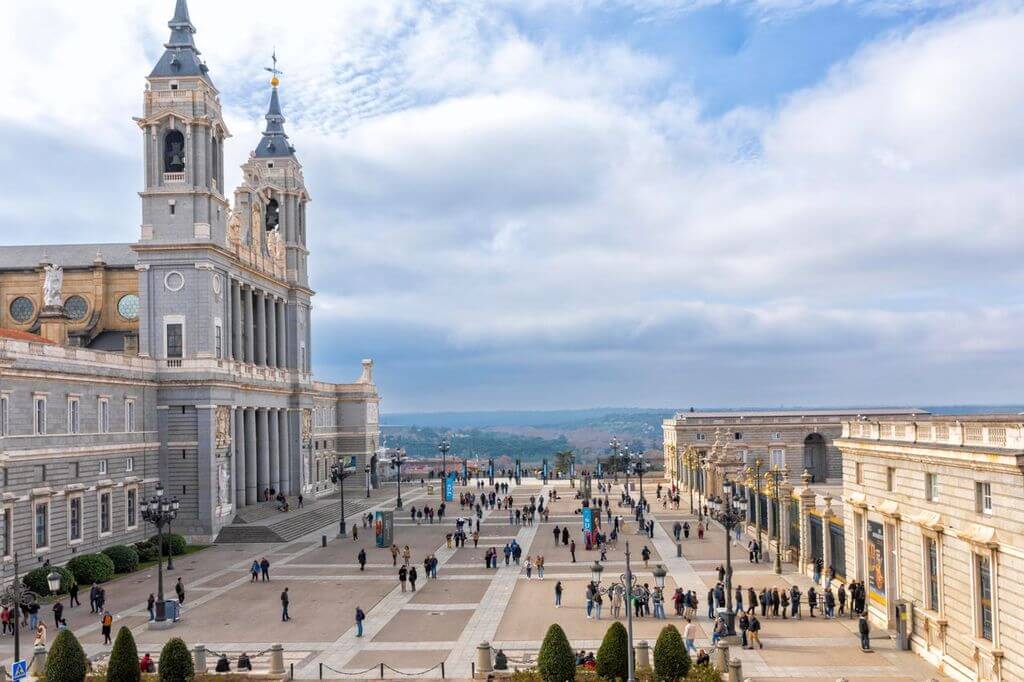
- Evening: Conclude at the Almudena Cathedral. Visit the Neo-Romanesque crypt and climb the dome for a sunset view of the palace.
Day 3: Culinary Discovery
Madrid is a paradise for the palate. This day is dedicated to the intersection of market culture and fine dining.
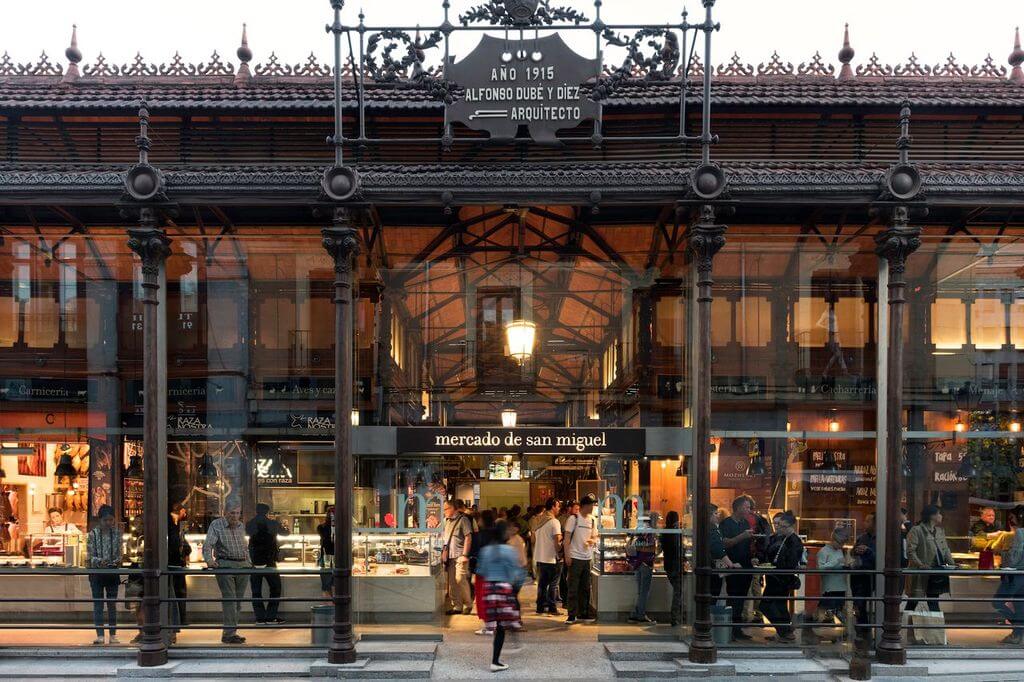
- Morning: Explore the glass-walled Mercado de San Miguel for gourmet tapas. For a more local experience, visit the Mercado de San Antón in the Chueca district.
- Afternoon: Opt for a guided food tour or participate in a "tapas crawl" through the streets of La Latina or Barrio de las Letras.
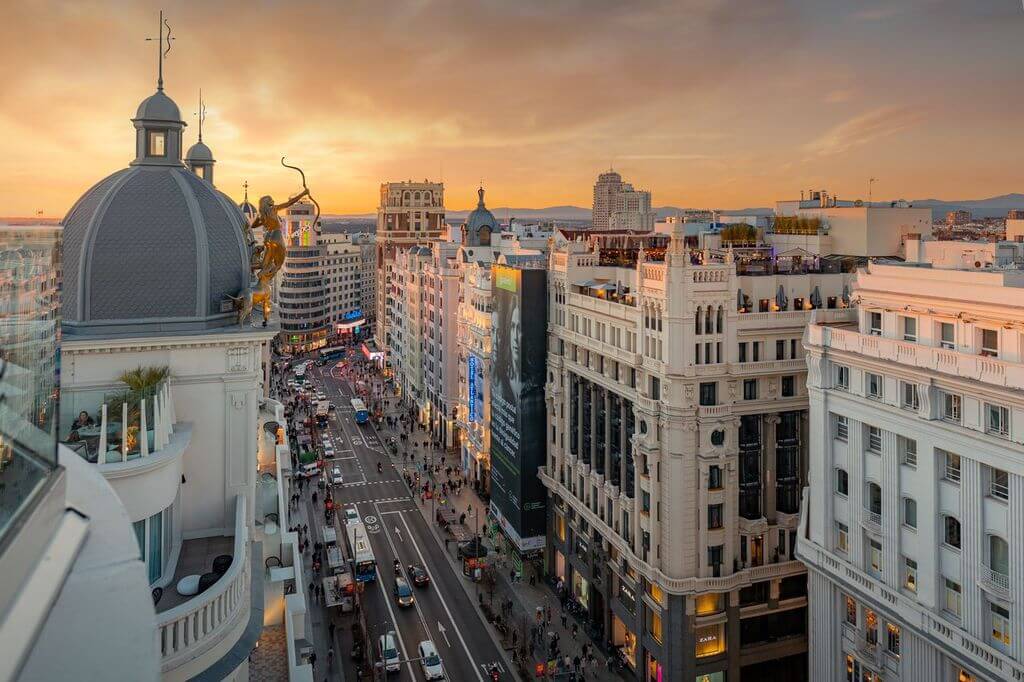
- Evening: For dinner, book a table at Sobrino de Botín, the world’s oldest restaurant, famously patronized by Ernest Hemingway. Cap off the night with cocktails on a rooftop bar along Gran Vía, such as the RIU 360º sky bar, to witness the city’s illuminated skyline.
Day 4: UNESCO Wonders and Imperial History
Madrid serves as the perfect base for exploring Spain’s wider historical heritage.
- Day Trip: Travel 60 minutes to San Lorenzo de El Escorial, a massive monastery and palace complex built by Philip II. Its austere, granite architecture serves as a stark contrast to the city’s later Baroque opulence.
- Alternative: Visit the Royal Palace and Gardens of Aranjuez to see a lush landscape that rivals Versailles, or travel to Alcalá de Henares, the birthplace of Miguel de Cervantes, to walk the streets of the Spanish Golden Age.
Day 5: Off-the-Beaten-Path Treasures
Spend your final day uncovering the city’s quietest secrets.
- Morning: Explore the Monastery of Las Descalzas Reales, a former private palace turned convent that houses a hidden, world-class art collection.
- Afternoon: Visit the Royal Monastery of La Encarnación to view its intricate frescoes and religious relics.
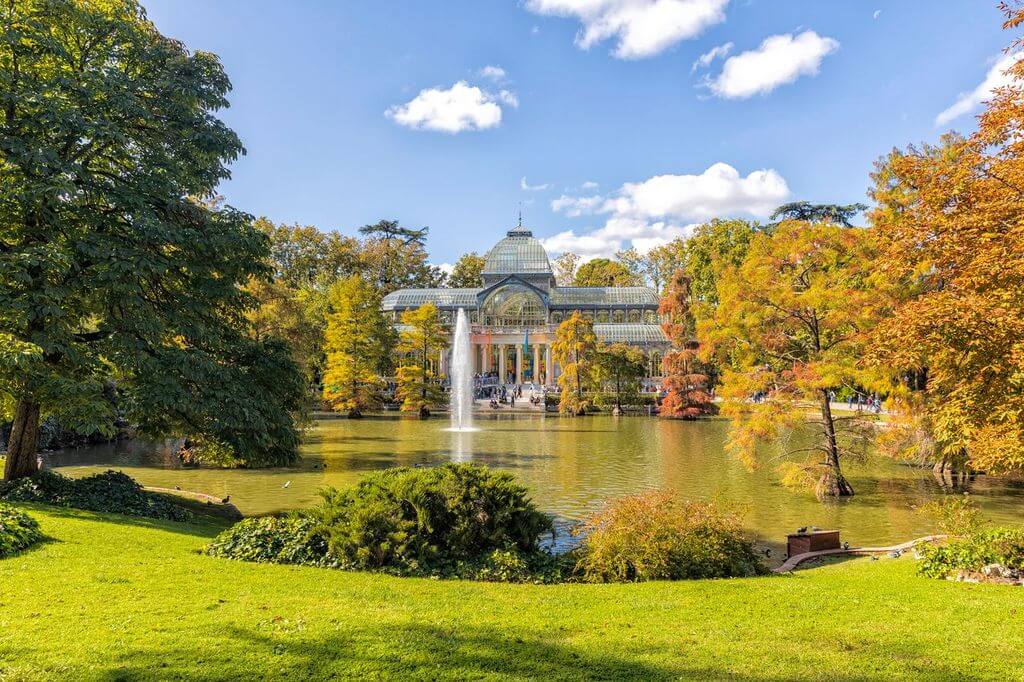
- Evening: Relax in Casa de Campo. Once a royal hunting ground, this 17-square-kilometer park is now the city’s "green lung." Enjoy a meal at a lakeside terrace with a stunning view of the Royal Palace across the water.
Supporting Data: Why Madrid Remains a Top Destination
The longevity of Madrid’s tourism sector is supported by its adaptability. While it maintains its deep-rooted traditions, the city has successfully integrated modern infrastructure.
- Visitor Volume: Over 10 million annual visitors.
- Cultural Density: The city features over 100 museums and historic houses, ensuring that even during peak travel seasons, the crowd is dispersed across a wide range of intellectual and leisure activities.
- Public Transit: Madrid boasts one of the most efficient metro systems in Europe, allowing for rapid movement between the historic center and the outer districts, keeping costs low for the average traveler.
Official Perspectives and Cultural Implications
Local officials and urban planners in Madrid have recently focused on "Sustainable Heritage." The designation of the Paisaje de la Luz as a UNESCO site has shifted the city’s tourism strategy away from high-volume, low-impact foot traffic toward an appreciation of cultural preservation.
The renovation of the Sorolla Museum (reopening in 2026) is a testament to this strategy. By restoring the former residences of Spain’s master artists, the city is offering a more intimate, "slow-tourism" experience. This shift has significant implications for travelers: it encourages longer stays, deeper engagement with local neighborhoods like Malasaña and Chueca, and a move away from the "hit-list" style of sightseeing in favor of a more nuanced understanding of Spanish culture.
Final Logistical Tips
To ensure a seamless experience in Madrid:
- Flights: Use Skyscanner to compare global routes; the city is exceptionally well-connected to international hubs.
- Accommodations: Hostelworld remains the industry standard for budget-conscious travelers, while Booking.com offers the most competitive rates for historic guesthouses and boutique hotels.
- Safety and Security: Always invest in travel insurance. Despite being a safe city, the standard precautions regarding pickpocketing in crowded areas (like Puerta del Sol) apply. Companies offering comprehensive coverage for theft, medical emergencies, and cancellations are essential partners for any European trip.
- Cultural Etiquette: Remember that in Spain, the pace is the point. Do not rush your meals; the best conversations—and the best memories—happen at the table, long after the plates have been cleared.
By embracing the late-night dinners, the historic architecture, and the vibrant, artistic soul of the city, you will find that Madrid is not just a destination to visit, but a culture to inhabit.