To the casual observer, Spirit Halloween is a retail phantom. Each September, the orange-and-black banners materialize in the skeletal remains of shuttered Sears or bankrupt Bed Bath & Beyond locations. By the first week of November, the stores are hollowed out, the animatronic zombies are packed away, and the storefronts return to their silent, dusty vigil. To the consumer, Spirit is a seasonal convenience; to the internet, it is a recurring meme about the volatility of the American mall.
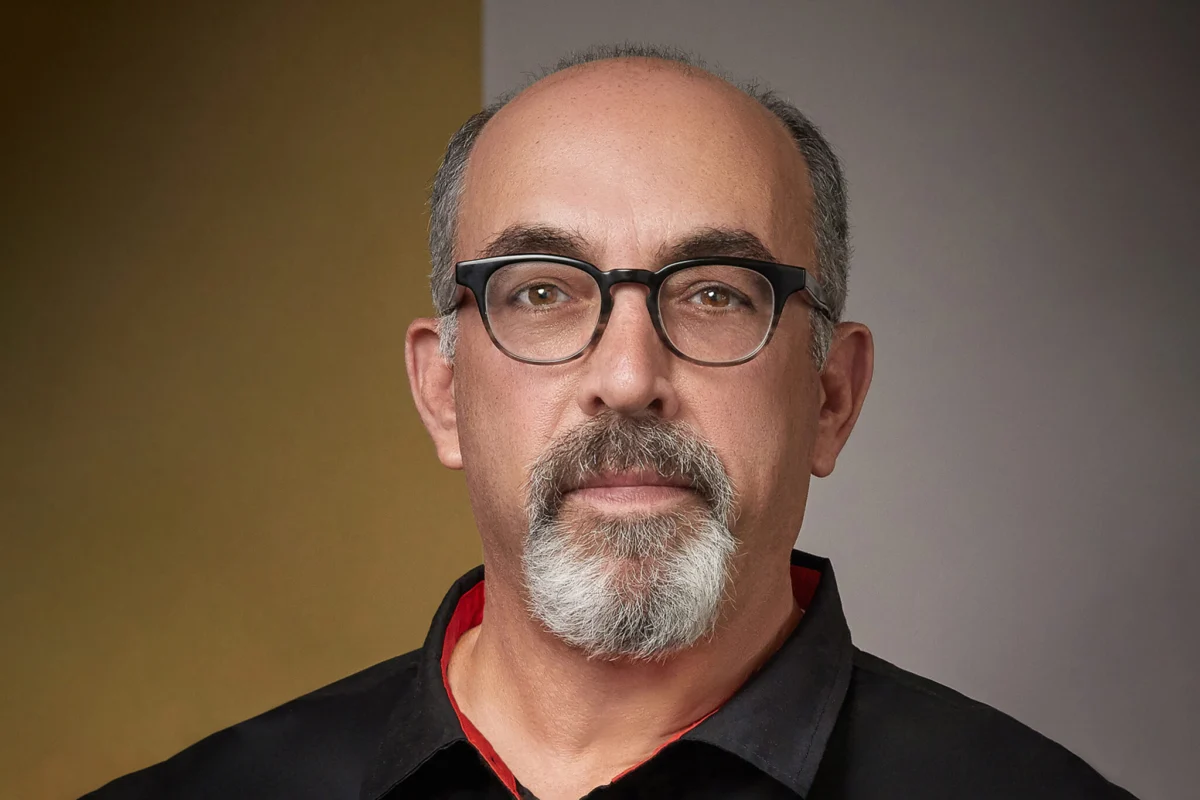
But to Steven Silverstein, CEO of Spencer Spirit Holdings, there is nothing ephemeral about the business. "There’s nothing temporary about a temporary store," Silverstein recently told Fortune. "We are 24/7, 365 Halloween, and you just don’t see it."
Behind the "pop-up" facade lies one of the most sophisticated logistical operations in modern retail—a vertically integrated juggernaut that has not only survived the "retail apocalypse" but has begun to swallow the very competitors and mall staples that once overshadowed it. With the recent acquisition of Hot Topic and the collapse of its primary rival, Party City, Spirit Halloween has moved from the fringes of the shopping center to the center of a new, fandom-driven retail economy.
Main Facts: The Scale of the Spirit Empire
The numbers behind Spirit Halloween’s "eight-week" business model are staggering. Under Silverstein’s leadership, the chain has expanded from a modest 130 locations in 2003 to approximately 1,600 stores across North America today.
In 2023, Moody’s estimated that Spencer Spirit Holdings—the parent company that also owns the mall staple Spencer’s—generated roughly $1.9 billion in revenue. Remarkably, Spirit’s two-month operational window contributes a larger share of that annual revenue than Spencer’s year-round operations.
The company’s footprint grew exponentially in late 2024 and early 2025. Following the second bankruptcy and subsequent liquidation of Party City, Spirit moved to occupy the vacuum left by the closure of nearly 700 rival stores. By the fall of 2025, an analysis of store locations revealed that approximately 100 Spirit Halloween outlets were operating out of former Party City buildings.
The most significant shift in the company’s trajectory occurred in late 2025, when Spencer Spirit Holdings completed the acquisition of Hot Topic, BoxLunch, and Her Universe from Sycamore Partners. This deal brought more than 3,000 total retail locations under Silverstein’s purview, consolidating a massive share of the "alternative" and "fandom" retail market under one roof.
Chronology: From Cardboard Boxes to Retail Theater
The evolution of Spirit Halloween is a study in the transformation of retail from a transactional experience to an entertainment-based one.
The Traub Influence (1985–2003)
Silverstein’s approach to Spirit was forged at Bloomingdale’s, where he began his career in 1985 under the legendary CEO Marvin Traub. Traub was a pioneer of "retail theater," famous for transforming department stores into international festivals. Silverstein carried this philosophy through a stint at Linens ‘n Things before joining Spencer’s in 2003. At the time, Spirit stores were rudimentary: fixtures were made from shipping boxes wrapped in black plastic, and checkout counters were fashioned from cement blocks and 2×4 lumber.
The Birth of the ISE (2005)
The turning point for the brand’s identity occurred in 2005. Silverstein encountered a Chicago store manager who had independently constructed a elaborate pirate ship display, complete with a skeleton pilot and flickering lights. Recognizing the potential, Silverstein brought the manager to the corporate headquarters in New Jersey to standardize the concept.
This birthed the "In-Store Experience" (ISE)—massive, themed animatronic displays that serve as the centerpiece of every location. Fans now treat these themes (such as 2024’s "Camp Harbor Lake") with the same fervor as film releases, attempting to guess the theme months in advance.
Consolidation and Dominance (2024–2025)
While the mid-2010s saw the rise of Amazon as a threat to seasonal retail, Spirit leaned into its physical presence. The collapse of Party City in early 2025 removed Spirit’s only direct specialty competitor. By August 2025, the acquisition of Hot Topic signaled Spencer Spirit’s intent to dominate the "culture" niche year-round, moving beyond seasonal costumes into the broader world of licensed apparel, anime, and gaming merchandise.
Supporting Data: The Logistics of a "Web of Activity"
How does a company build 1,600 stores simultaneously and then dismantle them 60 days later? The answer lies in a meticulously timed logistical choreography that begins nearly a year in advance.
- Manufacturing: Spirit designs, develops, and sources 75% to 80% of its merchandise in-house, primarily through factories in Asia. This vertical integration allows for higher margins and tighter control over inventory than competitors who rely on third-party wholesalers.
- Shipping & Distribution: Goods begin moving across the ocean in April. Because the physical stores do not yet exist, the company utilizes a tiered distribution system. Cargo is sent to five primary North American distribution centers, then dispersed to 63 third-party logistics (3PL) sites. Each 3PL site stages the inventory for 25 to 30 specific stores, "virtually" creating the store in a warehouse before a single lease is signed.
- The Labor Force: Spirit scales its workforce from a corporate core to over 52,000 seasonal employees in a matter of weeks. Silverstein utilizes an "inverted pyramid" management structure, where the seasonal front-line workers are empowered as the most critical stakeholders in the company’s success.
- Real Estate Arbitrage: The company’s real estate strategy is purely opportunistic. Spirit does not pay market-rate rent; instead, it pays landlords a lump sum for space that would otherwise sit vacant. "We’re the empty seat on the airplane," Silverstein explains. This model benefits landlords by generating revenue and driving foot traffic to struggling shopping centers, which in turn helps neighboring permanent tenants.
Official Responses: "Wants, Not Needs"
Silverstein is candid about the psychological driver behind his business. In an era where "essential" retail is dominated by Walmart and Amazon, Spirit thrives on the non-essential.
"We don’t sell anything anybody needs. We only sell things you have to have," Silverstein told Fortune. "It’s based on wants, not needs."
This philosophy extends to the company’s branding. Spirit has embraced its status as a cultural icon, refusing to fight the memes that circulate on social media. When Saturday Night Live aired a parody skit during its 50th anniversary season mocking Spirit’s habit of occupying "dead" businesses, Silverstein didn’t issue a cease-and-desist. Instead, the company leaned in, jokingly releasing a "50-year-old comedy show" costume package.
"When SNL did the skit, hey, that’s the highest form of flattery," Silverstein said. This "alternative marketing" strategy—relying on viral memes, storefront visibility, and high-profile partnerships with brands like Chipotle, Dunkin’, and Goodyear—has allowed Spirit to maintain a massive cultural footprint with minimal traditional advertising spend.
Implications: The Future of Experiential Retail
The rise of Spencer Spirit Holdings and the acquisition of Hot Topic point toward a significant shift in the retail landscape. As traditional department stores and generalists struggle, "specialist" retail—focused on fandom, identity, and experience—is proving resilient.
1. The "Pop-Up" as a Permanent Strategy
Spirit has proven that "temporary" does not mean "unstable." By avoiding the overhead of year-round leases and 12-month staffing for all 1,600 locations, the company has created a de-risked model that can survive economic downturns. This "flash retail" model may become a blueprint for other seasonal industries looking to minimize physical footprints.
2. The Consolidation of Youth Culture
By bringing Hot Topic and BoxLunch into the fold, Silverstein has created a "lifestyle" powerhouse. Hot Topic, which defined mall culture for Gen X and Millennials, has successfully pivoted to anime and gaming fandoms. Combined with Spirit’s dominance in Halloween, Spencer Spirit Holdings now owns the "identity" market for three generations of consumers.
3. Retail as Entertainment
The success of the "In-Store Experience" (ISE) suggests that for physical retail to survive, it must offer something the internet cannot: a sensory event. Silverstein’s "five senses retail" ensures that customers don’t just visit Spirit to buy a mask; they visit to see the show. As e-commerce continues to commoditize the "need" market, the "want" market will increasingly rely on these theatrical, immersive environments.
4. The Real Estate Savior
As the "Big Box" era of the 1990s continues to unwind, Spirit Halloween has become an essential part of the commercial real estate ecosystem. By acting as a "placeholder" tenant, Spirit provides a bridge for landlords, keeping shopping centers viable while they search for long-term occupants. In many ways, the orange-and-black sign is no longer a sign of a store’s death, but a sign of a shopping center’s pulse.
In the final analysis, Steven Silverstein’s empire is built on a paradox. It is a multibillion-dollar business that disappears every winter, a high-tech logistics firm that sells rubber masks, and a "temporary" shop that has outlasted the permanent giants of the 20th century. As the retail landscape continues to shift, Spirit Halloween remains the ghost in the machine—always there, even when you can’t see it.