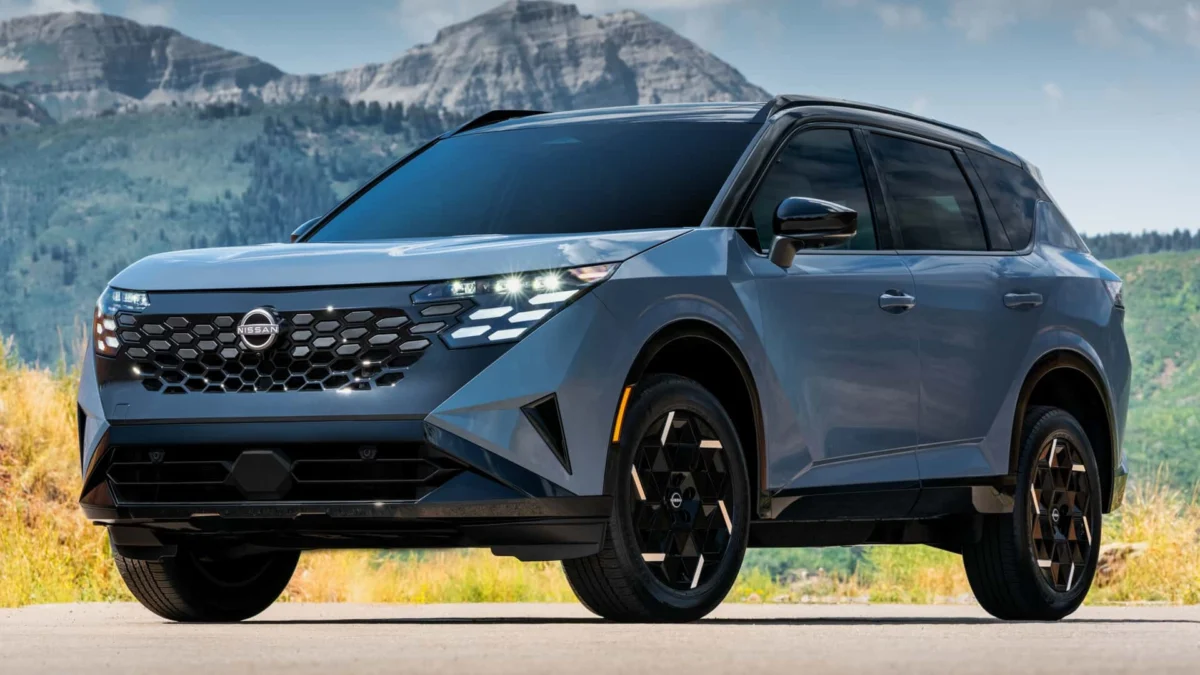
The landscape of the American automotive market is undergoing a seismic shift. As consumer demand for electrified efficiency clashes with the practical realities of charging infrastructure, automakers are scrambling to find the perfect bridge between internal combustion and full battery-electric vehicles (BEVs). Nissan, a pioneer in the early EV era with the Leaf, is now signaling a massive strategic pivot. The cornerstone of this strategy is the highly anticipated 2027 Nissan Rogue Hybrid, which utilizes the automaker’s proprietary E-Power system. Set to arrive in U.S. showrooms in November 2026, the vehicle represents more than just a new trim level; it is the vanguard of a sweeping plan to redefine Nissan’s North American powertrain lineup by the end of the decade.
The Main Facts: Defining the Rogue E-Power
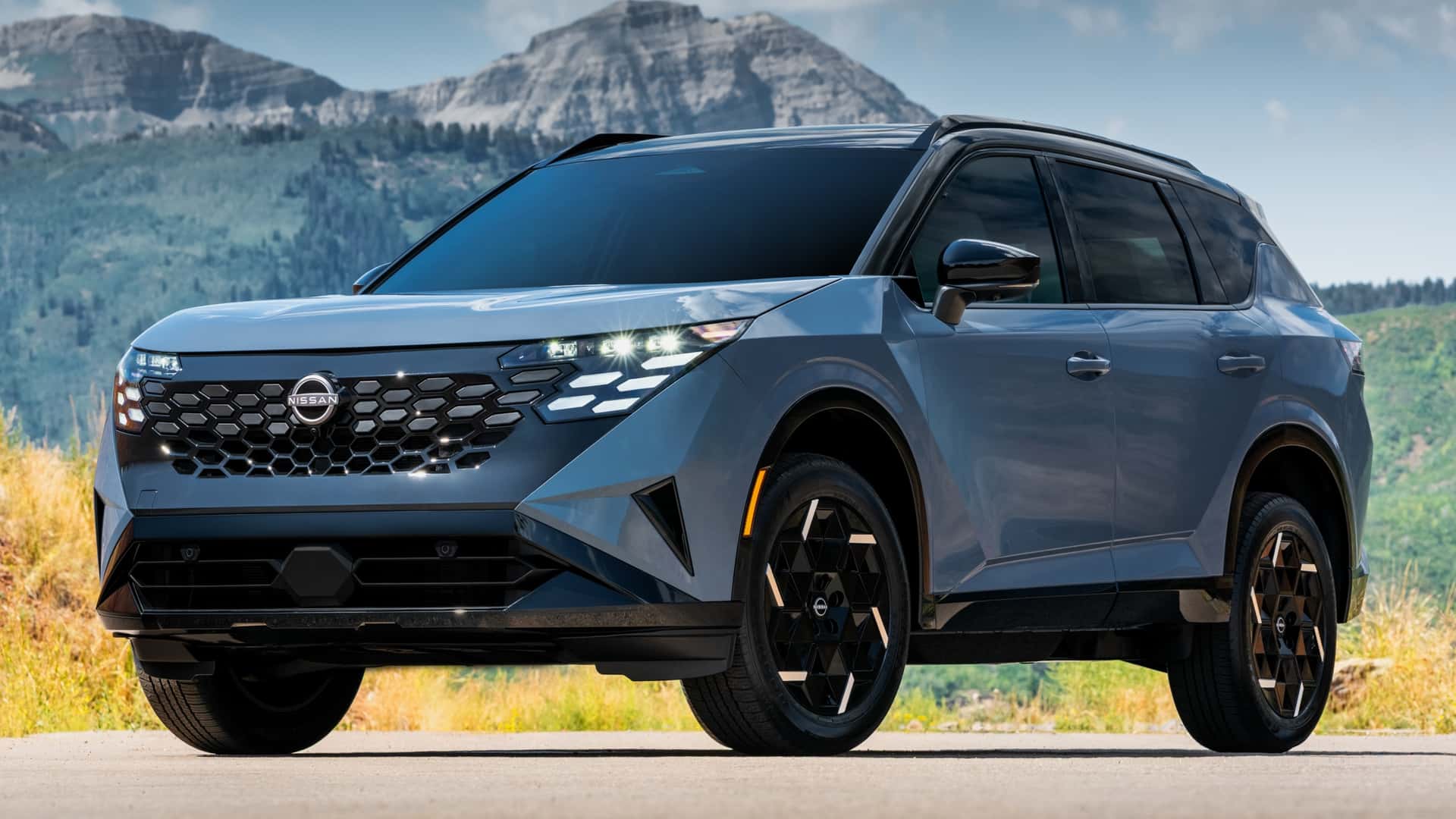
The 2027 Rogue Hybrid enters a fiercely competitive segment, taking aim at established stalwarts like the Toyota RAV4 Hybrid and the Honda CR-V Hybrid. With a starting MSRP of $35,490, the vehicle introduces American buyers to Nissan’s E-Power technology—a unique approach to hybridization that fundamentally differs from the industry-standard power-split configurations.
At its core, the 2027 Rogue Hybrid features a turbocharged 1.5-liter gasoline engine paired with dual electric motors and a compact 2.1-kWh battery pack. The system is rated at 148 horsepower and 171 lb-ft of torque, with all-wheel drive coming as a standard configuration. However, the technical nuance lies in the propulsion method: the gasoline engine does not turn the wheels. Instead, it functions exclusively as an onboard generator, feeding electricity to the battery and the drive motors. This ensures that the vehicle provides the responsive, instant-torque driving dynamics of an electric car while eliminating "range anxiety," as the gas engine serves only to extend the vehicle’s range by topping off the electrical system.
Chronology: The Road to the 2026 Launch
The path to the Rogue E-Power’s arrival has been a long-term development process. While E-Power has seen significant success in markets like Japan and Europe, bringing the technology to the United States required careful calibration to meet American driving habits, which prioritize higher speeds and different towing and hauling profiles.
- October 2026: Production is slated to begin at the Nissan Motor Kyushu facility in Japan. Initial units will be exported to the U.S. to ensure a robust inventory for the November launch.
- November 2026: The official U.S. market debut. The rollout will begin with a limited trim selection, focusing on the SR trim equipped with the SR Technology Package.
- Early 2027: Nissan plans to expand the availability of the Rogue Hybrid, introducing the SV, SL, and Platinum trims as domestic supply chains ramp up and dealer stock stabilizes.
- 2028 and Beyond: Nissan Americas Chairman Christian Meunier has indicated that while initial production is concentrated in Japan, there is a clear roadmap to localize assembly of the E-Power system within the United States, though a definitive date for a domestic manufacturing shift remains subject to market performance and internal logistics.
Supporting Data: Can Nissan Capture the C-Segment?
The midsize C-segment SUV market is the "bread and butter" of the American automotive industry. Currently dominated by the Toyota RAV4 and Honda CR-V, this segment represents millions of unit sales annually. Nissan’s internal projections are ambitious; Chairman Christian Meunier has publicly stated that hybrids could quickly capture 30 to 40 percent of the country’s C-segment midsize sales once the Rogue arrives.
This confidence is rooted in the current market trend where hybrid adoption is accelerating faster than pure EV adoption. While BEV sales growth has experienced recent volatility due to infrastructure concerns and price sensitivity, hybrid demand remains resilient. By offering an E-Power solution that feels like an EV but refills like a gas car, Nissan is betting that it can convert a significant portion of current crossover buyers who are not yet ready to commit to a plug-in-only lifestyle.
Furthermore, Nissan’s broader goal is to pivot its entire North American portfolio toward electrified powertrains by 2030. Currently, Nissan’s U.S. production capacity sits at roughly 65 percent. The company has set a long-term target of 80 percent, viewing the transition to hybrid and electrified engines as the primary driver for this production shift.
Official Responses and Strategic Philosophy
Nissan’s leadership has been vocal about the importance of the E-Power system as a differentiator. Unlike Toyota’s Hybrid Synergy Drive, which uses a planetary gear set to balance power from both the engine and electric motors, Nissan’s E-Power is a "series hybrid."
"We are not trying to replicate the competition," a company spokesperson suggested in recent briefings. "We are offering an experience that is closer to a full battery-electric vehicle, but with the convenience of a gas-powered tank."
This philosophy extends beyond just the Rogue. The automaker has confirmed that the E-Power system will eventually migrate into smaller vehicles, such as the Kicks subcompact crossover, and into larger, more robust platforms. Specifically, Nissan has outlined plans for new V6 hybrid pickups for both the Nissan and Infiniti brands. This is a critical strategic move, as the midsize and full-size truck segments are notoriously difficult for hybrid penetration. By introducing electrified options into these high-profit, high-utility segments, Nissan aims to be a leader in a space where domestic rivals like Ford and GM are still heavily reliant on traditional internal combustion or high-cost full-electric solutions.
Implications: A New Era for the Brand
The arrival of the 2027 Rogue Hybrid carries profound implications for the future of the Nissan brand in North America.
1. Market Positioning and Competition
By entering the fray with a technology that is distinctly different from the competition, Nissan is attempting to disrupt the "RAV4/CR-V duopoly." If the Rogue E-Power proves successful in delivering superior fuel efficiency and a more engaging driving experience, it could force a re-evaluation of the hybrid market.
2. The Shift to Domestic Production
While the 2027 model year will be supported by Japanese manufacturing, the long-term viability of the Rogue Hybrid depends on Nissan’s ability to "localize" the supply chain. Shifting assembly to the U.S. is not merely a matter of logistics; it is essential for navigating the complex tax credits and trade incentives that govern the North American automotive sector. As the company works toward its 2030 electrification goals, building these vehicles where they are sold will become the primary focus of capital expenditure.
3. Broadening the Hybrid Ecosystem
The strategy is clearly hierarchical. The Rogue is the pilot program—the "proof of concept" for the American public. If the system succeeds, the Kicks will follow, bringing lower-cost electrification to entry-level buyers, while the proposed hybrid truck line will target the affluent, utility-focused demographic. This tiered approach minimizes the risk of a "one-size-fits-all" failure while allowing the E-Power brand to gain market share across diverse segments.
4. Navigating the AI and Future-Tech Landscape
As noted in recent industry reports, Nissan is also heavily investing in AI-driven efficiency for its future powertrains. The integration of next-generation engine management systems, which optimize the gas-to-electric ratio based on real-time traffic and terrain data, will be a hallmark of future Nissan hybrid iterations. The 2027 Rogue serves as the launchpad for this high-tech vision.
Conclusion: The Road Ahead
November 2026 is shaping up to be a defining moment for Nissan. With the auto industry currently balancing on a razor’s edge between the legacy of the internal combustion engine and the uncertain future of full-scale electrification, Nissan’s decision to double down on the E-Power hybrid system appears to be a calculated, pragmatic bet.
By prioritizing the "electric experience" without the "charging headache," the 2027 Rogue Hybrid is perfectly positioned to capture the hearts and wallets of the modern American commuter. If Nissan can successfully scale this technology from the compact Rogue into the broader segments of pickups and subcompacts, they may well redefine the standard for the next decade of automotive travel. For the consumer, the choice is no longer just between gas and electric; it is now a question of which hybrid evolution best fits their life. As of late 2026, the Nissan Rogue will undoubtedly be a mandatory stop on that decision-making journey.